10. L’AVVENTURA
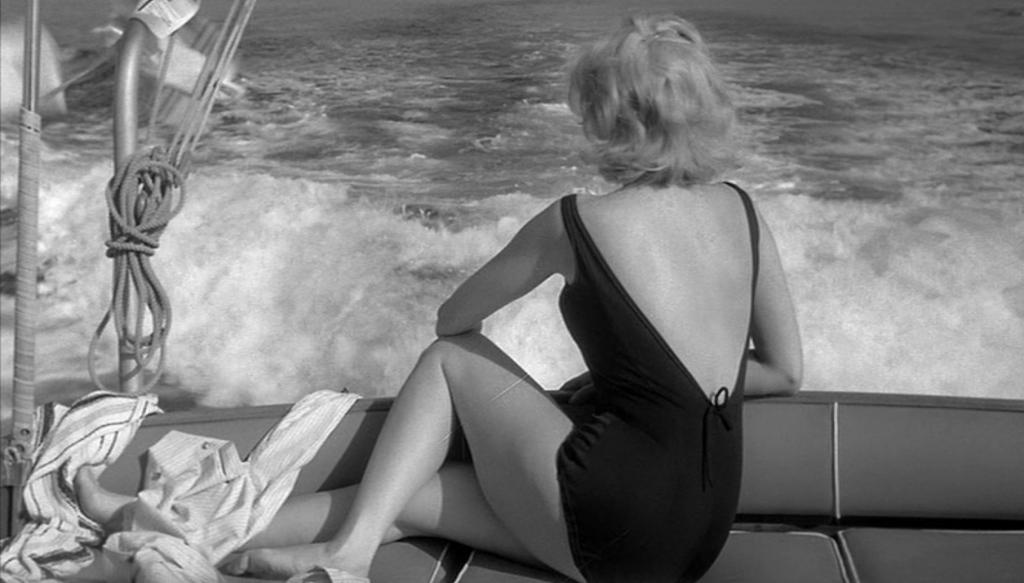
Michelangelo Antonioni’s L’Avventura translates to The Adventure, and it’s certainly that. The classic Italian film tells the story of a young woman who goes missing on a boating trip that she takes with both her boyfriend and her best friend, who begin to have feelings for one another after the young woman disappears. Antonioni’s film was proclaimed a classic almost instantly, as it was awarded the Jury Prize at the Cannes film festival and selected as one of the ten greatest films of all time in the 1962 Sight & Sound critics’ poll. Top ten of all time is a serious stretch, in my opinion, but it’s certainly worthy of being proclaimed one of the top ten films of 1960.
9. BREATHLESS
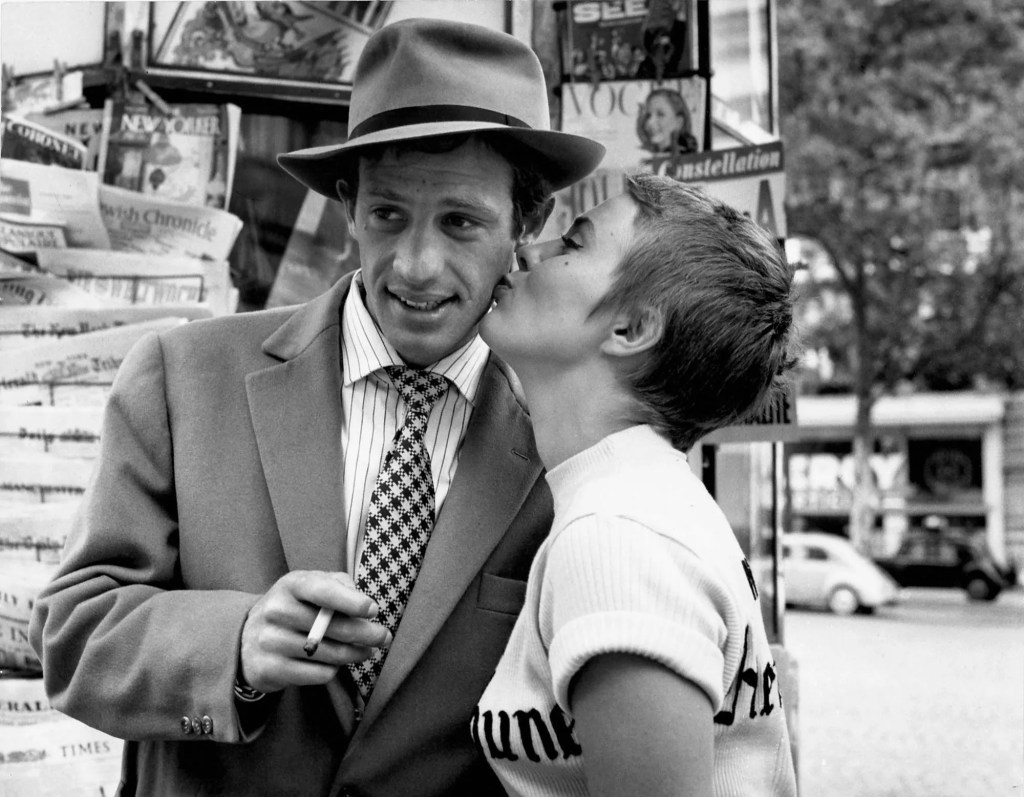
Many consider Jean-Luc Godard’s Breathless to be one of the greatest films of all time, due to its influence on editing and cinematography. I, however, do not consider adding cuts at irregular times revolutionary. But what I do respect about Breathless is that it is a very fascinating story about a French man who steals a car, kills a cop and convinces an American girl to go on the run with him. Godard tells his story at a swift speed, and does a brilliant job at infusing his film with style and coolness. In many ways, it feels like we wouldn’t have films like Bonnie and Clyde, had Godard not paved the way seven years earlier with a film that leaves so many breathless.
8. THE VIRGIN SPRING
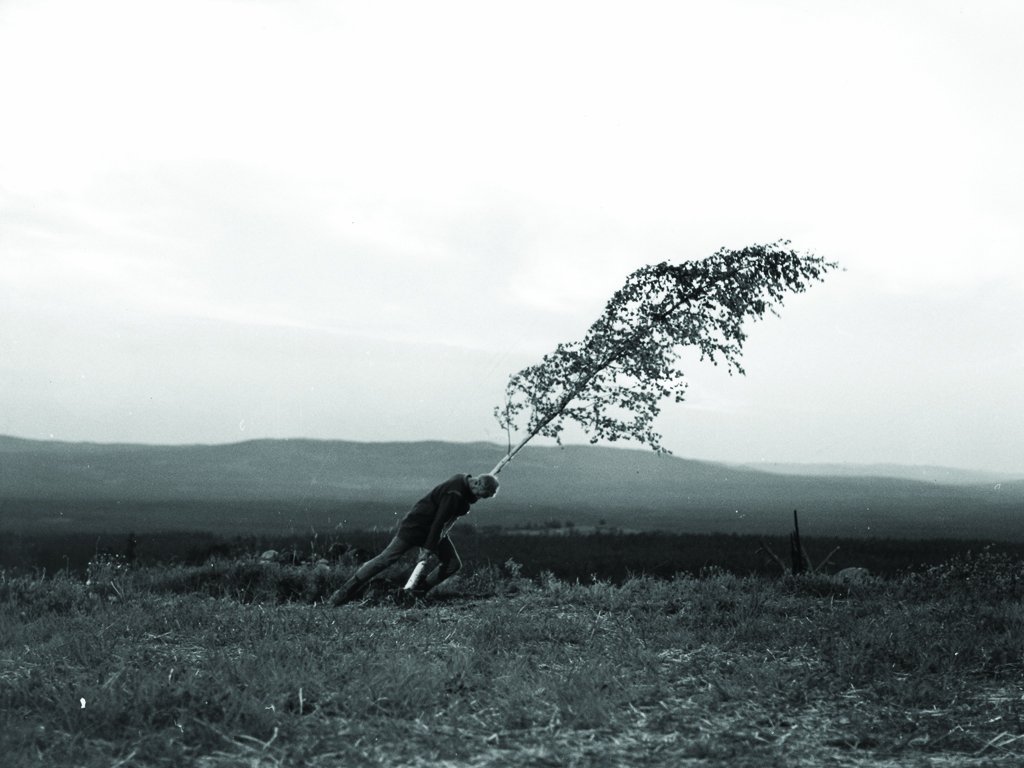
Director Ingmar Bergman himself called The Virgin Spring “a lousy imitation of Kurosawa.” Well, even a lousy imitation from Bergman is better than most great imitations from lesser directors. In the early 1960s, Bergman’s films focused on religion. Bergman, whose father was a Lutheran pastor, came to terms with his faith struggles in The Virgin Springs, where he tells the story of a wealthy man who cannot understand why God allowed his daughter to be murdered. The Virgin Spring is stark and challenging, but it’s also absolutely unforgettable, like most of Bergman’s films.
7. PEEPING TOM
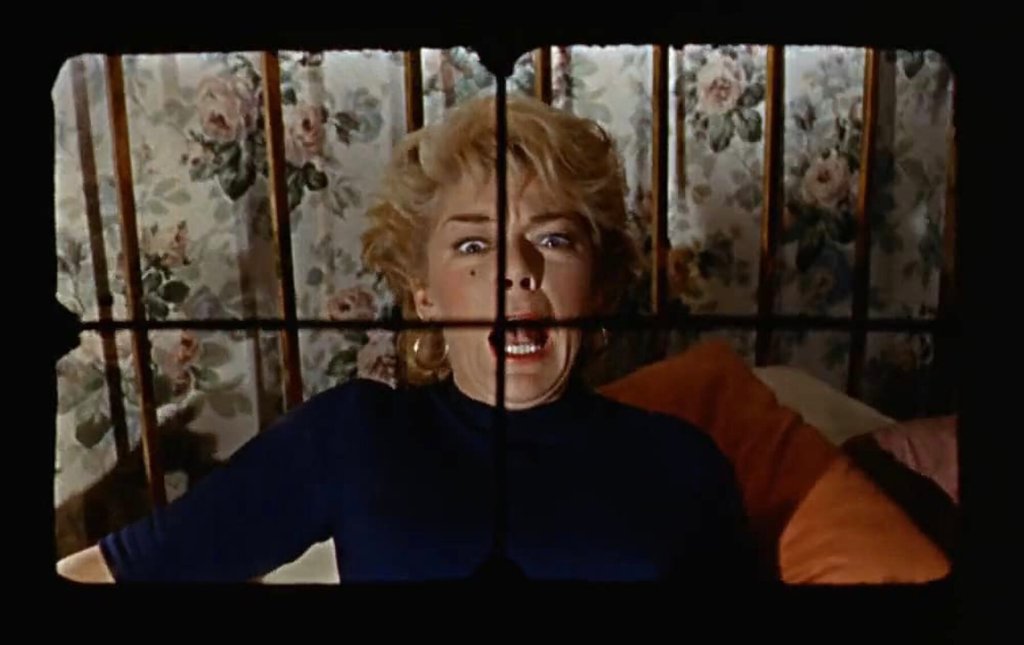
Perhaps there’s no better example of how film criticism can change over time than Michael Powell’s horrifying story of a psychopathic camera man named Mark who films his victims being murdered. At the time of its release, the film was torn apart by critics and audience members both as being obscene trash. It went so far that Powell was blackballed in Hollywood. But as years went on and films got more violent, the shock of Peeping Tom was lessened and its greatness shone through like a diamond in the rough. That’s not to say that Peeping Tom doesn’t remain disturbing today – it certainly is – but like Mark’s victims, we too cannot turn away.
6. ELMER GANTRY

Burt Lancaster’s only Oscar came from playing the title character in Elmer Gantry, an entertaining adaptation of Sinclair Lewis’ satirical novel about a salesman who becomes an evangelistic pastor after falling in love with the beautiful church leader, Sister Sharon Falconer (Jean Simmons). Lancaster is loud and charismatic, almost overly, but there’s no denying that he is entertaining in the title role. There’s also no denying that he’s great, and the Academy deservingly honored him with the Best Actor trophy in 1960. Yet, for me, the movie is much more than Lancaster’s performance: it’s a daring and challenging look at the evangelical movement that was growing rapidly by 1960.
5. INHERIT THE WIND
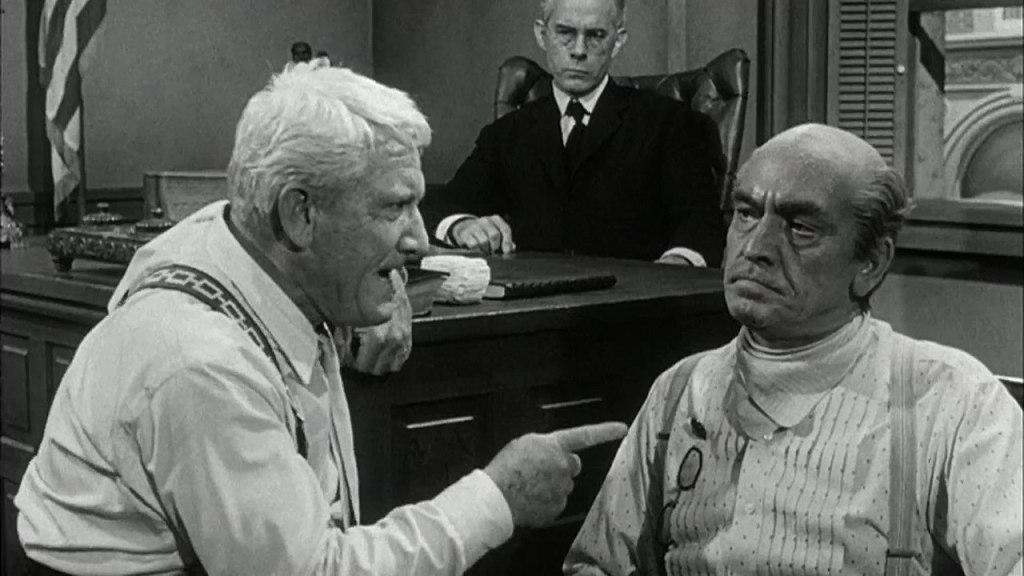
Two of the best American films of 1960 did something that few films before them dared to do: put a negative light on Christianity. The adaptation of Sinclair Lewis’s Elmer Gantry argued that organized religion is simply a money-making business and Inherit the Wind, the better of the two, tells the story of a science teacher who is arrested and tried for teaching evolution in his classroom. Based on a play that is based on a true story, Stanley Kramer’s film casts Spencer Tracy as a likeable lawyer who agrees to defend the teacher, despite having no support from the townies. Yet, as the locals realize, and moviegoers too, Spencer Tracy is just too likeable not to get behind. Sorry, Lancaster, but the Oscar should have gone to Tracy.
4. LA DOLCE VITA
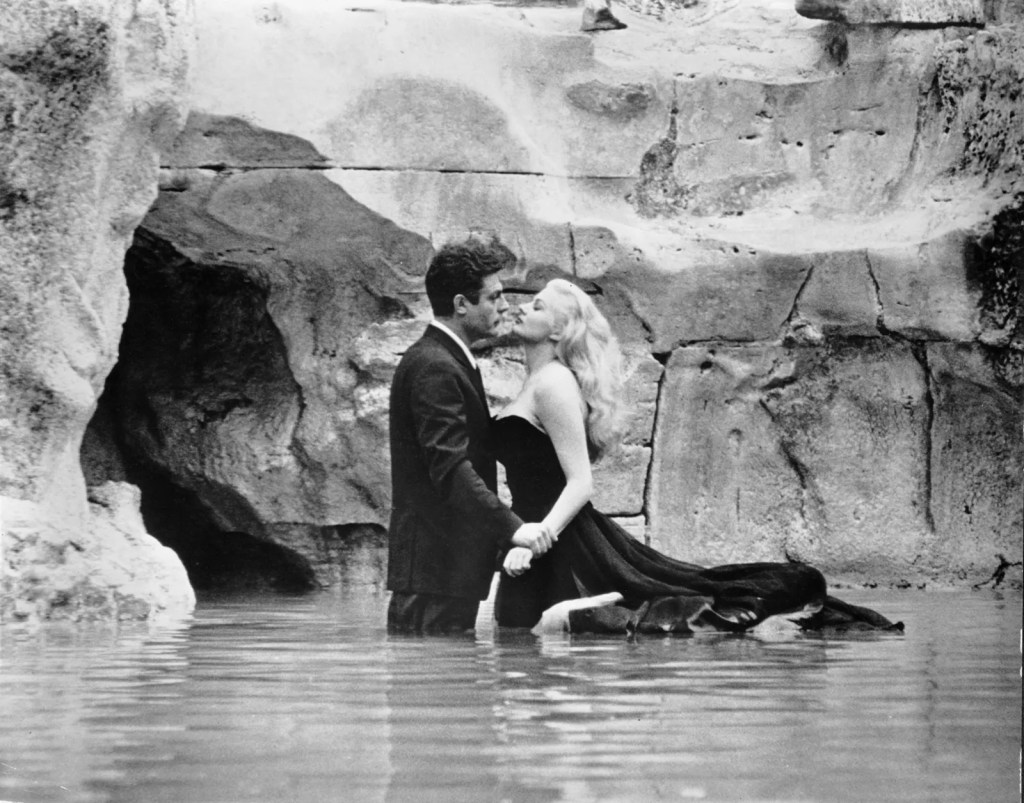
Not only did Roger Ebert proclaim La Dolce Vita his favorite film, he wrote how much his perspective of the film changed at different eras of his life. Since I’ve only seen it once, I’ll have to take his word on, but I can tell you that it’s certainly great at my age. Arguably Federico Fellini’s best film, La Dolce Vita tells the story of a successful but rather sad paparazzo journalist as he wanders through the streets of Rome through an entire week. At nearly 3 hours long, La Dolce Vita is a bit of a commitment, but one that is well worth the journey.
3. ROCCO AND HIS BROTHERS
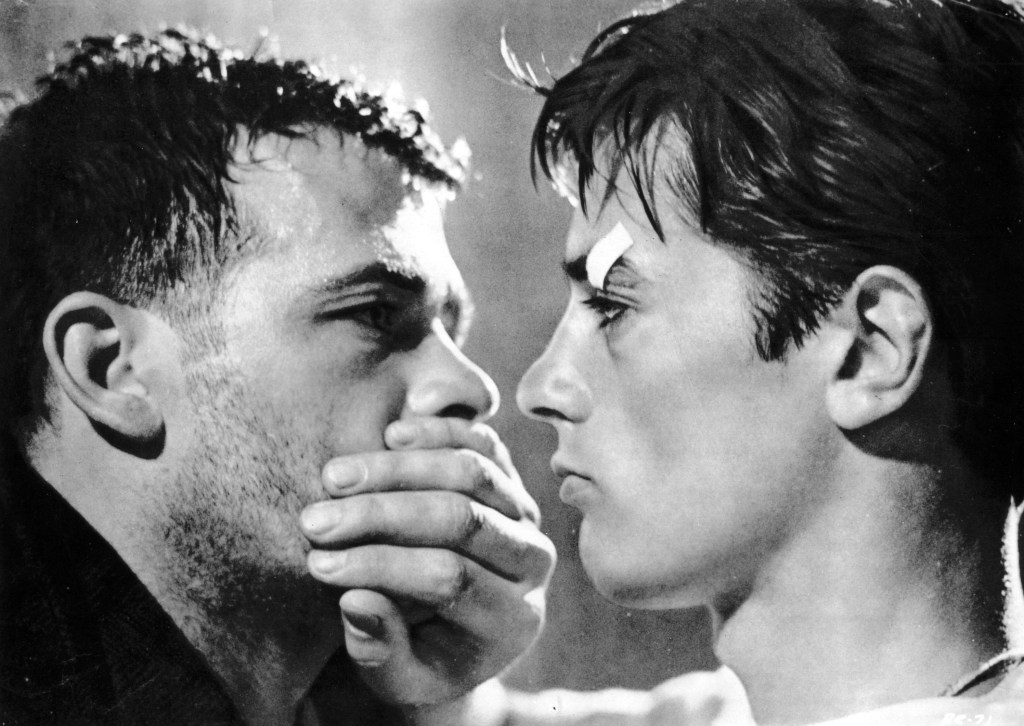
Admirers of Rocco and His Brothers include Francis Ford Coppola and Martin Scorsese, and it’s obvious that it influenced some of the greatest gangster movies of all time, including The Godfather and Goodfellas. I, too, greatly admire the brave and unnerving story telling of Rocco and His Brothers, an Italian film that tells the story of the path that five brothers take after moving to Milan. The most interesting characters are Rocco, the title characters, who often sacrifices his own happiness for his brothers, and Simone, an angry boxer who struggles to control his anger and deal with humility. Rocco and His Brothers may not be at the same level as The Godfather or Goodfellas, but it may just have had as much impact on the world of cinema as those two masterpieces. And for that, Rocco is a masterpiece itself.
2. THE APARTMENT
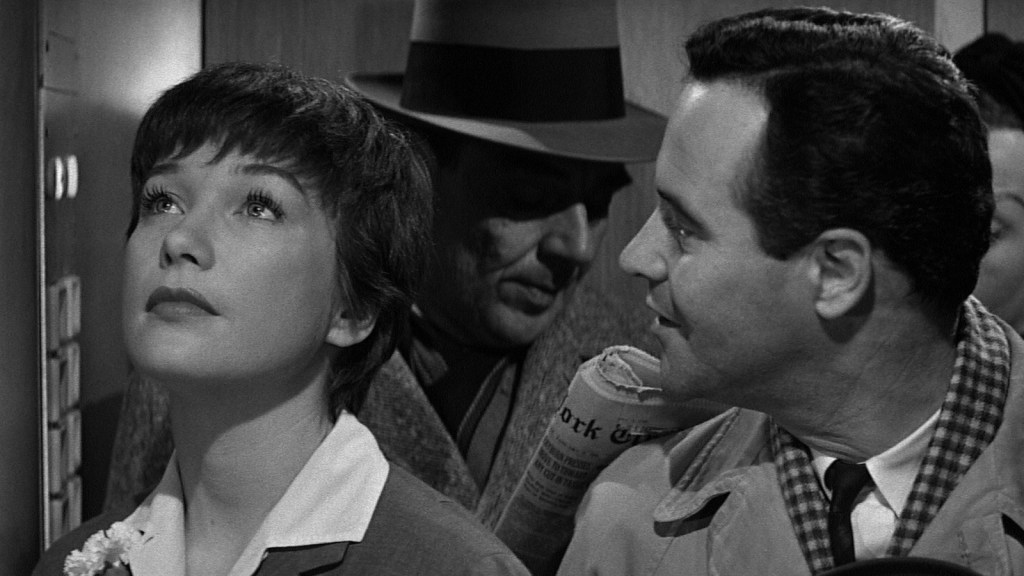
If I was forced to name one greatest screenwriter of all time, I’d make a pretty strong case for Billy Wilder. Wilder started out writing films for other directors, but his best films emerged when he stepped behind the camera to tell his story his own way. Just a few examples where he was billed as both the writer and director include Double Indemnity, Sunset Blvd., Some Like It Hot, and my favorite of all, The Apartment. The 1960 Best Picture winner tells the story of C.C. Baxter, an ambitious businessman who agrees to loan his apartment to executives in hopes of moving up the corporate ladder. Filled with twists and turns, The Apartment manages to be unpredictable, hilarious, and incredibly touching. So much so, that it feels completely unfair to name anything else the best movie of the year. But, as C.C. Baxter would say, “that’s the way it crumbles… cookie-wise.”
1. PSYCHO

By 1960, mastermind Alfred Hitchcock had nothing left to prove. He had spent much of the fifties pumping out one classic after another, including Vertigo, Rear Window and North by Northwest. Yet, even the greatest of those movies cannot be called his masterpiece, because that honor solely belongs to his most perfect film, Psycho. The film, which tells the story of a young secretary who steals a bunch of cash and spends a night at the Bates Hotel, was originally considered a departure for Hitchcock. So much, in fact, that it was filmed in black and white and cast no major film stars – two moves that made the New York Times’ critic call it an “obviously low-budget” job. Yet, despite its naysayers and its surrounding controversy, Psycho would become Hitchcock’s greatest box office success, and would earn him a paycheck of over $15 million. Although all these accolades are impressive, the true greatness can be found in the fact that it remains the greatest horror film ever made, even 60 years after its release.
 Entertainment Yearly