10. BUTTERFIELD 8
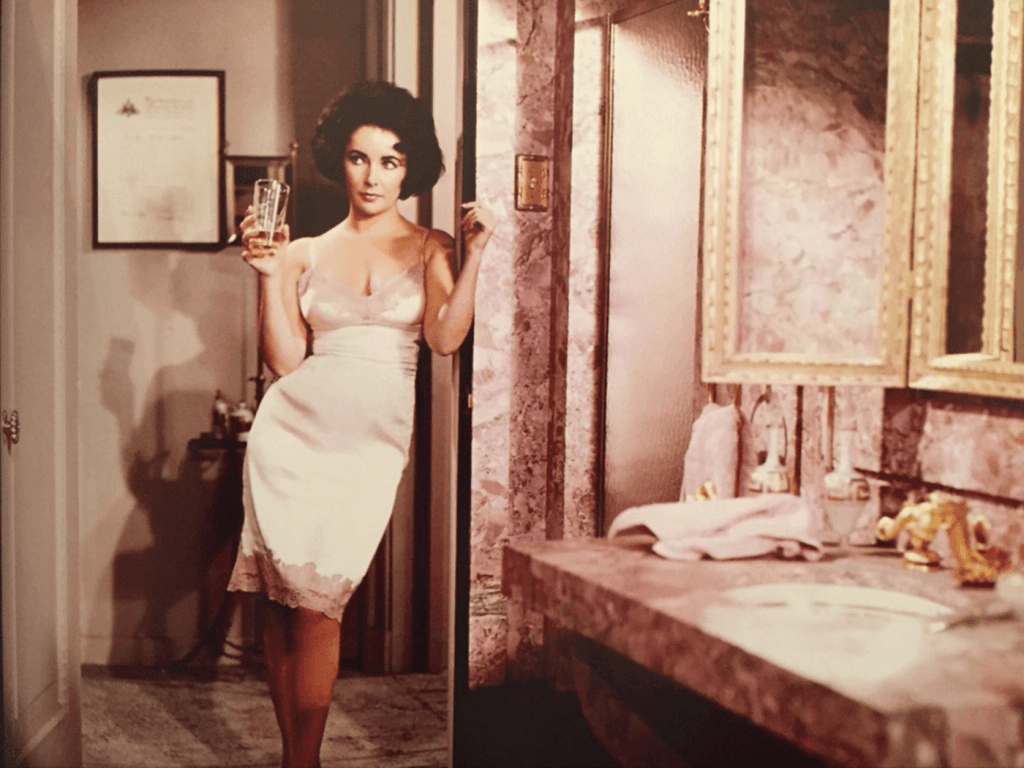
How bad was 1960 at American theaters? So bad that a film like BUtterfield 8 can crack the top ten, if simply because of Elizabeth Taylor’s wonderful performance as a Manhattan call girl. The Academy agreed and honored her with the Best Actress Oscar for her performance. Now, it looks ridiculous that Taylor beat Shirley Maclaine, and I’m sure it will look ridiculous to many that this beat out many other films for the tenth spot for 1960.
9. THE WORLD OF APU
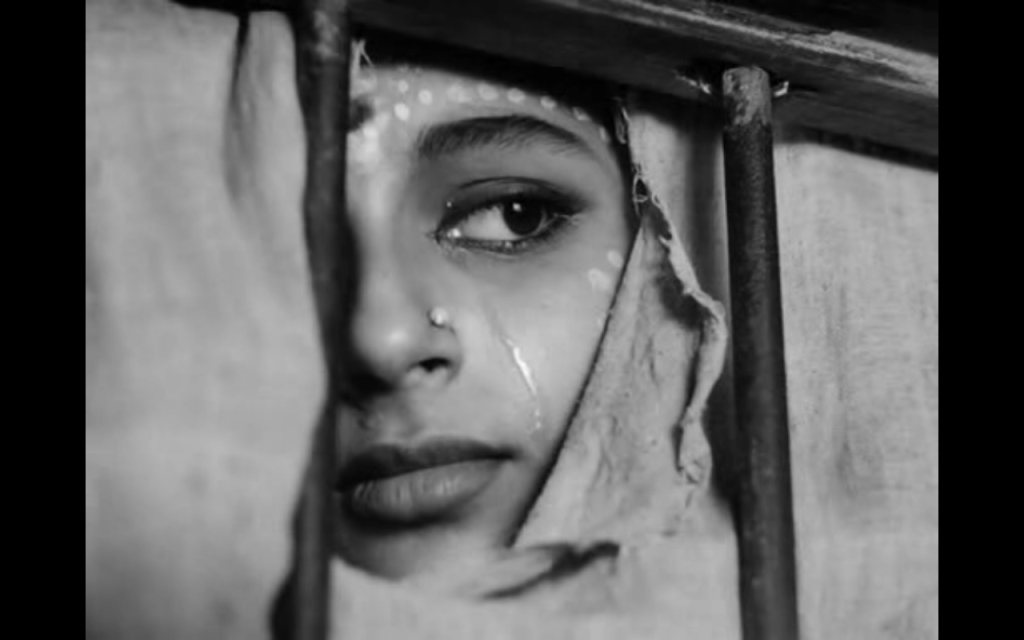
There’s probably a reason Satyajit Ray’s The World of Apu is meant to be watched as the final chapter of a trilogy rather than as a standalone film. Having not watched the first two installments recently, I couldn’t help feeling that I was missing some of the emotional weight that makes Apu’s journey so meaningful. It’s difficult to fully appreciate the destination when you’ve missed part of the journey. Yet, in a year as weak as 1960, The World of Apu clearly deserves a spot in the top ten.
8. THE SUNDOWNERS
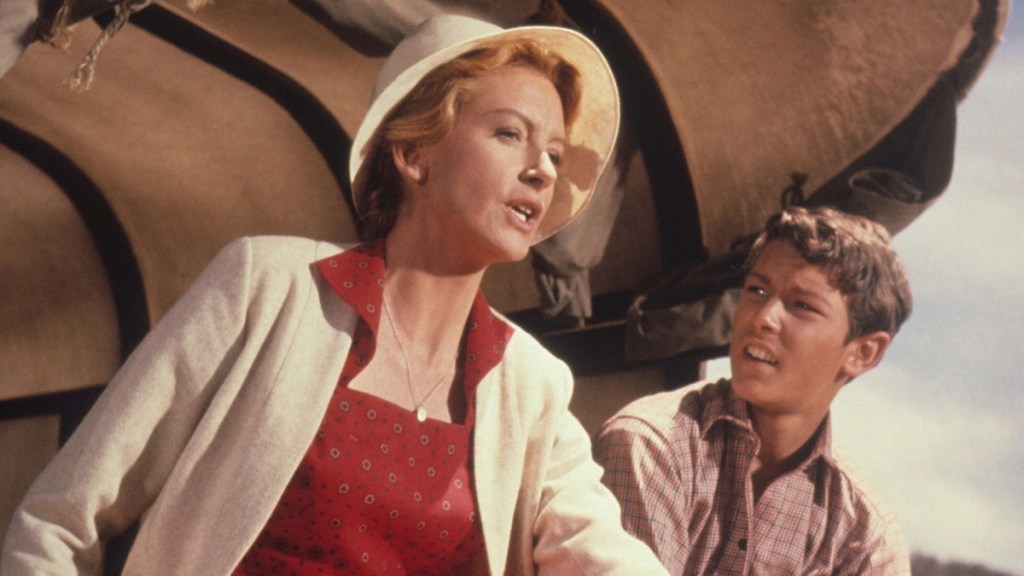
Not every film needs a compelling plot or a villain to overcome. Sometimes, it’s enough to spend a couple of hours with interesting characters and enjoy the scenery. Fred Zinnemann’s The Sundowners follows a nomadic Australian family whose father loves life on the road, while his wife and son dream of settling down. It’s a simple premise, but one that raises an interesting question: Is the freedom to go wherever you please worth giving up the comforts of having somewhere to call home?
7. SPARTACUS
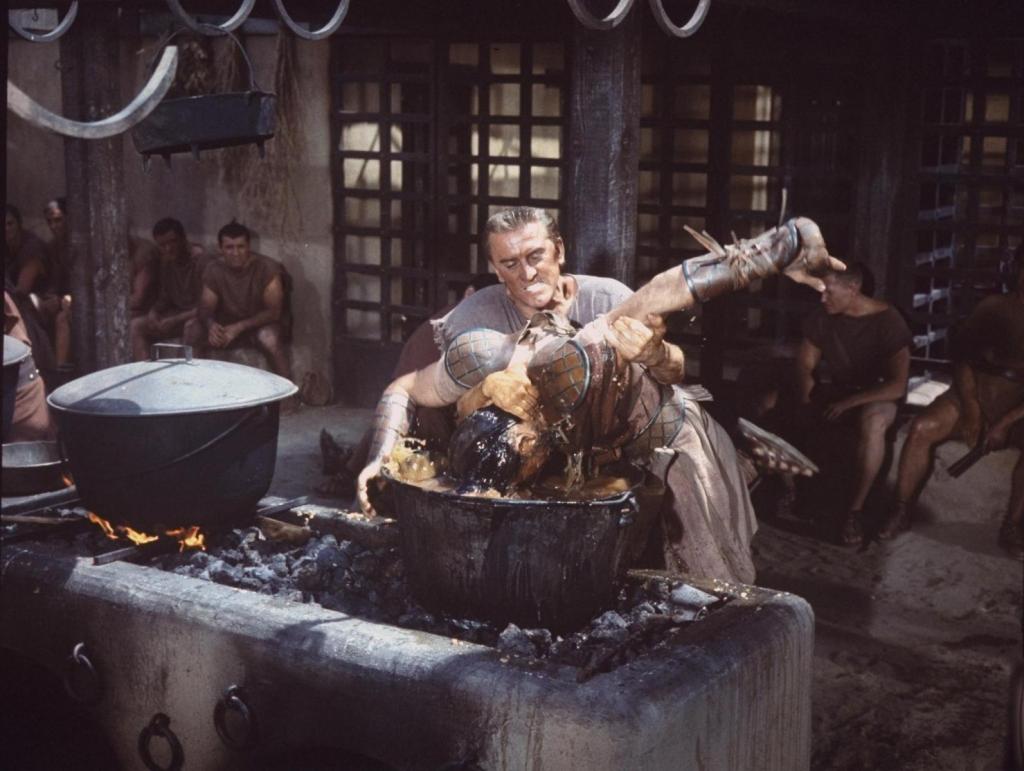
Spartacus is likely best known for creating the timeless quote, “I am Spartacus,” but perhaps it ought to be known as one of the last film’s Stanley Kubrick made before he truly became great. Unlike many of his later films, his story about a slave turned leader isn’t perfect. It’s suffers from its running time and has moments of unevenness, yet it deserves credit for the footprint it left on the historical epics that followed. Even more so, it was the film that ended the Hollywood blacklisting of writers, which included Spartacus’ writer, Dalton Trumbo. Yet, even without all of its memorable quotes and its everlasting impact, Spartacus would likely still be remembered as one of the great Hollywood epics of the 1960s, and one of the most inspirational films of all time.
6. THE VIRGIN SPRING
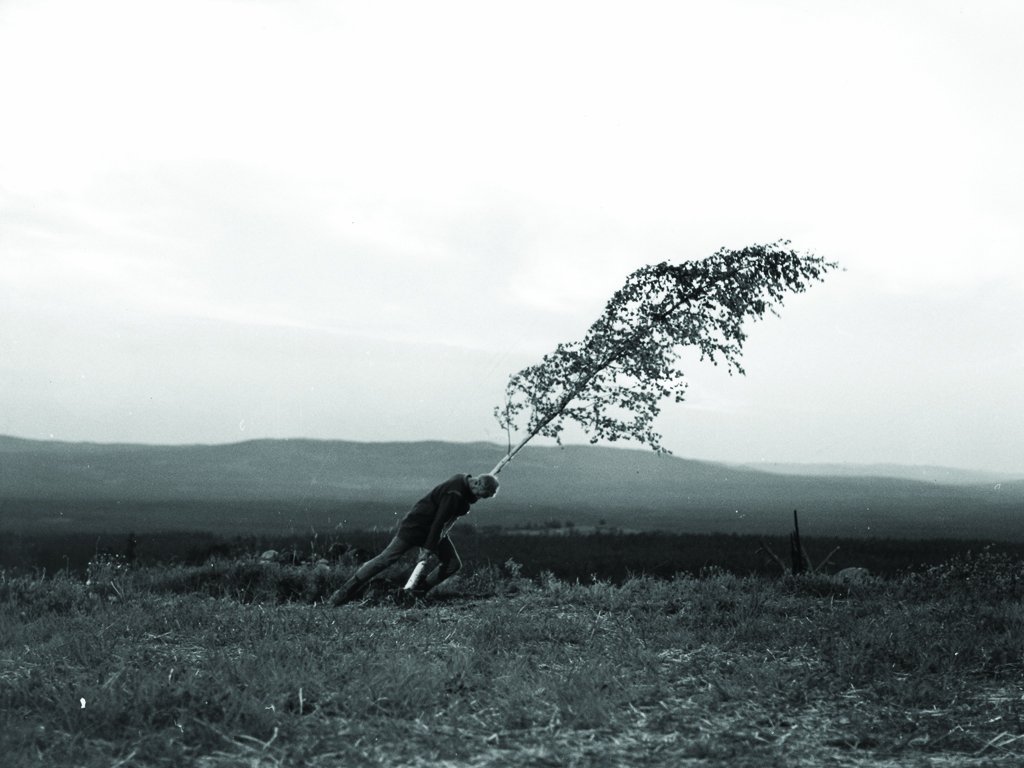
Director Ingmar Bergman himself called The Virgin Spring “a lousy imitation of Kurosawa.” Well, even a lousy imitation from Bergman is better than most great imitations from lesser directors. In the early 1960s, Bergman’s films focused on religion. Bergman, whose father was a Lutheran pastor, came to terms with his faith struggles in The Virgin Springs, where he tells the story of a wealthy man who cannot understand why God allowed his daughter to be murdered. The Virgin Spring is stark and challenging, but it’s also absolutely unforgettable, like most of Bergman’s films.
5. ELMER GANTRY

Burt Lancaster’s only Oscar came from playing the title character in Elmer Gantry, an entertaining adaptation of Sinclair Lewis’ satirical novel about a salesman who becomes an evangelistic pastor after falling in love with the beautiful church leader, Sister Sharon Falconer (Jean Simmons). Lancaster is loud and charismatic, almost overly, but there’s no denying that he is entertaining in the title role. There’s also no denying that he’s great, and the Academy deservingly honored him with the Best Actor trophy in 1960. Yet, for me, the movie is much more than Lancaster’s performance: it’s a daring and challenging look at the evangelical movement that was growing rapidly by 1960.
4. HIROSHIMA MON AMOUR
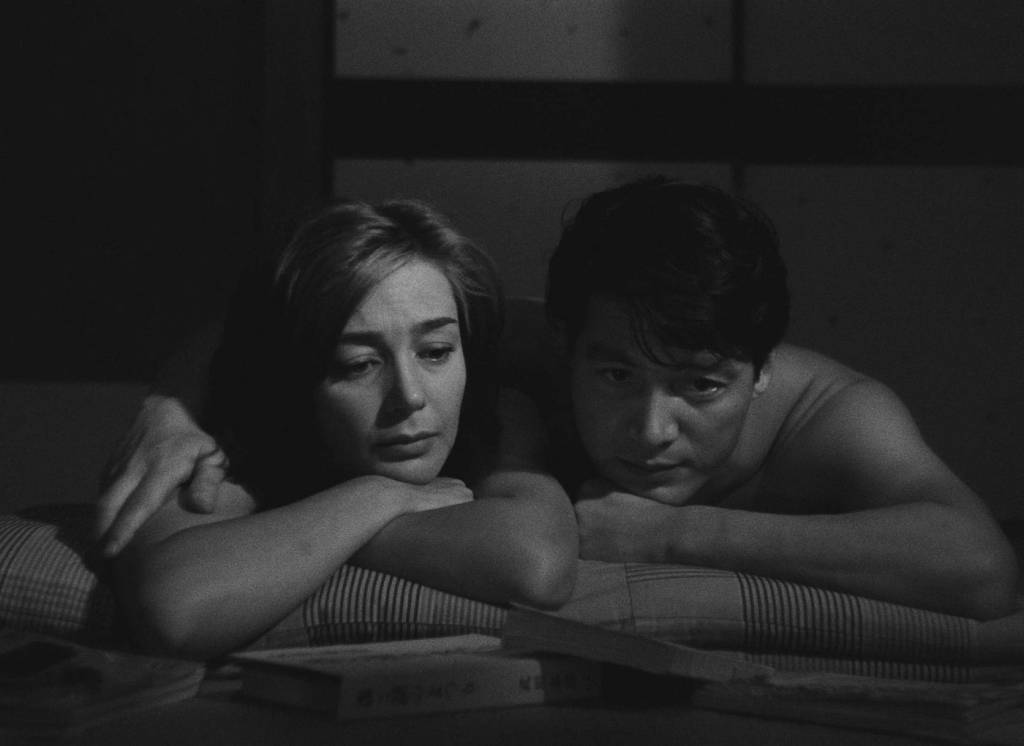
There’s something refreshing about a film that can leave such a lasting impression despite demanding so little of our time. Alain Resnais’s Hiroshima mon Amour is storytelling at its most poetic, as its storytelling drifts between love, memory, and tragedy. Sure, it’s short, but it lingers endlessly in viewers’ minds, long after viewing it.
3. INHERIT THE WIND
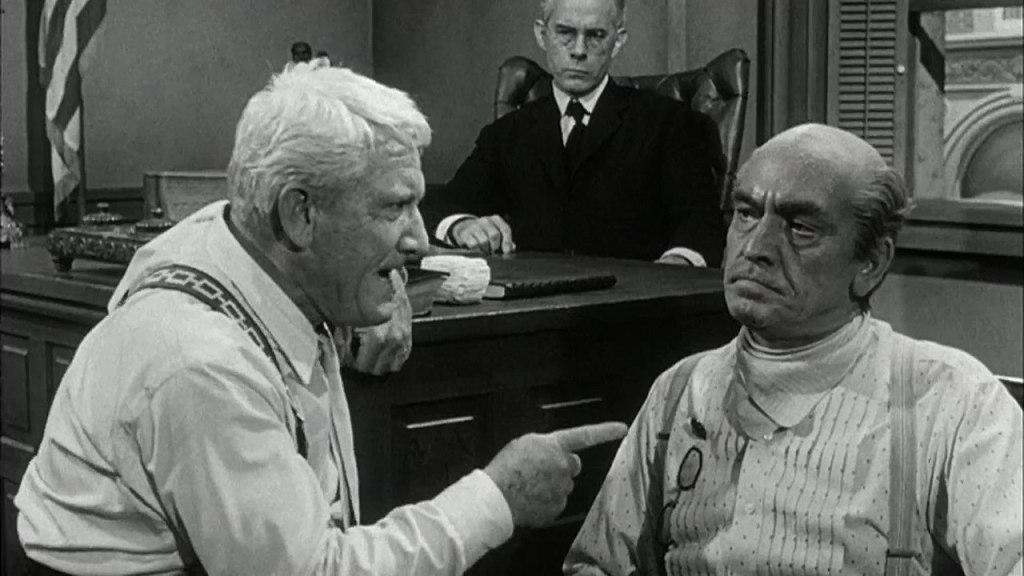
Two of the best American films of 1960 did something that few films before them dared to do: put a negative light on Christianity. The adaptation of Sinclair Lewis’s Elmer Gantry argued that organized religion is simply a money-making business and Inherit the Wind, the better of the two, tells the story of a science teacher who is arrested and tried for teaching evolution in his classroom. Based on a play that is based on a true story, Stanley Kramer’s film casts Spencer Tracy as a likeable lawyer who agrees to defend the teacher, despite having no support from the townies. Yet, as the locals realize, and moviegoers too, Spencer Tracy is just too likeable not to get behind. Sorry, Lancaster, but the Oscar should have gone to Tracy.
2. THE APARTMENT
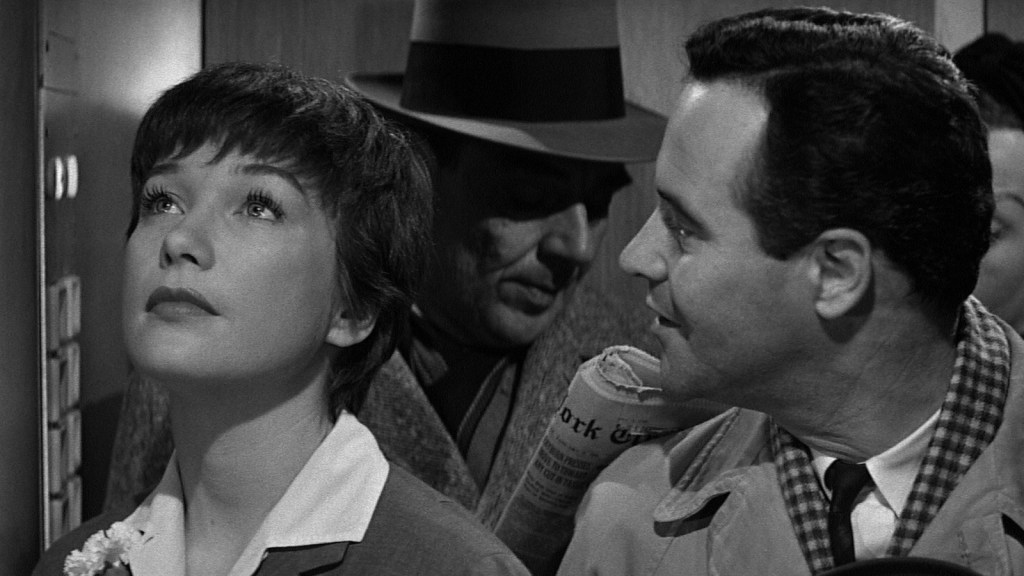
If I was forced to name one greatest screenwriter of all time, I’d make a pretty strong case for Billy Wilder. Wilder started out writing films for other directors, but his best films emerged when he stepped behind the camera to tell his story his own way. Just a few examples where he was billed as both the writer and director include Double Indemnity, Sunset Blvd., Some Like It Hot, and my favorite of all, The Apartment. The 1960 Best Picture winner tells the story of C.C. Baxter, an ambitious businessman who agrees to loan his apartment to executives in hopes of moving up the corporate ladder. Filled with twists and turns, The Apartment manages to be unpredictable, hilarious, and incredibly touching. So much so, that it feels completely unfair to name anything else the best movie of the year. But, as C.C. Baxter would say, “that’s the way it crumbles… cookie-wise.”
1. PSYCHO

By 1960, mastermind Alfred Hitchcock had nothing left to prove. He had spent much of the fifties pumping out one classic after another, including Vertigo, Rear Window and North by Northwest. Yet, even the greatest of those movies cannot be called his masterpiece, because that honor solely belongs to his most perfect film, Psycho. The film, which tells the story of a young secretary who steals a bunch of cash and spends a night at the Bates Hotel, was originally considered a departure for Hitchcock. So much, in fact, that it was filmed in black and white and cast no major film stars – two moves that made the New York Times’ critic call it an “obviously low-budget” job. Yet, despite its naysayers and its surrounding controversy, Psycho would become Hitchcock’s greatest box office success, and would earn him a paycheck of over $15 million. Although all these accolades are impressive, the true greatness can be found in the fact that it remains the greatest horror film ever made, even 60 years after its release.

