10. THE L-SHAPED ROOM
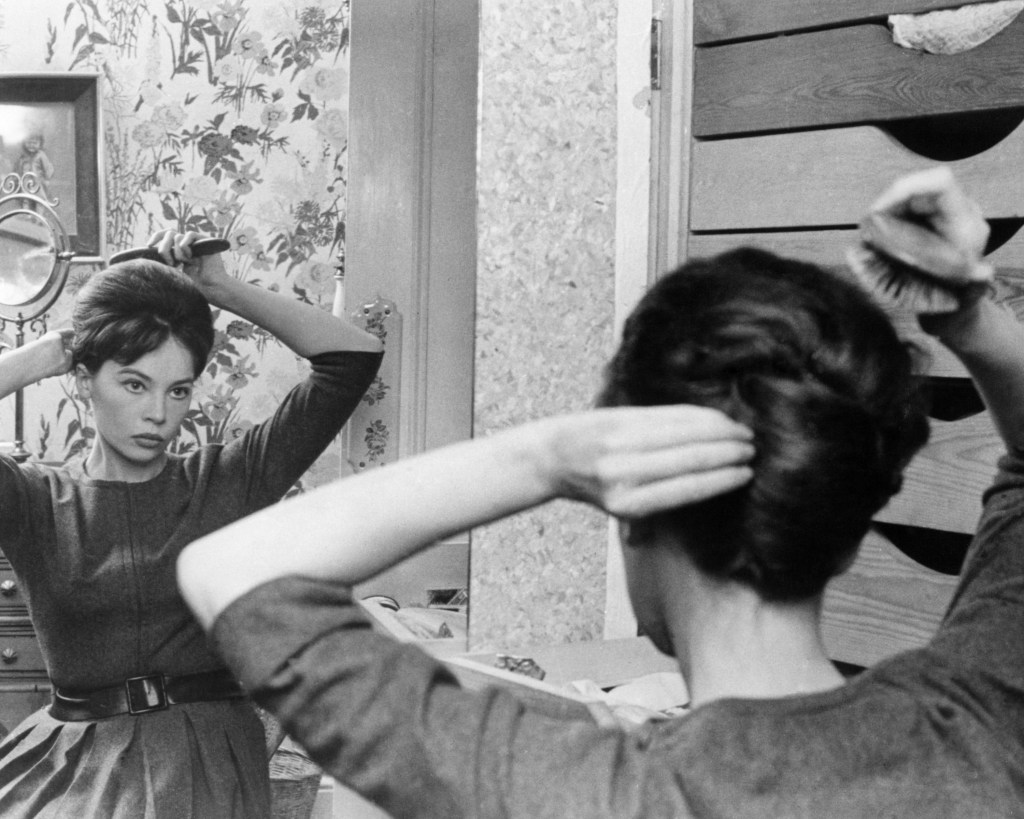
Bryan Forbes’s The L-Shaped Room is the kind of movie that probably couldn’t have been made in America in 1962. It tells the story of a young French woman who is pregnant and has no plans to marry the father. Instead, she decides to hideout in a small London flat and is determined to have and raise the baby single handedly. The L-Shaped Room is a fascinating story, and one that feels as relevant today as it did sixty years ago.
9. THE MIRACLE WORKER
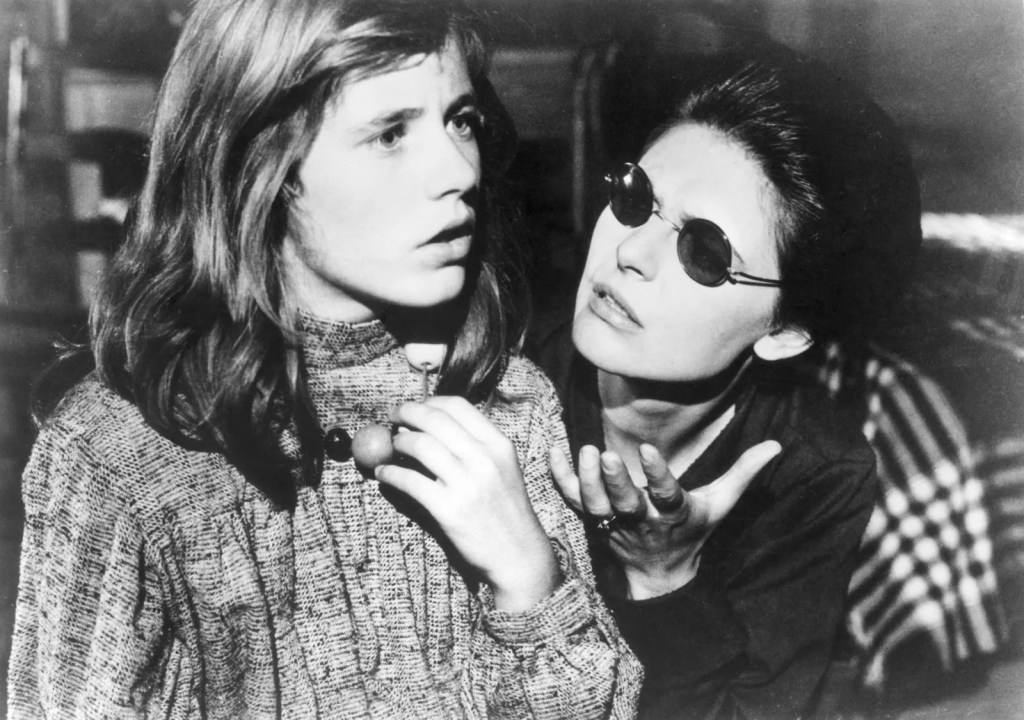
Behind every great person is a great teacher, and for Helen Keller that teacher was Anne Sullivan, also known as the miracle worker. In Arthur Penn’s fantastic tribute to Sullivan, Anne Bancroft and Patty Duke give great dual performances; both would go on to win deserving Academy Awards. Yet, The Miracle Worker remains one of the most underappreciated films of Penn’s career today. Perhaps it’s because it doesn’t have the shock value of his later films, Bonnie & Clyde or Straw Dogs, but in a sense, I think that’s what makes The Miracle Worker so special. It proves that Penn was a great director, even when he didn’t have a budget to make a film in color.
8. DAYS OF WINE AND ROSES
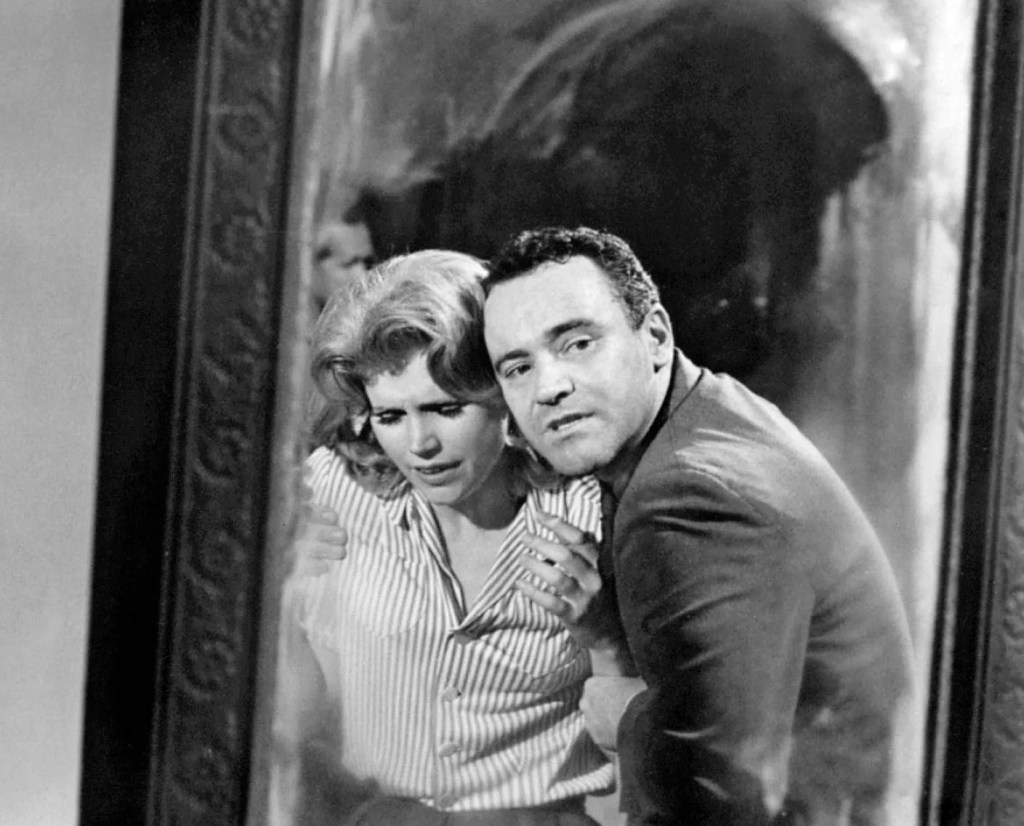
I, like many other millennials, grew up thinking that Jack Lemmon was known for playing John Gustafson, Jr. in Grumpy Old Men. Turns out, he was a pretty big star in the 1960’s. And a pretty great actor too, which is obvious to anyone who’s seen Days of Wine and Roses where he plays an alcoholic man who is willing to throw his life away for one more drink. Days of Wine and Roses isn’t the only film about alcoholism, but it’s certainly remains one of the best. It, like Requiem for a Heavyweight, was expanded from a Playhouse 90 episode. And fortunately so, because it allowed Jack Lemmon to receive his third Oscar nomination in just four years.
7. LAWRENCE OF ARABIA

David Lean’s epic story of T.E. Lawrence was arguably the first film ever to really demonstrate the heights that cinematography could reach. At nearly three hours in length, and filled with breathtaking panoramic desert views, it was clear from Lawrence of Arabia that epic historical dramas would never be the same again. And they haven’t been. Films like The English Patient, A Passage to India and Mad Max: Fury Road certainly would not exist if it weren’t for Lean’s film. But apart from the breathtaking cinematography, Lawrence of Arabia also did something that few of the epics of its time were able to do: it kept my interest for a whopping 227 minutes. After all, movies were no longer just a story – they were also a visual, which would become even more evident six years later with Stanley Kubrick’s 2001: A Space Odyssey.
6. THE MAN WHO SHOT LIBERTY VALENCE
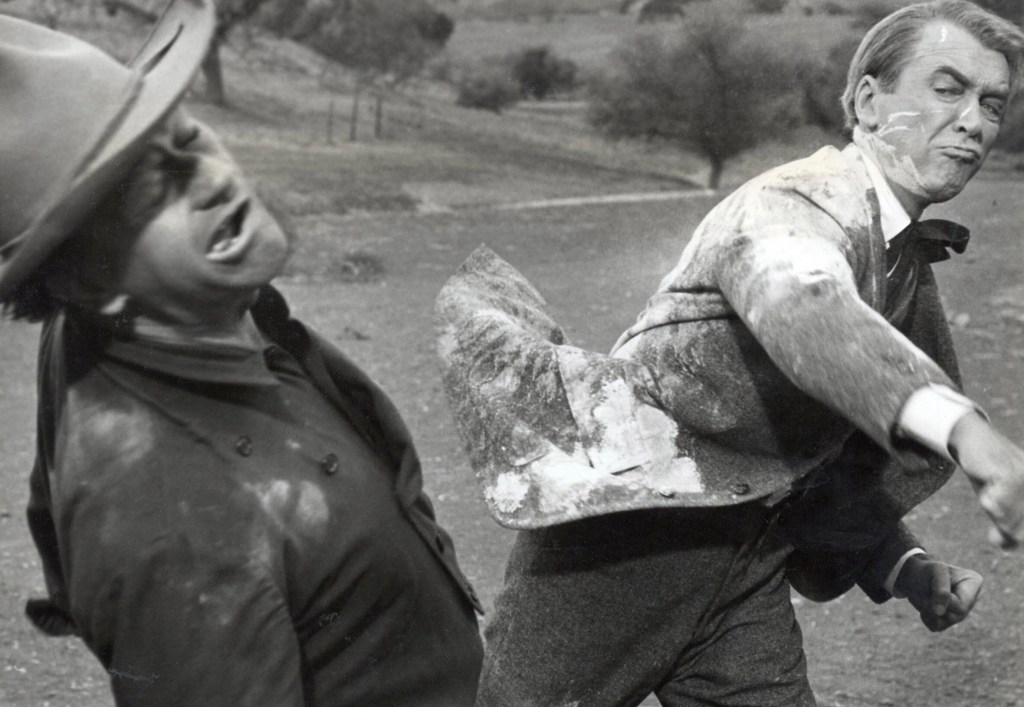
Everyone has their own favorite John Wayne film. Many critics would say The Searchers is his best, but The Man Who Shot Liberty Valence deserves some serious consideration. In Valence, Wayne teams up with another screen legend, Jimmy Stewart, to bring down the town’s most feared villain. John Ford, who had directed Wayne in The Searchers just six years earlier, pumped out a couple films each year, but The Man Who Shot Liberty Valence would become his last great film, and one of his very best.
5. REQUIEM FOR A HEAVYWEIGHT
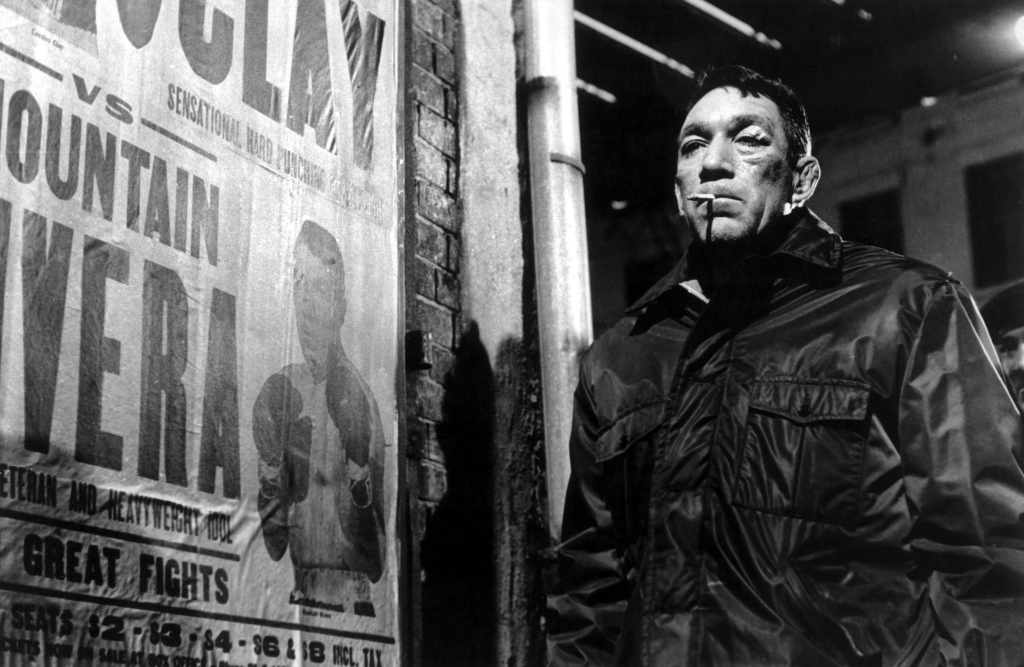
Arguably the first of many great boxing films, Requiem for a Heavyweight, was adapted from a TV movie that aired on CBS’s Playhouse 90 just six years earlier. Admittedly, I’ve never seen the Playhouse 90 special, but I have a difficult time believing that Jack Palance could be as good as Anthony Quinn in the lead role of a kind hearted, washed up boxer whose skills are limited outside the boxing ring. Quinn, who filmed Heavyweight, in during filming breaks for Lawrence of Arabia, was seldom better than he was in 1962 – even though he failed to get recognized with an Oscar nomination for either this or Lawrence of Arabia. Perhaps that’s fitting, since Quinn plays a character whose gifts aren’t visible to those around him.
4. WHAT EVER HAPPENED TO BABY JANE?
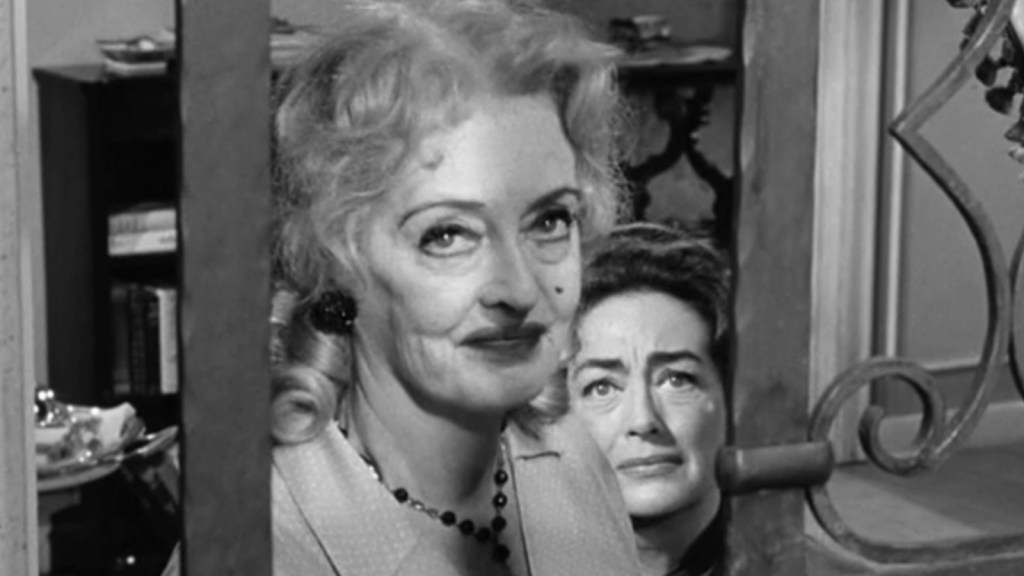
It’s no secret that Bette Davis and Joan Crawford despised each other, even to the point where Crawford joyfully accepted Anne Bancroft’s 1962 Best Actress Oscar that many believed Davis would win. That same hate makes Robert Aldrich’s story of two sisters – one an abusive, alcoholic former child star and the other a Hollywood legend who was crippled by her sister’s rage – so unforgettable. Davis, dressed in messy makeup and childish clothes, gives one of the most unforgettable performances of her brilliant career as the film’s villain. It’s because of her that What Ever Happened to Baby Jane rises as one of the great psychological horrors to ever grace the big screen.
3. CLEO FROM 5 TO 7
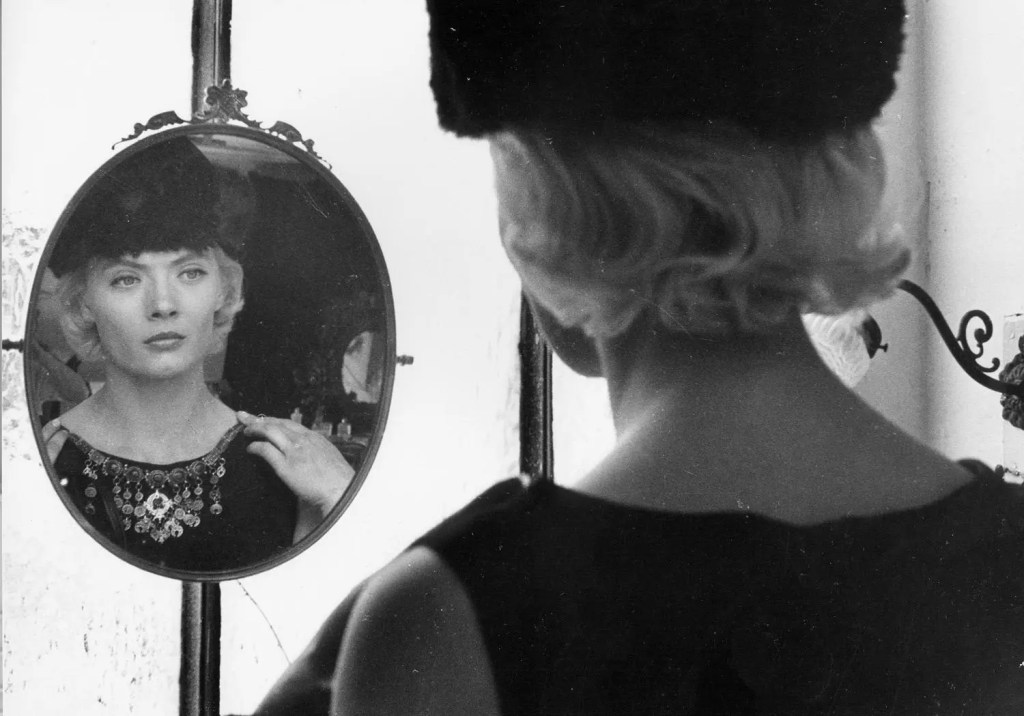
Cleo is awaiting some very bad news. In just two hours, she will be informed by her doctor the severity of her illness. She passes time visiting with friends who can’t understand her fears and looking for predictive signs that are unlikely to reveal her future diagnosis. Cleo is terrified of the upcoming news, and nobody understands. Except Agnes Varda, who realizes that the world doesn’t stop for one’s problems. But more optimistically, Varda also realizes that it’s through such struggles that we can find comfort in a strangers’ kind words or find a connection through their understanding. Cleo From 5 to 7 isn’t always a joyful film, nor is it an optimistic one, but it is one that manages to find reasons to be grateful for the struggle.
2. THE MANCHURIAN CANDIDATE
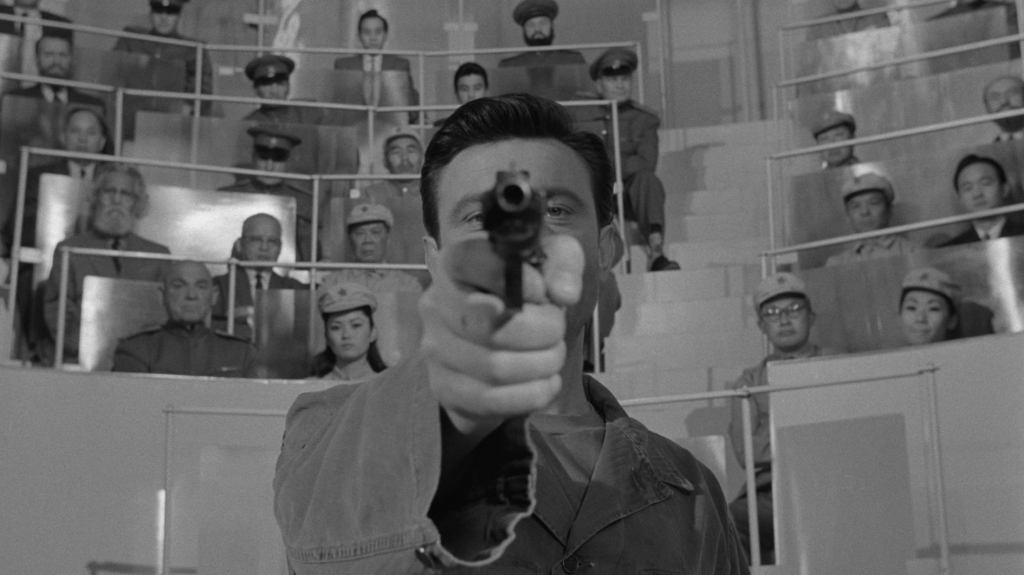
In 2004, The Manchurian Candidate was remade with Denzel Washington cast as the lead that once belonged to Frank Sinatra. The film, which was directed by The Silence of the Lamb director Jonathan Demme, was quite good, but even more unnecessary. That’s because the original 1962 John Frankenheimer version remains a nearly perfect film. It’s chilling, disturbing, and unforgettable, as it tells the story of an American soldier who is captured and brainwashed by Chinese communists before being returned to America on an assassination mission. Released at the height of the Cuban Missile Crisis, when Americans were already on the edge, The Manchurian Candidate did very little to relax Americans’ nerves. And that’s just about the highest praise a thriller can receive.
1. TO KILL A MOCKINGBIRD
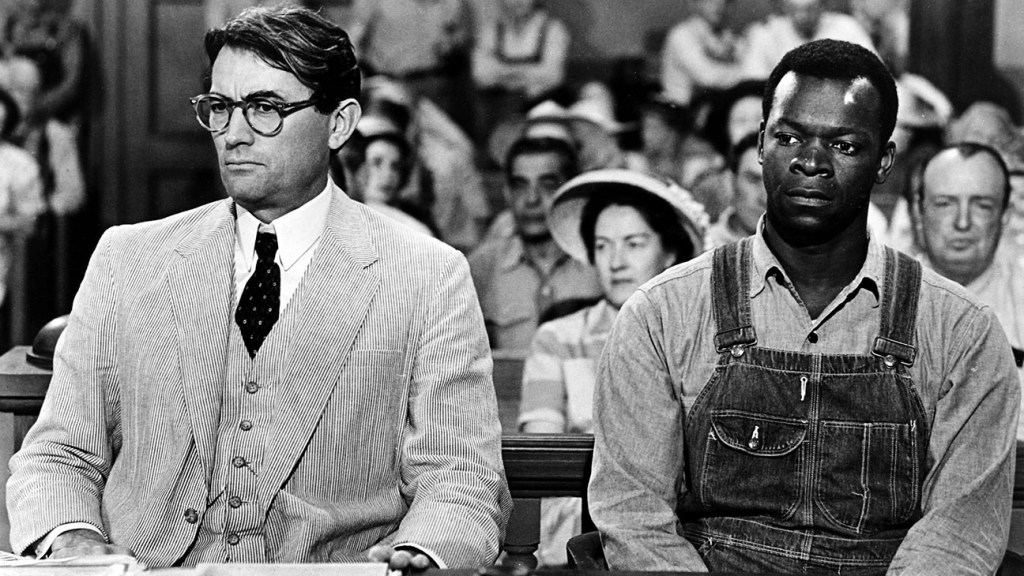
Few American kids make it past junior high without seeing To Kill a Mockingbird in their American Literature class. And although it’s a great film for all ages, Robert Mulligan’s film is so wise and mature that it really needs to be rewatched as an adult. Released in 1962, it was one of the first films to effectively tackle issues of racism in America. Sixty years later, it stands alongside Spike Lee’s Do the Right Thing as the best to tackle the heavy subject. Atticus Finch is a brave lawyer in a small town in Alabama, a fictitious town with racism issues that were all too real, and still are today. He’s a single dad who is determined to raise his children with strong morals and wisdom, and he strongly believes that all people should be treated fairly, so he decides to defend an innocent black man accused of raping a white women, despite the fact that he knows it’s a losing battle. Atticus Finch may lose the case, but there’s no character in the history of cinema that is a bigger winner than Atticus Finch. To Kill a Mockingbird remains a monumental, brilliant film for the ages, and one that easily stands above a very strong 1962 film class.
 Entertainment Yearly