10. GOLDFINGER
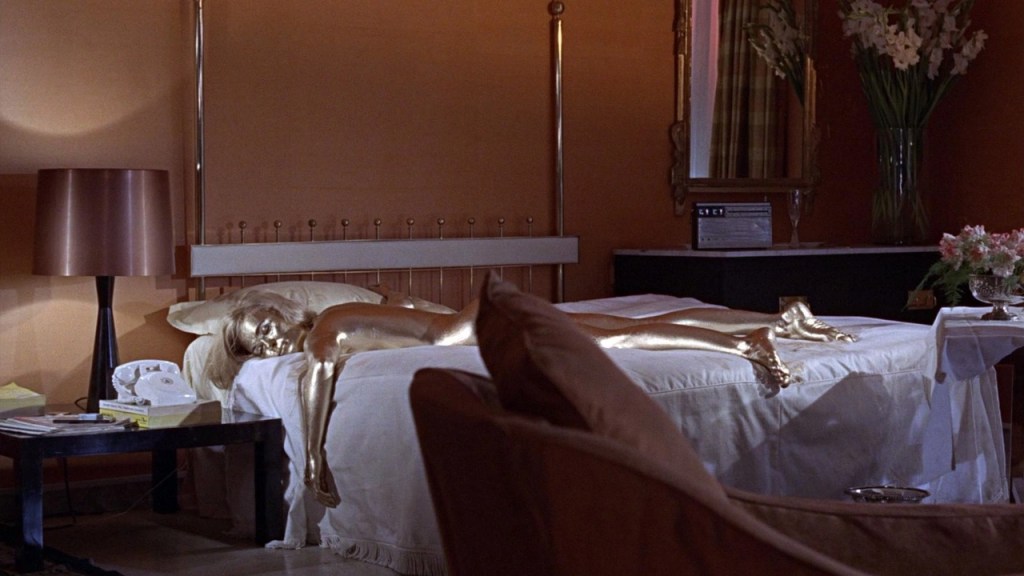
I’ve got something I need to get off my chest: I am not a James Bond fan. When I was in college, my friends would get together and watch a Bond movie once a week. I always managed to skip them. Sure, I can admire some of the Bond films for their entertainment value, but only one has ever made my top 10 list, and that film is what many consider to be the best Bond movie ever made: Goldfinger. Yet, even for me, Goldfinger’s placement in my top ten list says more about the state of films in 1964 than the film itself. Quite simply, films weren’t that original or creative. Goldfinger, the third film in the series, also lacks originality, but it makes up for it in pure entertainment.
9. MY FAIR LADY
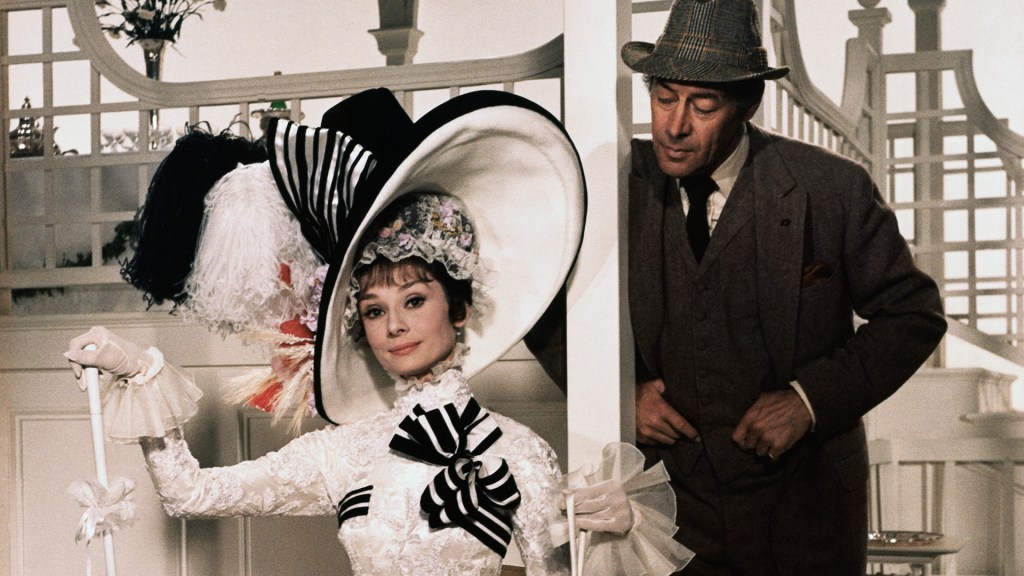
The fact that My Fair Lady won eight Oscars, including Best Picture, really says something about the state of the world in the mid-1960s, especially in a year where Dr. Strangelove was so clearly the best film. Yet, it’s somewhat understandable because who could possibly resist the charm of Audrey Hepburn? Well, the Academy, I guess, who failed to nominate the star. Too bad, because Hepburn makes My Fair Lady work. It’s her, along with Cecil Beaton’s wonderful costume design that makes My Fair Lady a classic still today, nearly sixty years after its release.
8. THE TRAIN
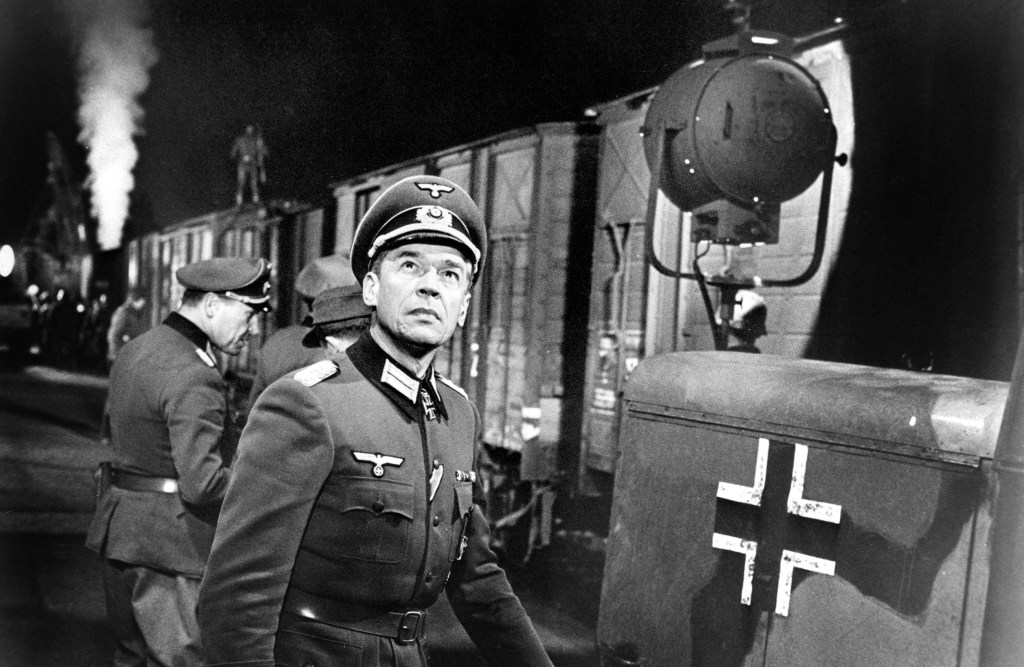
After releasing his masterpiece in 1962 with The Manchurian Candidate, John Frankenheimer followed it up by releasing two very good films in 1964 (although the later would not be released in the States until 1965). The first being the political thriller Seven Days in May and the second, and the better of the two in my opinion, was The Train. It tells the story of a German colonel who desperately wants to bring many of France’s greatest paintings back to Germany during World War II. At its surface, The Train is a WWII thriller, like so many films of its time. But deeper than that, Frankenheimer has managed to tell a story about the importance of art, a virtue than the director himself was very clearly passionate about.
7. THE PAWNBROKER
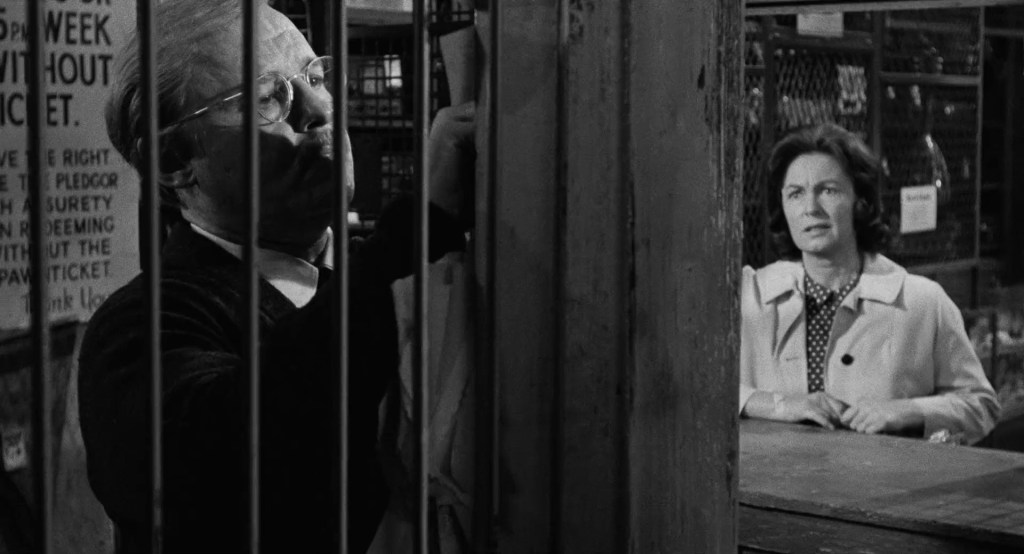
Time may pass, but memories as harrowing as the holocaust for those who lived through it certainly doesn’t. In Sidney Lumet’s first great film, The Pawnbroker,Rod Steiger plays a Jewish holocaust survivor who runs a pawnshop in Harlem many years after his family is murdered by Nazi’s. Daily tasks serve as reminders of what was taken away from him several years earlier. The Pawnbroker isn’t an enjoyable watch, but it is one of the most original and thought-provoking films of 1964. It’s a film that reminds us that the who survived the holocaust, were still far from the lucky ones, as memories torment their mind.
6. A HARD DAY’S NIGHT
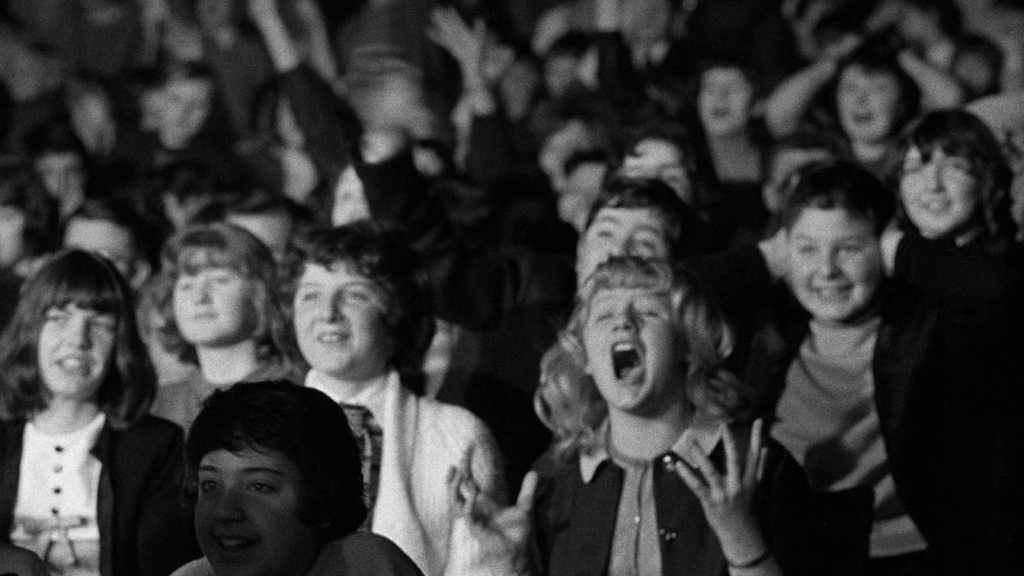
The jokes and story of A Hard Day’s Night doesn’t really work for me. Fortunately, they don’t need to. The real joy of Richard Lester’s film is the musical performances of John, Paul, George, and Ringo. Quite simply, it’s a film that captures the greatest rock band in history making some of their best music, and having a whole lot of fun doing so. That’s not to say that Lester is a slouch either. Along with cinematographer Gilbert Taylor, Lester captures Beatles-mania in beautiful black and white cinematography – with many of the best shots from any movie released in 1964. The Beatles would go on to star in other features that corresponded with their album releases, but A Hard Day’s Night remains their peak cinematic achievement.
5. A FISTFUL OF DOLLARS
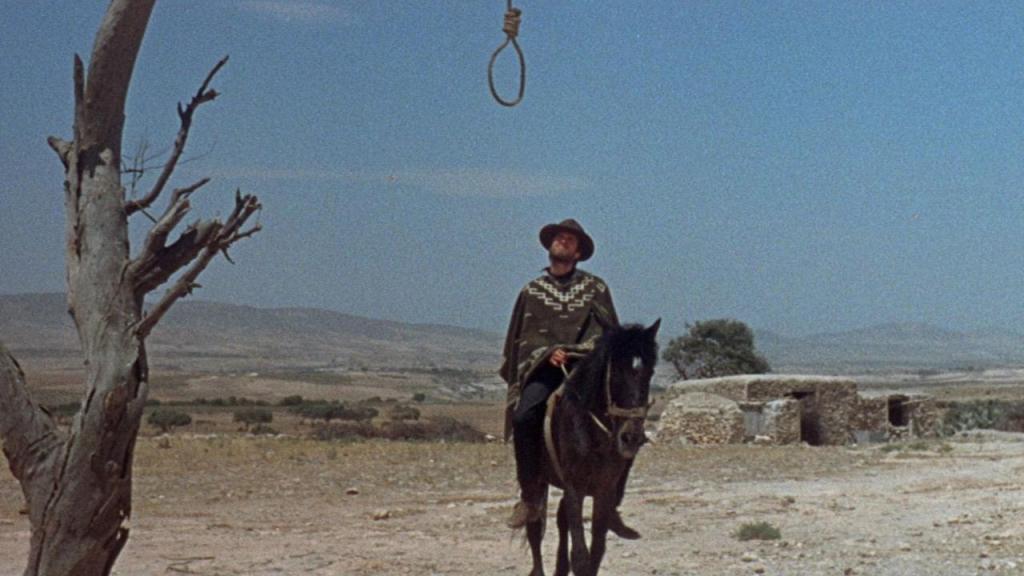
Dressed in stylish cowboy hats and with the toughness of a Marlboro Man, Clint Eastwood was made to be a cowboy. Up until the release of Unforgiven nearly thirty years later, that was never more obvious than in Sergio Leone’s breakout western, A Fistful of Dollars. It also turned Eastwood into a movie star, as the spaghetti western became a big hit in Italy, France, Spain, and finally – in 1967 – in the United States once a studio was willing to take a chance on it. Closely retelling the story of Akira Kurosawa’s Yojimbo, A Fistful of Dollars is neither original or unpredictable, but it is fascinating and very well made. Each shot in Leone’s western is well framed, which is something very few films from 1964 made a priority. Perhaps, that’s why A Fistful of Dollars still has a following today. Or perhaps it’s because it became a blueprint for westerns that followed it, making it still feel remarkably fresh nearly sixty years after its release.
4. MARY POPPINS
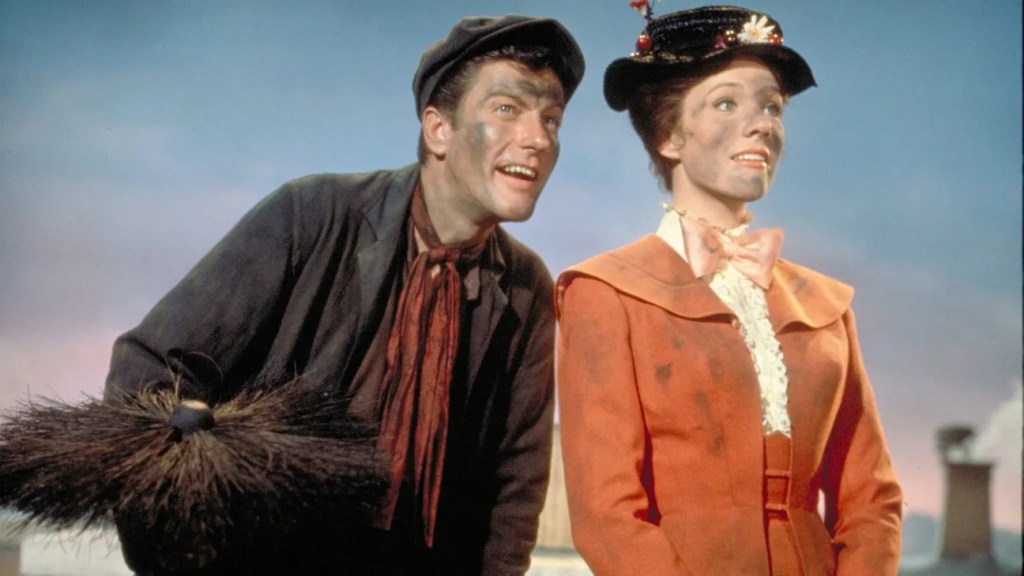
Disney had been making live-action movies since 1950, but it wasn’t until 1964 with Mary Poppins when the studio really struck gold. And by striking gold, I mean they discovered Julie Andrews, who is magical as the nanny who answers the wishes of two neglected children. Quite simply, she’s supercalifragilisticexpialidocious, and she won an Oscar to prove it. As Mary Poppins, she takes the children on adventures that include a carousel horse race and a day in a cartoon-filled park. And she even makes cleaning a messy bedroom fun. Mary Poppins may not be “practically perfect in every way,” as her tape measure states, but with Andrews at the reins, it’s certainly more satisfactory than rum punch.
3. WOMAN IN THE DUNES
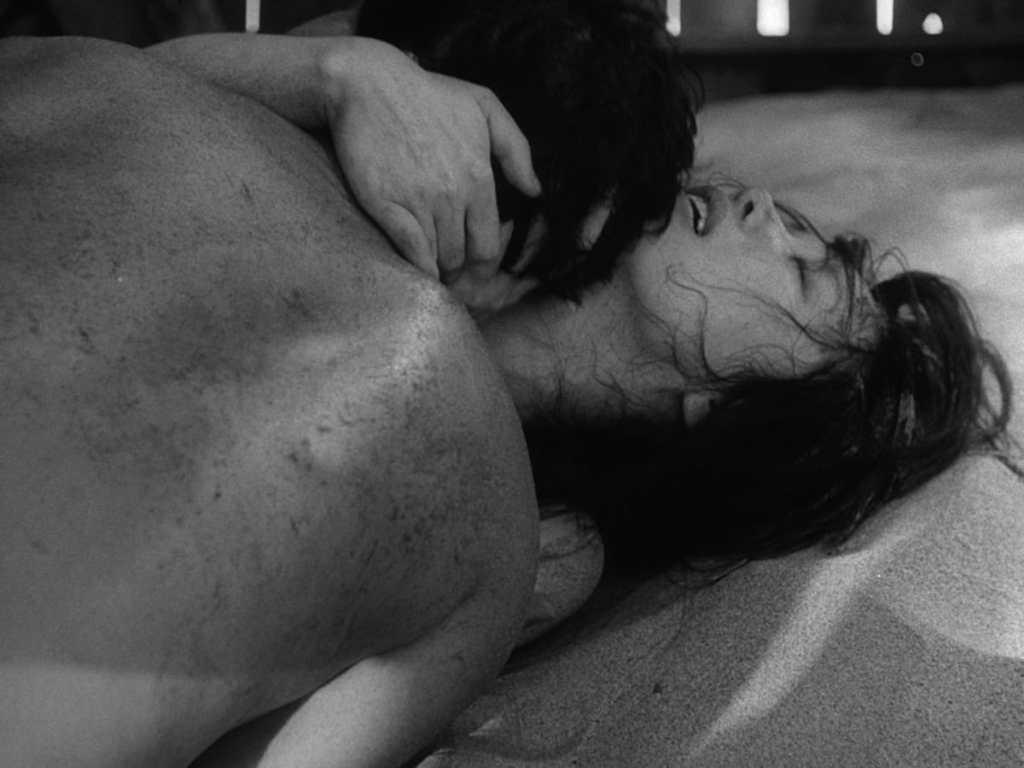
Although it suffers a bit from its 2 ½ hour runtime, Hiroshi Teshigahara’s Woman in the Dunes is a fascinating and unpredictable story that is as engaging as any film that 1964 had to offer. And more importantly than that, it’s unforgettable. Teshigahara was awarded with an Oscar nomination for his strong efforts, as he became the first Japanese director ever nominated. In his masterpiece, he tells the story of a bug collector who gets tricked into living in a dune with a mysterious woman who spends her days shoveling sand out of her house. Woman in the Dunes is clearly unlike any film that came before or after it, and it’s incredibly entertaining for its first two hours. Unfortunately, it doesn’t really seem to know how to end, but in its search, it leaves us with some unforgettable haunting images. Woman in the Dunes was ahead of its time in 1964 and remains a haunting viewing experience nearly 60 years after its release.
2. THE UMBRELLAS OF CHERBOURG
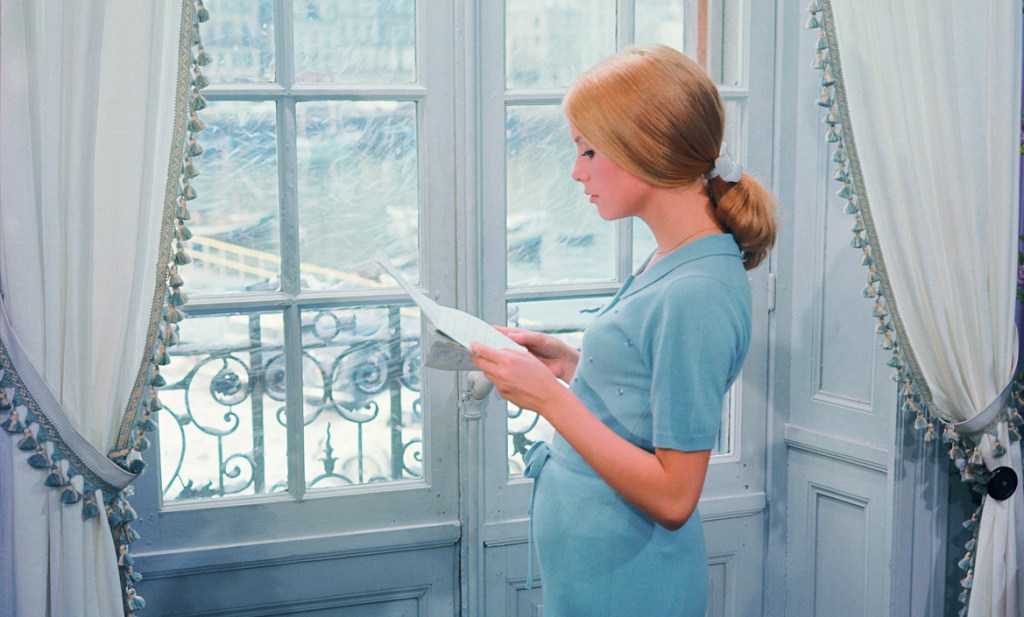
When questioned on The Graham Norton Show about some dirty song lyrics that he wrote, Jamie Foxx replied “It sounds much better when you sing them.” The same may be true for a heartbreaking script – at least The Umbrellas of Cherbourg makes a pretty strong argument that words are lovelier when song. The French musical stars Catherine Deneuve as a young woman who is pregnant with the child of a soldier that she loves but is pressured into marriage by her mother to a wealthy jewelry salesman. But it’s not just the singing that makes Umbrellas glow: each shot is filmed with beautiful art direction and cinematography that stands alongside any other movie made in 1964. With all its beauty, it’s impossible to be sad during The Umbrellas of Cherbourg, even though it’s the most heartbreaking film of the year.
1. DR. STRANGELOVE OR: HOW I LEARNED TO STOP WORRYING AND LOVE THE BOMB
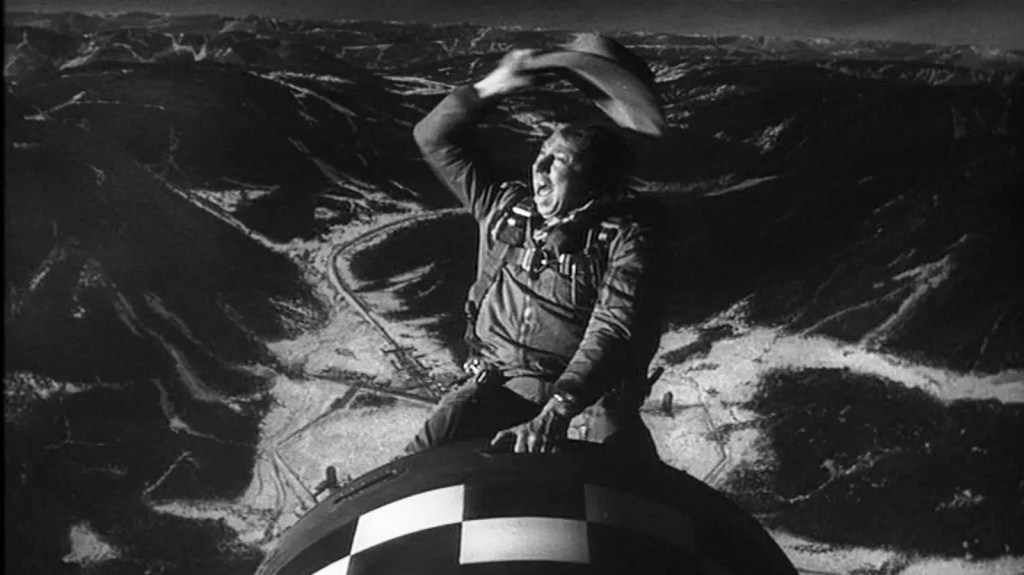
Starting 1964 with Dr. Strangelove and running for the next 16 years, Stanley Kubrick made five straight movies that are often present on the greatest movies of all time lists, including 2001: A Space Odyssey and A Clockwork Orange. However, no other film shows off his chops as a screenwriter better than Dr. Strangelove or: How I Learned to Stop Worrying and Love the Bomb. The latter may be the more appropriate title, as it tells the story of an erroneous bombing attack on the Soviet Union that would lead to destruction of all mankind if it isn’t stopped immediately. Kubrick, who is mostly known for his visually stunning films, shot Strangelove in black and white with very little glamour. Perhaps that’s fitting for a story that is so dark and melancholic. Or perhaps he knew that he didn’t need a Spartacus-sized budget to make something timeless. Dr. Strangelove is the only comedy that Kubrick would ever make. Perhaps because he knew he couldn’t make anything funnier. And there’s a pretty strong argument that nobody else has either.
 Entertainment Yearly