10. THE TRAIN
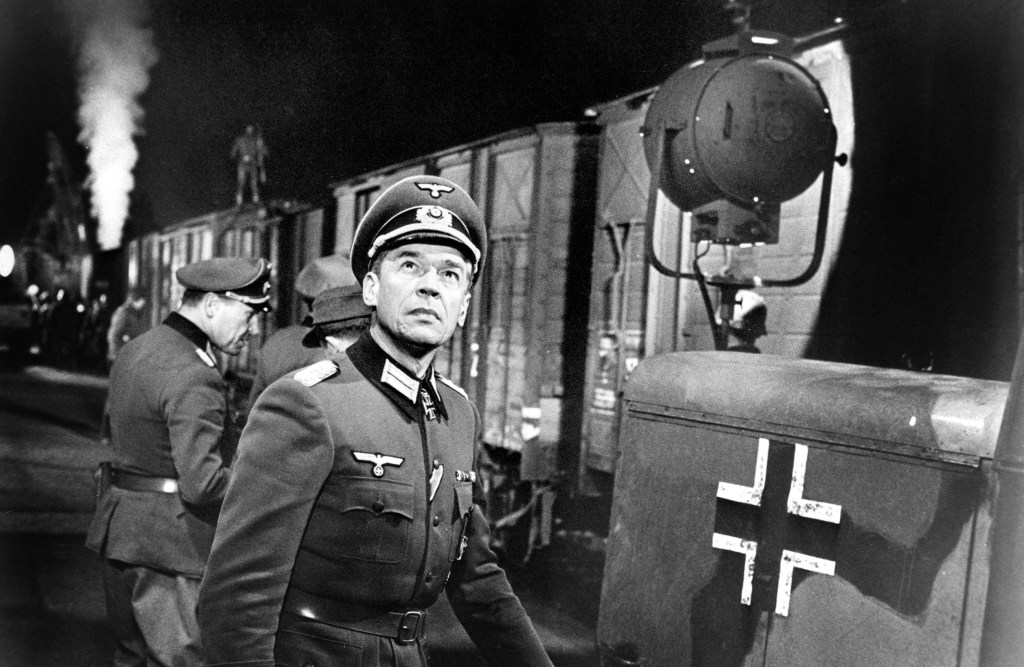
After releasing his masterpiece in 1962 with The Manchurian Candidate, John Frankenheimer followed it up by releasing two very good films in 1964 (although the later would not be released in the States until 1965). The first being the political thriller Seven Days in May and the second, and the better of the two in my opinion, was The Train. It tells the story of a German colonel who desperately wants to bring many of France’s greatest paintings back to Germany during World War II. At its surface, The Train is a WWII thriller, like so many films of its time. But deeper than that, Frankenheimer has managed to tell a story about the importance of art, a virtue than the director himself was very clearly passionate about.
9. THE SPY WHO CAME IN FROM THE COLD
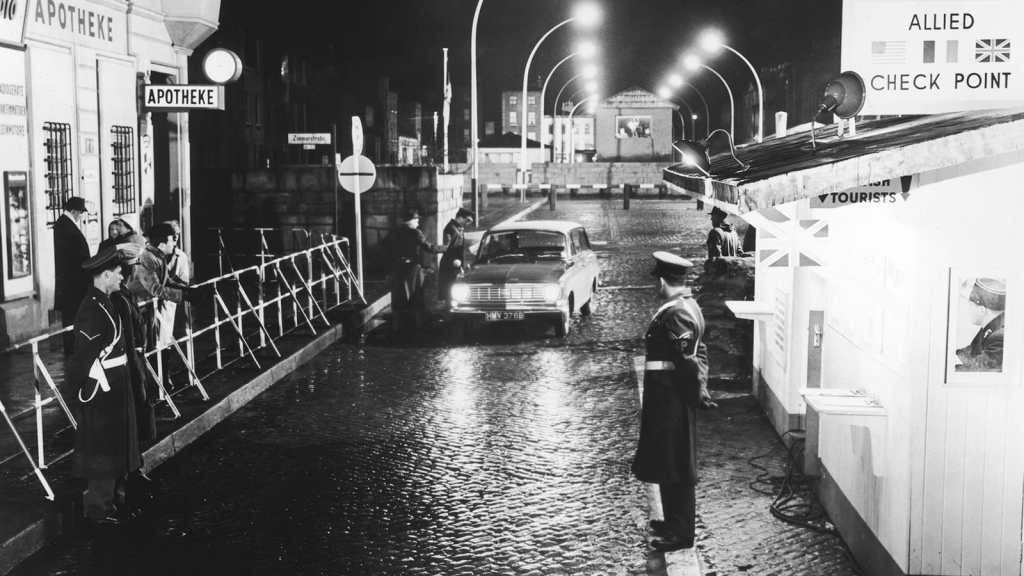
It may have a title that resembles a James Bond movie, but Mart Ritt’s thrilling war drama is far more than popcorn entertainment. Powered by one of the strongest performances of Richard Burton’s career, The Spy Who Came in From the Cold is a political spy film that seems to be inspired by chilling Manchurian Candidate, which was released a few years earlier. Martin Ritt’s film isn’t as unforgettable or perfect as John Frankenheimer’s masterpiece, but it still ranks alongside the best films of 1965.
8. THE KNACK… AND HOW TO GET IT
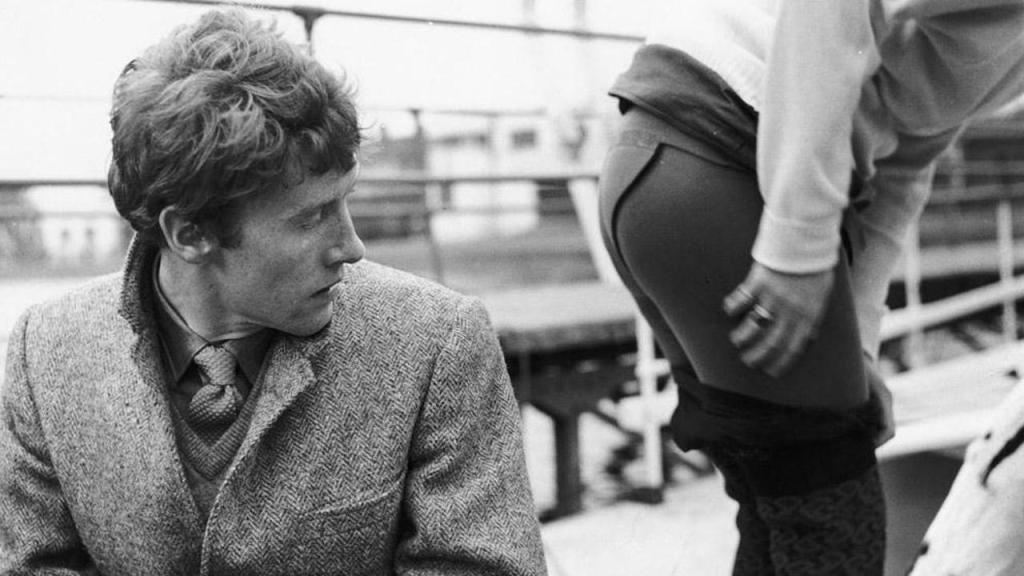
Richard Lester’s follow up to A Hard Day’s Night is missing one thing his previous classic was not: The Beatles. But until it’s damaging final act, The Knack… and How to Get It is funnier and more interesting than A Hard Day’s Night. The final act, which attempts to make rape funny fails miserably, but for most of the film’s swift 84 minutes fly by quickly, with a laugh every few minutes. Risha Tushingham, whose unforgettable face made her the star of A Taste of Honey, gives a standout performance as a girl who takes a break looking for the YWCA to help a few young men carry a bed through the city. The film may wander pointlessly, but in a year with few standouts, it’s the funniest film of the year.
7. THE COLLECTOR
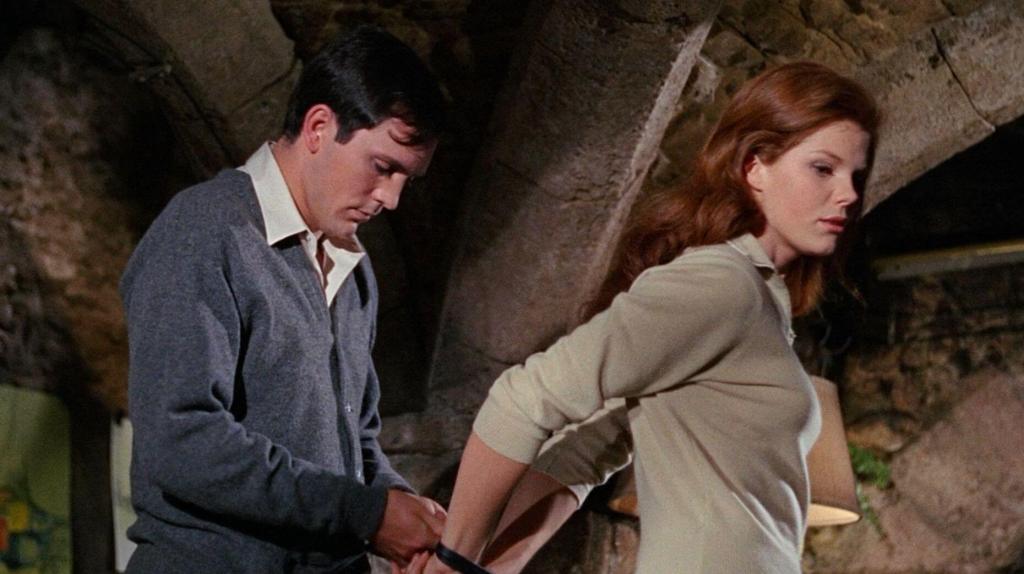
In a year of depressing films, the story of a psychopath who kidnaps a woman in hopes that she will fall in love with him takes the cake for the saddest of the saddest. But, despite not being a fun watch, William Wyler’s dark film is completely unforgettable. It stars Terence Stamp as a young man who becomes obsessed with a beautiful young artist, played by Samantha Eggar. Both performances rank alongside the best of the year, and Eggar was nominated for an Oscar for her role. Wyler, who’s masterpieces include The Best Years of Our Lives, Roman Holiday, and Ben-Hur, has picked a subject far too unlikable for it to become a true classic, yet The Collector is a film that is so chillingly creepy, that it proves that Wyler – like all great directors – was an artist not bound by any genre.
6. PIERROT LE FOU
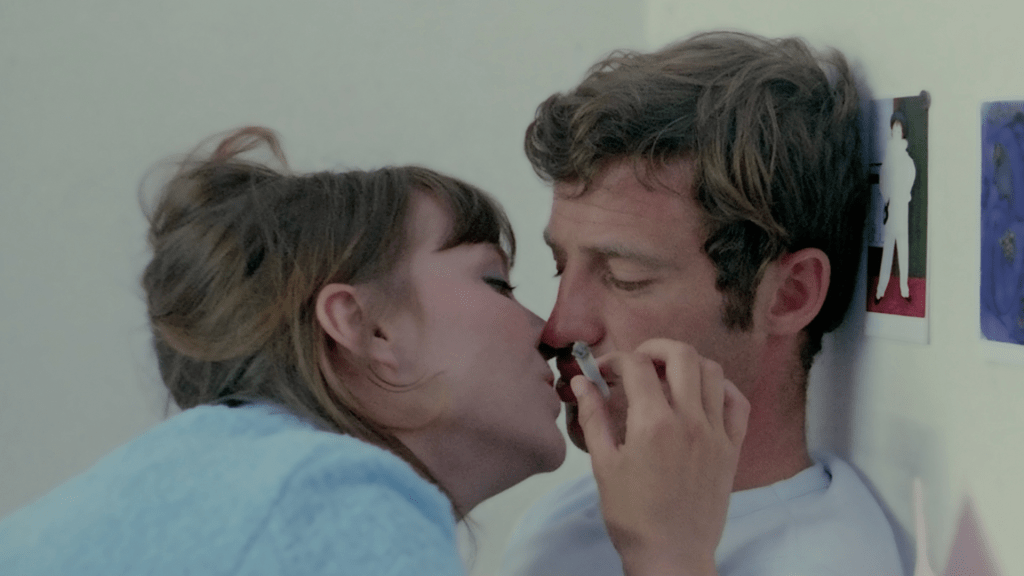
There’s a rather lengthy scene in the middle of Pierrot le Fou where Anna Karina’s character is mocking Asian culture in the most tasteless fashion. It’s just one of the many scenes in Pierrot le Fou that shows how out of touch Jean-Luc Godard was by the mid-sixties. But it’s also that lethal mix of craziness and confidence that makes his film so unpredictively entertaining. Like an early Mulholland Drive, Pierrot le Fou bounces around incoherently for much of it – are the lead characters writing a story that’s being told? Or are they actually living such an odd and unbelievable lifestyle? Either way, Pierrot le Fou is so unpredictable and incoherent, that one can’t help but to call it one of the most fascinating films of the year.
5. DR. ZHIVAGO
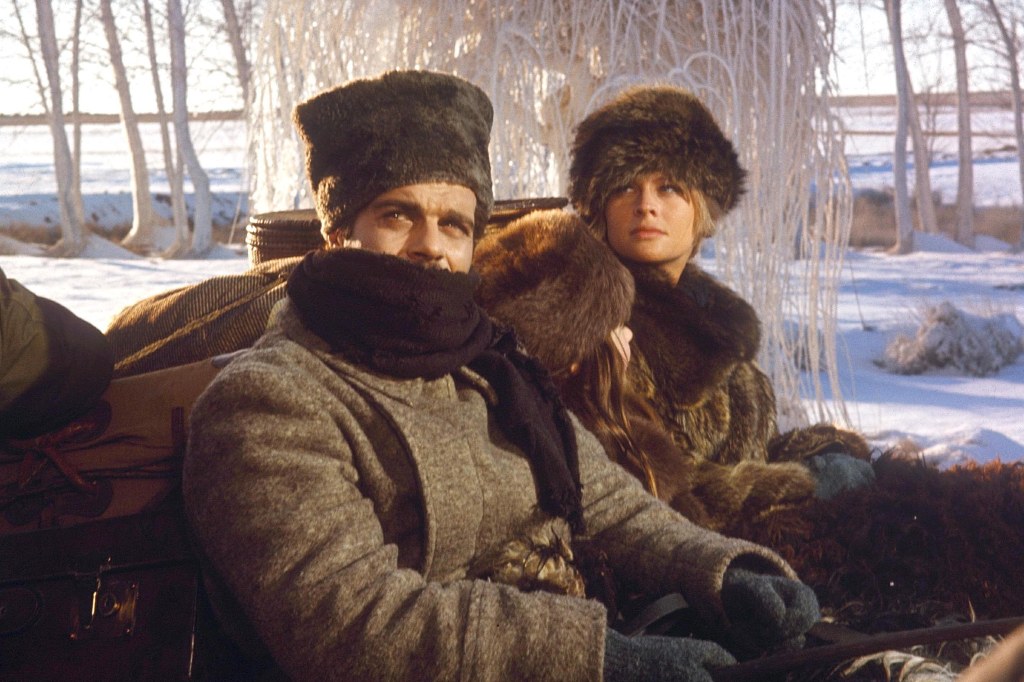
My first attempt to watch Dr. Zhivago was unsuccessful to say the least, as I was far too tired to put up with the film’s 200-minute runtime. On second attempt, however, I discovered that David Lean’s breathtaking story of a Russian poet actually flies by, compared to many other films of similar grander. With its epic landscapes and passionate love stories, Dr. Zhivago is anything but boring, especially with Julie Christie as a married woman that inspired Zhivago’s best work. Most consider Lawrence of Arabia and The Bridge on the River Kwai to be David Lean’s masterpieces. But if you dig deep enough, there’s a pretty strong argument that Doctor Zhivago is almost as good.
4. A PATCH OF BLUE
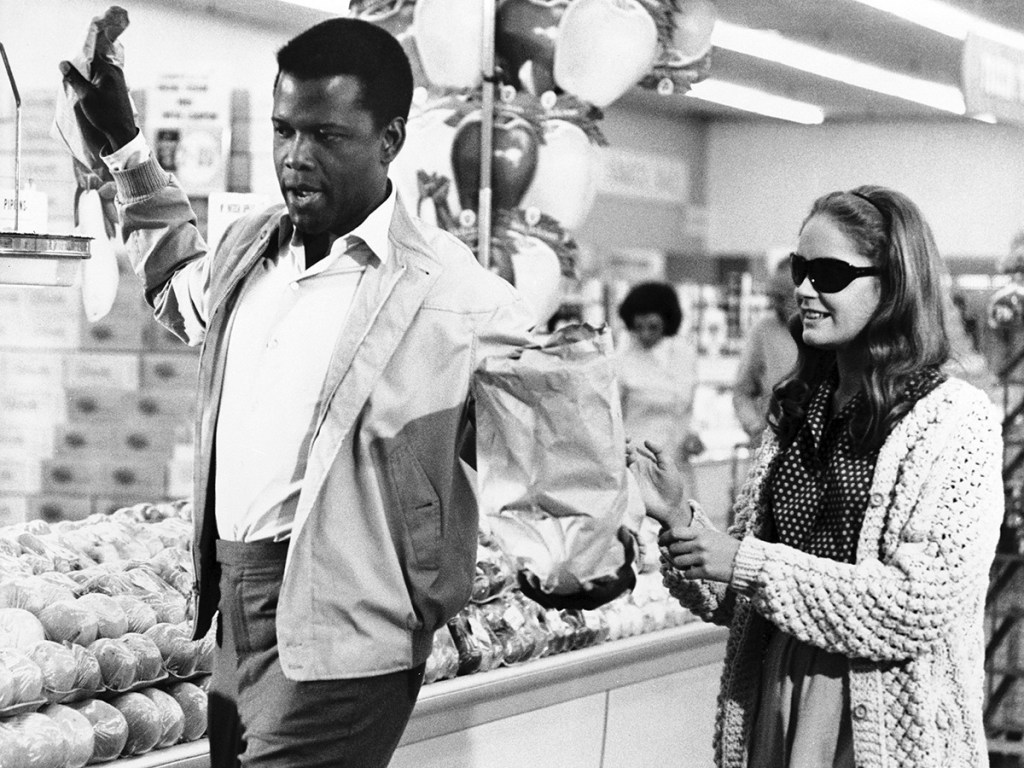
In the early 1960’s, one pretty much needed to be blind to ignore race in America. So much so, that scenes of Sidney Poitier and Elizabeth Hartman kissing was cut from theaters in the Southern States. Although A Patch of Blue would have been better if the film hadn’t been compromised at its release, it is still a very effective and daring film for its time. And furthermore, it remains a very entertaining and important film today. It tells the story of a blind white girl (Hartman) who meets a kind black man (Poitier) at a park and quickly become close friends. Like so many of Poitier’s other films, A Patch of Blue has somewhat been lost in history. But, like Poitier himself, it’s a film that shows the enormous heights that could be reached when race isn’t a barrier to opportunity.
3. THE PAWNBROKER
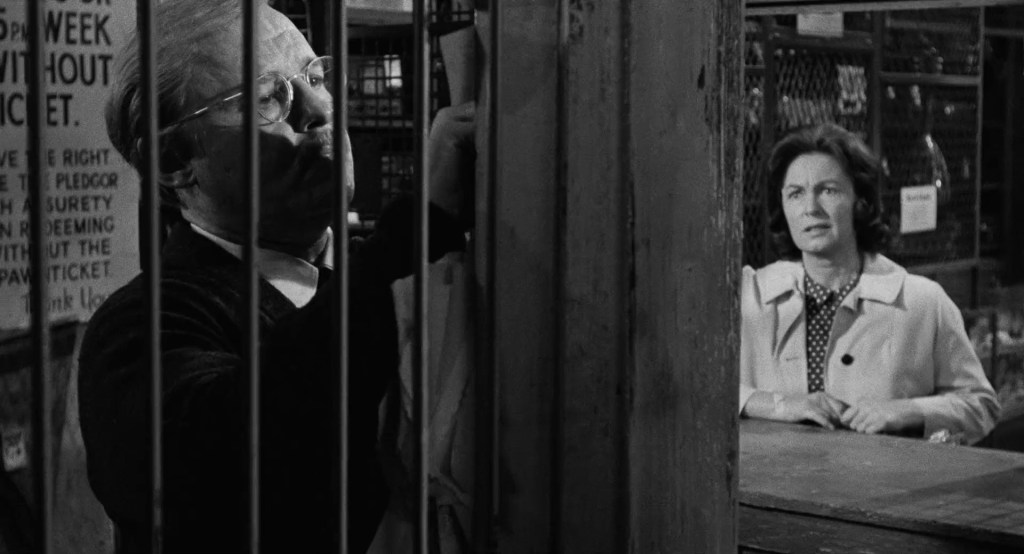
Time may pass, but memories as harrowing as the holocaust for those who lived through it certainly doesn’t. In Sidney Lumet’s first great film, The Pawnbroker,Rod Steiger plays a Jewish holocaust survivor who runs a pawnshop in Harlem many years after his family is murdered by Nazi’s. Daily tasks serve as reminders of what was taken away from him several years earlier. The Pawnbroker isn’t an enjoyable watch, but it is one of the most original and thought-provoking films of 1964. It’s a film that reminds us that the who survived the holocaust, were still far from the lucky ones, as memories torment their mind.
2. A THOUSAND CLOWNS
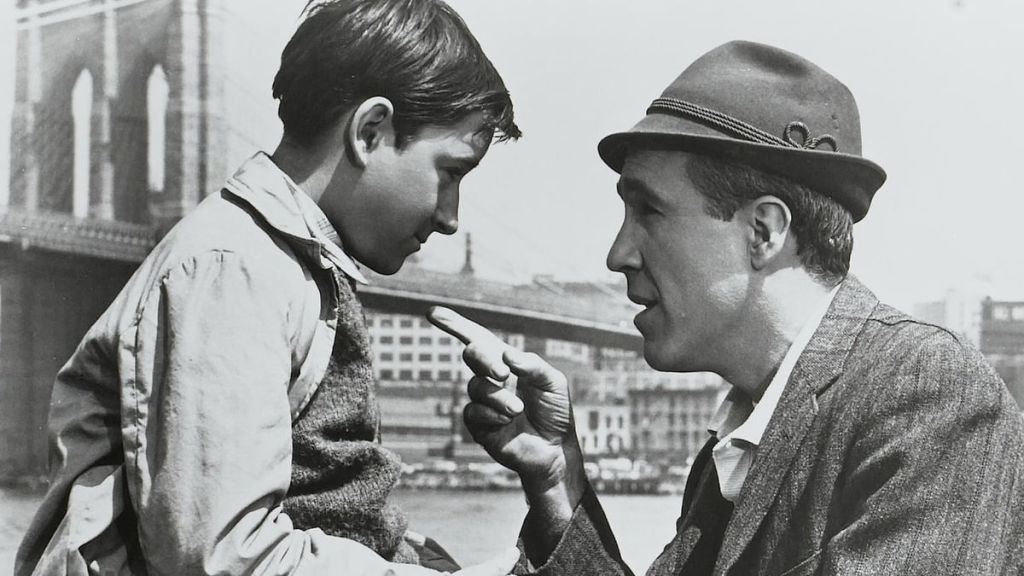
Part of the joy of A Thousand Clowns is how it wanders aimlessly and unpredictably through its swift 118 minutes. It starts out as a buddy film between a 12-year-old boy – currently named Nick – and his unemployed uncle who also happens to be his legal guardian. Then, it turns into a legal drama and a romance before mostly returning to its initial roots. The truth is the film wanders just like its protagonist – Murray, the uncle who has a strong relationship with his nephew, but also some unconventional views that often get him in hot water. I first learned about Jason Robards, the actor who plays Murray, as the dying man in Paul Thomas Anderson’s Magnolia, but it’s so clear in A Thousand Clowns that he had the makings of a great actor well before earning a role in one of Anderson’s masterpieces. In A Thousand Clowns, he’s memorable and energetic, just like the film itself.
1. THE SOUND OF MUSIC
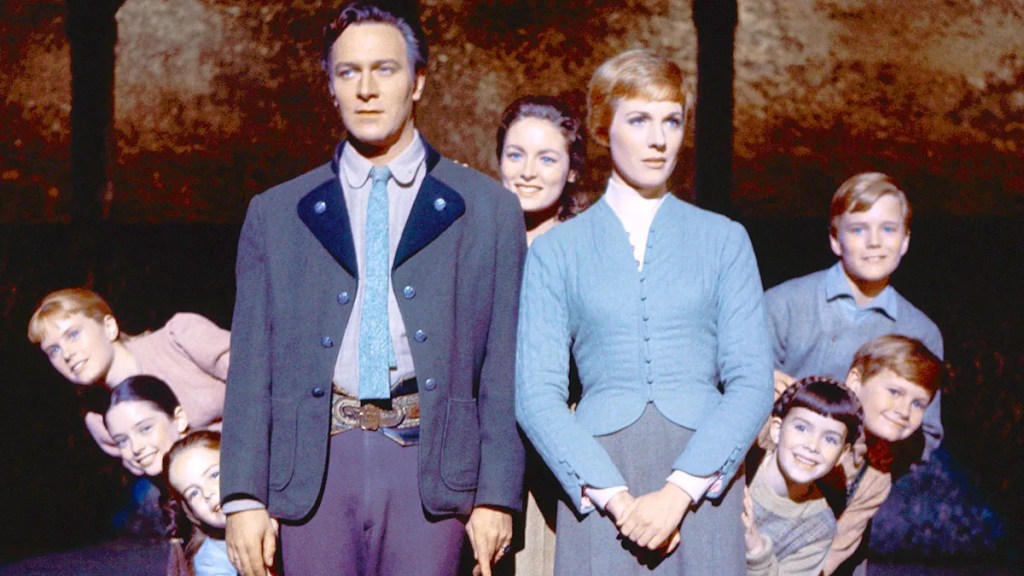
So many Holocaust films focus on the violence and fear surrounding the times. What makes The Shop on Main Street brilliant is that it focuses on a friendship between a poor pushover carpenter and a caring older Jewish woman, who quickly becomes a motherly figure to him. What brings them together? A Nazi order that all Jewish-owned shops be taken over. In telling its story, The Shop on Main Street manages to see the good and morality in people during a time and place where none seemed to exist. It’s a film with enormous heartbreak, but an even bigger heart. It’s also one of the few unforgettable films of 1965.

