10. THE RUSSIANS ARE COMING THE RUSSIANS ARE COMING
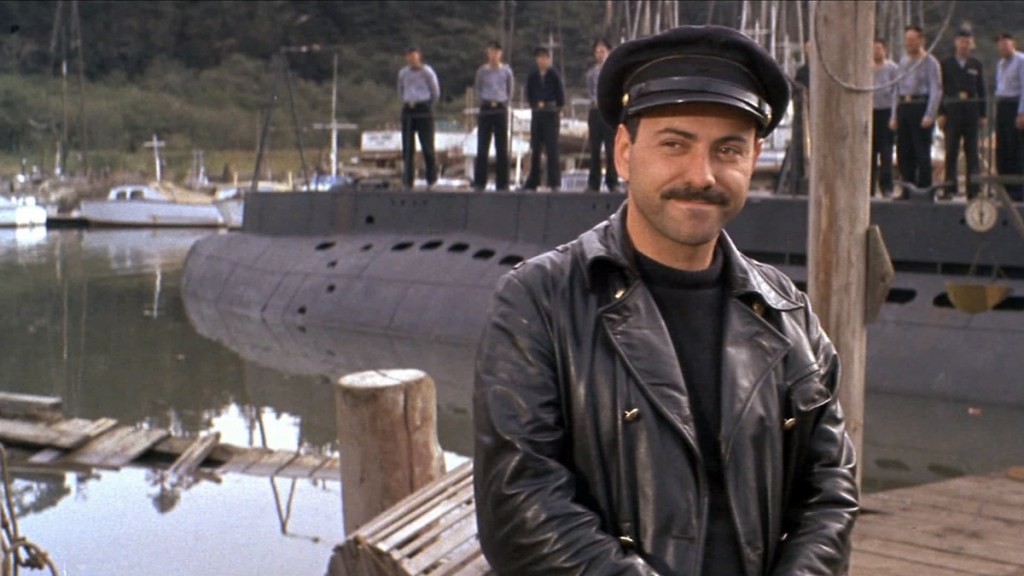
The Russians Are Coming, the Russians Are Coming wants desperately to be the next Dr. Strangelove, and as a political satire, it’s a colossal failure. But if you judge it on its own merits rather than the masterpiece it wishes it were, you might just have a good time. At least I did. And apparently, so did audiences in 1966.
The film was a major commercial hit and even earned a Best Picture nomination. Did it deserve one? Probably not. But in a year with so few truly worthy contenders, why not make room for an entertaining failure? It may lack the razor-sharp wit and biting absurdity of Dr. Strangelove, but at least it has the good sense to be amusing while falling short. After all, how many films are Dr. Strangelove?
9. BORN FREE
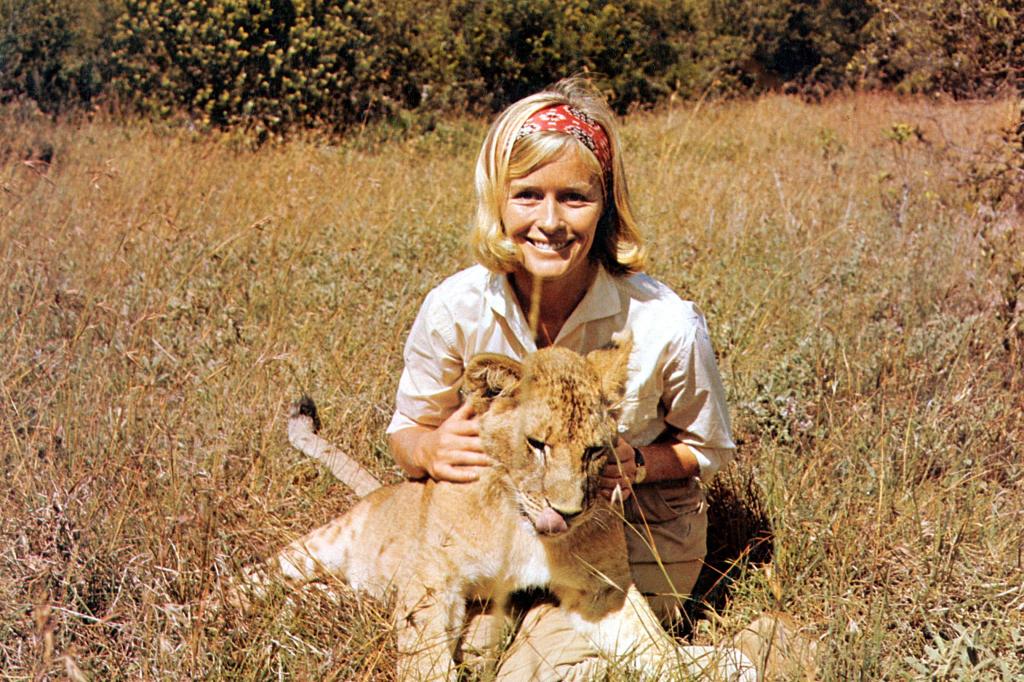
As a child, some of my favorite movie-watching memories involved sitting at my grandparents’ house watching films like Old Yeller — wholesome, family-friendly stories that seemed to belong to a simpler time. Although we never watched Born Free, it feels like the kind of film that would have fit perfectly alongside the dusty VHS tapes Grandma kept tucked away.
The film tells the true story of Joy and George Adamson, who raised an orphaned lion cub named Elsa before eventually releasing her into the wild. It’s an old-fashioned tearjerker in the best sense of the word, built around the kind of emotional connection between humans and animals that transcends age and experience. Whether you’re an animal lover or not, Born Free has a way of tugging at your heartstrings. And while I may have missed it during those childhood visits, it feels right at home among the family classics I remember so fondly.
8. A MAN AND A WOMAN
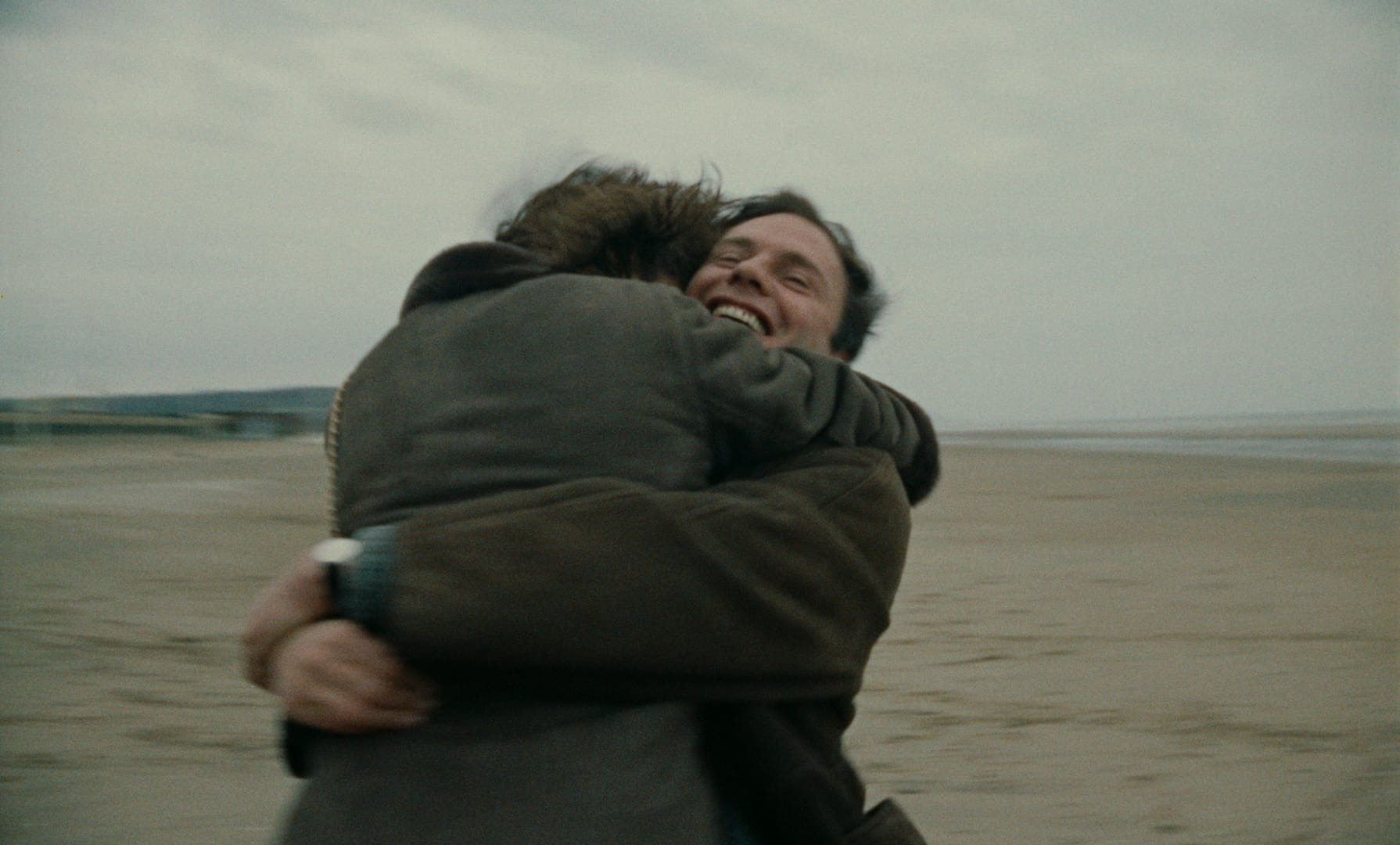
The story is simple enough: two widowed parents strike up a connection while dropping their children off at school. But there’s nothing simple about the structure, visual design, or dreamy atmosphere Claude Lelouch brings to A Man and a Woman. The film is less interested in rushing its romance forward than in letting us soak in the fleeting moments, awkward pauses, and unspoken emotions that make falling for someone feel so magical.
In many ways, A Man and a Woman feels like the Before Sunrise of the 1960s, if Before Sunrise were French and placed even greater emphasis on cinematography and style over conventional storytelling. It’s a film that understands romance isn’t always about what people say to each other, but how they look at each other, what they leave unsaid, and the atmosphere that surrounds them. Sometimes, a little chemistry and a great camera are all you need.
7. AU HASARD BALTHAZAR
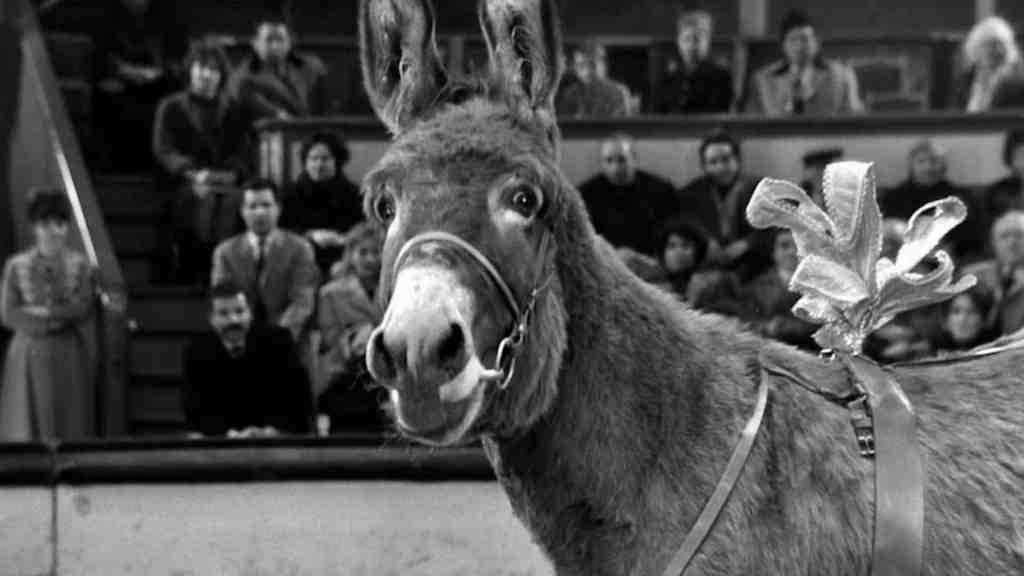
Some argue that Robert Bresson’s tale of a donkey’s life is one of the seven greatest films ever made, let alone the seventh-best film of 1966. I’m glad it means that much to some people, but for me, it falls firmly into the good rather than great category.
Bresson tells his story with remarkable speed, and at just over 90 minutes, the film is never boring. In a year with relatively slim pickings, that’s enough to make it one of the year’s best. But when a film is routinely presented as an essential, life-altering experience, the reality can be a little underwhelming. Au hasard Balthazar is a profoundly bleak meditation on human cruelty, and while I appreciate what Bresson is trying to say, I’m not sure I need an entire film to convince me that people can be terrible to one another. Maybe that’s my problem: I prefer my cinema to leave me with at least a little faith in humanity, rather than making me want to apologize to every donkey I’ve ever encountered.
6. HARPER
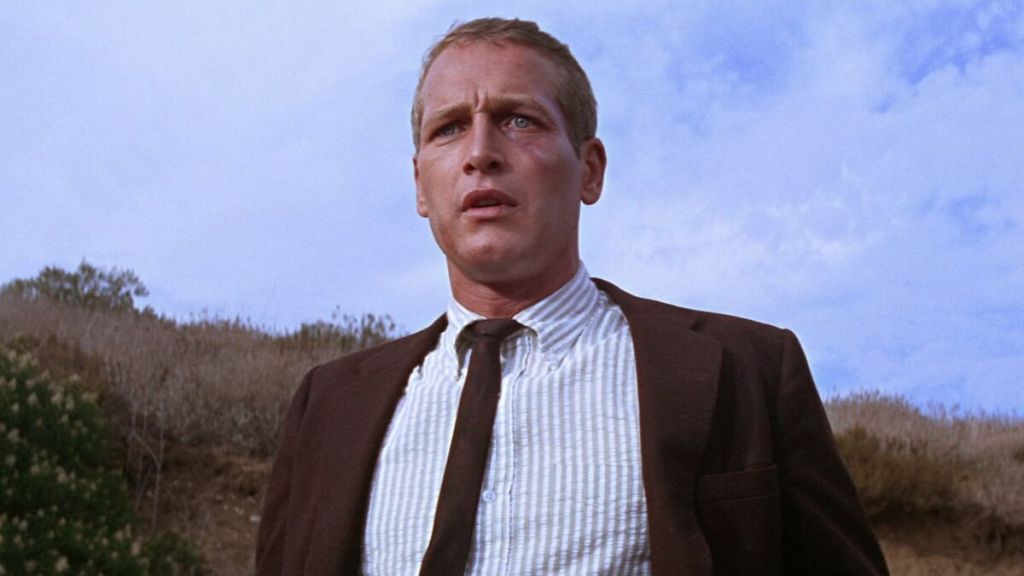
I went into Harper with relatively low expectations, which may have been a mistake for a film starring Paul Newman. Then again, perhaps that’s exactly why I enjoyed it so much. Newman is effortlessly cool as Lew Harper, a private investigator hired by a collection of wealthy weirdos in Southern California. He has the kind of screen presence that makes you happy to follow him anywhere, even when the mystery itself isn’t particularly gripping.
In some ways, Harper feels like a mini-Chinatown, which is especially interesting given that it arrived eight years earlier. It makes you wonder whether Robert Towne drew inspiration from William Goldman’s screenplay, or whether both films were simply tapping into the same desire to bring the classic Hollywood detective story into the modern era. At the very least, Harper feels like an important stepping stone between the old-school noir and the more cynical, morally murky detective films that followed. Chinatown may have perfected the formula, but Newman helped show just how cool the modern private eye could be.
5. SECONDS
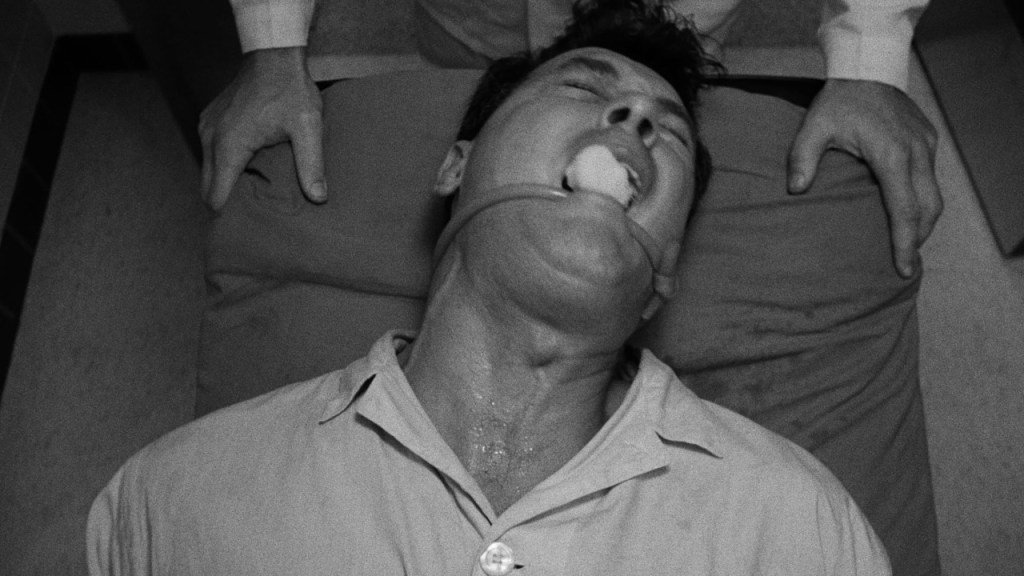
Back in 1966, John Frankenheimer’s Seconds was met with boos at the Cannes Film Festival. Sometimes, that’s a bad sign. Other times, it just means the audience isn’t ready for something this original. In my opinion, Seconds falls firmly into the latter category.
And how could they have been prepared? Audiences likely arrived knowing little about the plot, expecting the usual Rock Hudson fare. Instead, they got a psychological nightmare filled with disorienting camera angles, unsettling imagery, and a story about a man who goes to extraordinary lengths to acquire a new identity. It’s less the sort of film you casually enjoy than one that crawls under your skin and makes itself at home.
Seconds certainly isn’t for everyone, but if you come prepared for something dark, disturbing, and wildly original, you’ll find one of the best films of the year. Cannes audiences may have booed it, but sometimes the crowd needs a few decades to realize what it was watching.
4. WHO’S AFRAID OF VIRGINIA WOOLF?
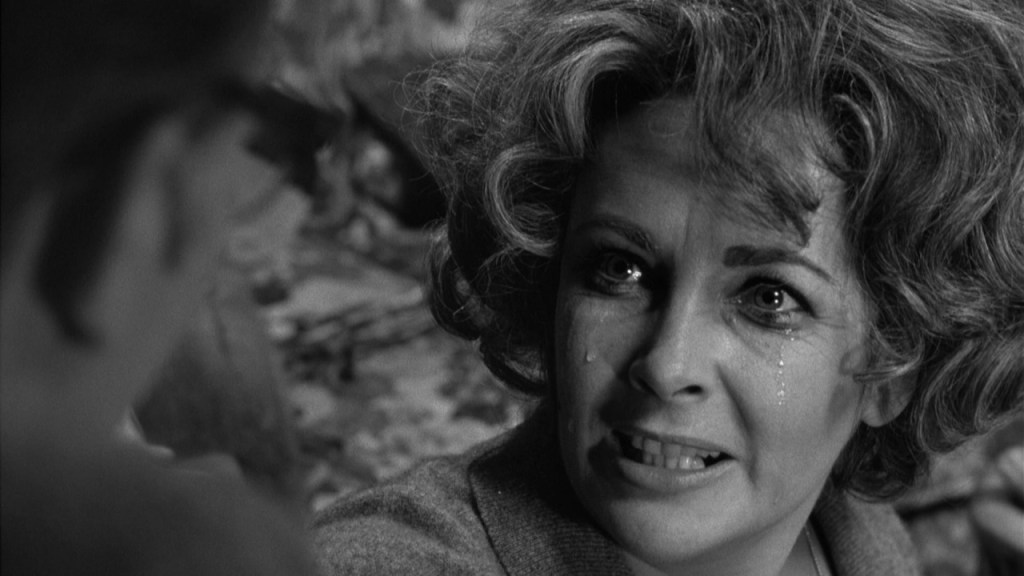
By the time Mike Nichols made his feature-film debut with Who’s Afraid of Virginia Woolf?, he was already a major star. Having established himself through his celebrated comedy partnership with Elaine May and a string of acclaimed Broadway productions, Nichols had built the kind of résumé that would make most first-time filmmakers feel woefully underqualified. It was hardly surprising, then, that his arrival in Hollywood would make such a splash.
Who’s Afraid of Virginia Woolf? went on to earn 13 Oscar nominations, winning five, while Nichols was hailed by one publication as “the new Orson Welles.” Not a bad way to kick off a film career. Today, it’s easy to see why critics and audiences were so taken with Nichols’s debut. It’s daring, sophisticated, and utterly unafraid to make its audience uncomfortable. More importantly, it feels like one of the defining films in the transition from Old Hollywood to New Hollywood, announcing a new era of American filmmaking with the confidence of a director who apparently decided that making a first film wasn’t nearly ambitious enough.
3. THE GOOD, THE BAD AND THE UGLY
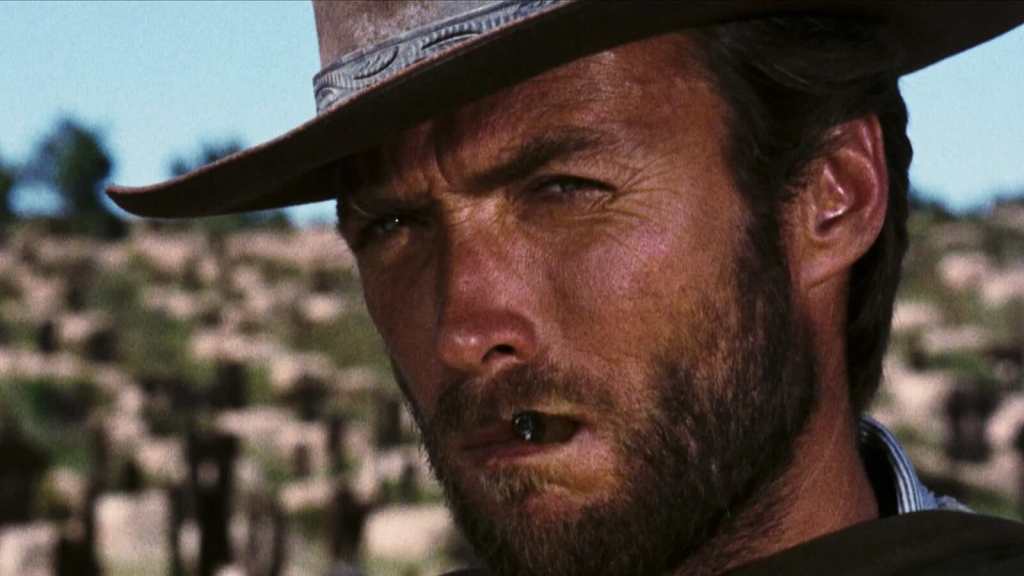
The western genre hasn’t evolved as much as other genres. It seems most comfortable sticking to its familiar roots of good guys vs. bad guys, and its inability to transform with the times has made the current genre stale.
But that wasn’t the case back in 1966 when Sergio Leone created an Italian western that redefined the genre and created the blueprint that remains today. It also expanded the stardom of Clint Eastwood, who broke out in Leone’s A Fistful of Dollars a couple years earlier.
Today, The Good, the Bad and the Ugly remains a favorite both between critics and the general public, and it still blows my mind that it remains ranked 11th in IMDb’s top 250 films. Not because it’s not deserving – but more so that the general public would have such great taste to honor this film 70 years later.
2. THE SHOP ON MAIN STREET
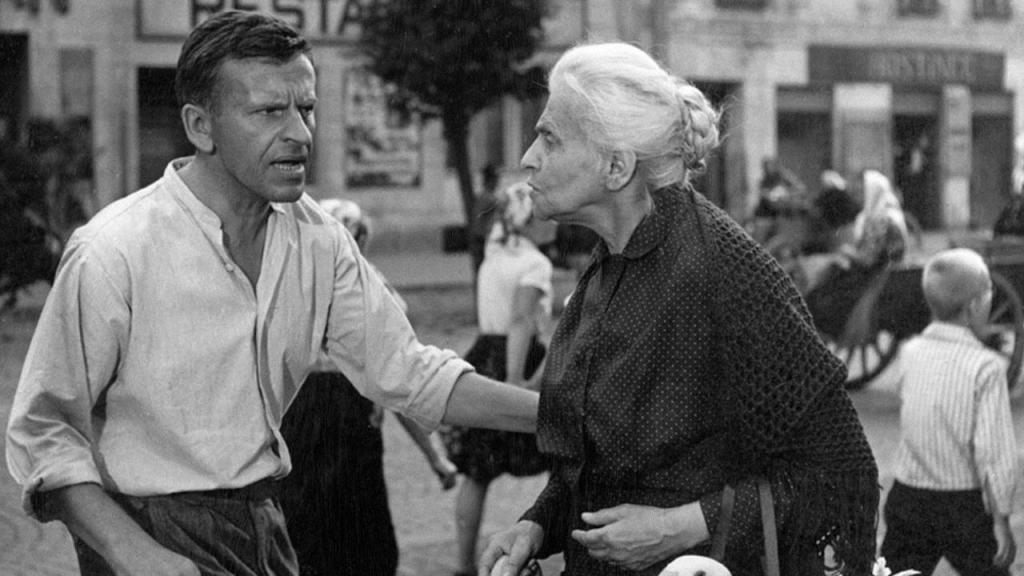
So many Holocaust films focus on the violence, cruelty, and terror of the era. What makes The Shop on Main Street so brilliant is that it finds a deeply human story amid all that darkness: an unlikely friendship between a poor, well-meaning pushover of a carpenter and a kind older Jewish woman who gradually becomes a motherly figure to him. What brings them together? A Nazi order requiring Jewish-owned businesses to be taken over by non-Jews. It’s a cruel twist of circumstance that gives rise to an unexpectedly touching relationship. In telling their story, The Shop on Main Street finds goodness and humanity in a time and place where both seem all but extinguished. It’s a film with enormous heartbreak, but an even bigger heart.
1. BLOW-UP
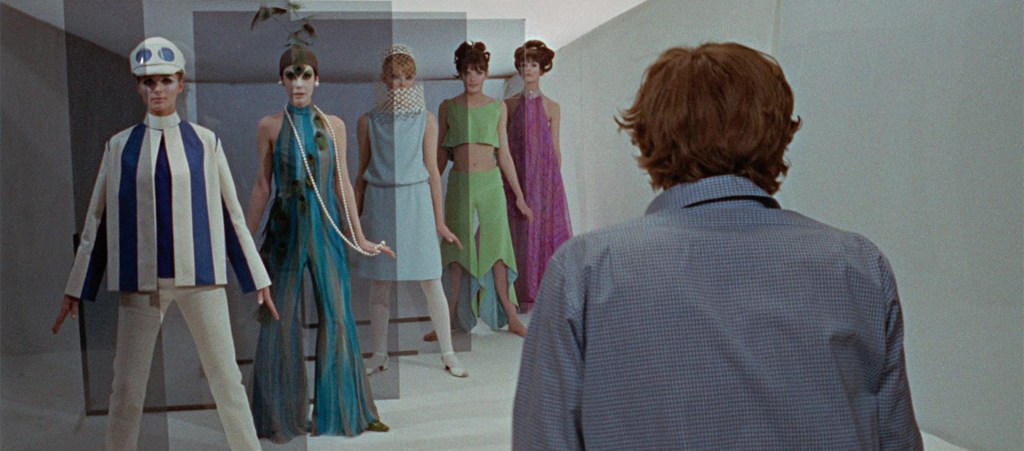
There’s an early scene in Blow-Up where the renowned photographer, known to us simply as Thomas, conducts a photoshoot with Veruschka. It was in that moment that I realized Blow-Up was a masterful film, unlike anything I’d seen before.
In many ways, Michelangelo Antonioni’s Blow-Up feels like a film that modernized cinema, with its stunning cinematography, bold sexuality, and unconventional approach to storytelling. But what makes it so great is that Antonioni understands something many filmmakers don’t: a plot can take a backseat, but it can’t take a nap. Blow-Up may be light on conventional storytelling, but it’s never short on intrigue. It follows Thomas as he discovers that a seemingly ordinary stroll through the park may have led him to photograph a murder. What begins as an uneventful afternoon shoot becomes something potentially life-changing. In a way, that’s exactly what watching Blow-Up was like for me.

