10. NIGHT OF THE LIVING DEAD
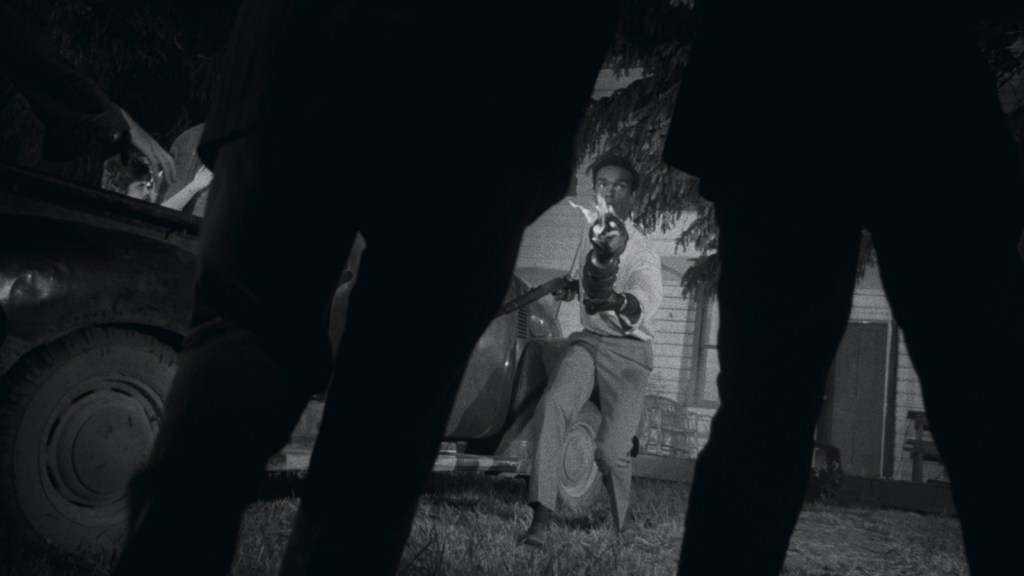
Years before The Blair Witch Project, George A. Romero’s frightening and gruesome cult classic, Night of the Living Dead, demonstrated the enormous box office success that a low budget horror film could have. Made for a little over $100,000. Night of the Living Dead grossed approximately $30 million dollars throughout the years, by playing at Saturday afternoon matinees. Critics at the time had mixed feelings about Living Dead – many felt that its violence was disgusting and unnecessary. Others, likely, did not like its ultra-low budget feel. Now, however, critics and scholars are able to see it for what Living Dead actually is: one of the scariest and most influential horror films in the history of cinema.
9. PETULIA
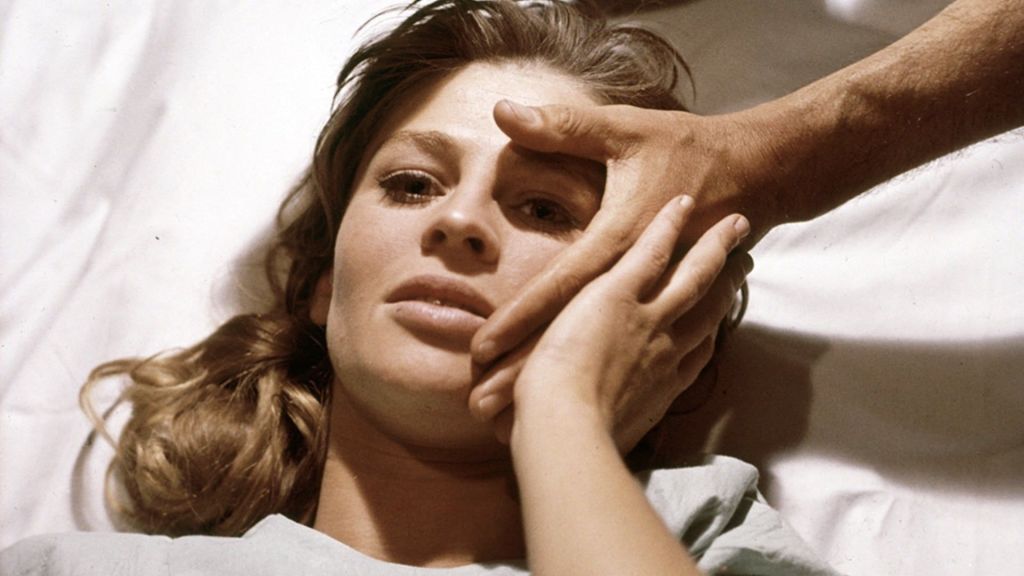
Between Vietnam and a slew of assassinations, 1968 wasn’t a particularly happy time for America, and the mood was reflected in many of the year’s best films. Yet, perhaps no film of 1968 was quite as sad as Petulia, the story of an unhappily married wife (Julie Christie) of an abusive husband who finds solace in a divorced doctor (George C. Scott). Christie, whose career took off just a few years earlier as the love interest in Doctor Zhivagio, would go on to become one of the most accomplished actresses of the 1970s. Meanwhile, George C. Scott would earn his most recognized roll just two years later, when he landed the title role of General George S. Patton. Petulia remains a major stepping stone in both actors’ success, as it should with a film that is so wonderfully acted and emotionally draining.
8. YELLOW SUBMARINE
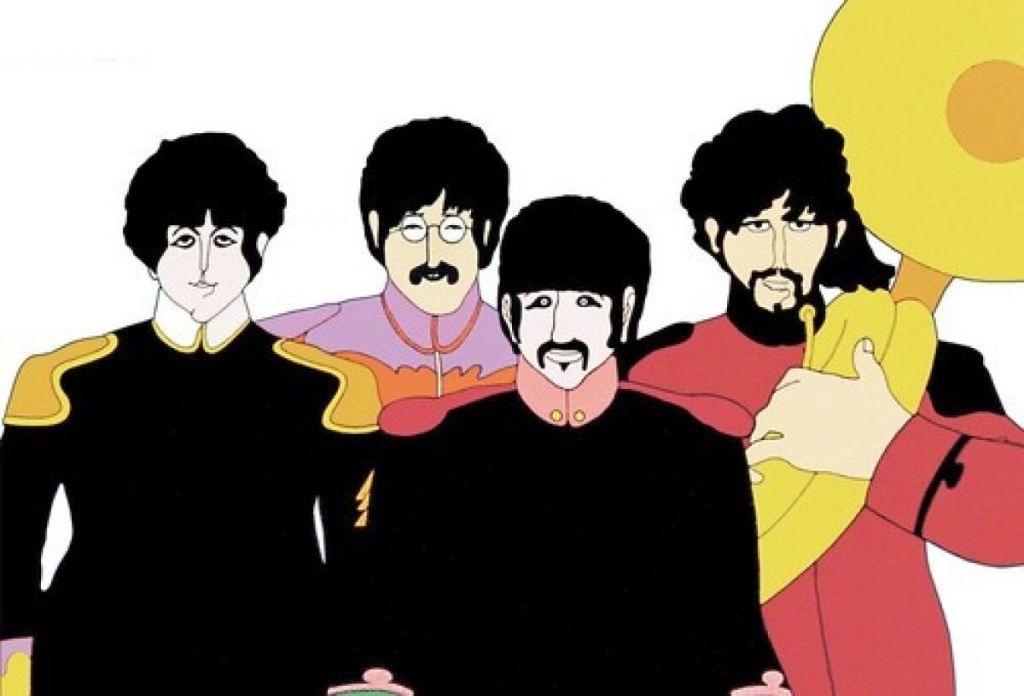
Forget the poorly-aged puns and the bizarre storyline; the real treats of the Yellow Submarine are the trippy landmark animation and the timeless music from the greatest band that’s ever lived. Sure, Yellow Submarine isn’t one of their best albums, yet it’s quite possibly one of the five best musical soundtracks of all time anyways. Yellow Submarine takes us on an unforgettable trip and captures the wild creativity of a band whose enormous talent will never again be matched.
7. ROSEMARY’S BABY
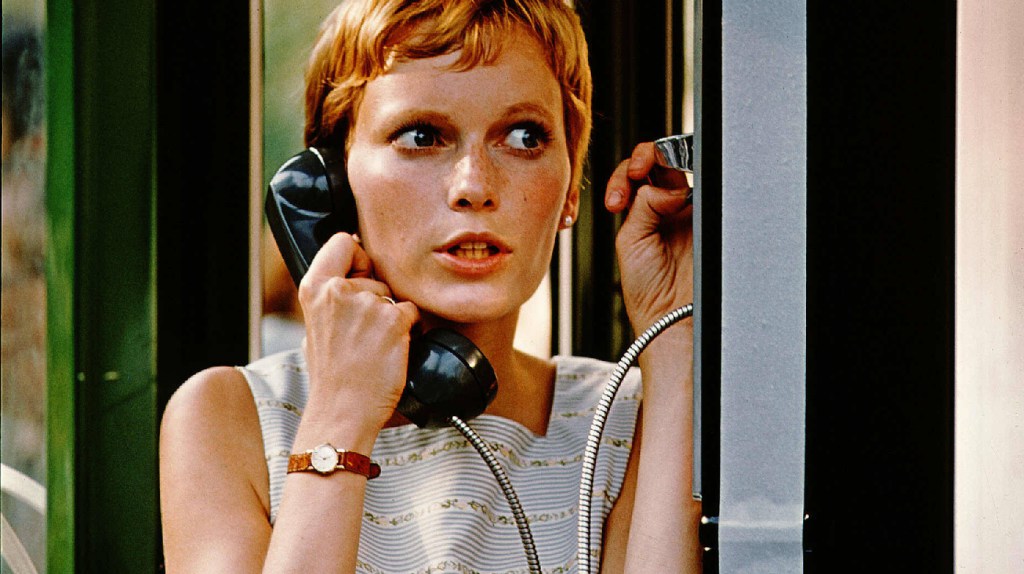
Any serious list of the greatest horror movies ever made will have Rosemary’s Baby in the number two spot, typically just behind one of Alfred Hitchcock’s many masterpieces, Psycho. And rightfully so. Rosemary’s Baby isn’t a film that’s easy to enjoy, but it’s absolutely impossible to shake as Mia Farrow plays an expecting mother who begins to suspect that her baby might be the son of Satan. Released just a year before director Roman Polanski’s wife was murdered by Charles Manson’s Satan-worshiping clan, Rosemary’s Baby has an even more disturbing feel than it likely had at the time of its release. Chilling in its vibes and thrilling in its production, Rosemary’s Baby remains one of the greatest horror films ever made even today.
6. CHARLY
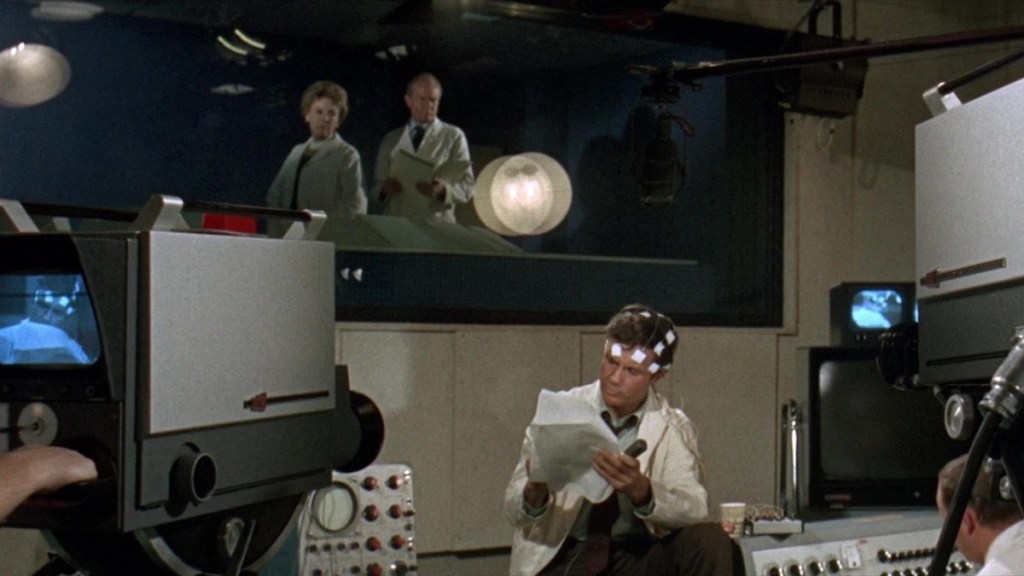
Taking a page from the creativeness of The Twilight Zone, Charly tells the story of a mentally handicapped man who is turned into a genius after receiving a breakthrough drug that alters his mind. Cliff Robertson, in the starring role, surprised enough people with his performance to win the Best Actor Oscar, but the real treat of Charly is its fun, unpredictable screenplay that takes a twist when the drugs begin to wear off. This is a smart film for smart people; if you don’t fit that bill, consider getting your hand on some of those drugs Charly took before you hit the play button.
5. THE LION IN THE WINTER
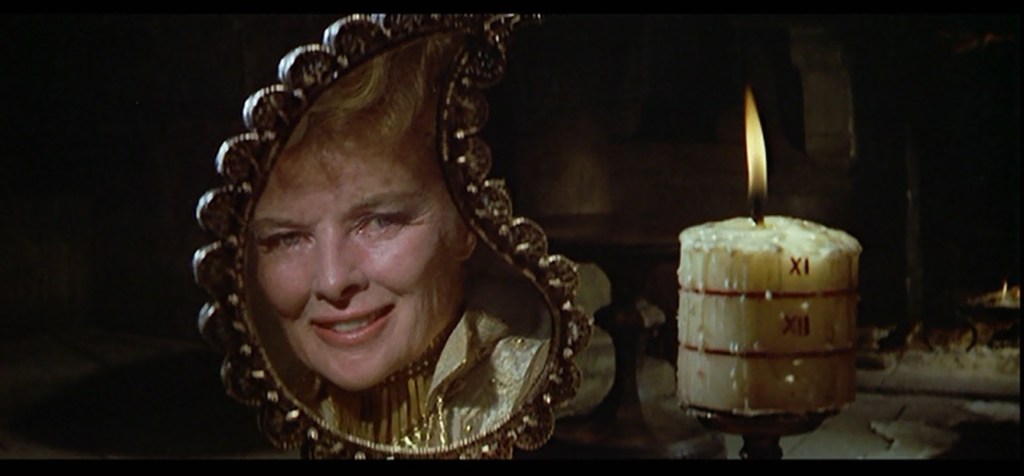
Perhaps most notable as the film that brought Peter O’Toole and Katherine Hepburn together, The Lion in the Winter was arguably the most acclaimed film of 1968 at the time of its release, and not simply because of its star power. This is a film that is perfect in so many ways – from the performances from Hepburn and O’Toole to the smart script that adds humor to the story of King Henry II and his greedy sons. The film easily could have swept all five major Academy Awards, but Oliver and Charly’s Cliff Robertson proved too popular for that feat. Although Stanley Kubrick’s brilliant 2001: A Space Odyssey should have prevented such a feat, neither Charly nor Oliver have aged quite as gracefully as The Lion in the Winter.
4. SHAME
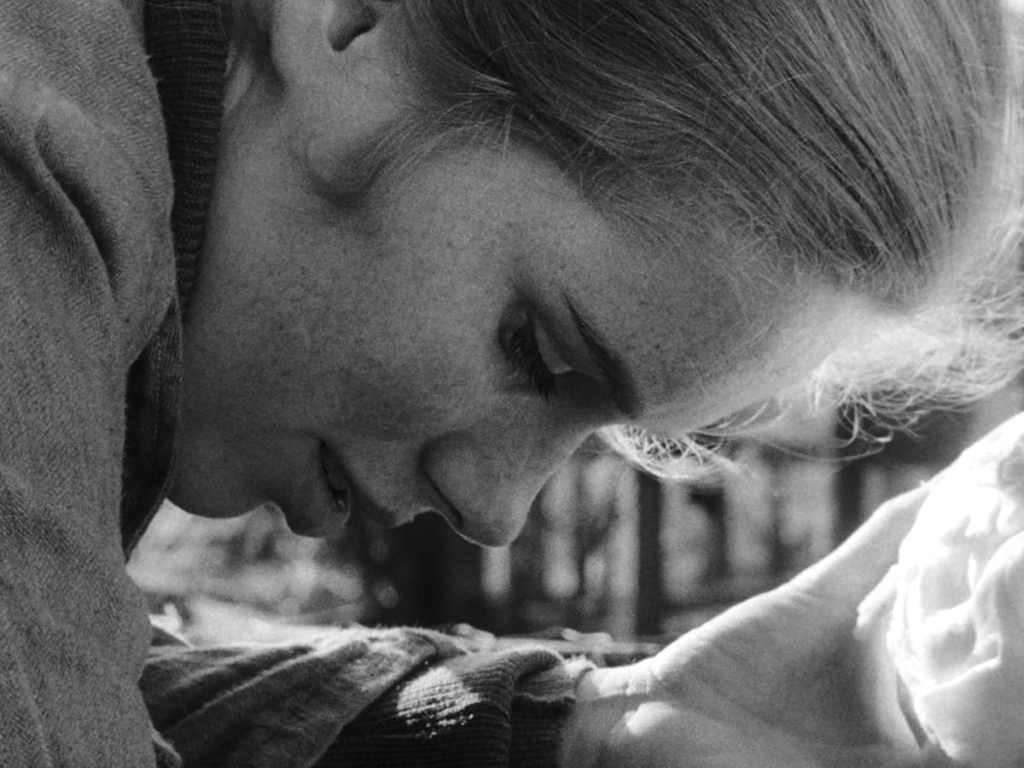
War, what is it good for? Absolutely nothing, if you ask Ingmar Bergman, whose Shame tells the story of a married couple torn apart by the tribulations of the civil war that surrounds them. Jan, the husband is emotional but becomes increasingly violent as he becomes immune to the pains of the war. Eva, played wonderfully by Liv Ullmann, is caring, moral, and strong, but suffers from the sadness surrounding her. Bergman, who often wrote stories about tempestuous relationships, uses Shame to make a stance again the Vietnam War, which was taking place during the time, as well as war in general. So often, a war’s impact on its inhabitants is forgotten, but Bergman doesn’t let its pain fall on deaf ears.
3. THE PRODUCERS
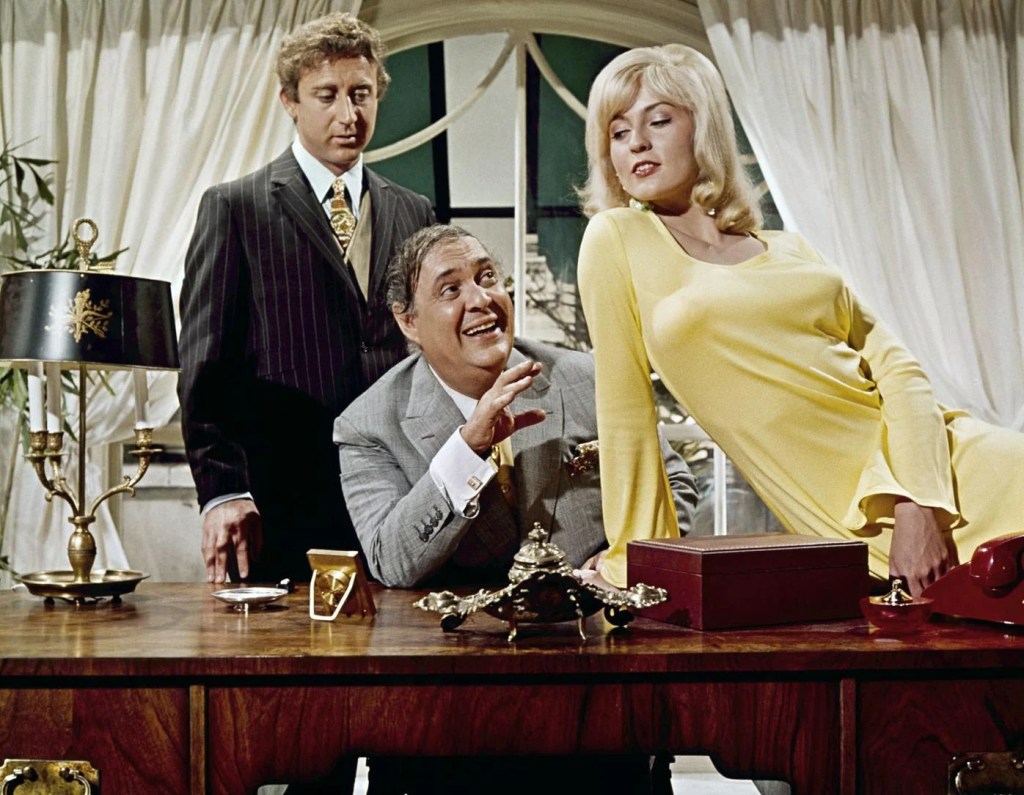
In what has to be one of the biggest Oscar snubs of all time, “Springtime for Hitler” was nowhere to be found when the 1968 Oscar nominations were announced for Best Original Song. It’s one of the catchiest, funniest songs of all time – and the same could be said about Mel Brooks debut film. Fortunately, the film did win an Oscar for Best Screenplay, and very deservingly so. The Producers is the rare film that is so timeless in its humor that it spawned both a remake and a Broadway musical nearly 35 years after its initial release. Rightfully so, since it’s one of the funniest films of all time.
2. BELLE DE JOUR
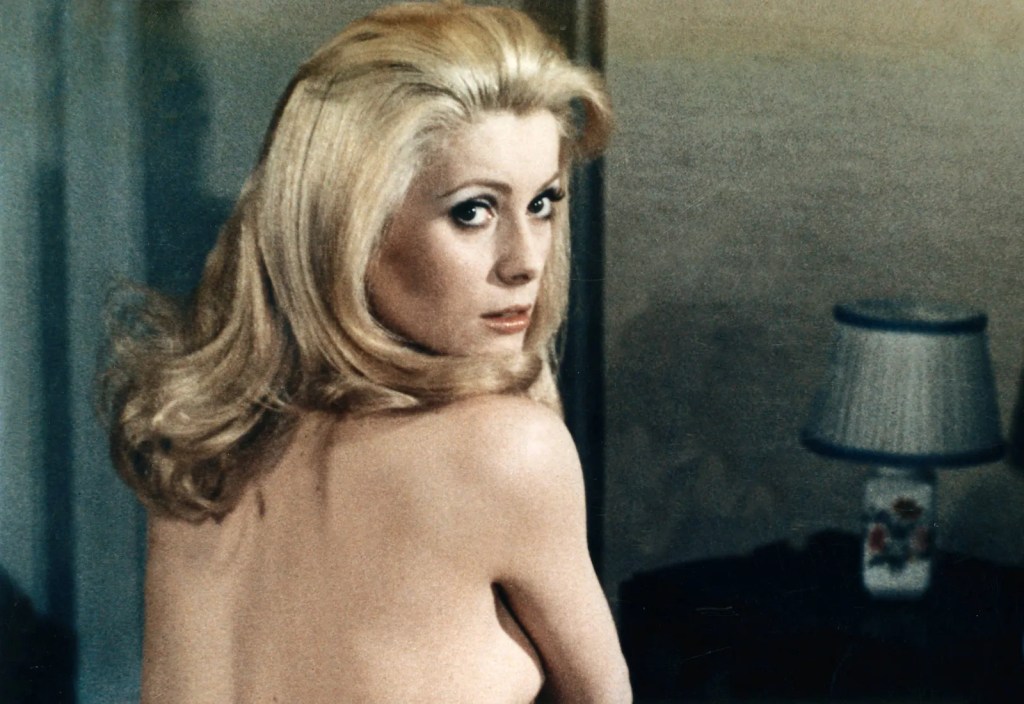
It may sound like the type of story that filled XXX theaters in the late 60s and early 70s: A beautiful socialite, unable to share physical intimacy with her husband, agrees to work at an upscale brothel during the days while her husband is away at work. Yet, despite its subject matter, Luis Bunuel’s thoughtful examination of relationships, class and social standards remain one of the director’s strongest accomplishments and one of the few films from 1968 that is studied and remembered today. It may seem unlikely given its synopsis, but it’s completely understandable by anyone who has seen this heartbreaking film.
1. 2001: A SPACE ODYSSEY
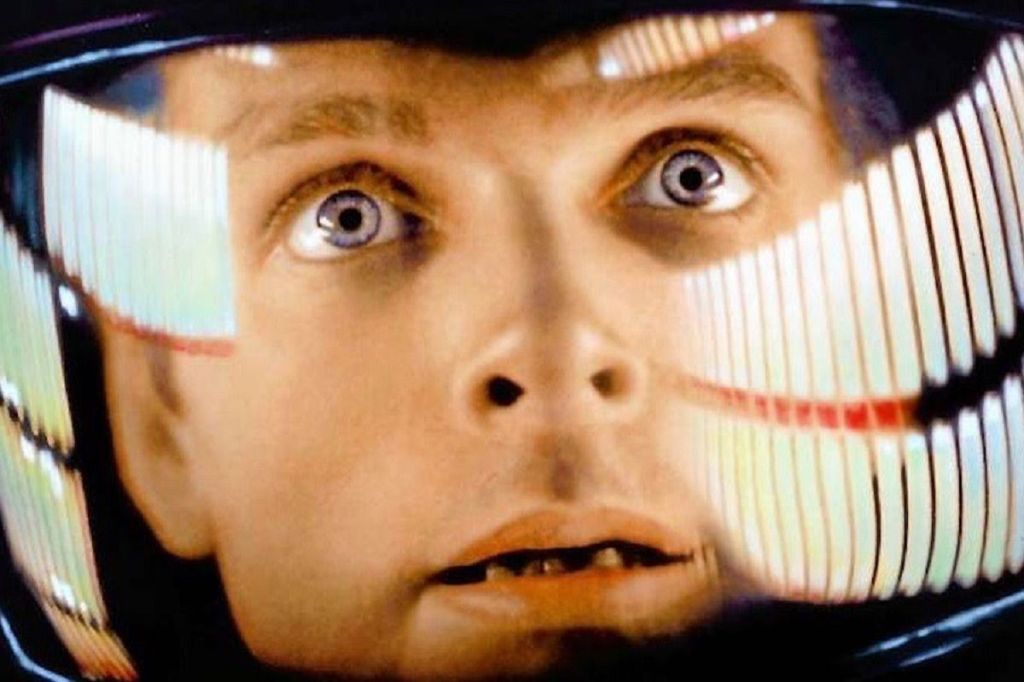
Even with a slew of masterpieces, which include Dr. Strangelove, A Clockwork Orange and The Shining, it’s quite obvious that Stanley Kubrick’s crowning achievement is the sci-fi classic, 2001: A Space Odyssey. Each frame of the film is worthy to be on the cover of National Geographic and his story is every bit as unforgettable and worrisome as George Orwell’s best work. Without 2001: A Space Odyssey, we likely wouldn’t have Star Wars or E.T. or Gravity, but with 2001, none of them really seem all that necessary anyway. As classic as they each are, they can’t hold a flame to the film that redefined the entire sci-fi genre and still represents it today.
 Entertainment Yearly