10. HELLO, DOLLY!
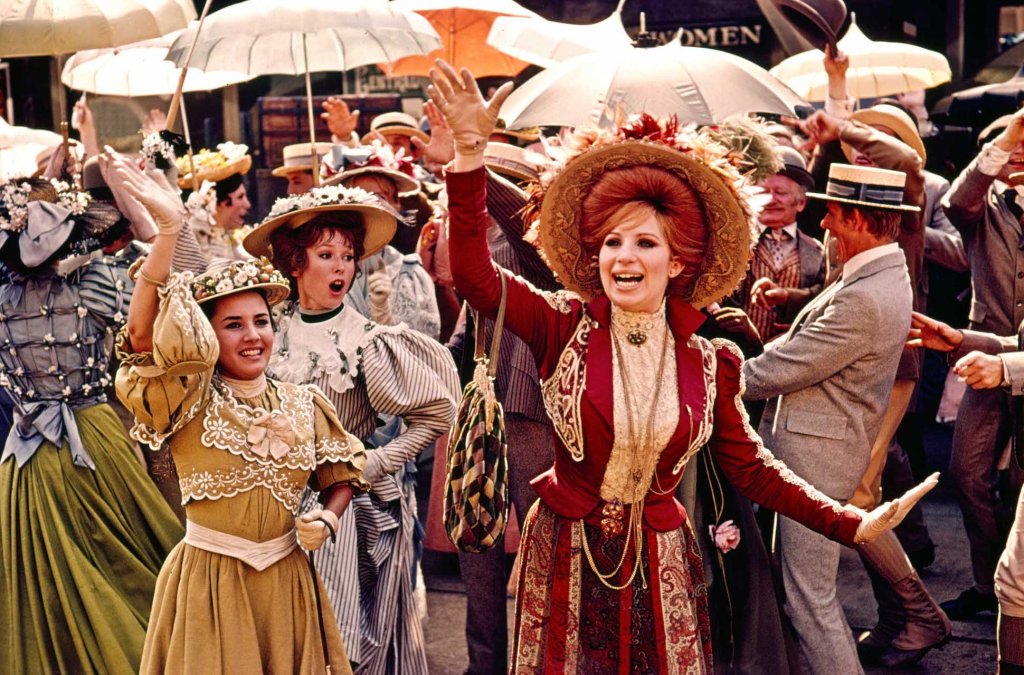
In an era when movies were changing quickly, Gene Kelly held on to his old school ways and created one final classic Hollywood musical with a record budget, an aging comedic star and a very popular singer named Barbara Streisand. Turns out it was money well spent, as the story of a popular matchmaker who searches for a suitable match for a wealthy businessman is filled with catchy songs and quirky humor that makes it a pleasure to watch even fifty years later. Reportedly, Streisand and Matthau despised each other so much that they wouldn’t even talk between takes, which is somewhat evident with their chemistry in the film. And although their chemistry may not work, nearly everything else does, making it Gene Kelly’s best film since Singin’ In the Rain.
9. THE WILD BUNCH
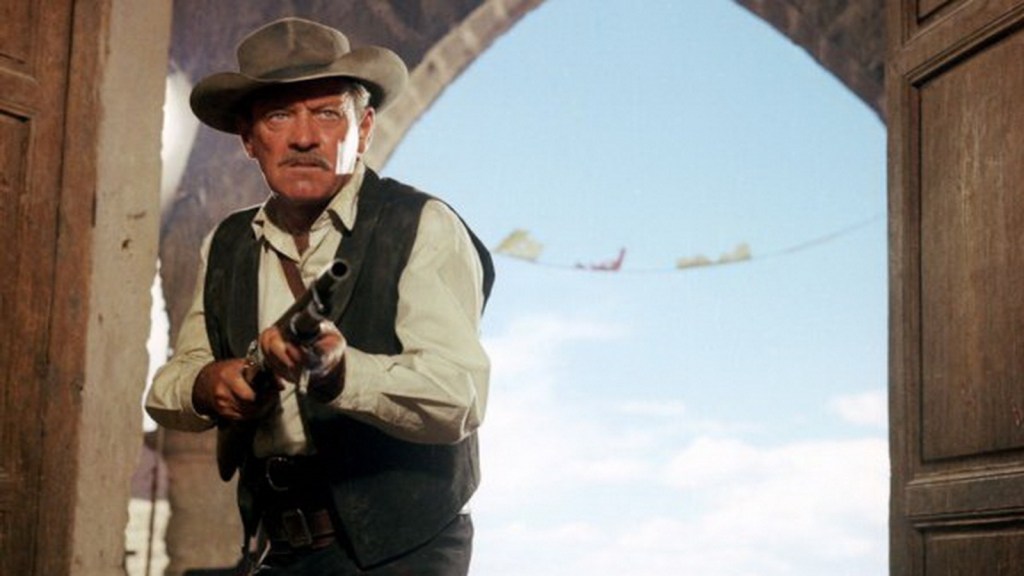
In the years since its release, Sam Peckinpah’s bloody western The Wild Bunch has been bolstered to classic status for its stylized violence and cult following. However, not everyone appreciated its gory shootouts at the time of its release, and even today I find The Wild Bunch enormously overrated compared to other films that pushed the boundaries like Bonnie and Clyde and A Clockwork Orange. However, the film still deserves a spot in every top ten of 1969 simply for its brilliant editing, wonderful cinematography and a very unforgettable scene where William Holden takes control of the machine gun for one final round.
8. BOB & CAROL & TED & ALICE
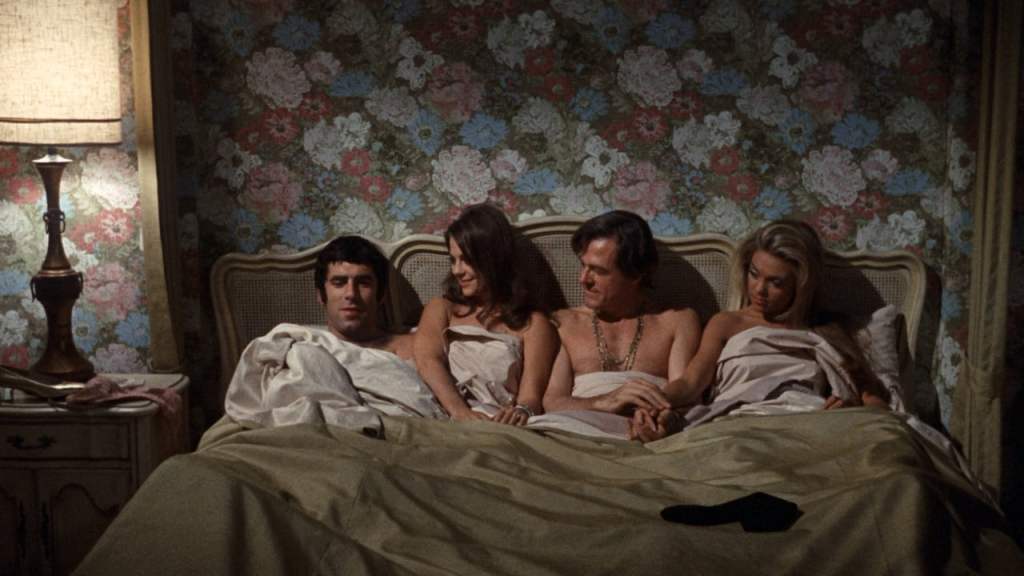
Few films of the time captured the revolution that was happening both in America and in the movies as well as Paul Mazursky’s debut film, Bob & Carol & Ted & Alice, which examines the open relationship of one couple and the strong opposition of it by their best friends. But apart from being an important timestamp, Bob & Carol is also a wildly entertaining film with great performances throughout. Plus, it gave the iconic Natalie Wood one final meaty role before she passed away far too soon in 1981 at the age of 43.
7. ANNE OF THE THOUSAND DAYS
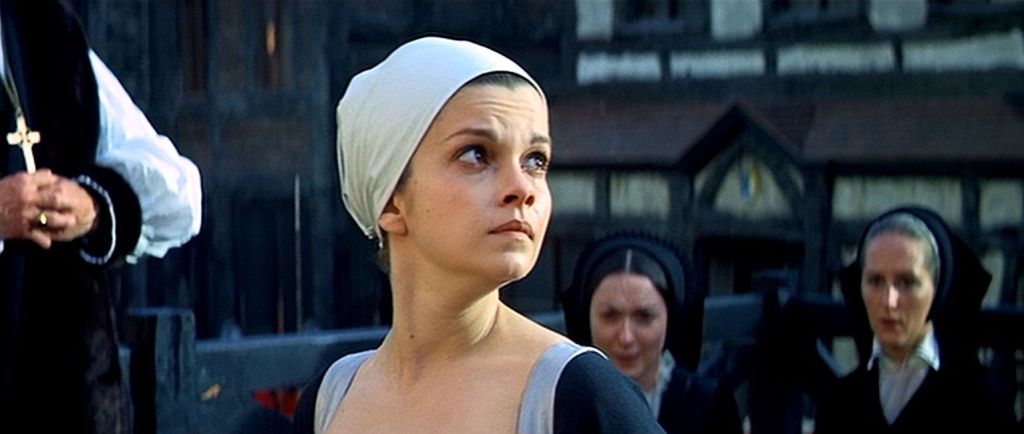
A two and a half-hour movie examining the life of the disgraced wife of King Henry VIII isn’t exactly everyone’s cup of tea. And it wasn’t back when it was released fifty years ago, either. But it also found plenty of admirers as well, including myself, and even managed to receive a Best Picture nomination at the 1970 Oscars. Those who know little about the strong-willed mother of Queen Elizabeth ought to find the story of Anne of the Thousand Days at least somewhat fascinating, as it portrays her life from the early days when King Henry VII quickly became obsessed with her until the later days, when he focused his obsession towards a younger woman. It’s a film that examines the world’s long history of narcissist male leaders and the much stronger women who have become forgotten far too often. Fortunately, we have some great movies like Anne of the Thousand Days to give these determined women the tribute they deserve.
6. GOODBYE, COLUMBUS
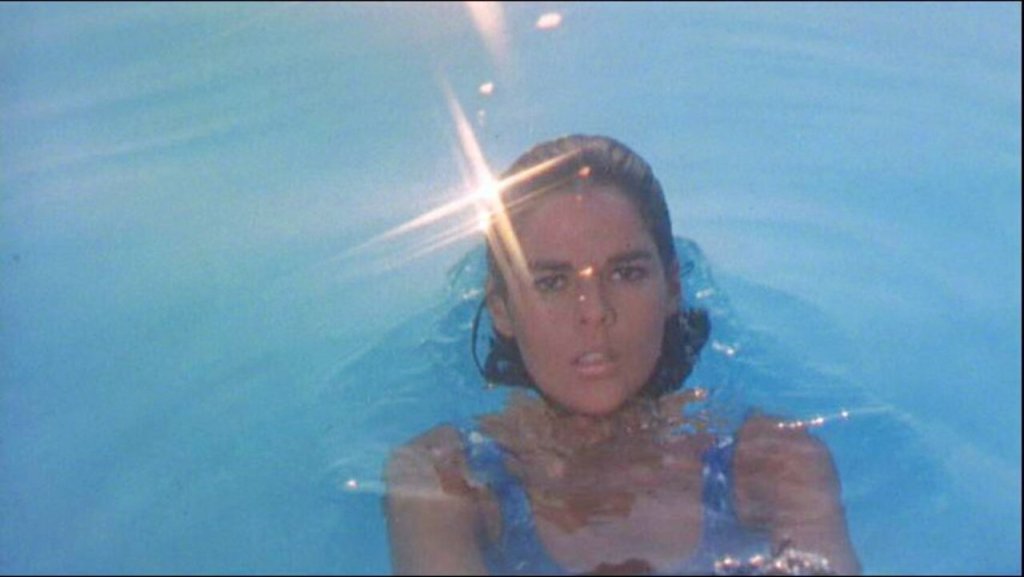
Ali McGraw may be forever known as the girl from Love Story, but she gives the most unforgettable performance of her career as a wealthy Radcliffe student who sparks up a summer romance with a working-class librarian with a far less shiny future. Her carefreeness coolness and his worrisome dorkiness make it difficult to believe he could ever win over a girl so far out of his league, but McGraw mesmerizes us to the point where we couldn’t care less about logistics. Plus, it only adds to the humor of the sidesplitting ending – but even before the final frames, Goodbye, Columbus was easily the funniest comedy of year.
5. MEDIUM COOL
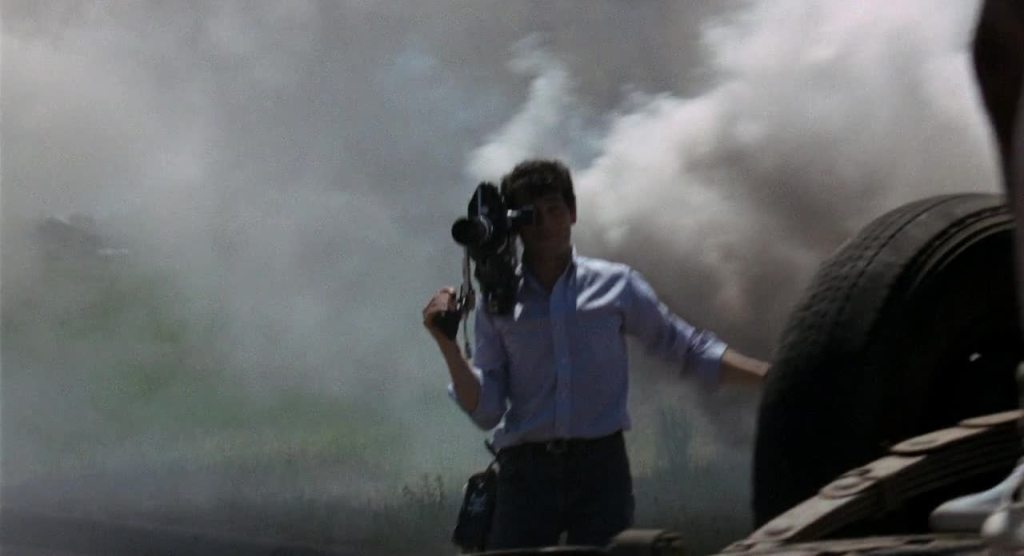
Sometimes it seems like cinematographers just don’t get the credit they deserve – and perhaps there’s no stronger case for their importance than in Medium Cool, the 1969 masterpiece directed by longtime cinematographer, Haskell Wexler. The director, who was the cinematographer for Who’s Afraid of Virginia Woolf?,shows us how inventive camera work can steer a story, even when there’s a limited plot and storyline. Not surprising, the film’s lead is a TV news cameraman himself, which allows Medium Cool to examine the nation’s obsession with violence and the importance of the medium. And when we get movies as inventive as Medium Cool, the second point is clearly made.
4. EASY RIDER
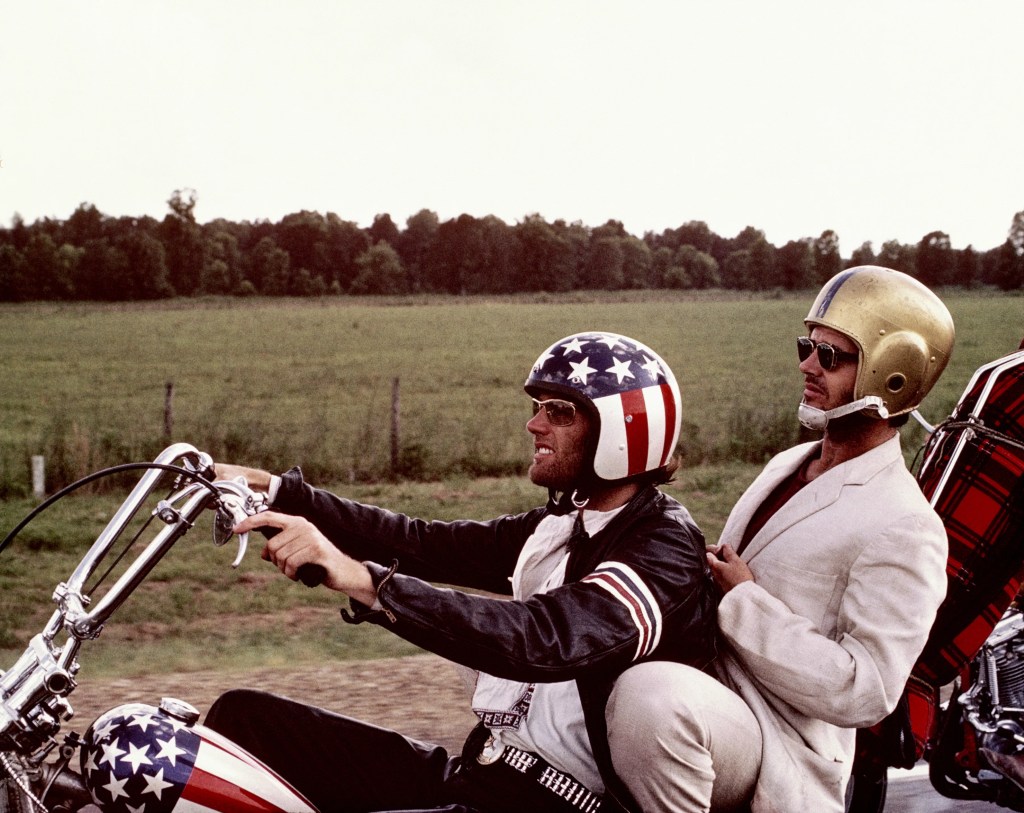
Has there ever been a movie as successful as Easy Rider? Dennis Hopper and Peter Fonda’s hippy travel masterpiece was made for under $400,000, yet it’d go on to gross over $60 million in 1969. Talk about money well spent! But its success simply can’t just be measured by its financial achievements – Easy Rider is a landmark in cinema. It was one of the earliest examples of American avant-garde and it saved the career of one of Hollywood’s greatest talents, Jack Nicholson, who has said that Easy Rider would have been his last film if it hadn’t helped him breakout.
3. THEY SHOOT HORSES, DON’T THEY?

Long before Americans made trash reality TV the medium of choice, Sydney Pollack’s gloomy but endlessly fascinating story of a nationally broadcasted danceathon contest captured our obsession of reality entertainment. Filled with great lead and supporting performances, and featuring great production values, They Shoot Horses, Don’t They? still holds the record for most Oscar nominations (9) without receiving a Best Picture nomination at the Academy Awards. But it shouldn’t, because Pollack’s film clearly deserved ten nominations.
2. BUTCH CASSIDY AND THE SUNDANCE KID
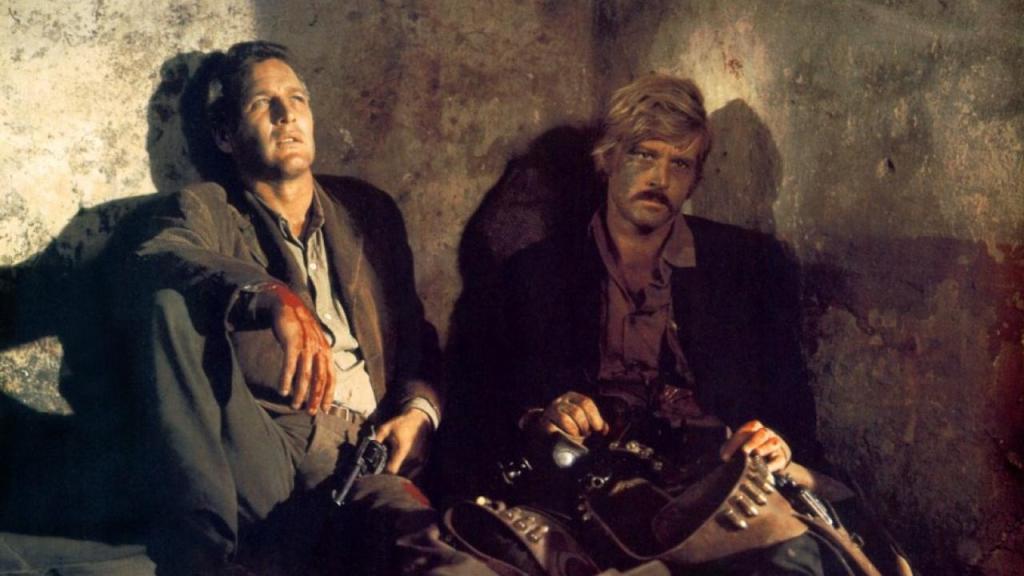
Placing Butch Cassidy and the Sundance Kid in the runner up spot seems like a bigger sin than anything the notorious bank robbing duo ever did. Audience members would likely have agreed, as Butch Cassidy grossed over $100 million dollars – more than twice as much as any other movie in 1969 and made Paul Newman and Robert Redford the biggest stars in Hollywood. Still today, Butch Cassidy is a classic western that so many films have imitated. Yet, none have been able to balance the charm and humor that Redford and Newman brought to George Roy Hill’s masterpiece. In nearly any other year, Butch Cassidy would be the picture of the year as it is one of the great westerns in cinema history.
1. MIDNIGHT COWBOY
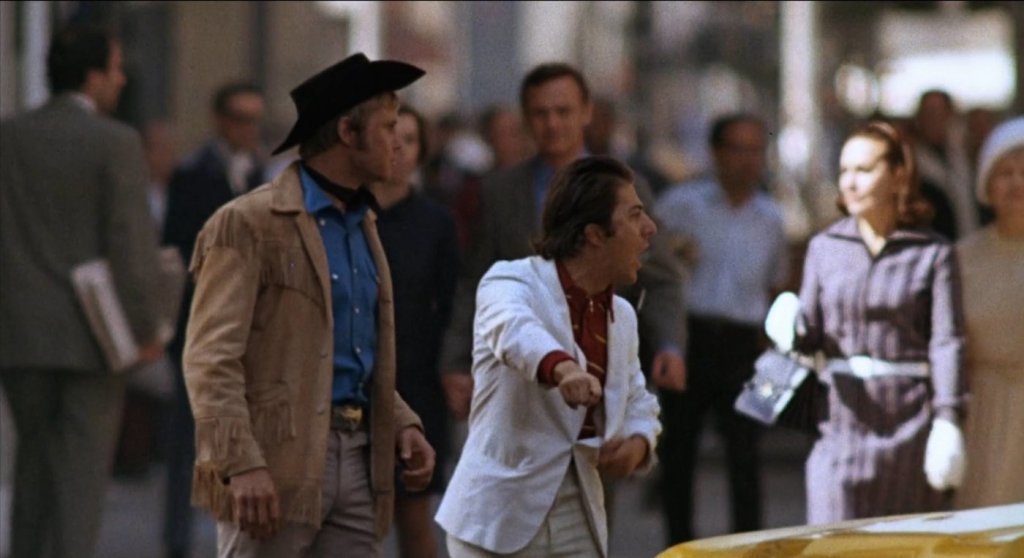
1969 was a great year for cowboy pictures, but not necessarily a great year for the cowboys they portrayed. Even Joe Buck, the wide-eyed kid from a small town in Texas who travels to New York in hopes of striking it rich as a hustler finds that the city is far more hostile than he had ever imagined it to be. While there, he befriends an ailing crook named Ratso Rizzo and they help each other survive. Midnight Cowboy is an endlessly fascinating film, and one that deserves all the tears that have been shed from its viewers. Even more importantly than that, it’s a landmark film that subtly captured how America treated homosexuals and the disabled in the 1960s.
 Entertainment Yearly