10. LITTLE BIG MAN
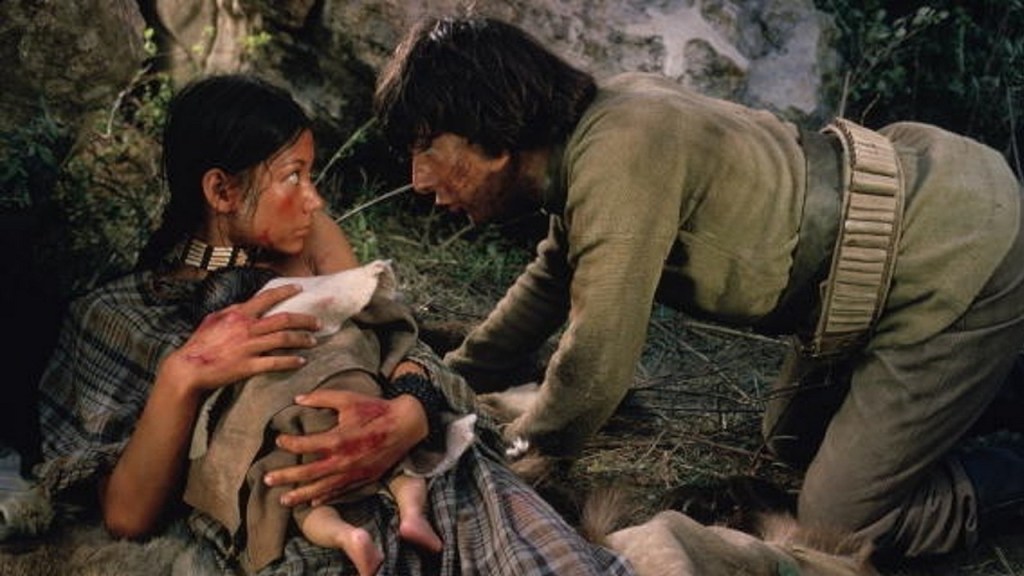
Long before Forrest Gump there was a man whose life was bigger than the tall tales, and that man was Jack Crabb – better known by many as Little Big Man. Raised by Native Americans after his family was murdered, Crabb would become a masterful gunslinger and one of General Custard’s most trusted scouts – at least in his own version of the story. Arthur Penn’s follow up to Bonnie and Clyde and Alice’s Restaurant was one of the mostly highly anticipated holiday releases in 1970, and for the most part, it delivered a true gift. It’s impossible not to see its faults – including its much too long running time – but Little Big Man reminds us that during our golden hour, we can look back at our life in whatever light we want – especially if we’re as good as a storyteller as Jack Crabb.
9. LOVE STORY
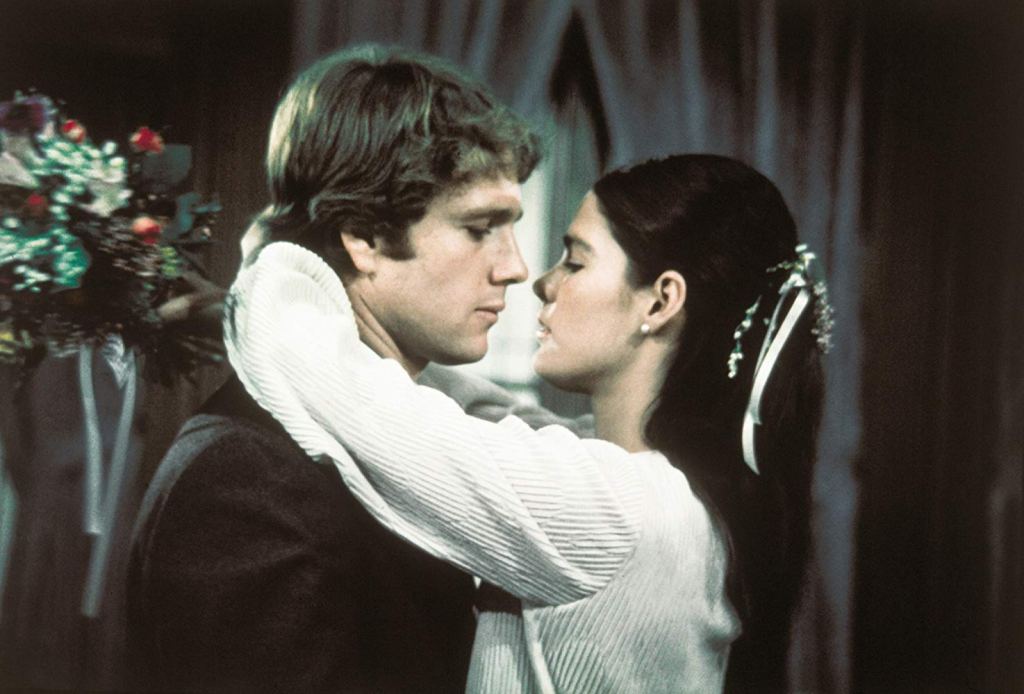
Yes, I too enjoyed Love Story, and I’m not going to say sorry for it. That’s because there’s two things that Arthur Hill’s romance boasts that rise it above the simple, sappy love story that it could have been – and those two things are Ali MacGraw and Ryan O’Neal. McGraw had shown her brilliance just one year earlier in the unfortunately forgotten Goodbye, Columbus, but Love Story would make her an international star. For O’Neal, it would be his breakout role and make him one of the biggest young stars of the seventies. Sure, Love Story is sappy, but in a mediocre year like 1970, that alone is not enough to ban it from being one of the year’s standouts.
8. M*A*S*H
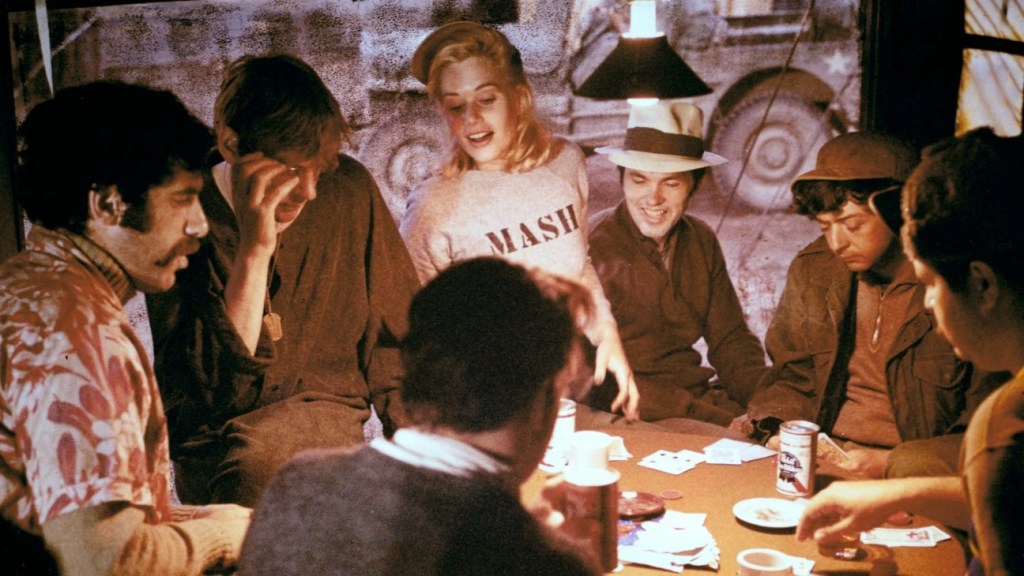
The film that inspired one of the most successful television shows of all time often plays second fiddle to the long-running series that it spawned, but that doesn’t mean that it should. M*A*S*H became the first real hit for legendary director Robert Altman, who was finally ready to set aside the traditional Hollywood rules and make some of his own instead. It was a wise move for Altman, who would go on to be one of the most visionary directors of the 1970’s, alongside names like Scorsese and Coppola. But perhaps more than anything, M*A*S*H understood that war is a chaotic mess – regardless of the specific war. It may have lost Best Picture to a film that refused to believe that – Patton – but it certainly remains the better film in this viewer’s eyes.
7. THE PASSION OF ANNA
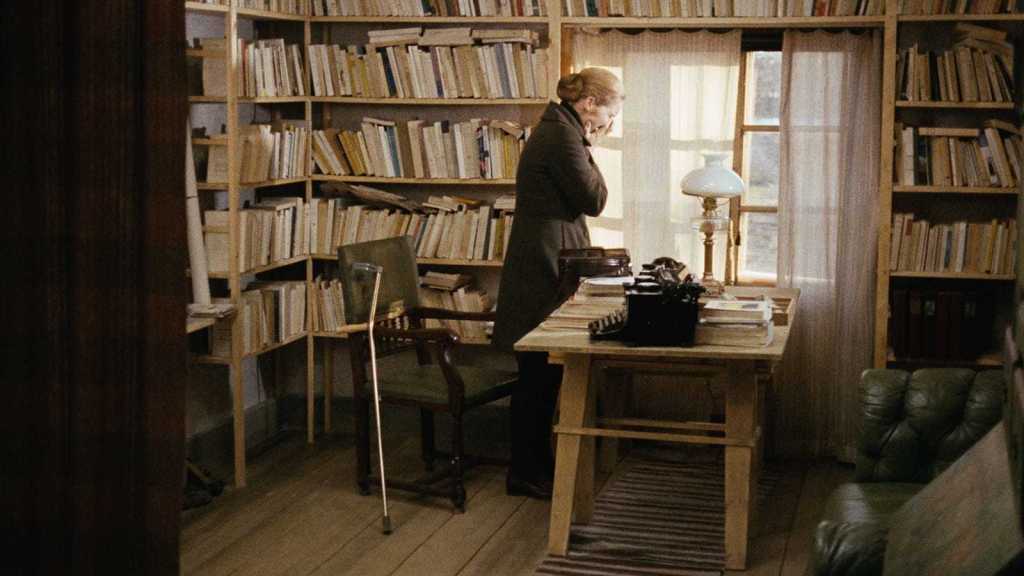
Perhaps no director in history has studied relationships and the emotions that they bare as often or as successfully as Ingmar Bergman. In The Passion of Anna, like so many of his best films, he teams up with Liv Ullman – an actress whose ability to show emotions cannot be matched by anyone not named Meryl Streep. She plays an emotionally wrecked widow whose husband and only child were both killed in a car wreck that left her injured, but she begins to heal after finding comfort in a quiet neighbor whose wife recently left him. Bergman has created two characters that need one another, but can’t handle the pressures of a relationship. It’s a touching, quiet, and brilliantly acted film that turns its viewers into a punching bag of emotions, and I mean that in the best possible way.
6. THE BOYS IN THE BAND
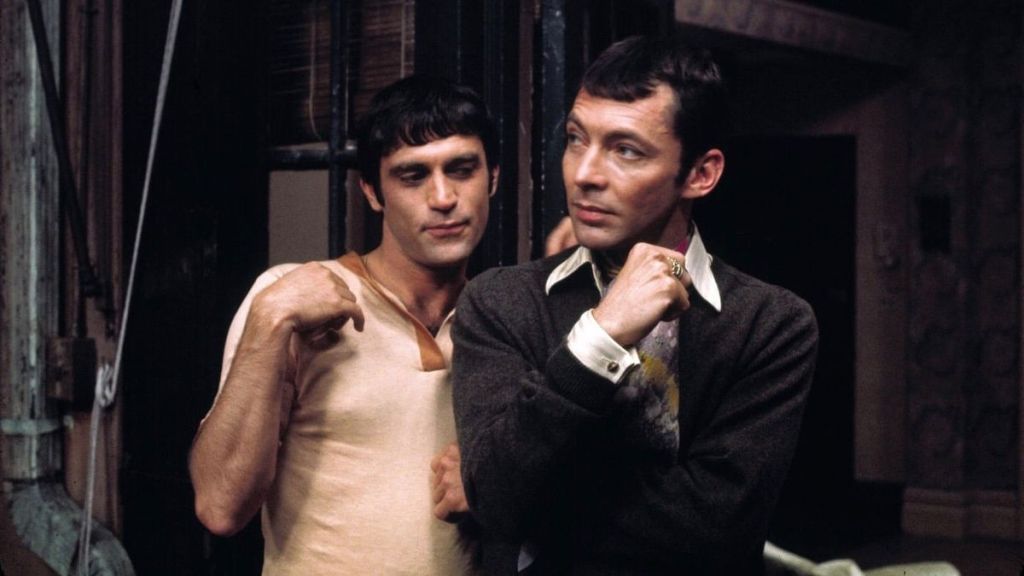
Because it’s a bit dated, it’s easy to understand how the cultural impact of The Boys in the Band has been forgotten – but that doesn’t make it any less fortunate. Originally written as an off-Broadway play, it would be adapted for film just two years later, making it one of the first American films to center around gay characters. But that alone doesn’t justify it being one of the best films of the year. What does is the fact that The Boys in the Band is one of the most fascinating films of the year, and one that challenged the stigmas and stereotypes of the population it examined. Even today, The Boys in the Band ranks alongside Brokeback Mountain as the films that pushed forward for the gay community.
5. KES
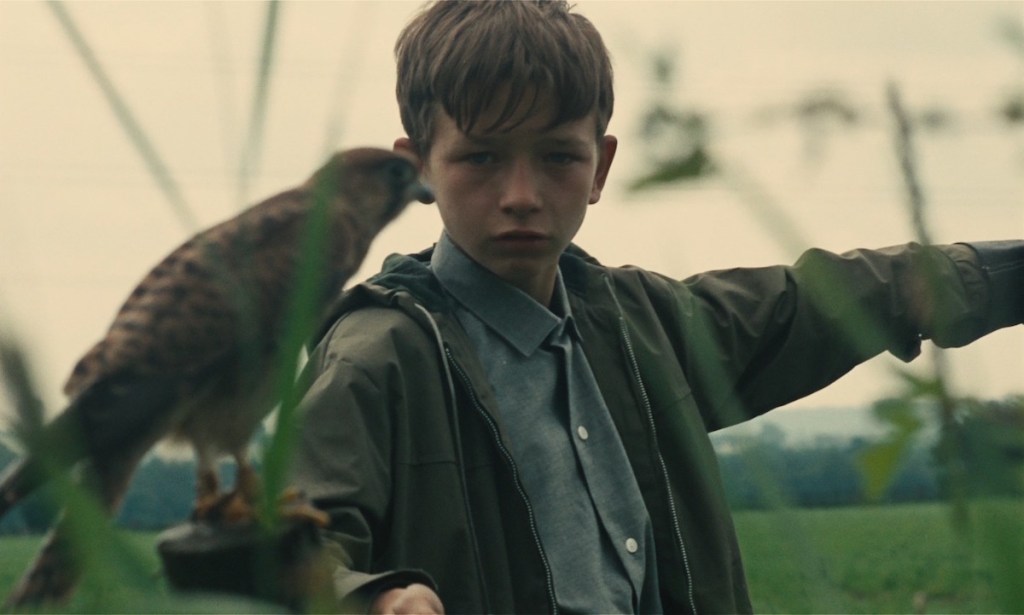
With its British accents so strong that subtitles are a must, Kes was a complete box office flop that only a few select people saw back when it was released in the U.S. in 1970. Fortunately, over time, Kes has found its audience and even earned a Criterion DVD release. The story of a teenage boy who lives with his abusive brother and alcoholic mother, but is passionate about treating a hawk that he founds is both tender and heartbreaking. It’s been selected by the BFI as one of the top ten British films ever made, and deservingly so.
4. JOE
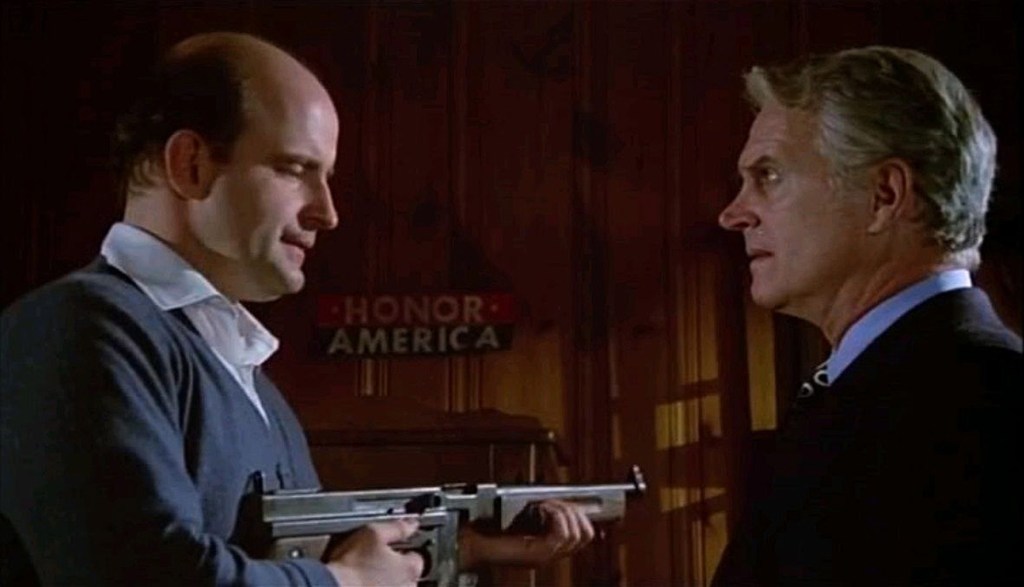
Although it was released nearly fifty years before President Trump moved into the White House, the parallels between Joe – the racist, angry factor worker who spends his evenings at a bar – echo our current leader far too closely. Even President Trump’s campaign slogan seems like a rip off of Joe’s tagline of “Keep America Beautiful.” At the time of its release, the violent, merciless final act of Joe left audience members cheering – an act that disturbed Peter Boyle so much that he refused to take roles in violent movies thereafter. Fifty years later, it appears that our country is still rooting for the racist conservative. Some things might never change, but at least Joe’s intention was good, along with its acting and story. Joe might bring out the worst in people, but only for those people too dense to get its actual message.
3. MY NIGHT AT MAUD’S
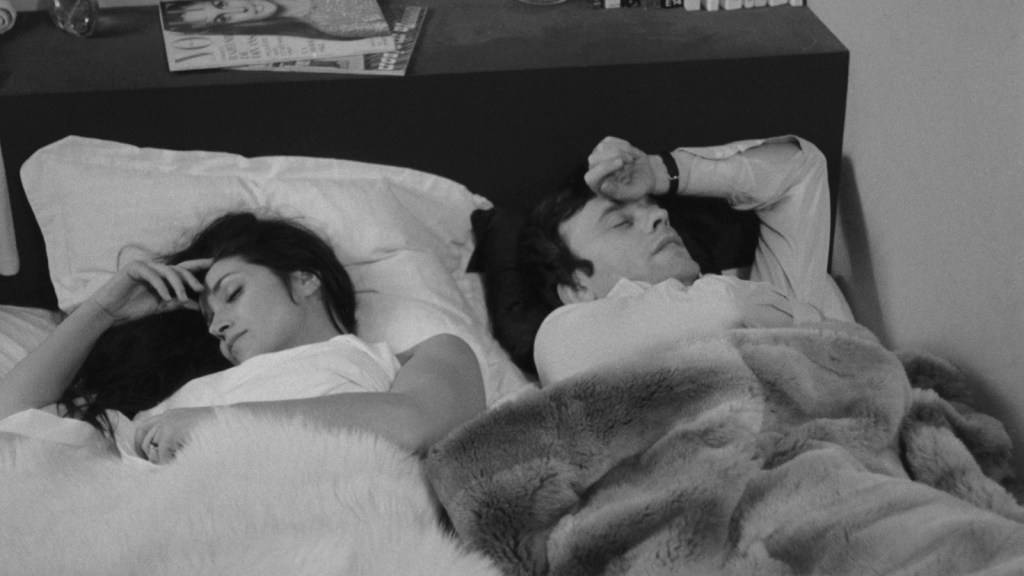
The breakout hit for Eric Rohmer, a former film critic for the influential Cahiers du Cinema magazine, tells the story of a devout Catholic whose beliefs and morals are challenged when he meets a desirable woman with whom he spends the evening discussing everything from relationships to religion to the writings of Balise Pascal. My Night at Maud’s is a smart dialogue-driven film that challenges its viewers’ perspectives, and it’s hard to imagine films like My Dinner With Andre and Before Sunrise would exist without its influence on the cinematic world. But more than anything, My Night at Maud’s is a film that introduces us to very interesting characters who can easily keep our attention long past its 110-minute running time.
2. FIVE EASY PIECES

Early in the film, we catch just the slightest glim of Robert Eroica Dupea’s raw talent, as he jumps onto the back of a moving truck that’s hauling a piano. It’s not until much later that we realize that he has a rare gift for music, but a much stronger passion for running away from his talents. It’s these slow revelations that make Five Easy Pieces such a quiet, observant, and absolutely brilliant film – and one that understands that gifts and passions do not always align. Yet Nicholson’s character isn’t the only one with a rarely shown talent: director Bob Rafelson would only make a limited number of films, and none which would show the talents that he flashed with Five Easy Pieces. Yet there’s no denying his talent, since he created the best fictional film of 1970.
1. WOODSTOCK
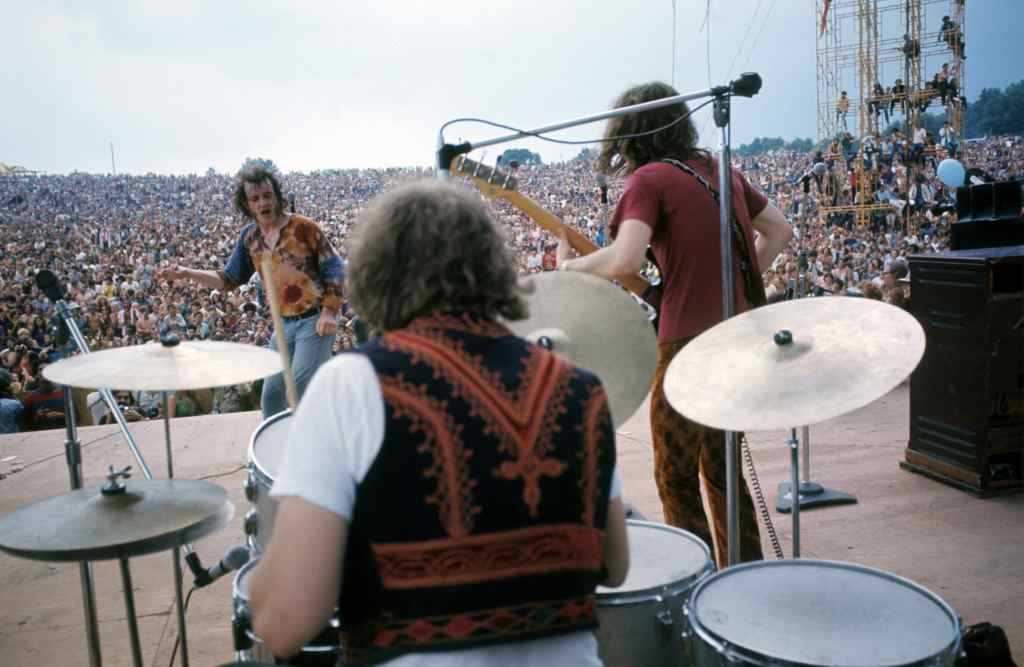
1970 didn’t have the best dramas. It didn’t have the best comedies, or sci-fi or action flicks. But it did have one of the greatest documentaries ever made: Michael Wadleigh’s Woodstock. The 1969 Woodstock music festival will forever be a landmark in music history and in its engaging 184 minutes, Wadleigh’s film manages to capture all of its pain and glory, from Jimi Hendrix’s momentous performance to its disastrous planning that left two concertgoers dead and many more dehydrated or with dangerous drug trips. It’s quite possible that no documentary has ever captured a pivotal moment like Woodstock with so much detail, ambition and completeness. Yet, Woodstock’s importance extends past what it captured. It became the fifth highest grossing film of 1970 – an enormous feat for a documentary – and expanded the popularity of many of the musicians featured. It also captured performances in an era before smartphones when concerts were seldom filmed. It even introduced us to Martin Scorsese. But perhaps more than anything, Woodstock paved the way for future documentaries, by proving that the genre could generate massive revenues. Without Woodstock, we may never have had the massive surge in documentaries that yielded great films like Harlan County, USA, The Last Waltz, Shoah and so many others. The festival might have left an everlasting footprint in our culture, but so did the film.
 Entertainment Yearly