10. FIDDLER ON THE ROOF
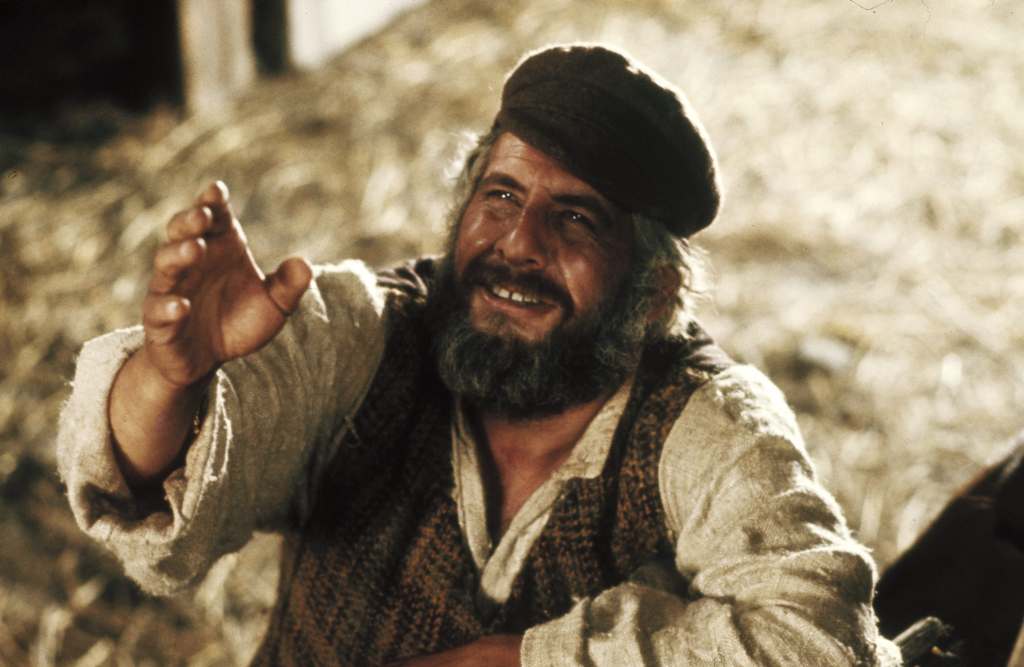
As a child, my mom rarely bought VHS tapes unless they had Walt Disney’s name in big print on the front cover. There are really only three movies that I remember my mom buying for herself. One was Silver Streak – the Gene Wilder comedy that she admitted seemed funnier in 1976 that it did in the ‘90s. Another was Gone With the Wind, a film that changed cinema forever. And the third was Norman Jewison’s epic Jewish musical, Fiddler on the Roof. Perhaps that’s why I too like Fiddler on the Roof, despite its imperfections and running length. Or perhaps I just like it because it’s one of the last great Hollywood musicals – a film that held on to the magic of the fifties-era showtunes one last time.
9. HAROLD AND MAUDE
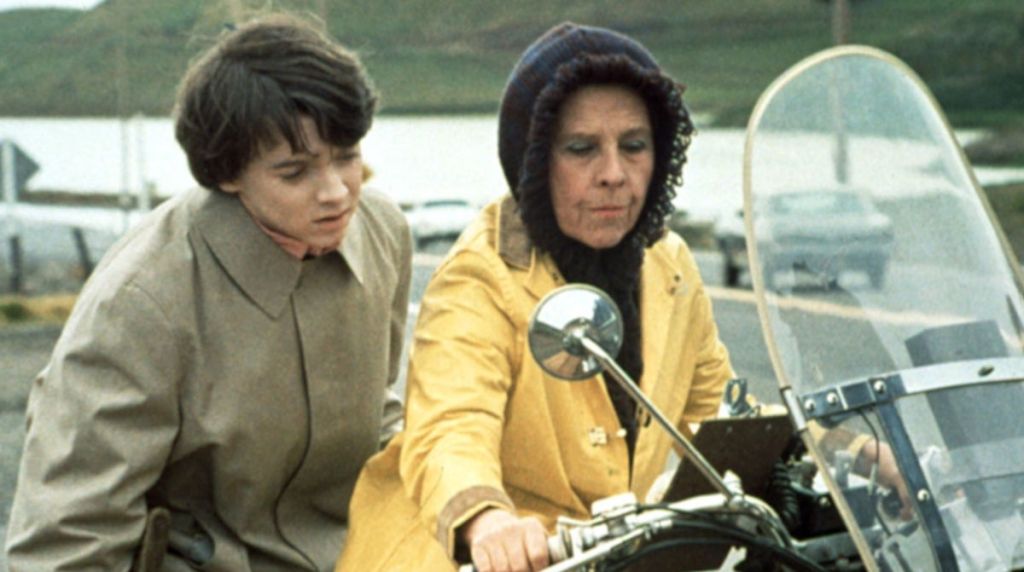
Originally dismissed by critics who found it to be both distasteful and unfunny, Hal Ashby’s Harold and Maude has since become one of the biggest cult classics of all time – and deservingly so. Powered by some dark but sweet humor and a wonderful Cat Stevens soundtrack, Harold and Maude tells the story of a young man who is obsessed with death who finds a saving friendship with an old woman who is in love with life. At times, Ashby’s film pushes the boundaries too far with its attempts to be funny, but Harold and Maude really works due to the film’s sweetness rather than its humor. And at the heart of that sweetness is a very underrated performance by Ruth Gordon, who saves the film from its gloom and makes it something worth watching, over and over again.
8. TAKING OFF
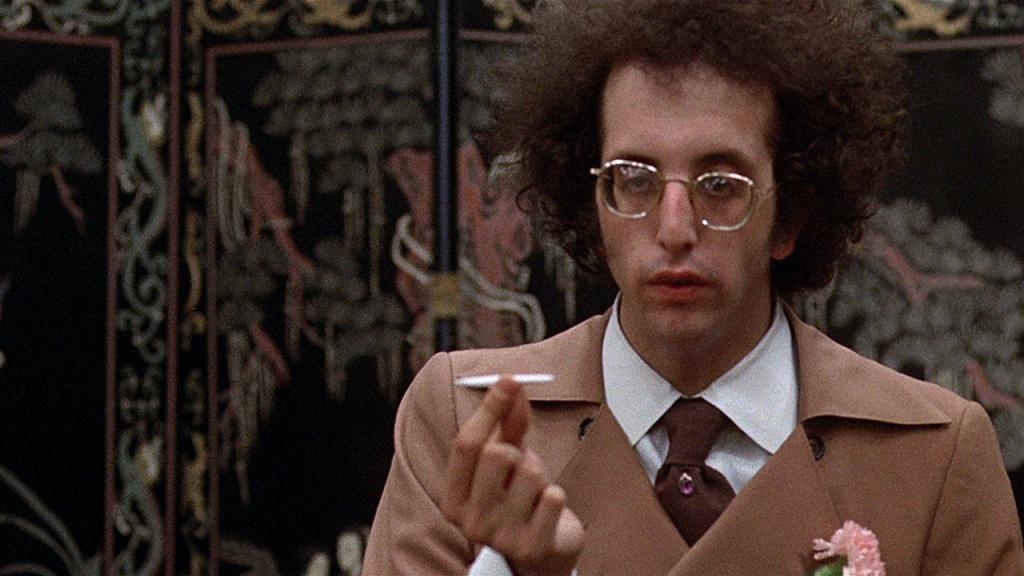
Just four years before he would become a household name with a little picture named One Flew Over the Cuckoo’s Nest, Milos Forman directed a much smaller picture that showcased his enormous talents. The film is likely best-known today for being the steppingstone in Forman’s career that would undoubtedly earn him the Cuckoo’s Nest job, but it should also be remembered for a very funny snapshot of an older generation that becomes intertwined with the more progressive attitudes of the early ‘70s younger generation. And it’s pretty groovy.
7. BANANAS
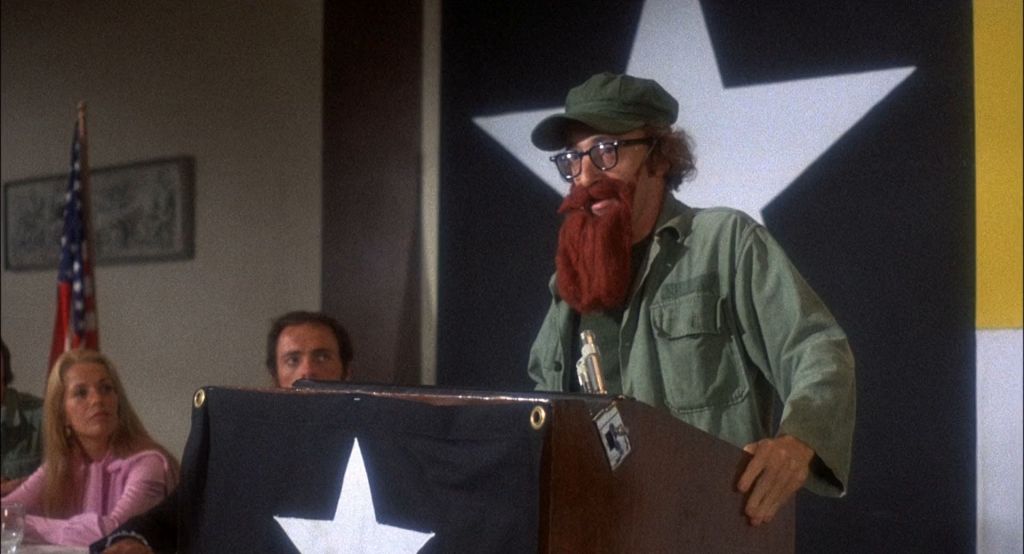
Years before he showed his real brilliance with Annie Hall and Manhattan, Woody Allen flashed his artistic talent with the very funny but somewhat uneven Bananas, a film about an insecure New Yorker who becomes an activist to impress his ex-girlfriend. The role of the insecure New Yorker is played by no other than Allen himself, in a role that must have come quite naturally. Like many of his films, Allen’s insecurities lead to some of Bananas’s biggest laughs. However, Bananas works best because Allen feels so secure both with his typewriter and behind the camera. Bananas is exactly the type of film that captures a filmmaker who is quickly learning to put it all together.
6. MCCABE AND MRS. MILLER
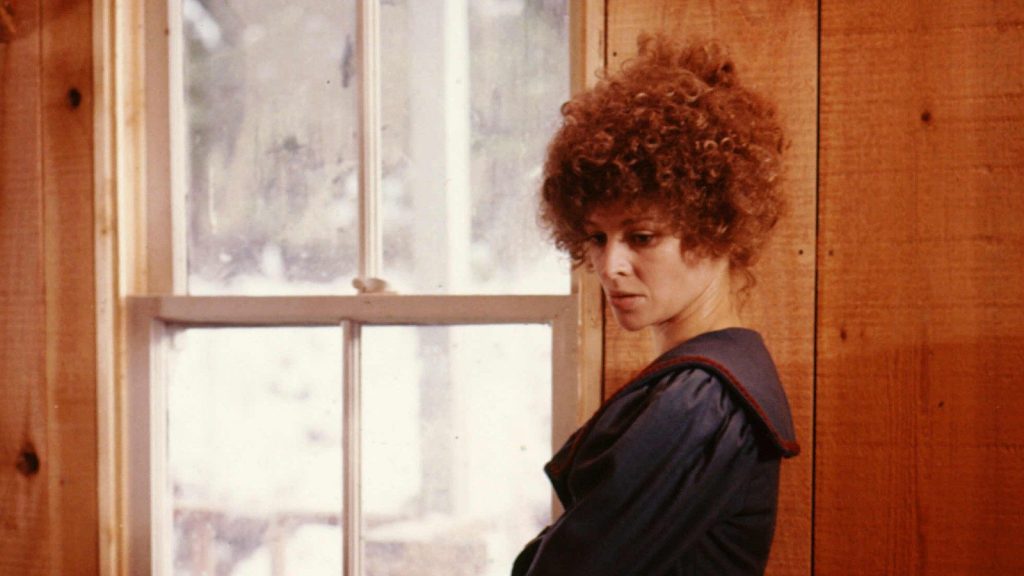
Just one year after breaking out with the hit Vietnam comedy M*A*S*H, director Robert Altman shifted genres to tell the story of an ambitious small-time entrepreneur who bravely competes against the big time businessman during the wild west era. The result, thanks in part to a brilliant soundtrack from Leonard Cohen and strong performances from Warren Beatty and Julie Christie, is one of the finest films of Altman’s long spanning career, and one of the last great westerns made until Kevin Costner’s Dances With Wolves revived the genre.
5. WALKABOUT
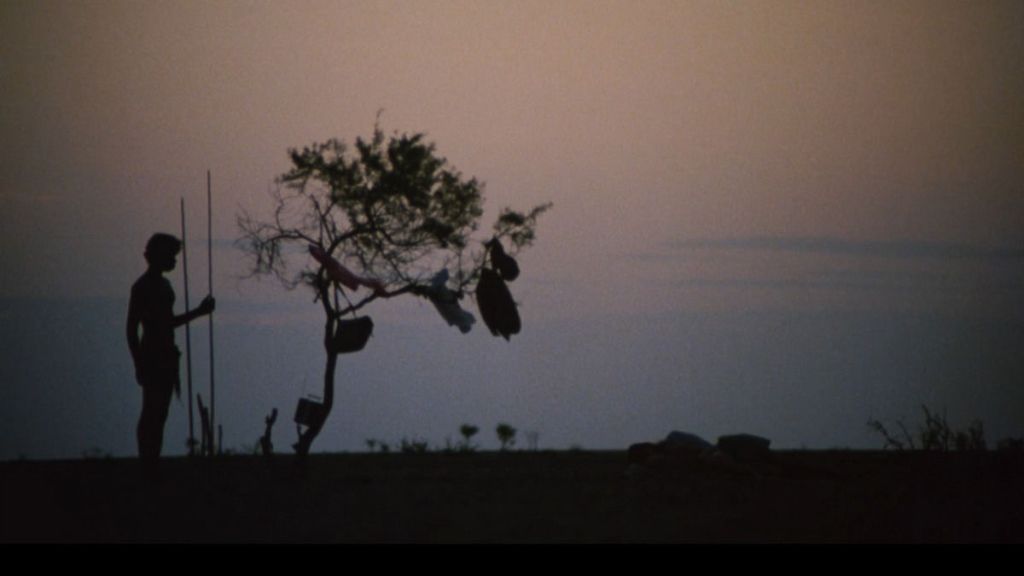
There are several rites of passage in the world, but few are as interesting as the walkabouts that the Australian Aboriginal young men – typically as young as ten – are asked to complete. Director Nicholas Roeg realizes this, as he adapts the Donald G. Payne novel to the big screen, and creates a sharp contrast between the toughness and bravery of a young aboriginal male and two wealthy white siblings who are stranded in the Australian outback by their berserk father. What follows is a trip that you don’t want to miss, filled with unforgettable scenes and breathtaking cinematography.
4. STRAW DOGS
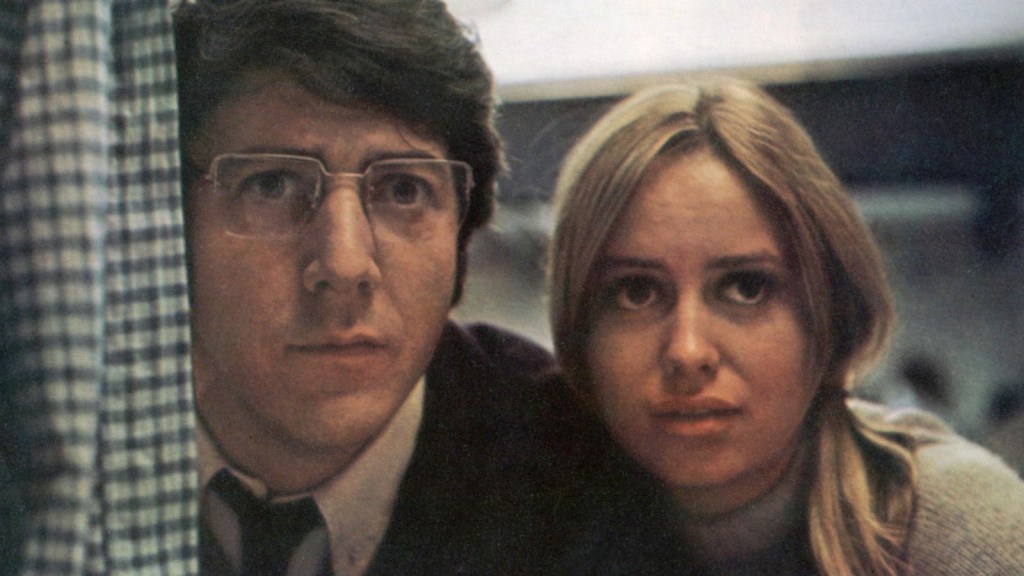
Often overlooked by his equally violent, but far less engaging western, The Wild Bunch, Sam Peckinpah’s Straw Dogs also caused quite a stir at its release. A very controversial rape scene led to the film receiving an X rating in the UK, and further edits in the United States. Many critics dismissed it as a film that promotes violence, but some realized it for the masterpiece that it is. Straw Dogs doesn’t glorify violence – at least not any more than The Wild Bunch – but rather demonstrated how immune we had become to its horrors after the Vietnam War era. The film also continued Dustin Hoffman’s hot streak, which was started by The Graduate, Midnight Cowboy and Little Big Man, and quickly cemented his reputation as one of the premiere leading men of the 1970’s.
3. THE LAST PICTURE SHOW
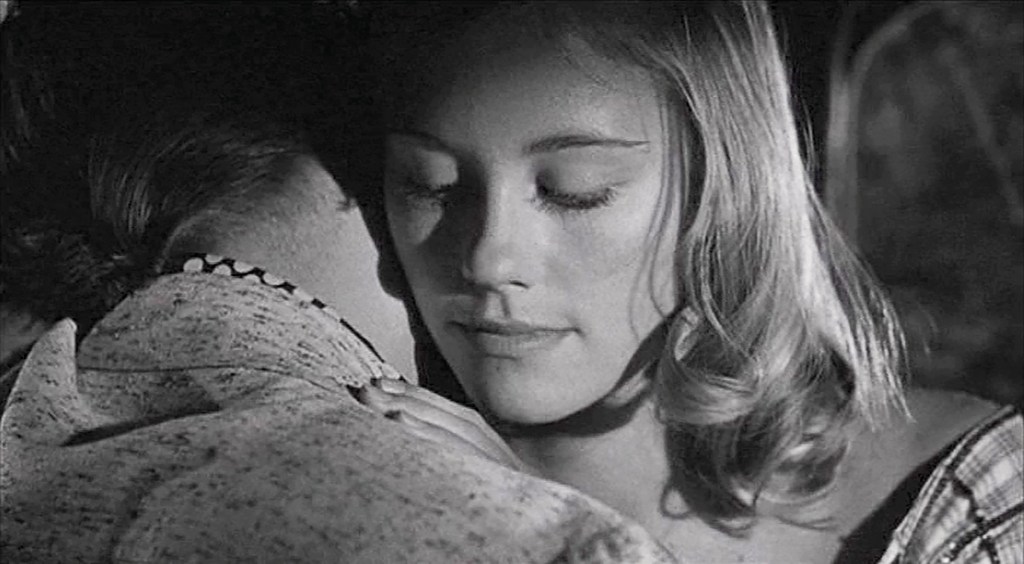
At the time of its release, Newsweek proclaimed The Last Picture Show to be the “most impressive work by a young American director since Citizen Kane.” And although that’s an exaggeration of enormous proportions, Peter Brogdadovich’s debut film does deserve high praise for its style and storytelling. Perhaps the comparisons were inevitable, since Brogdanovich spent years studying the works of Orson Wells, and even received a tip to release the film in black and white from the Citizen Kane auteur himself. Yet, Brogdanovich had quite an eye himself, too. He spotted Cybill Shepherd in a magazine and decided she’d be perfect as a beautiful Texas girl who is lusted after by all the boys, two of them being played by newcomers Jeff Bridges and Timothy Bottoms. These talented youngsters, along with Ellen Burnstyn, Ben Johnson and Cloris Leachman make The Last Picture Show one of the finest acted ensembles to ever grace the big screen.
2. THE CONFORMIST
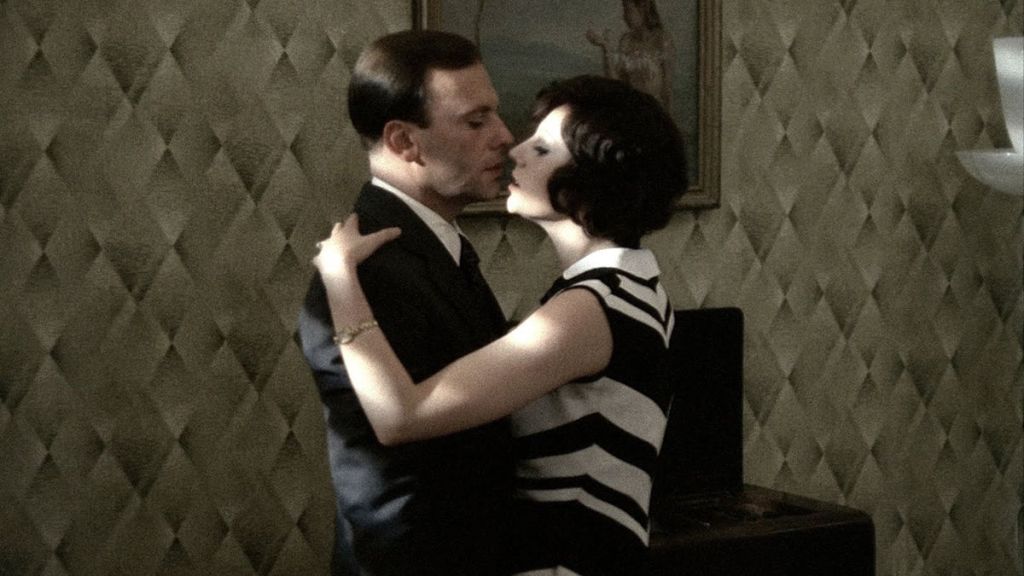
Writer and director Bernardo Bertolucci pitched the idea of adapting Alberto Moravia’s 1951 novel to Paramount Pictures without ever actually reading the novel. This is surprising, mostly because it looks and feels like a movie that had been planned to perfection for years. After receiving approval from Paramount, Bertolucci began reading The Conformist with one hand, and writing the screenplay with his other hand – which proved to be a very effective way to tell the story about a spineless Italian man who becomes a fascist and agrees to assassinate a former professor to prove his alliance. The Conformist is thrilling and unpredictable, and filmed with such beauty and detail that it would help inspire a new kind of cinema throughout the 1970’s.
1. A CLOCKWORK ORANGE
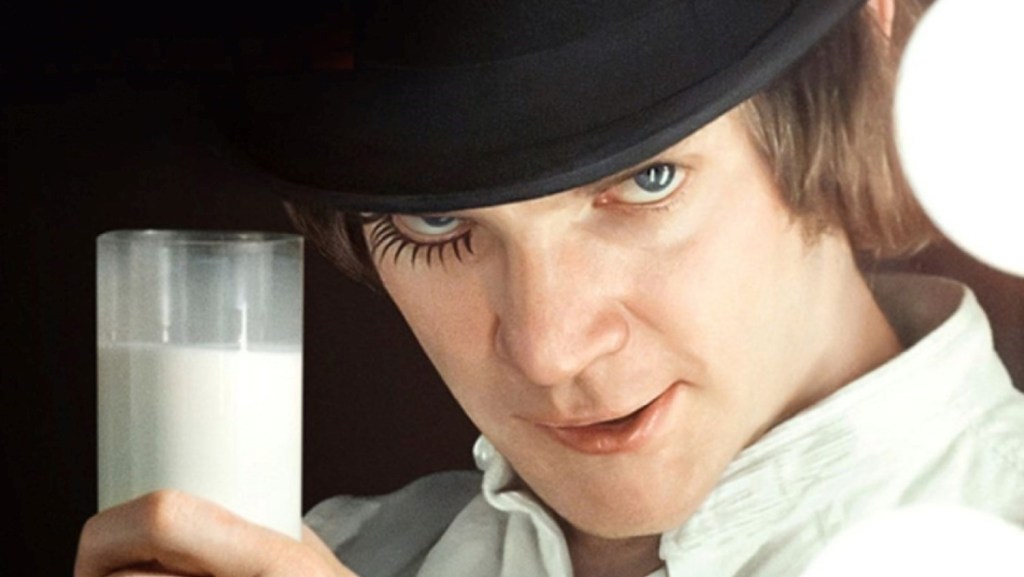
Several words, including witty, funny, exciting, thrilling, frightening and bizarre flash across the screen during A Clockwork Orange’s theatrical trailer. And although all those words describe Stanley Kubrick’s daring follow up to 2001: A Space Odyssey, the word that describes the film best is left out: brilliant. Much like he did with A Space Odyssey, Kubrick created an unforgettable visionary experience that remains with viewers years after being seen. Frightening? Probably. Funny? Debatable. But brilliant? No doubt about it. A Clockwork Orange became the third straight masterpiece for Kubrick, dating back to Dr. Strangelove, and completed one of the greatest seven-year spans for a director in the history of cinema.
 Entertainment Yearly