10. BAD COMPANY
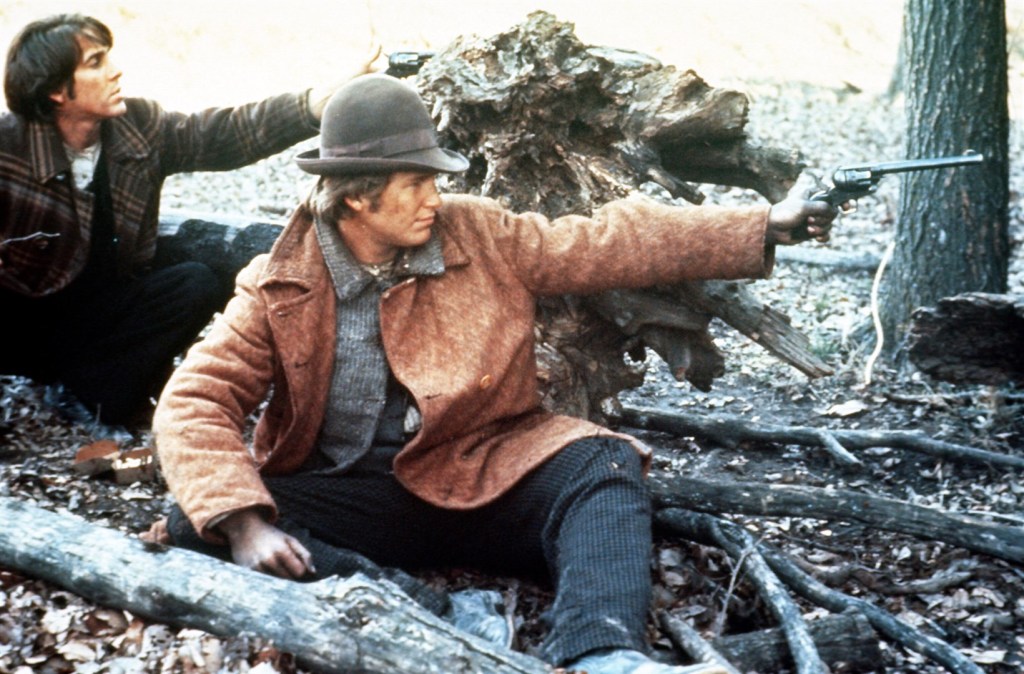
For over twenty-five years, the best collaboration between Jeff Bridges and David Huddleston was Bad Company, which told the story of an Ohio boy who gets entangled with the wrong crowd while fleeing the Civil War draft. Although that collaboration may have been topped in The Big Lebowski, their efforts in Robert Benton’s debut film remain impressive. And much of the credit belongs to Benton himself. He would go on to receive widespread praise for directing Kramer vs. Kramer and Places in the Heart, but his writing and directing skills were evident years earlier, despite receiving far less praise. Bad Company is an enthralling story about the company we keep, and the impact it has on our actions.
9. THE HEARTBREAK KID
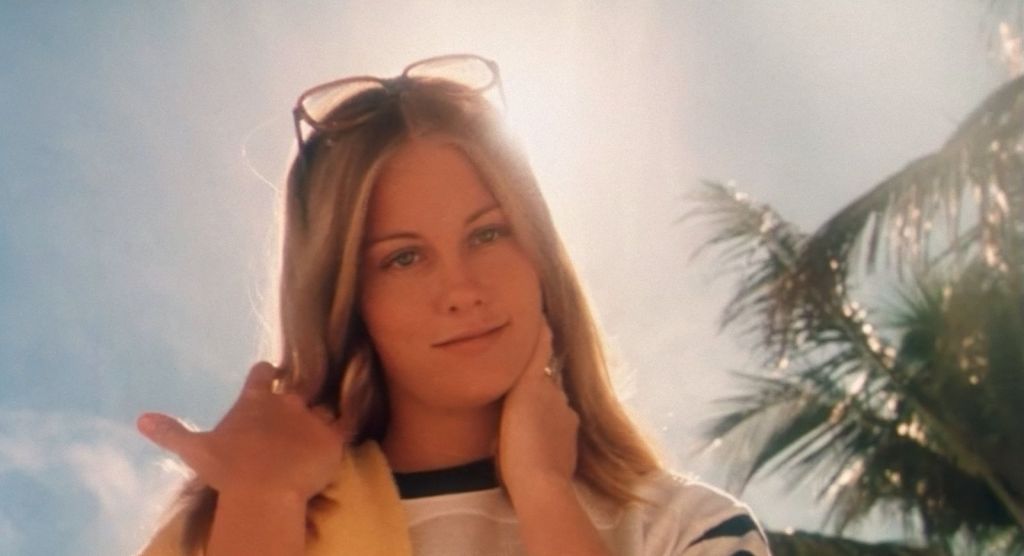
Fresh off her breakout debut role in The Last Picture Show, Cybill Shepherd chose to work with Elaine May for her sophomore film. May had only directed one film previously (A New Leaf), and she was best known for her sketch comedies with Mike Nichols, yet Shepherd’s decision to work with the inexperienced director would pay great dividends. She stars as Kelly Corcoran, the daughter of a wealthy Minnesotan man and the focus of Lenny Cantrow, an obsessive newlywed who is ready to trade in his wife when he meets Kelly on his honeymoon in Miami. What follows is a hilarious story that narrowly tops Woody Allen’s Play It Again Sam as the funniest film of 1972, and the masterpiece of May’s short-lived but impressive directorial career.
8. CHLOE IN THE AFTERNOON
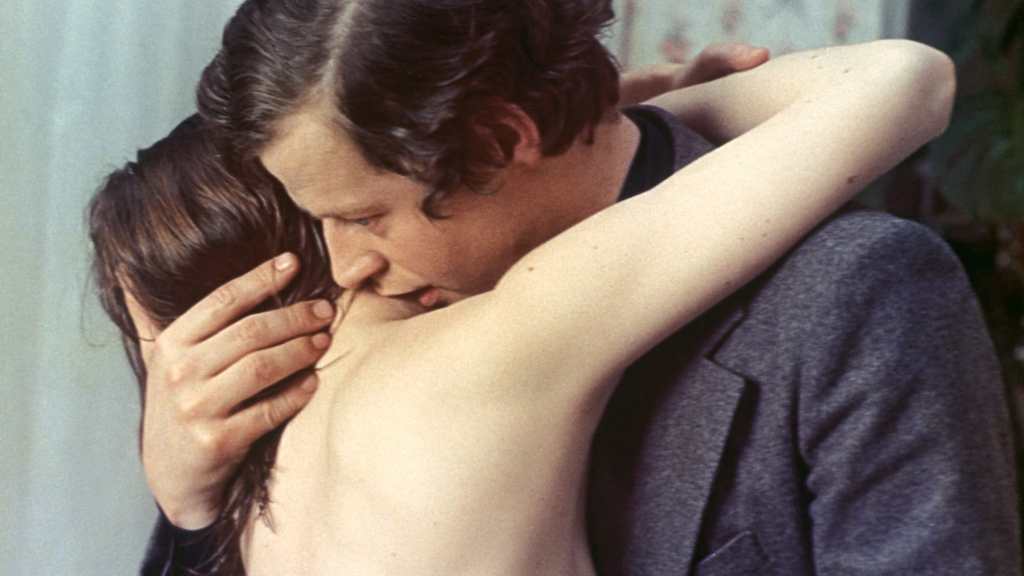
For me, Eric Rohmer’s “Six Moral Tales” series has had its ups and downs. The main relationship in Claire’s Knee – the film that many consider the best in the series – was a bit too strange to keep my interest. My Night at Maud’s, however, was a film that I found vastly underrated. The thing that made Maude work so well was that the relationship between the two leads was completely believable and the dialogue was authentic. Chloe in the Afternoon, the final film in Rohmer’s series falls somewhere between those two earlier films. The relationship between Frederic and Chloe never feels fully developed, yet their conversations remain quite engaging. But perhaps that’s also what makes Chloe in the Afternoon work so well, because Frederic, too, realizes that Chloe isn’t the one for him.
7. SOUNDER
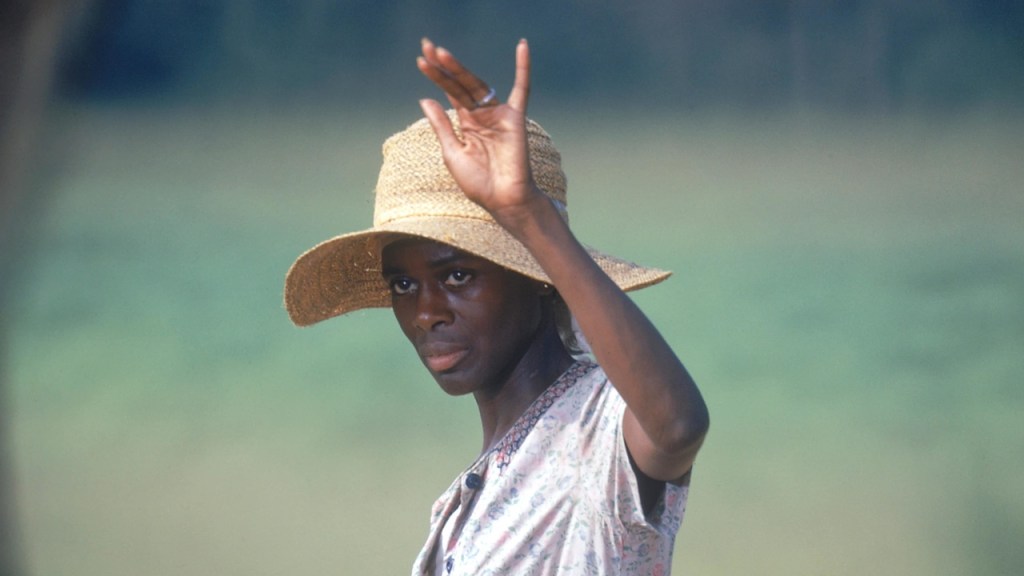
It’s certainly no stretch to say that Hollywood was embarrassingly slow when it comes to its treatment of black cinema. That’s why, even in 1972, it feels like such a rare treat to get a touching film that tells the story of a black family who would do anything for one another, even if it puts them behind bars. Powered by great performances from Paul Winfield and Cicely Tyson as a strong faithed couple determined to provide a better future for their children, the duo made Sounder the first film ever to have two black actors receive Oscar nominations from the same film. Sounder should have been the movie that made that trend a norm – because it’s that good. Unfortunately, it’d take another 21 years for that feat to repeat.
6. WHAT’S UP DOC?
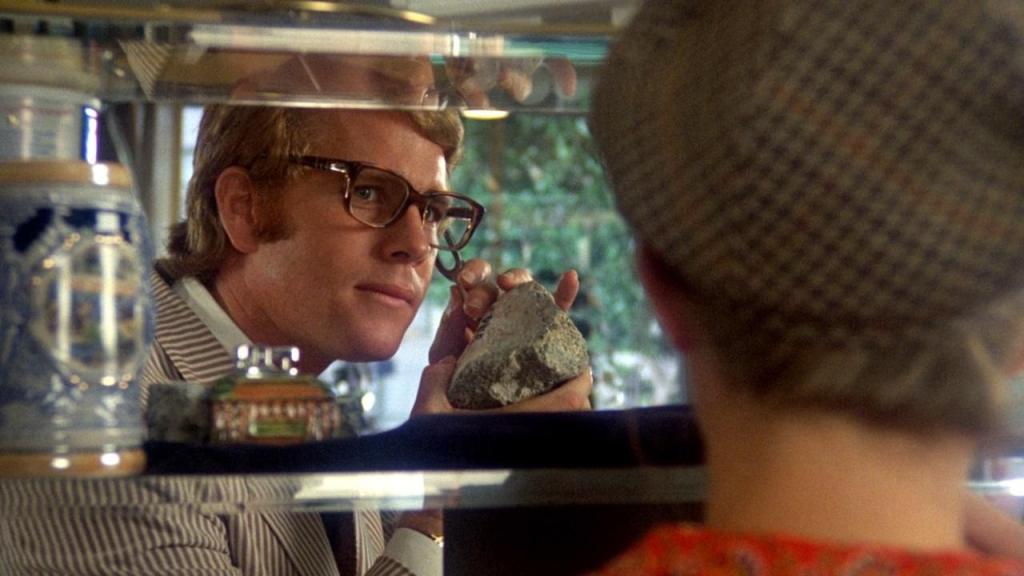
How could I not like a film that so brilliantly pokes fun at the cheesiness of Love Story’s most famous line? But that’s not all that Peter Bogdanovich’s brilliant follow up to The Last Picture Show spoofs: it also goes after Steve McQueen’s famous Bullit chase, Cary Grant and Katherine Hepburn’s Bringing Up Baby, and everyone’s favorite Saturday morning cartoon. And it parries each brilliantly, making What’s Up Doc? the best comedy of the year in a year that was quite strong for funny films.
5. FRENZY
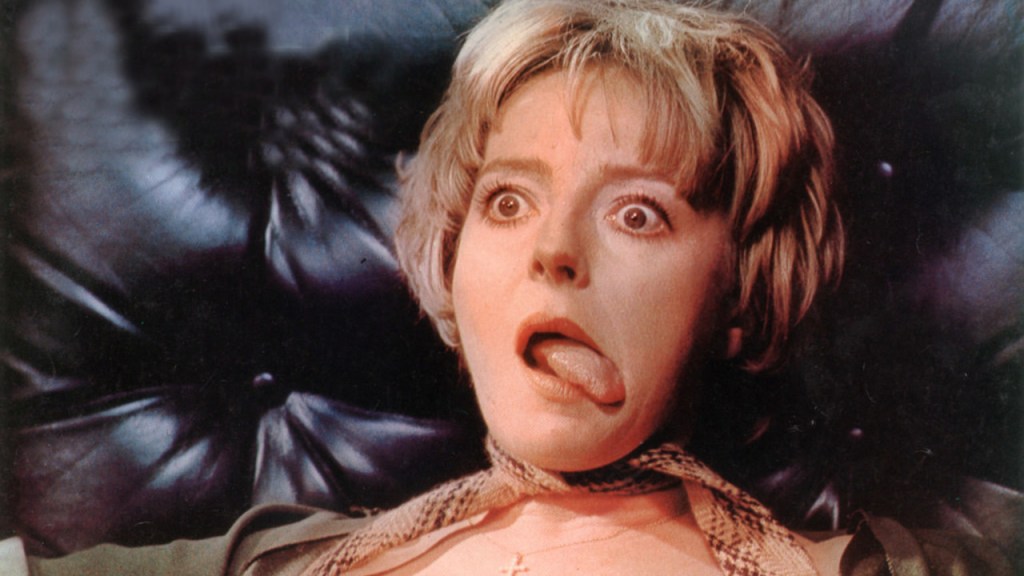
By 1972, many felt that Alfred Hitchcock’s brilliant career had come to an end. Then he released Frenzy, a fascinating murder mystery about a sexually frustrated middle aged man who murders women with his neckties and the man authorities wrongly target as the only suspect. The film, which had twists and turns that only Hitchcock could maneuver, would lead advertisers to tag it as “Hitchcock’s last masterpiece,” which certainly feels appropriate since he would only direct one more film before his death in 1980. Today, Frenzy is mostly forgotten behind the brilliance of Vertigo, Psycho, North by Northwest and a slew of other Hitchcock masterworks, yet it is no less enthralling and terrifying than it was in 1972 when it was crowned a masterpiece.
4. THE EMIGRANTS
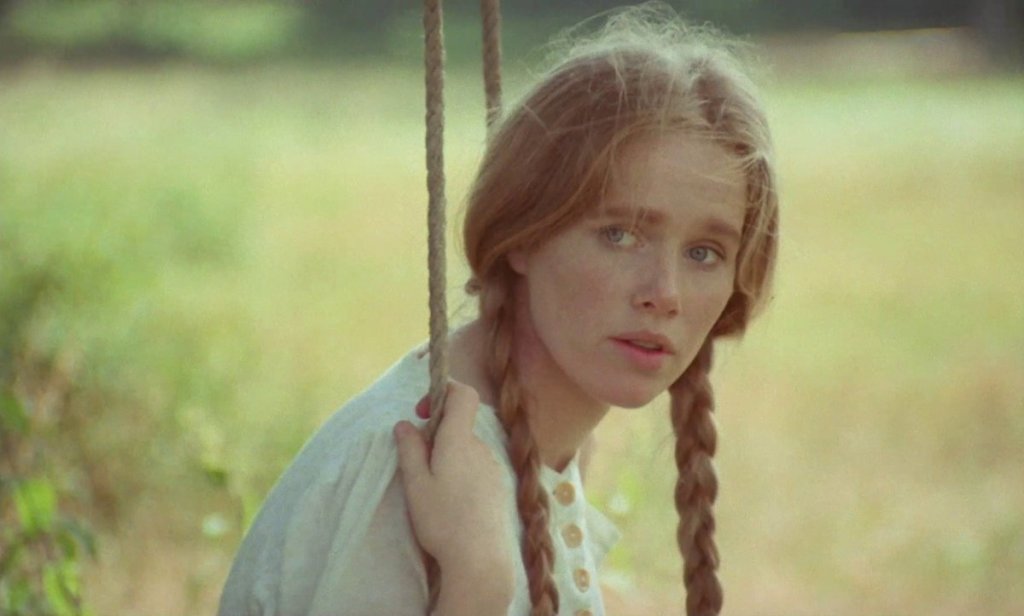
How quickly we forget the challenges our ancestors faced to pave a better future for us. Fortunately, Jan Troell reminds us with his wonderful, sincere tribute of a Swedish family who leaves their Swedish farm in hopes of a better future for their family. Liv Ullman, who may have been the best actress of the seventies, received her first of only two Oscar nominations for her work as a faithful but hesitant wife and mother. Perhaps even more embarrassing is that the Academy waited until 1989 to hand Max von Sydow an honor; his performance in The Emigrants as a kind but uncompromising husband matches the incredible talent of Ullman. The Emigrants is a heartfelt thank you to those who paved the way, and a film that paved the way for foreign films to come.
3. DELIVERANCE

Although it may mostly be remembered for its dualling banjo scene, John Boorman’s Deliverance deserves to be played in its entirety rather than in a two-minute YouTube clip. That’s because it’s one of the most fascinating adventure films ever made, despite being in created in an era where the genre was overpopulated and tacky. Deliverance tells the story of four men who decide to float down the Cahulawassee River before it is damned. Their fearless leader, Lewis Medlock has the skills to battle the raging rapids – the other three men do not. Yet, not even Lewis has the skills to survive the unfriendly strangers who occupy the nearby land. Deliverance is an enthralling adaptation of James Dickey’s 1970 novel, and one that deserves to be interpreted in film classes and by film lovers even today.
2. THE GODFATHER
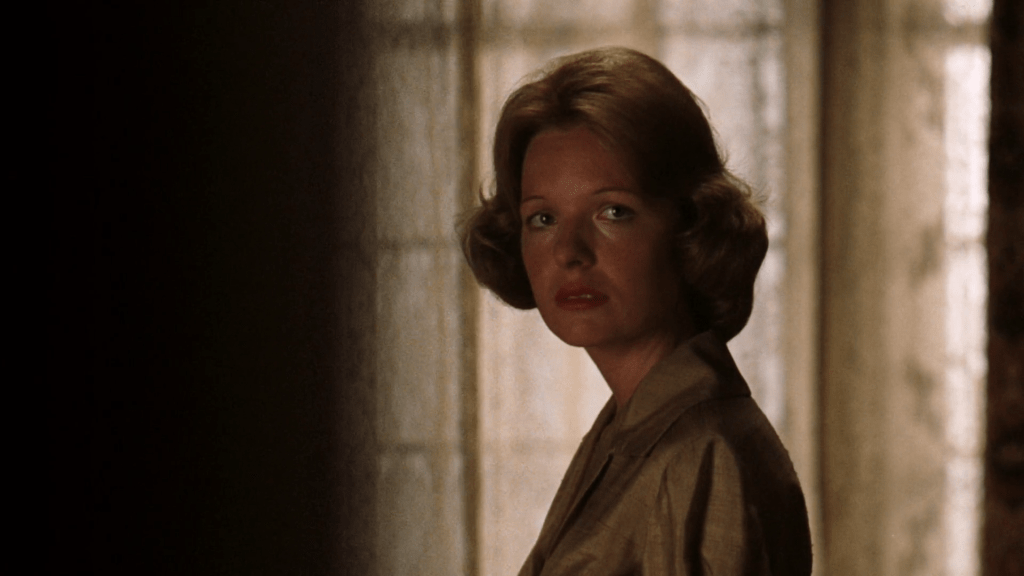
There are those who complain when The Godfather appears in the number two spot on all-time film lists, let alone as the second-best film of 1972, but let me make one thing clear: I too, feel that The Godfather is a masterpiece. The only problem is that it isn’t the only masterpiece of 1972. And when it comes down to it, I prefer Cries & Whispers appreciation for life over The Godfather’s boundless loyalty. That’s not to say that both films are nearly flawless, and The Godfather has certainly left a more eternal impact on the history of film, as endorsed by its countless quotes, endless imitators and with the careers it launched. And, just like Michael Corleone, I too will likely come around and join the family of audiences that proclaim it the greatest film of modern cinema in due time.
1. CRIES AND WHISPERS
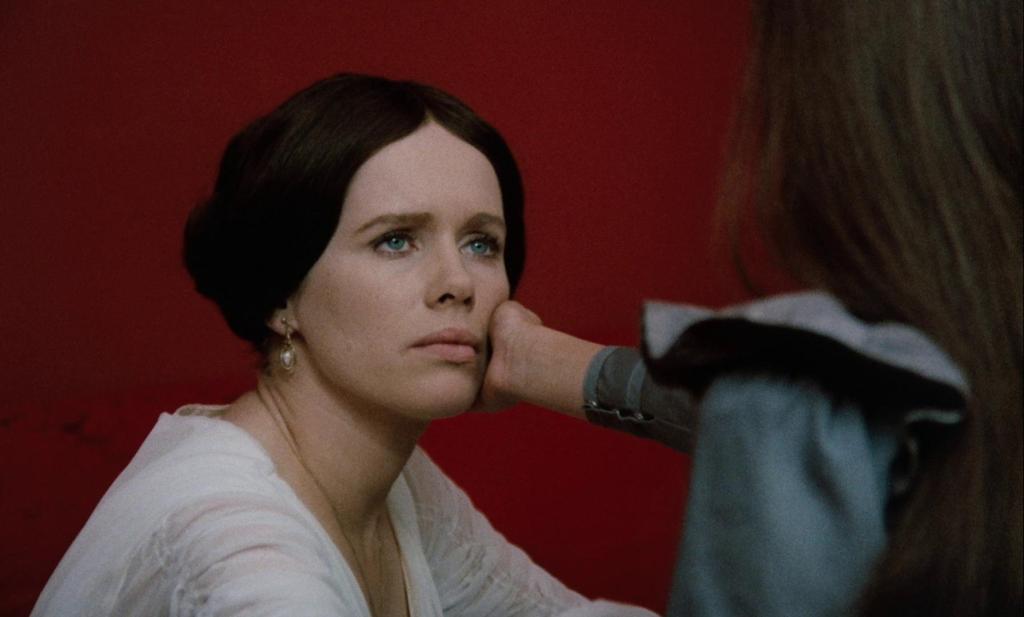
Picking any movie other than The Godfather as the best movie of 1972 may be enough for the Corleone family to send a hitman out on me, but even by today’s standards, I prefer Ingmar Bergman’s brilliant story about life, love and faith over Francis Ford Coppola’s epic gangster opus. Arguably the best of all of Bergman’s masterpieces, Cries & Whispers tells the story of three sisters who are reunited when one of them is diagnosed with uterine cancer. Bergman, who has told several semi-autobiographical films in the past, seems to have created one of his most personal films to date: a story that shows his lust for those who believe in an afterlife and his jealously of how faith comforts those in pain. Cries & Whispers is heartbreaking and emotionally draining, but it’s also a film that realizes that far too many wait to appreciate life until it’s too late.
 Entertainment Yearly