10. LAST TANGO IN PARIS
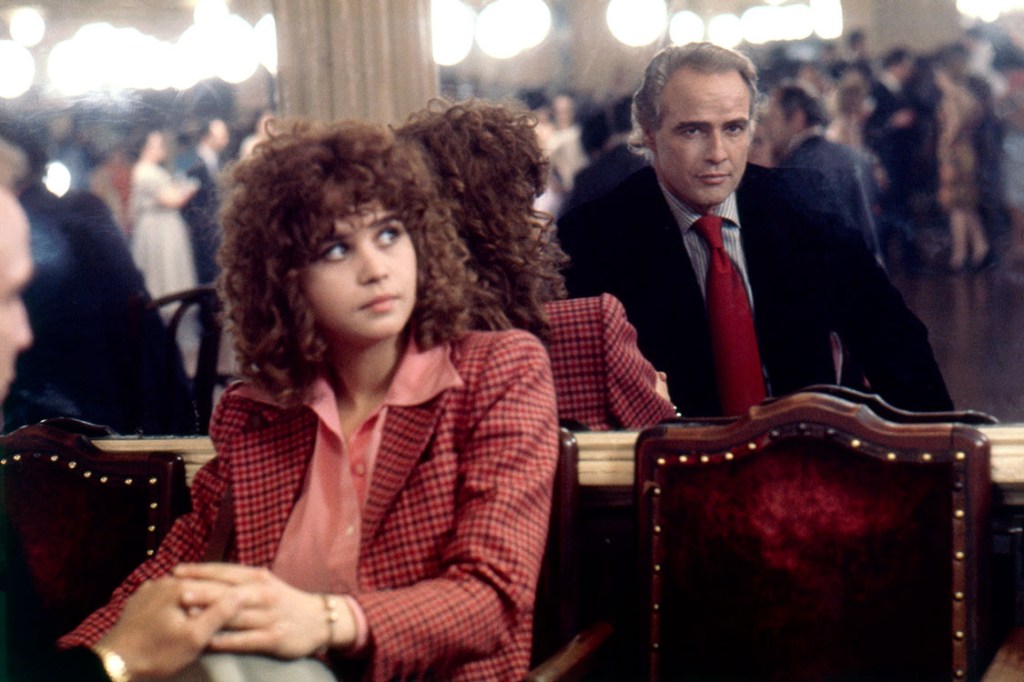
No movie made a bigger stir in 1973 than Bernardo Bertolucci’s racy arthouse drama, Last Tango in Paris. When the film premiered as the closing film of the New York Film Festival in October 1972, tickets sold for as much as $100, thanks to its limited screenings and enormous hype. Meanwhile, back in Italy, Bertolucci was arrested and thrown into jail for the film’s obscene nature and excessive nudity. Even by today’s standards, Last Tango in Paris remains daring, to say the least, even if its impact seems more limited than once thought. Perhaps it’s because it’s a film that is incredibly soulless. But it’s also an unforgettable film, thanks to a brilliant performance from Marlon Brando and some stunning cinematography. And in a year filled with unmemorable popcorn flicks, Last Tango in Paris remains one of the most unforgettable films of the year, for better or worse.
9. SERPICO
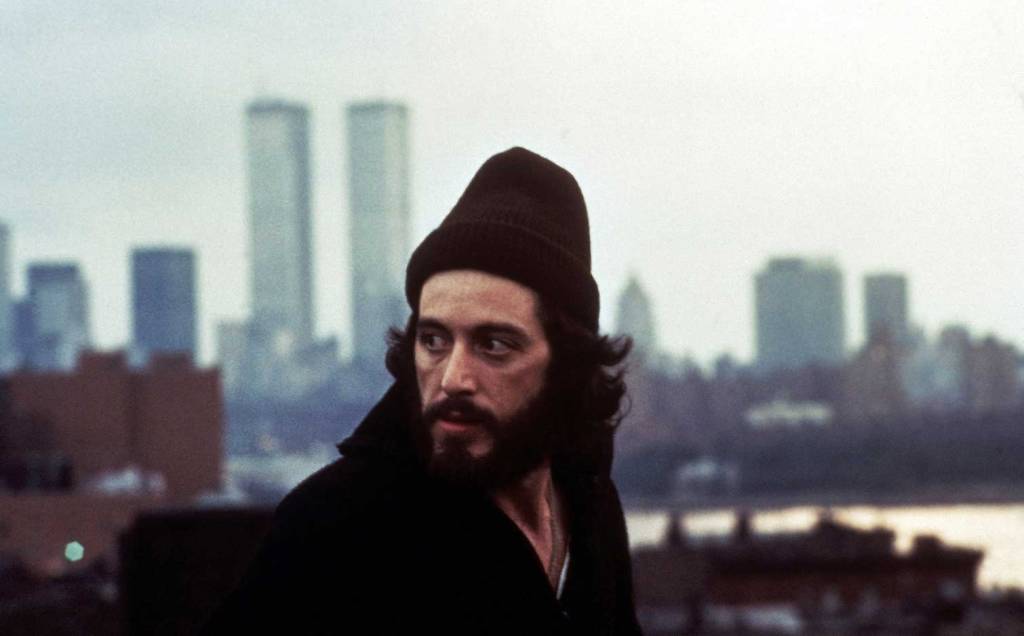
Over a four-year span, Al Pacino starred in The Godfather, The Godfather Part II, Dog Day Afternoon and Serpico. Not a bad start for a young actor, who only got his first role because of a strong fight from Francis Ford Coppola. Meanwhile, director Sidney Lumet would soon become an A-list director after releasing Murder on the Orient Express, Dog Day Afternoon and Network, all within three years of Serprico. With so much rising talent, it’s no wonder why the story of an honest New York City cop remains a fan favorite today. Pacino is perfect as the title character, balancing a thin line between bravery and concerned. It’s his performance that makes Serpico stronger than the other police thrillers of its error, and earns Serpico a spot on this best of 1973 list.
8. THE PAPER CHASE
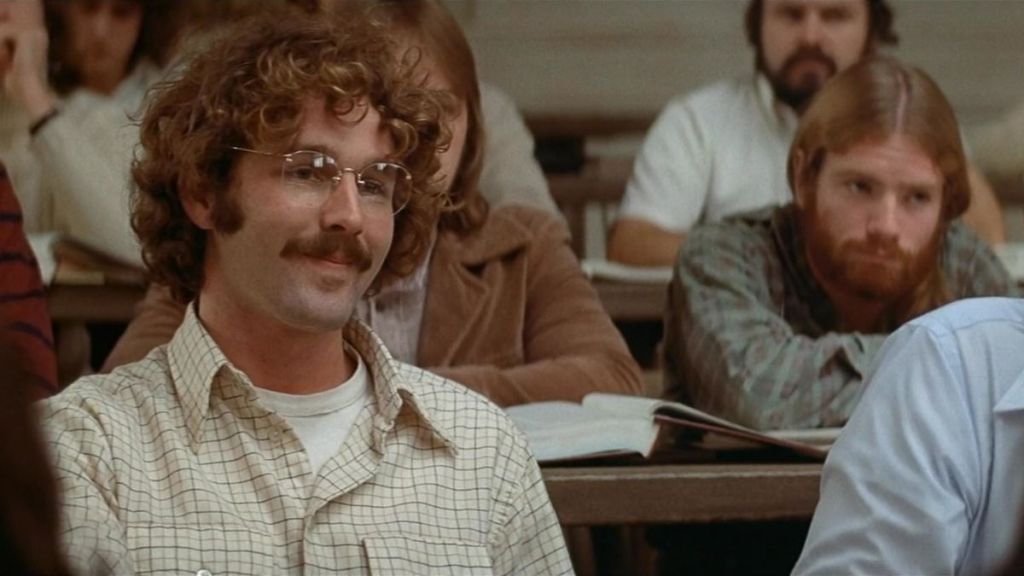
The Paper Chase made comparisons to Love Story in its ads, even though it couldn’t compare when it came to box office numbers. It did, however, compare in quality. Like Love Story, The Paper Chase is a college romance set at Harvard. This time, however, the boy is a smart, middle-class Midwesterner who must devout the majority of his times to his studies. And the girl is the professors only daughter. The Paper Chase isn’t revolutionary in an era that was for the movies, but it is one of the better romances of the early 1970’s. It’s sweet and lovely, and it contains one of the best supporting performances of the decade by John Houseman, a director of the Drama division at the prestigious Juilliard School.
7. THE STING
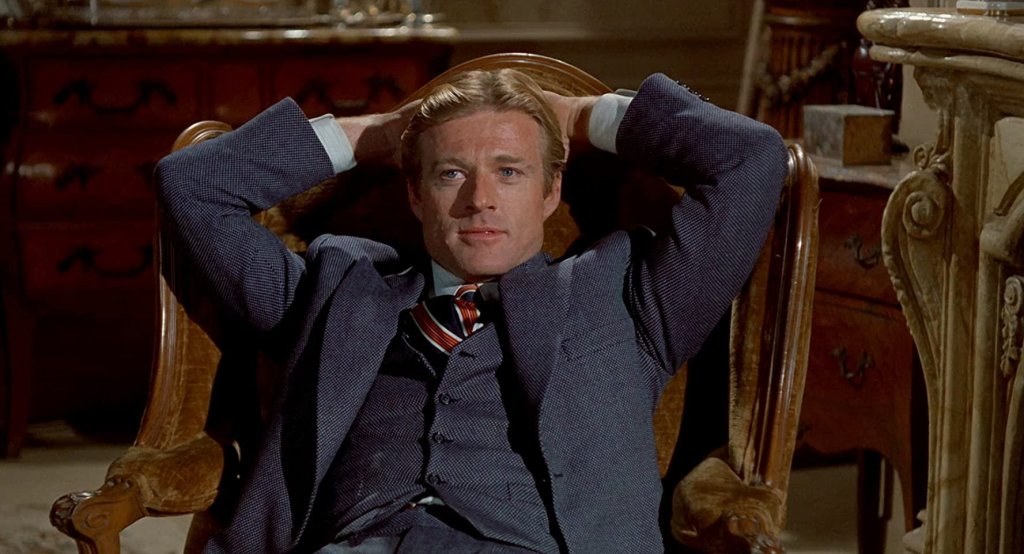
Certainly The Sting isn’t the best movie of 1973, even though the Oscars and box office would indicate otherwise. Still, it is a worthwhile follow up to Butch Cassidy and the Sundance Kid for Paul Newman and Robert Redford and a film that spawned a sequel and many imitators. This time, the duo jumps to the depression era 1930s, where they team up to pull off the ultimate con on a wealthy mob boss. The Sting remains a popular film today, likely because its stars are such a likely duo, but it doesn’t hold up the way that Butch Cassidy does. Then again, it doesn’t have to to stand out in a year like 1973.
6. THE LONG GOODBYE
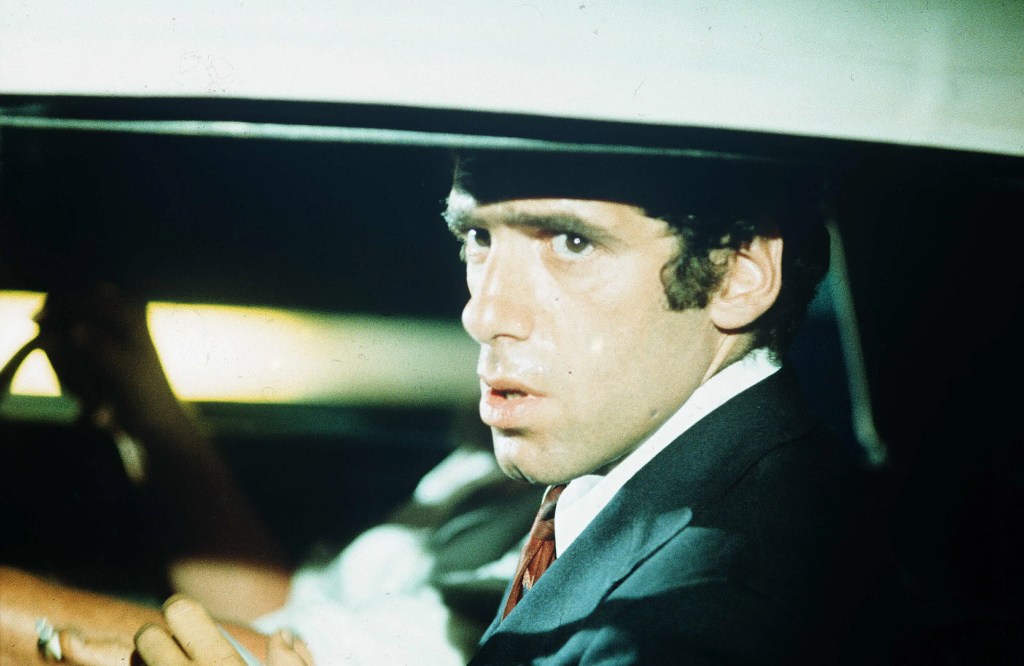
Movies from 1973 typically feel like they were made in 1973, but that’s not the case with Robert Altman’s smoky film noir, The Long Goodbye. With its ahead-of-its-time cinematography and discreet editing, The Long Goodbye feels like a 90’s Robert Altman film, instead of one that was made two decades earlier. Perhaps that’s why many critics didn’t particularly like The Long Goodbye when it was first released – although it’s disappointing ending also is probably a big reason for the hatred. Yet, despite a disappointing final act, 100 minutes of The Long Goodbye ranks alongside Altman’s best works, thanks to a great performance from Elliot Gould, visionary storytelling from Altman, and its mysterious story that boasts plenty of laughs along the way. The Long Goodbye may not be on par with The Big Sleep – the film most consider the best Raymond Chandler adaptation – but it is on par with the other films that were released in 1973.
5. THE NEW LAND
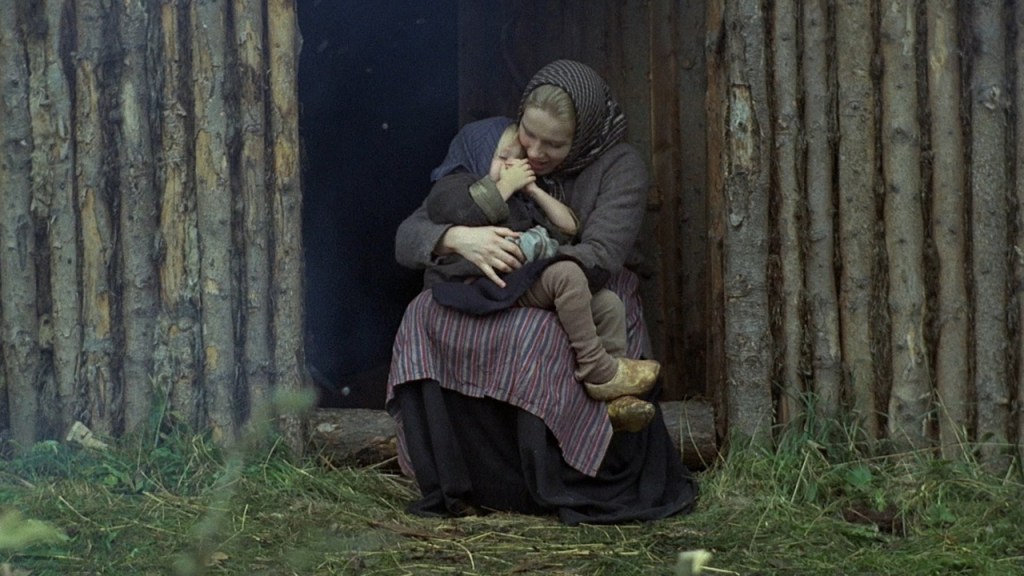
For a one-year period before the release of The Godfather Part II in 1974, Jan Troell’s The New Land may have been the greatest sequel ever made. Released just one year after The Emigrants, The New Land picks up where the original left off, with the young immigrants from Sweden settling in Minnesota. Much has changed for the young couple – they’re more hopeful and have more mouths to feed – but their struggles remain the same. Much like its predecessor, The New Land is a thank you note to our ancestors, who have paved the way for success for us future generations, but it’s also a reminder of the challenges and sacrifices that were made to get us where we are today. The New Land moves slow and is nearly three hours long, but even so we beg them for Kristina and Karl Oskar to hold on even longer.
4. THE EXORCIST
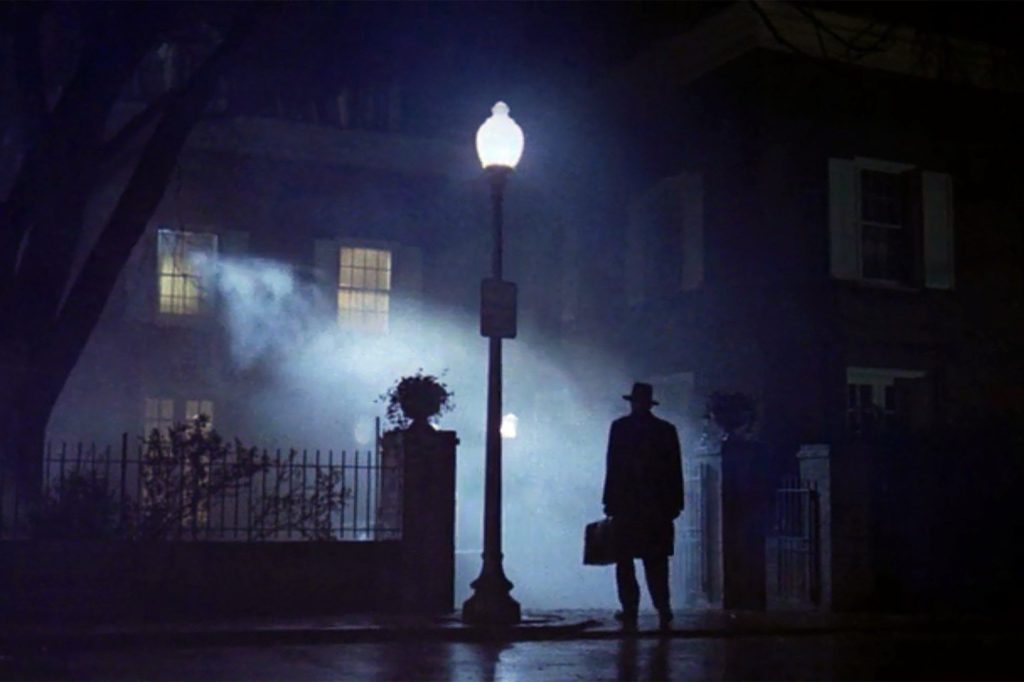
It’s somewhat surprising that The Exorcist became such a huge box office hit, especially given how unenjoyable the whole viewing experience is. William Friedkin’s follow up to The French Connection was never supposed to be a hit. In fact, it opened in only a handful of theaters across the United States before sell outs forced it to expand. Since then, The Exorcist has become a horror film classic, and one that is often cited as the greatest ever made. I personally find it more disturbing than scary, but there’s no denying how brave and well made the first film in the worn-out trilogy is. Powered by great performances by Ellen Burstyn and Linda Blair and a daring story, The Exorcist designed the blueprint for horror films to come. And, for a genre that pumps out a slew of films each year, The Exorcist remains the most shocking and unforgettable of its type still today.
3. DON’T LOOK NOW
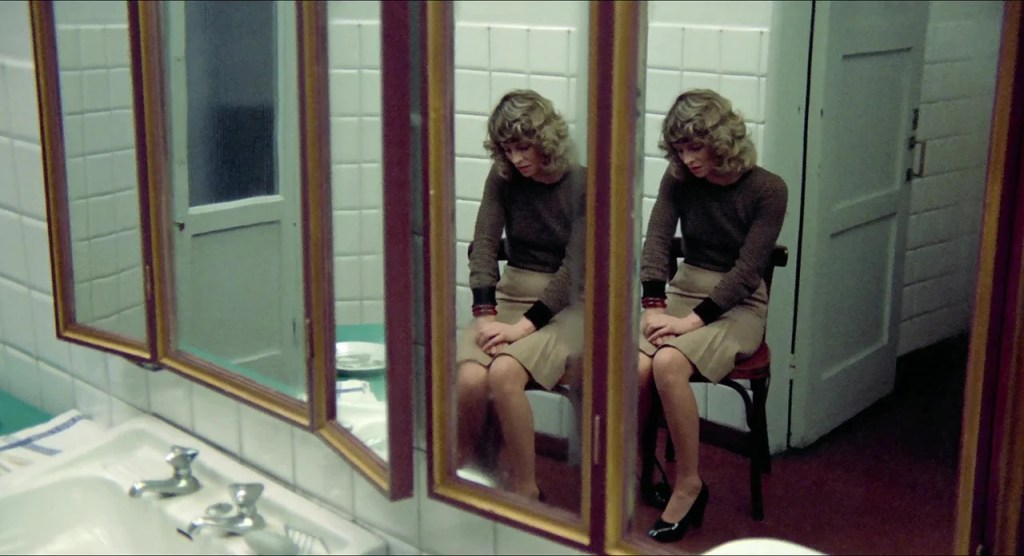
Longtime boyfriend Warren Beatty once described Julie Christie as ‘the most beautiful and at the same time the most nervous person I had ever known.’ Perhaps that nervousness is what makes Christie performance so unforgettable in Don’t Look Now, a film that for its first 140 minutes may just be the best movie of 1973. Christie plays a grief-stricken mother who recently lost her daughter in a drowning accident. She travels to Venice with her husband, in an equally strong performance by Donald Sutherland, and is drawn two elderly sisters, including one that claims to have psychic powers. Don’t Look Now is a dark psychological horror film that is filmed with enormous beauty. To me, its bizarre but unforgettable ending keeps it from ranking alongside American Graffiti and Paper Moon as the clear masterpieces of 1973, but it’s still better than anything else released during the year.
2. AMERICAN GRAFFITI
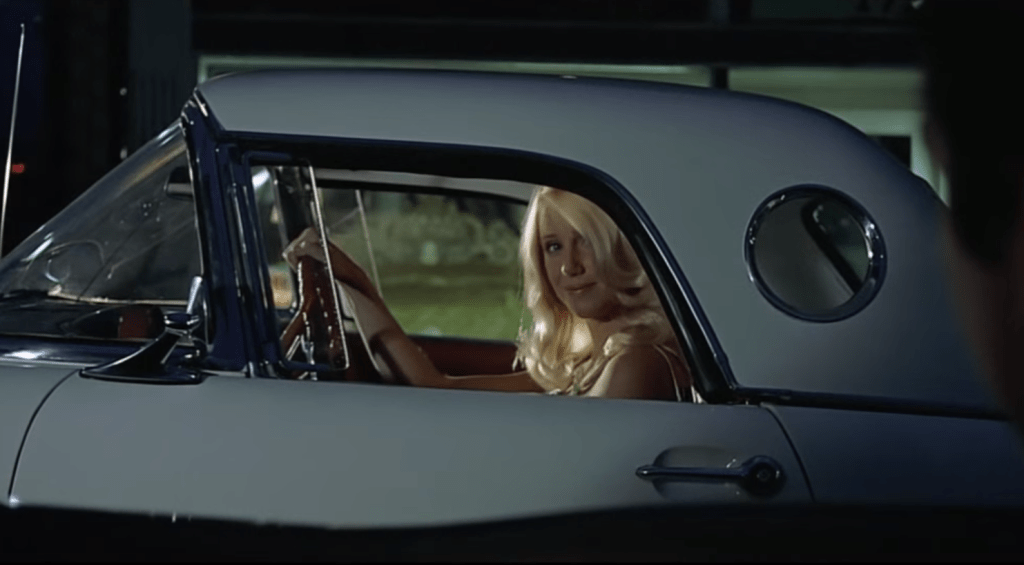
George Lucas will forever be known as the wonder kid who managed to turn even the cool kids into science fiction fans with his Star Wars franchise, yet his best film may just be his film debut, American Graffiti. It’s a film that takes us back to the early 1960s, an era where cars had class, the rock music scene was quickly evolving, and socializing meant going to high school dances or meeting at the local diner for a burger. And, with its incredible soundtrack that needs to be considered one of the best of all time, American Graffiti perfectly captures the era and created a blueprint for high school comedies to come. The only difference is that Lucas’s film is actually funny, sweet and perfectly nostalgic. A combo that very few of its imitators have been able to accomplish. Moviegoers can debate their favorite Star Wars film, but my favorite George Lucas film will always be American Graffiti.
1. PAPER MOON

The Sting may have taken home more hardware at the Oscars, but the year’s best con-artist duo wasn’t Robert Redford and Paul Newman, but rather Ryan O’Neal and his nine-year-old daughter, Tatum. The father-daughter duo team us a con man who sells Bibles during the Great Depression and a young girl who is a natural salesman. Paper Moon marked the third straight winning film from Peter Bogdanovich, and it’s arguably his best. If not the best, it’s certainly his sweetest film, thanks to an Oscar-winning performance from Tatum O’Neal, which would make her the youngest Oscar winner ever. The Sting may have won the big prize, but O’Neal’s win is more memorable to this day, as is Paper Moon itself.
 Entertainment Yearly