10. YOUNG FRANKENSTEIN
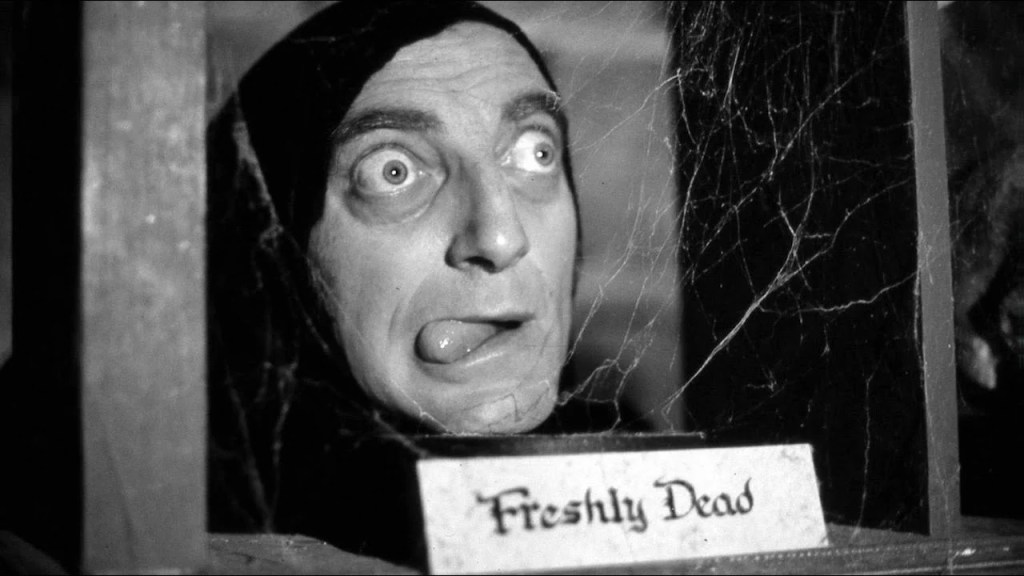
Mel Brooks gave us two of his very best films in 1974, with Blazing Saddles and Young Frankenstein. Which one is funnier is up for debate, but I feel pretty strongly that Young Frankenstein is the one more deserving to take the final spot in my best of 1974 list. That’s because it’s the more clever and more mature of the two – or at least the one that relies less on ‘passing gas’ jokes. Young Frankenstein tells the story of a scientist whose scientific breakthrough that resurrects a giant man. The scientist, played wonderfully by Gene Wilder, teaches his creation to sing and dance, but things go horribly wrong when he introduces Frankenstein to the world. Years before the Scary Movies and Airplanes of the world, Young Frankenstein found awinning formula to spoof earlier films – and very few of its predecessors have been able to do so as successfully as Brooks and Wilder did nearly fifty years ago.
9. HARRY AND TONTO

Paul Mazursky was one of the most acclaimed directors of the 1970s, as he strung together four straight critical darlings, from 1973’s Blume in Love to his most acclaimed film, An Unmarried Woman, in 1978. Yet my favorite Mazursky film is undoubtedly Harry and Tonto, which tells a rather simple but charming story of an old stubborn man who travels across America with his spoiled cat. Harry, who is evicted from his New York apartment which leads him to start his adventures, earned Art Carney an Oscar. It’s a great performance that carries the picture, even if it the award should have gone to either Nicholson or Pacino. Yet, while Chinatown and The Godfather Part II have better lead performances and are far superior to Mazursky’s film, one can’t blame the Academy for giving the award to a film that is much more uplifting, especially when it’s one of the funniest films of the year.
8. ALICE DOESN’T LIVE HERE ANYMORE

Most consider Mean Streets to be the first great Martin Scorsese film, but for me, it’s Alice Doesn’t Live Here Anymore. To this day, it remains his only film solely led by a female star – perhaps he was scared away from future projects due to the fact that the film received significant backlash from some who deemed it anti-feminist. Yet, Alice Doesn’t Live Here Anymore is anything but that. It tells the story of a strong single mother who knows what she wants and is determined to get it, but also is wise enough to consider what’s best for her twelve-year-old son during some rather desperate times. Ellen Burstyn, who became a Hollywood A-lister one year earlier from The Exorcist, gives one of the finest performances of her career as the mother who dreams of being a singer, but is desperate enough to settle for a waitress position. Alice may not achieve her dreams, but Burstyn had much better luck with hers, as she won a well-deserved Oscar for her performance.
7. LENNY
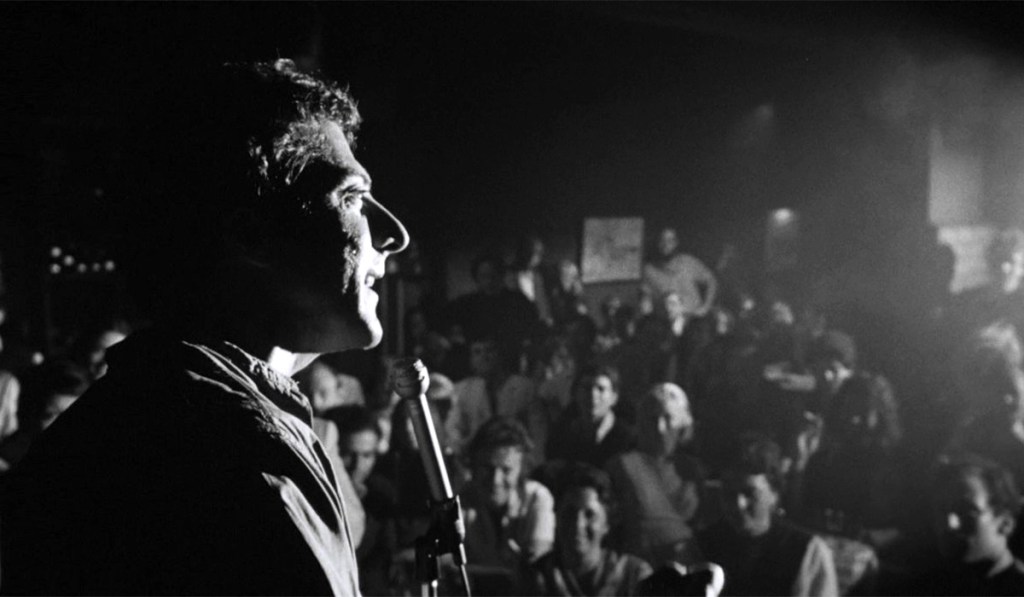
Nowadays, standup comedy clubs and four-letter words nearly go hand in hand. Lenny Bruce, who is often considered one of the greatest comedians of all time, is the person to thank for that. In the 1950s, he rose in popularity due to his daring routines about social commentaries that resulted in multiple arrests for obscenity. But even if you don’t find Bruce’s humor funny, there’s plenty to like in Bob Fosse’s biography about the man who changed comedy clubs forever, starting with the performance of Dustin Hoffman. Hoffman quickly emerged as one of the greats in the late sixties and early seventies, and Lenny further solidified stature. But keeping up with Hoffman in every frame is Valerie Perrine, an actress who gained some popularity through the seventies, but never again showed the acting chops quite like she does in Lenny. Her performance as Honey Bruce is heartbreaking, but also daring and layered. But for me, the thing that really stands out above all else in Lenny is its breathtaking black-and-white cinematography. It would earn Bruce Surtees the only Oscar nomination of his career, and would make Lenny the most beautiful tragic story of the year.
6. ALI: FEAR EATS THE SOUL
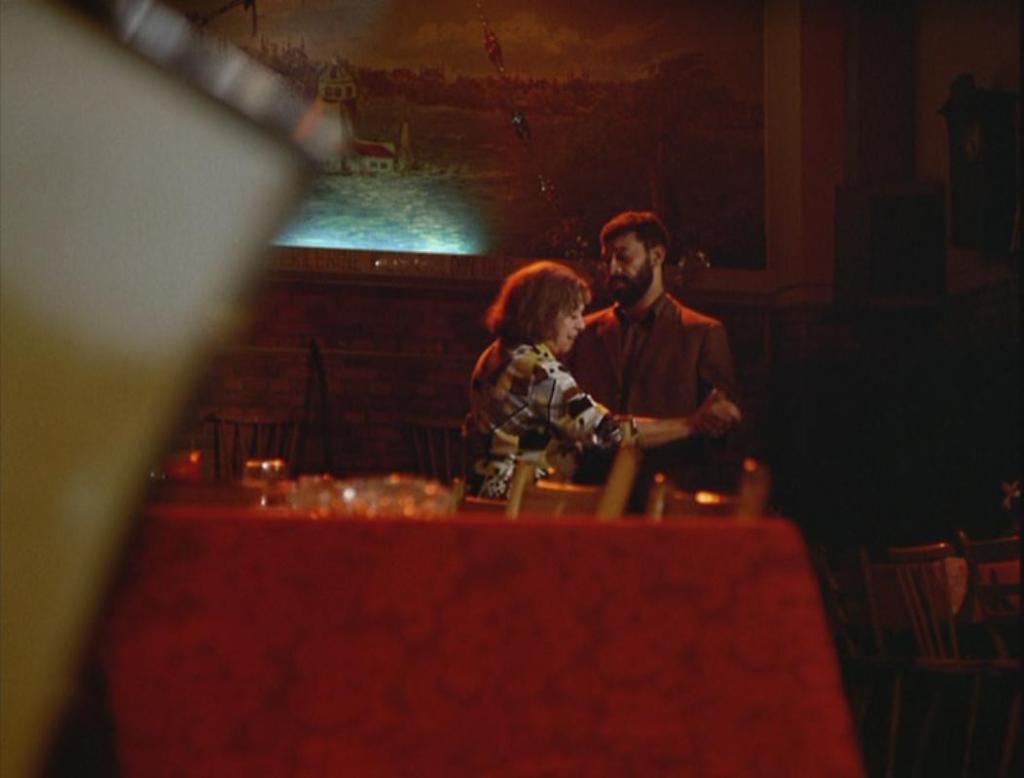
Shot in just 14 days, Ali: Fear Eats the Soul was never meant to be a major work for Rainer Werner Fassbinder, the talented German director who left this world much too soon in the early eighties. Yet, it may just be the director’s crowning achievement. Ali tells the story of a lonely widow who meets a Moroccan worker at a bar. Despite being much younger than her, he is encouraged to ask her to dance, in hopes of cheering her up. One thing leads to another, and soon the couple are married and battling prejudices from some of their closest friends and families. The interrelationship alone makes Ali one of the most daring films of the seventies, but what makes it brilliant is how Fassbinder never reveals whether they’re in love, or simply just happy with the things that come with the relationship. For her, it suffocates the loneliness she’s felt for years and it gets him out of a challenging financial situation and puts him in a different class in society’s eyes. Perhaps it’s both?
5. SCENES FROM A MARRIAGE
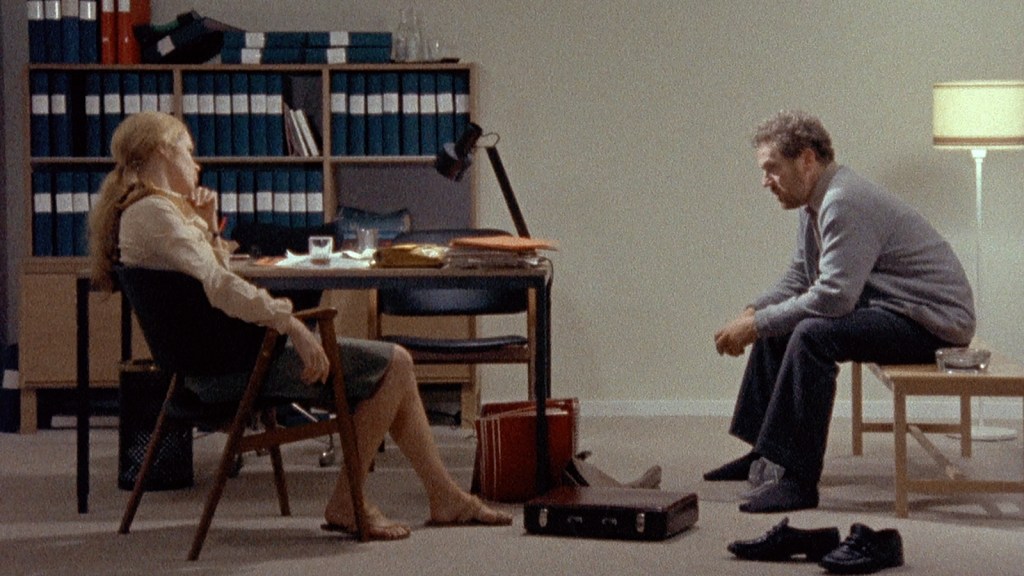
Years before there was Jessie and Celine, Ingmar Bergman brought us Johan and Marianne, a middle-aged couple who have honest conversations about their marriage and desires. Johan, whose confidence unravels over time, meets a younger woman who he wants to be with. Marianne, who is played by the wonderful Liv Ullmann, struggles with the announcement but finds comfort over time. Scenes From a Marriage was released just one year after Bergman’s brilliant Cries & Whispers, and was originally a six hour made-for-TV miniseries. Yet, despite the short turnaround time, Bergman clearly did not cut corners. Scenes From a Marriage is one of his most honest, understanding, dedicated and thoughtful pictures, which are qualities that should make for a strong marriage – even though Bergman had five of them.
4. HEARTS AND MINDS
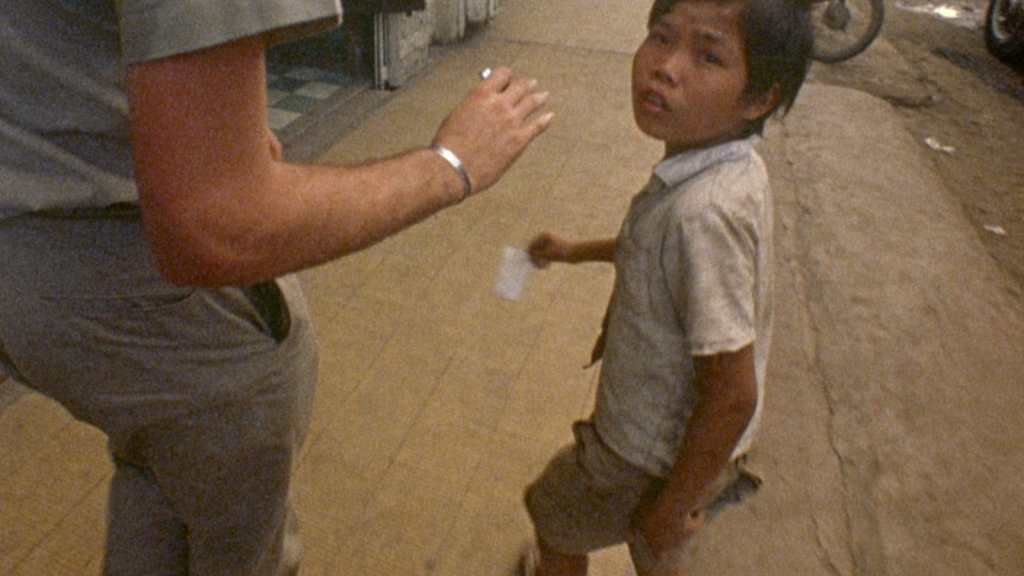
From 1964 to 1968, Lyndon B. Johnson reportedly emphasized the phrase “winning hearts and minds” an astonishing 28 times, referencing the importance of earning the loyalty of the Vietnamese people. The Vietnam War, as so obviously demonstrated in Peter Davis’s brilliant documentary, did anything but that. Rather, as the film clearly demonstrates, the war brainwashed American soldiers, corrupted the American government, and killed countless innocent Vietnamese citizens, including children. But viewers could get that from the nightly news. What makes Hearts and Minds stand out as one of the great documentaries of all time is its bravery and comprehensiveness, and how it forever changed the art.
3. THE CONVERSATION
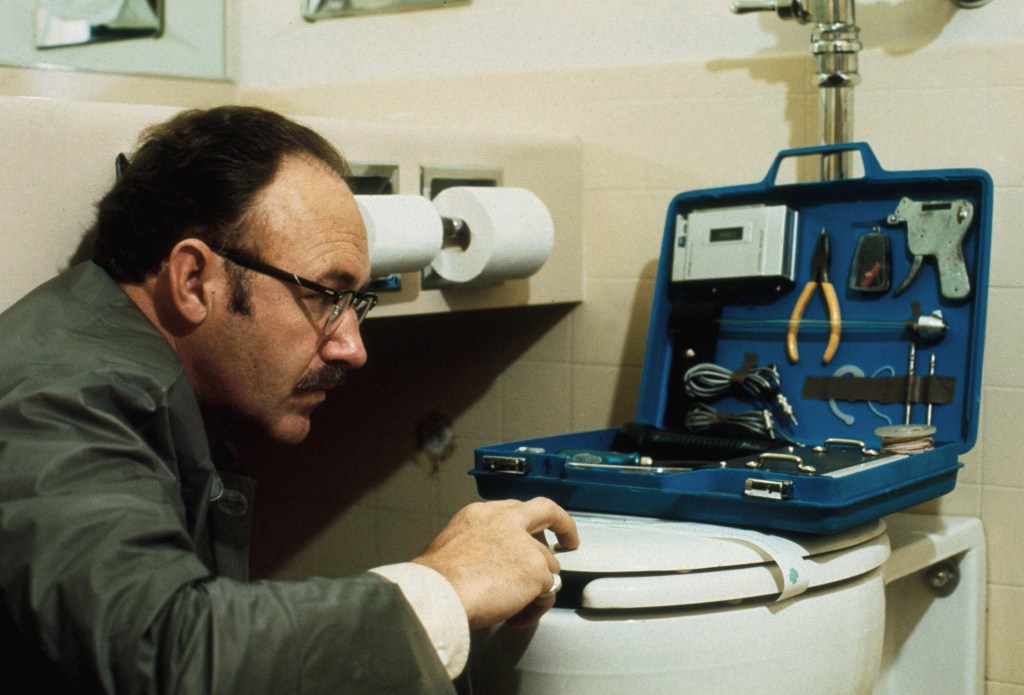
By 1974, trust was at an all-time low in America. First, Americans believed they were lied to about Vietnam, and then Watergate happened, washing away any remaining trust in the government. Harry Caul, the central character in Francis Ford Coppola’s brilliant film The Conversation, captures the paranoia and distrust of an entire generation. Played wonderfully by Gene Hackman, Caul is a freelance surveillance expert who is tasked to spy on a young couple. However, the devout Catholic is ridden by guilt from a past project, and begins to suspect that the young couple will be murdered. The Conversation was one of two films directed by Coppola in 1974, and often seems to be overlooked by some of his other masterpieces. However, Coppola himself cited The Conversation as his personal favorite film, and although he made Apocalypse Now and two Godfather films, it certainly is still a very acceptable selection.
2. THE GODFATHER, PART II
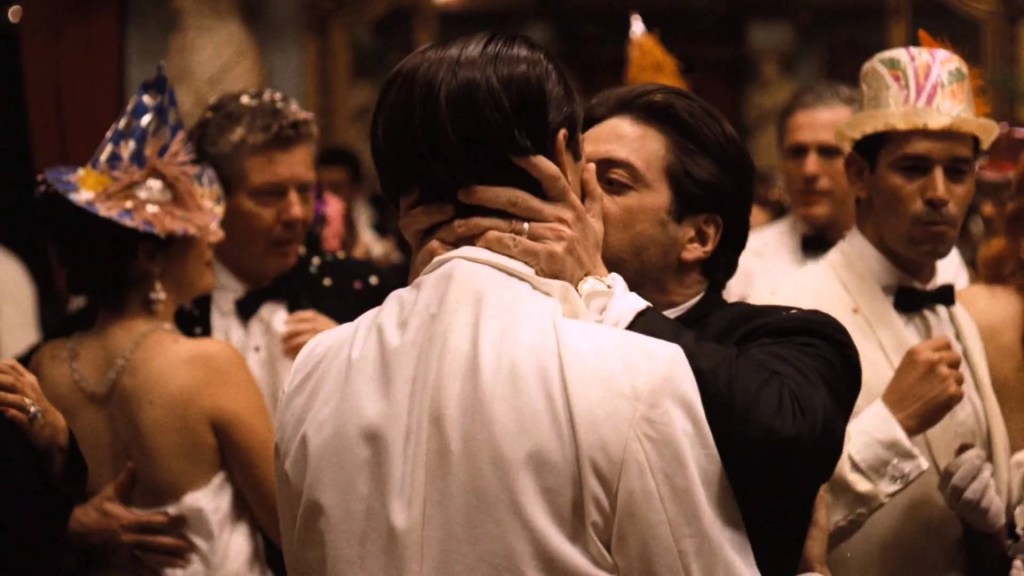
I’m in the minority, but I actually prefer Francis Ford Coppola’s sequel to The Godfather more than its predecessor for one simple reason: it’s more entertaining. Despite its hefty running time of 202 minutes, The Godfather Part II flies by, effectively intertwining the rise of Vito Corleone with the fall of his son Michael. At the time of its release, some critics dismissed Part II, calling the Vito storyline distracting. I call it fascinating, and an incredible portrayal of the contrasts between a man who would do anything for his family, and another who would do anything to protect himself. The Godfather may have more memorable moments, but The Godfather Part II is more unpredictable and heartbreaking than its predecessor.
1. CHINATOWN
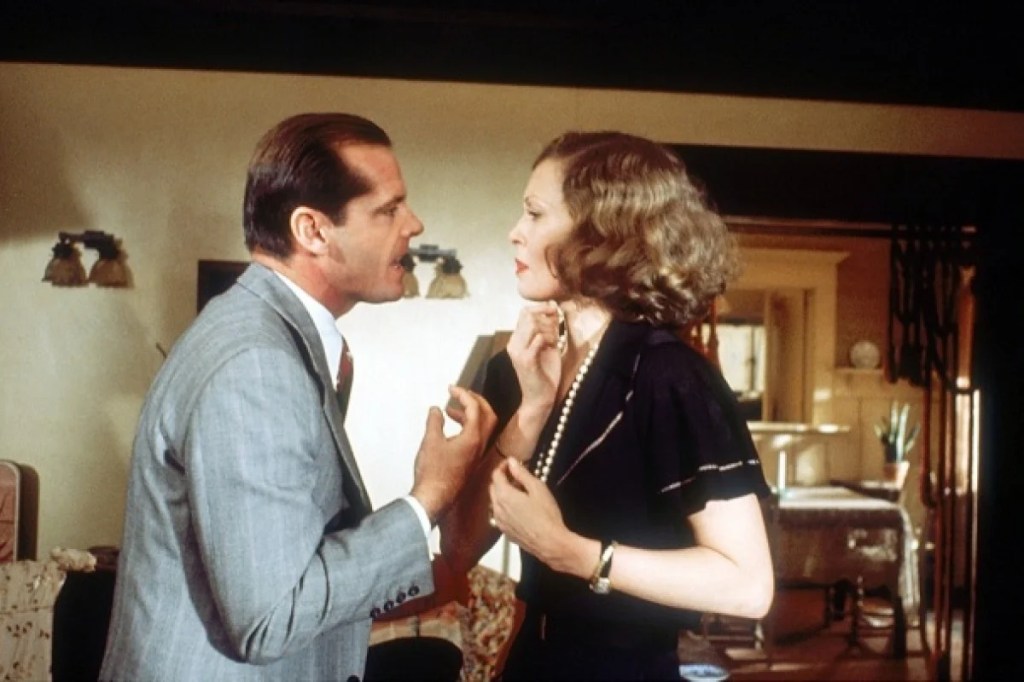
No year in the history of cinema had a better top two films that 1974. And as great as Francis Ford Coppola’s Godfather sequel is, Chinatown deserves the top spot. Simply put, there’s a reason why Robert Towne’s script is often ranked alongside Citizen Kane, The Godfather, and Casablanca as one of the greatest screenplays ever written. It starts simple, by telling the story of a nosy detective, who is hired by a mysterious woman to investigate the cause of her husband’s death, but quickly twists and turns into the most brilliantly constructed film noir in the history of cinema. Roman Polanski’s reputation has tarnished the film a bit, and has even caused it to fall out of some polls, including the prestigious Sight and Sound poll. But to ignore its brilliance – a brilliance that is powered by Towne, Nicholson and Dunaway – simply gives its message more relevance: that influence may be purchased by those with power, but that doesn’t mean they’re right. And the Sight and Sound poll certainly wasn’t when it kept one of the great films in the history of cinema out of its countdown.
 Entertainment Yearly