10. HESTER STREET
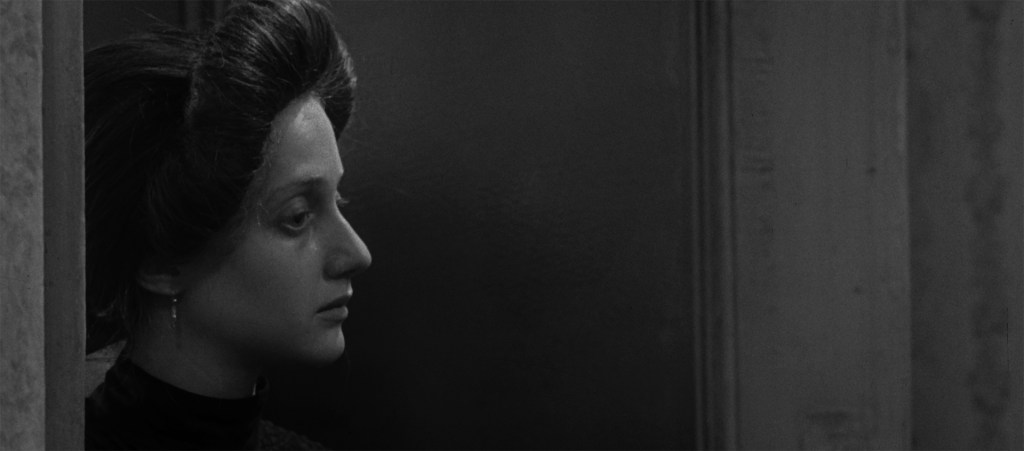
Despite being filmed in black and white fifty years ago, Joan Micklin Silver’s Hester Street feels incredibly modern yet today. Perhaps it’s because the struggles – both in relationships and our desires to fit in – remain so relevant still today. Hester Street tells the story of a Jewish immigrant who moves from Russia to meet her husband in America, only to find that he has conformed to the ways of America. All of the things she held so important – her religion, values, and family no longer are shared desires of her husband, who has also changed his name to Jake to fit in with American culture. Hester Street is a film that remains one of the best kept secrets in the history of cinema, which is too bad because it’s a film that deserves to be seen.
9. A BRIEF VACATION
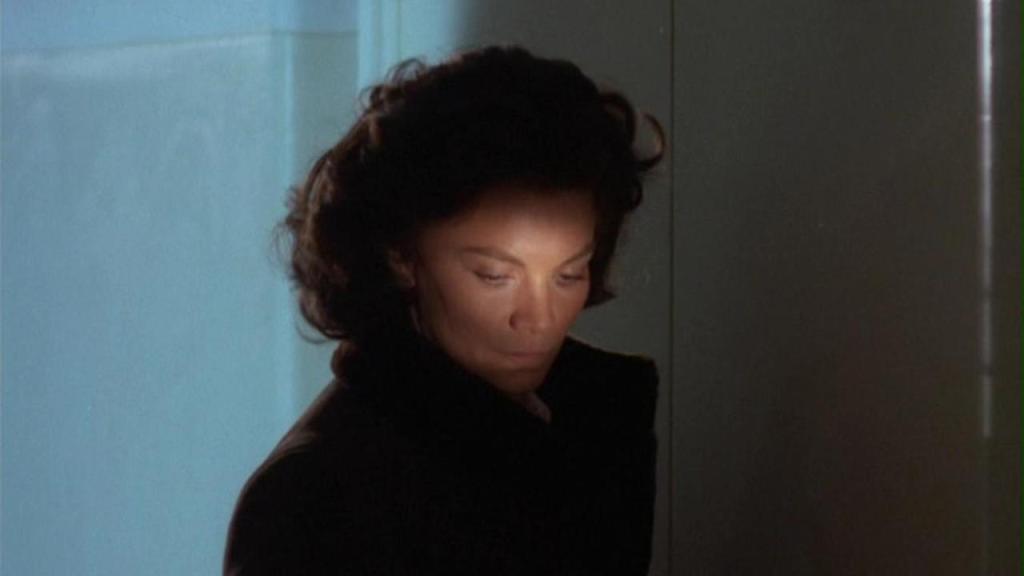
A Brief Vacation is a political drama, a social class study, and an examination of the healthcare system, but at its strength, it’s the story about a woman whose sickness allows her to feel happiness for the first time in a very long time. One of Victorio De Sica’s finest films, A Brief Vacation tells the story of an unhappily married woman who travels to a remote mountainside hospital to recover from tuberculosis. However, the real medicine that she needs is a break from her abusive husband, and needy in-laws. DiSica, who also directed Bicycle Thieves, knows how break our hearts, and A Brief Vacation does sadness as well as any other movie from 1975. But like many of the great movies of the year, it also has a flaw: it simply tries to do too much. But is too much of a good thing really all that bad?
8. SWEPT AWAY

There’s plenty to not like about Swept Away: the sexism, the racism, the cruelty, the violence, and of course the rape. But there’s also so much to like: the careful study on class and power and human nature, the humor, and the fact that it’s all so dang entertaining. Director Lina Westmuller, who later became the first woman ever nominated for a directing Oscar, has explained that the characters meant to represent a man and a woman, but rather the communist and capitalist parties. Her point seems to be that all politics have some level of cruelty to them, and perhaps that’s enough to forgive the film for its heartless characters. But even if you find it hard to forgive them, it’s much harder to deny how easy it is to get swept away in the story.
7. LOVE AND DEATH
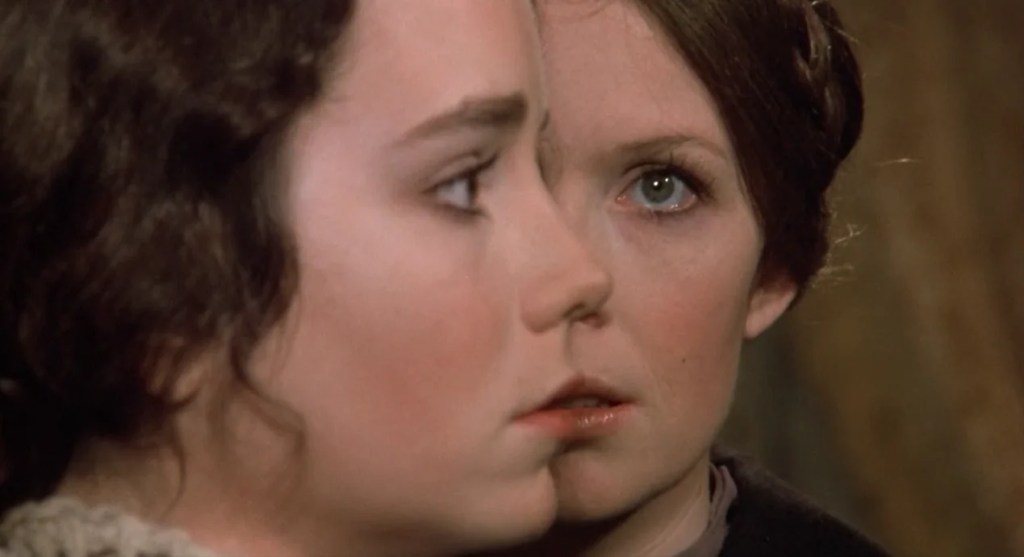
As he neared his masterpiece, Annie Hall, each of Woody Allen’s films became noticeably better, with Love and Death being his masterpiece to date. The story about a cowardly Russian soldier who is persuaded by his beautiful cousin to assassinate Stalin still ranks alongside Allen’s funniest and most entertaining films. Filled with those trademark Woody Allen one-liners and that Buster Keaton-esque timing, Love and Death proves that even communist Russia can be funny. Meanwhile, Diane Keaton was given her juiciest role with Love and Death, which proved that her comedic humor was a perfect match for Allen’s brilliant writing. They say that death and taxes are the only certain things in life, but I would bet that you’ll almost certainly enjoy Love and Death, too.
6. SHAMPOO
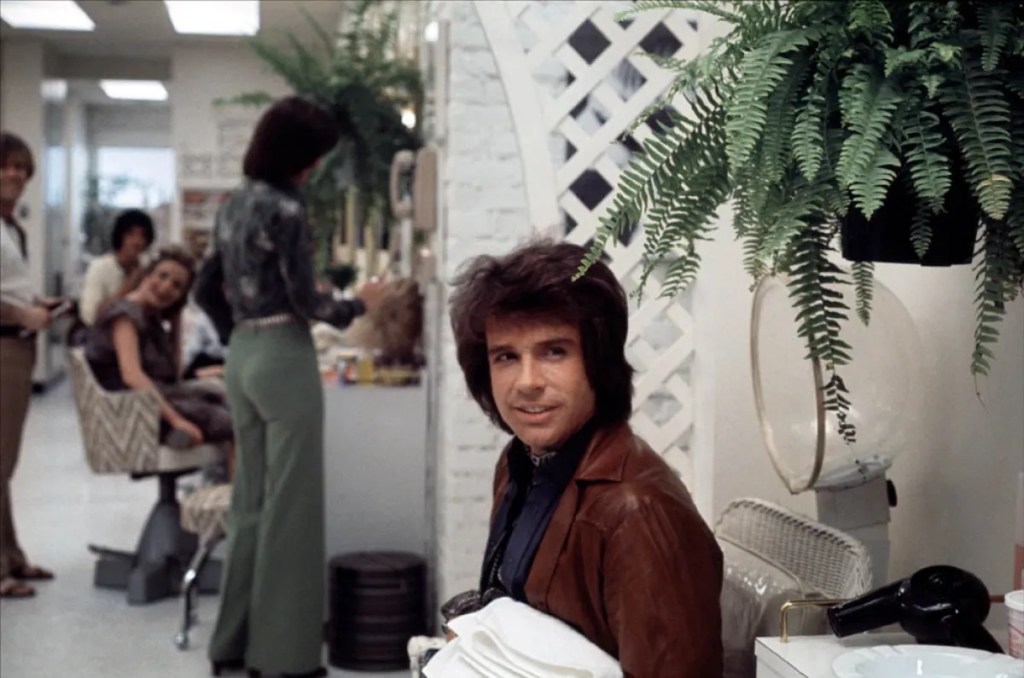
The writing for Shampoo started many years before its release, and it may have been an even bigger hit if it had been released alongside the Easy Riders and Midnight Cowboys of the late ‘60s. But it is a perfect movie for 1975, too. Released just one year after Nixon’s resignation, Shampoo paints the picture of a youth that had little interest in the election, despite living some pretty liberal lifestyles. One could argue that, at its core, it’s a story that argues that Nixon won the election due to a lack of interest from those who opposed him. It tells the story of George, a hairdresser than women love and men question. George isn’t particularly likable. He’s a selfish, entitled womanizer who thinks he should always get what he wants. Audiences, like George, get very close to getting what they want in Hal Ashby’s picture, which ranks alongside his best. Like Nixon in ’68, Shampoo is a winner with some arguably forgivable flaws by today’s standards.
5. BARRY LYNDON
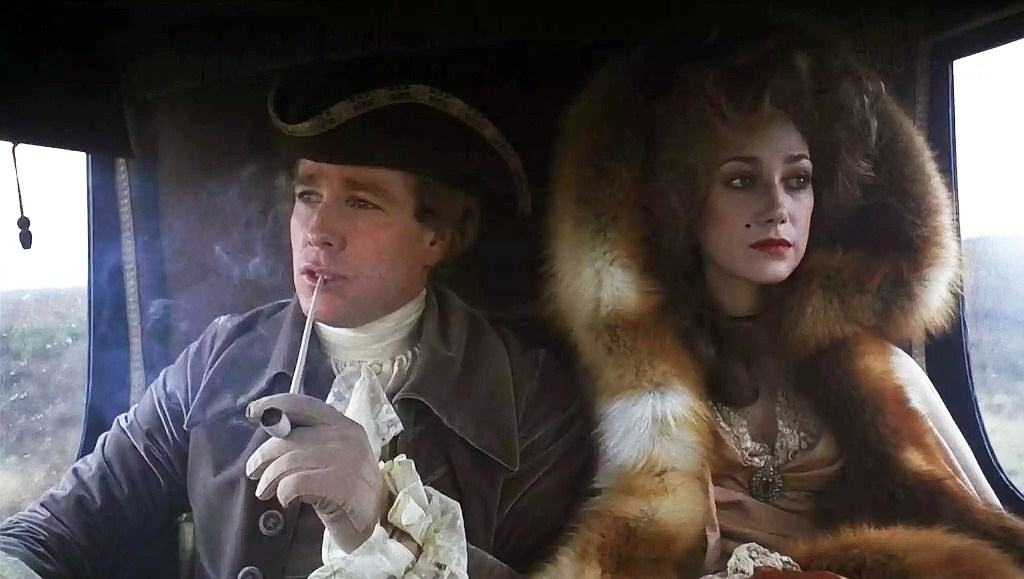
Although his movie of the year streak that started with Dr. Strangelove ended in 1975, Stanley Kubrick’s Barry Lyndon may just be the best movie ever made about the insanity of duels. The title character, which marked the last great role for Ryan O’Neal, tells the story of an Irish soldier who marries a rich widow and quickly becomes a socialite, despite enormous animosity from his stepson. Duels are a major theme of Barry Lyndon, from the opening sequence of when we find his father was killed in a duel, to the unforgettable final act. Kubrick, who showed enormous craftsmanship in 2001: A Space Odyssey and A Clockwork Orange, does so here as well, creating the first period piece film of its kind. Barry Lyndon is poetic, beautiful, and deeply horrific all at the same time – a formula that no one has ever perfected at the level that Kubrick did during the sixties and seventies.
4. ONE FLEW OVER THE CUCKOO’S NEST
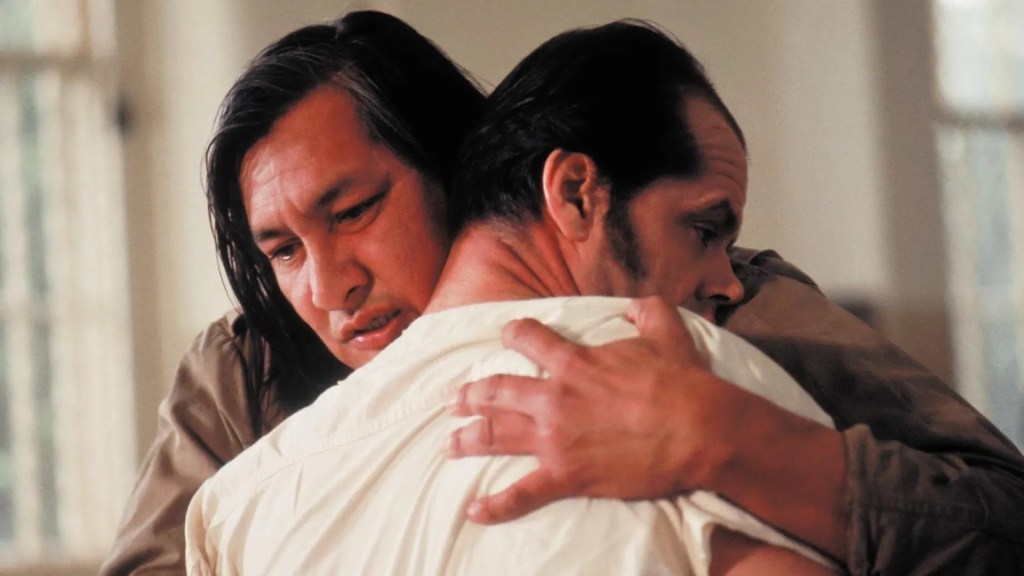
Still only one of three films to ever sweep the Oscars, One Flew Over the Cuckoo’s Nest would be worthy of that claim if it hadn’t arrived at such a momentous year at the cinema. In fact, all the awards still seem fairly worthy today, with the exception that Milos Forman somehow beat out Steven Spielberg and Robert Altman for the Best Director prize. Yet, Forman does deserve credit for getting such strong performances out of Jack Nicholson and Louise Fletcher, and for keeping Ken Kesey’s story moving.
By 1975, a strong Nicholson performance was certainly expected, but his performance as McMurphy may just be his absolute best. Fletcher, on the other hand, would never again reach the heights of her performance as Nurse Ratched, a psychiatric ward nurse who refuses to let the disruptive but popular McMurphy go unpunished for his rebellious actions. One Flew Over the Cuckoo’s Nest has plenty of problems that were overlooked by the Academy, but it’s easy to forgive a film for its shortcomings when it tugs at heartstrings that so few movies can.
3. DOG DAY AFTERNOON
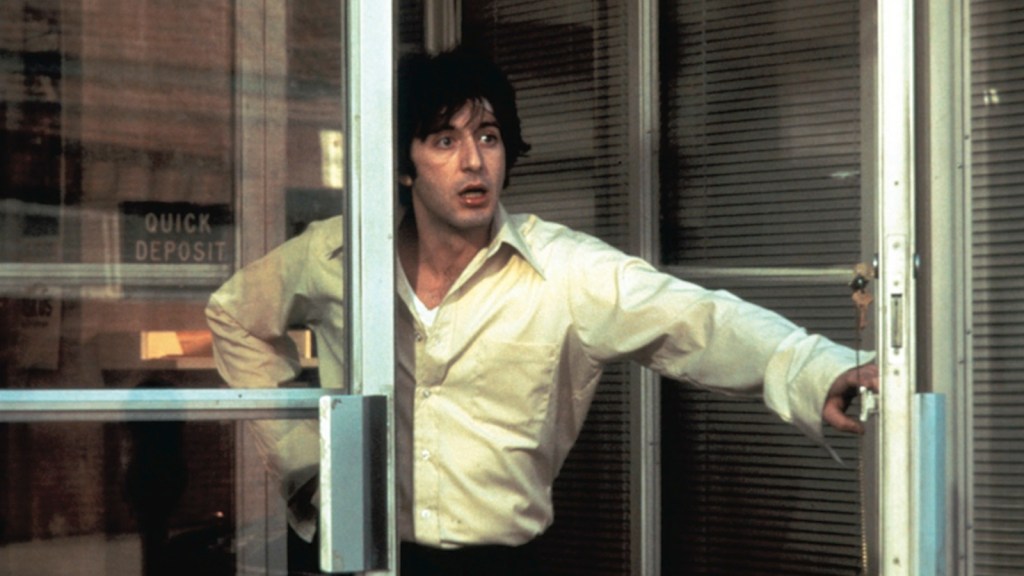
For all the well-deserved hype that the 1975 movie year receives – especially with the hype of Cuckoo’s Nest, Jaws, and Nashville – one film seems to be a forgotten masterpiece: Sidney Lumet’s incredibly intense bank heist thriller, Dog Day Afternoon. Pacino, who nearly turned down the role due to personal struggles, plays a New York bank robber who wants to pay for his husband’s sex change. John Cazale, whose career was cut way too short, is given very little dialogue but his presence amplifies Dog Day Afternoon’s suspense level to nearly unseen levels. Dog Day Afternoon may not have the everlasting impact on cinema that Nashville and Jaws had, but can you think of another heist film that has blueprinted more modern-day thrillers? Even if you can, few films of an incredible 1975 film year were as flawless as Lumet’s masterpiece.
2. JAWS
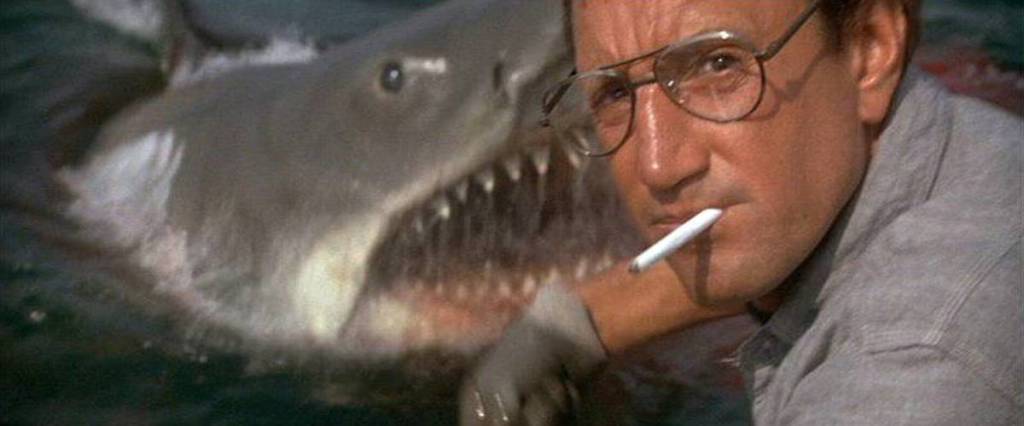
If you’re a shark biologist, it might take quite a stretch of imagination to get onboard with Steven Spielberg’s Jaws, the story of a rogue great white shark that terrorizes Amity Island. For the rest of us, Jaws is simply too much fun to find challenges in its inaccuracies. After all, E.T. required audiences to believe a boy could befriend an alien – is it that far fetched to believe a great white shark could take out a revenge on a fishing boat and its occupants?! The truth of the matter is that Jaws is one of the best – if not the greatest summer blockbusters of all time, filled with plenty of jumps and goosebumps. The story behind it is nearly as fascinating, as Spielberg was challenged by mechanical, casting, and boat issues that nearly ended his career before it started. Instead, Jaws became an instant classic that helped green light future projects for the young prodigy. And deservingly so; Jaws remains one of the great adventure thrillers of all time to this day.
1. NASHVILLE
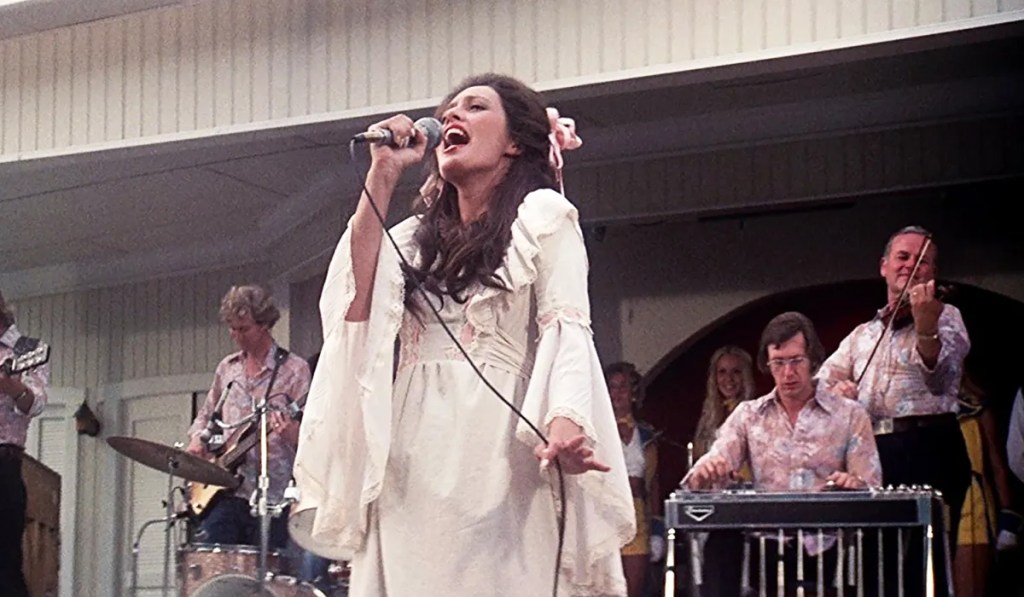
For most of Nashville’s 160 minutes, I was completely engulfed by every aspect of the film: the characters, and how their lives are endlessly intertwined, the country music and the fact that many of the actors wrote the songs themselves, and the endlessly entertaining story, despite not having really any significant storyline. But then that strange ending happened, and I couldn’t help but think: did this flawless movie just become majorly flawed?
Then I remembered the message from the church sermon earlier in the day. The message was on negative thinking and how changing the focus to something more positive influences your brain for the better. This seems to be what Altman was teaching us at the end of the film: to always stay positive. Robert Altman paints the country music capital as a city focused on positivity and reminds us that even in our dips there are peaks that we just need to find.
By doing so, it makes us better, and perhaps the ending actually makes Nashville better, too. So much so, that I don’t hesitate to call it one of the best films in the best decade for movies.
 Entertainment Yearly