10. FAMILY PLOT
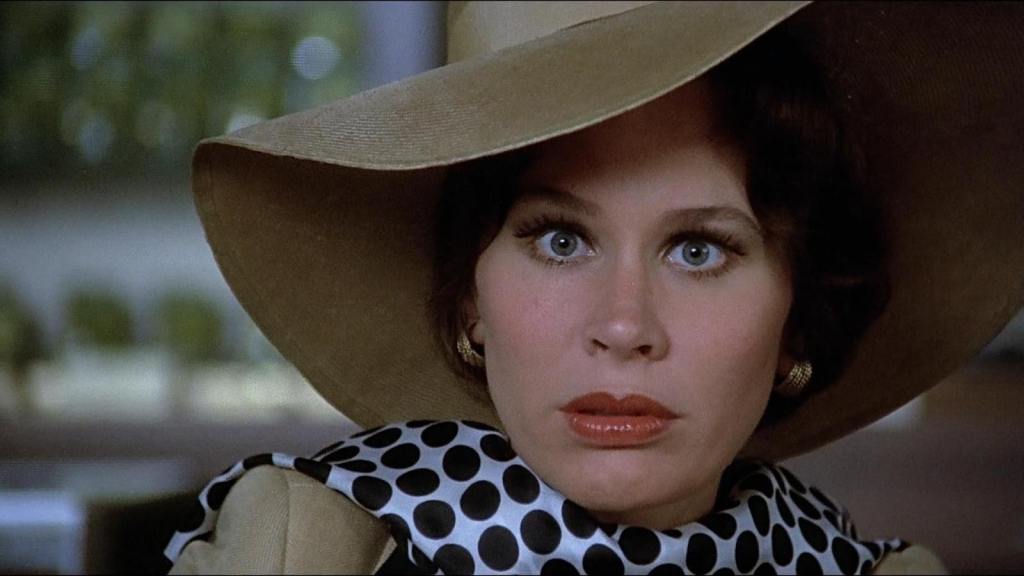
Family Plot was Alfred Hitchcock’s final film, and while it’s hardly a late‑career triumph, it’s a reminder that even in his late seventies the master still had tricks left up his sleeve. The movie has the familiar Hitchcock fingerprints—playful twists, a touch of menace, and a surprisingly generous dose of humor. It’s enjoyable, often charming, and occasionally clever, yet you can’t help feeling a twinge of disappointment knowing it comes from one of cinema’s greatest craftsmen.
Still, in a year like 1976, where the pool of contenders is thinner than you’d expect, I find it impossible to leave Hitchcock off the list. Family Plot may not be top‑tier Hitchcock, but it’s a fitting final bow and I can’t resist squeezing Hitchcock into my top ten list one final time.
9. THE MEMORY OF JUSTICE
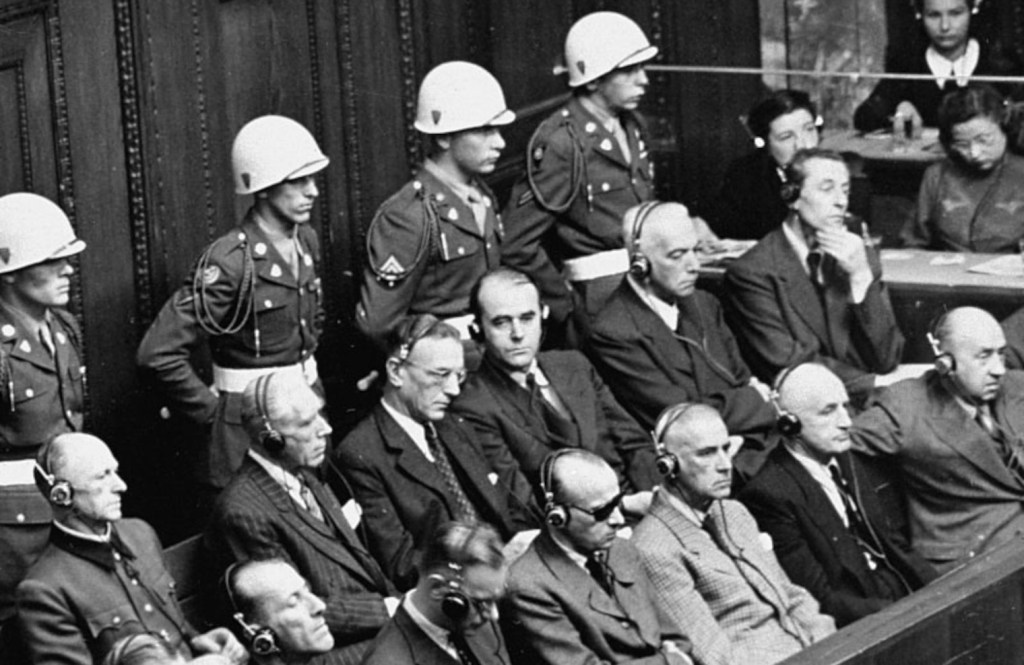
The 1970s were a remarkable decade for documentaries, and few filmmakers shaped the form more than Marcel Ophuls, the mind behind both The Memory of Justice and The Sorrow and the Pity. Between the two, I devoted nearly nine hours of my life—and I mostly don’t regret it. The standout, by far, is the four‑and‑a‑half‑hour The Memory of Justice, Ophuls’s sprawling examination of war crimes and their lingering moral fallout, particularly in the shadow of World War II.
The film isn’t easy to track down, which makes sense; there aren’t many cinephiles eager to carve out half a day for a 1970s documentary. But those who do will find themselves rewarded. The Memory of Justice is dense, challenging, and absolutely essential—one of the defining nonfiction works of its era.
8. ALL THE PRESIDENT’S MEN
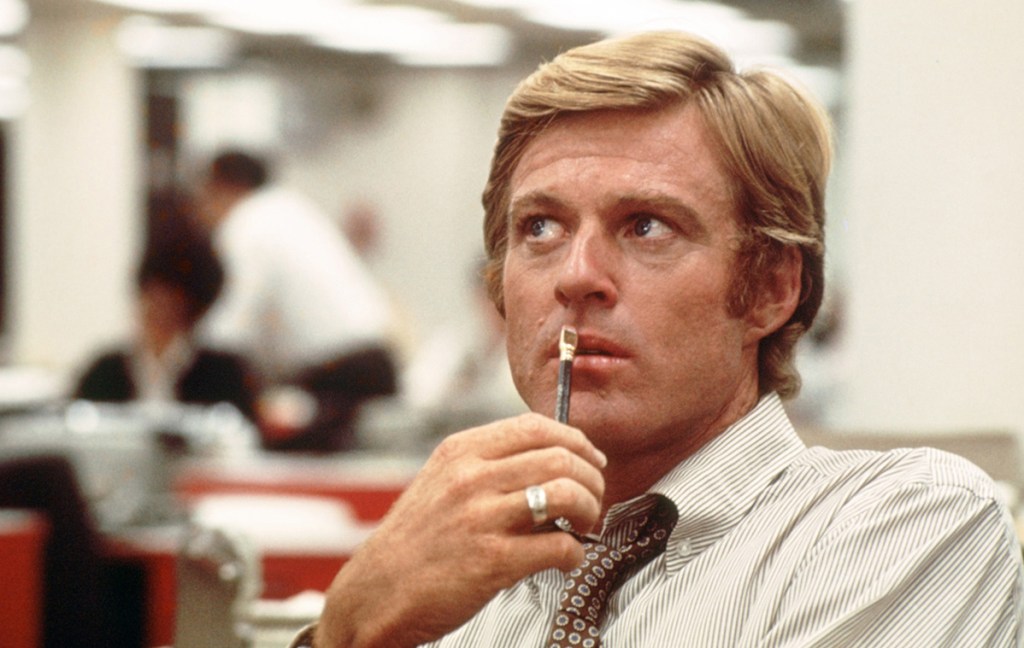
Let’s be honest: Alan J. Pakula’s All the President’s Men was never going to live up to its reputation. This is the film that dominated 1976’s top‑ten lists—a year that also gave us Rocky, Network, and Taxi Driver—and like those titles, it eventually landed on the American Film Institute’s list of the greatest American films ever made. And yet, I have to admit: I’ve never quite understood the reverence.
Still, in a year that produced fewer truly great films than the ones surrounding it, All the President’s Men earns its place among the best of 1976 for one simple reason: Dustin Hoffman and Robert Redford. Their performances give the film a spark and urgency that the rest of the production doesn’t always match. The movie may never rise to meet its towering expectations, but at its best moments, they certainly do.
7. FACE TO FACE
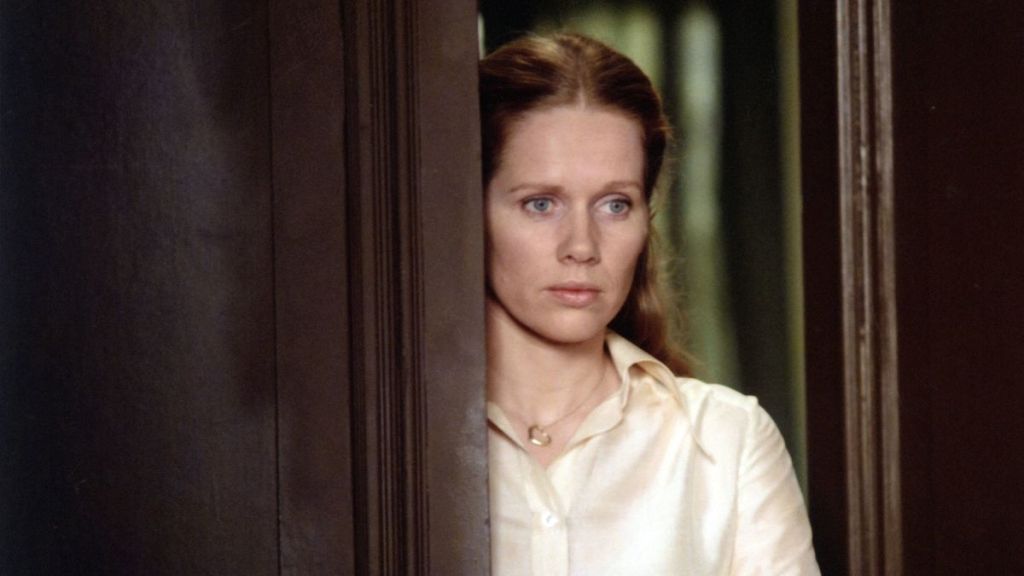
Throughout the 1970s, filmmakers became increasingly fascinated with the inner lives of women—sometimes with sensitivity, sometimes with sensationalism. Performances like Gena Rowlands in A Woman Under the Influence or Carrie Snodgress’s Oscar‑nominated turn in Diary of a Mad Housewife helped define the decade, the latter even inspiring Neil Young to write a song about it. But the films that resonate most deeply with me all seem to come from the same creative pairing: Liv Ullmann and Ingmar Bergman.
Scenes from a Marriage, Autumn Sonata, and Face to Face form a kind of unofficial trilogy of emotional excavation, each exploring relationships and the psychological strain that festers when they turn toxic. In Face to Face, Bergman gives us the story of a psychiatrist whose carefully ordered life begins to crumble while her husband and daughter are away for an extended period. It’s an unflinching, often painful portrait of a mind in crisis, anchored by Ullmann’s astonishing vulnerability.
A year later, the film would earn a sly tribute in Annie Hall, when Alvy Singer refuses to walk in late to a screening. And he’s right—Face to Face deserves to be seen from the very first frame. It’s one of Bergman’s most emotionally raw works, and an unforgettable viewing experience.
6. CARRIE
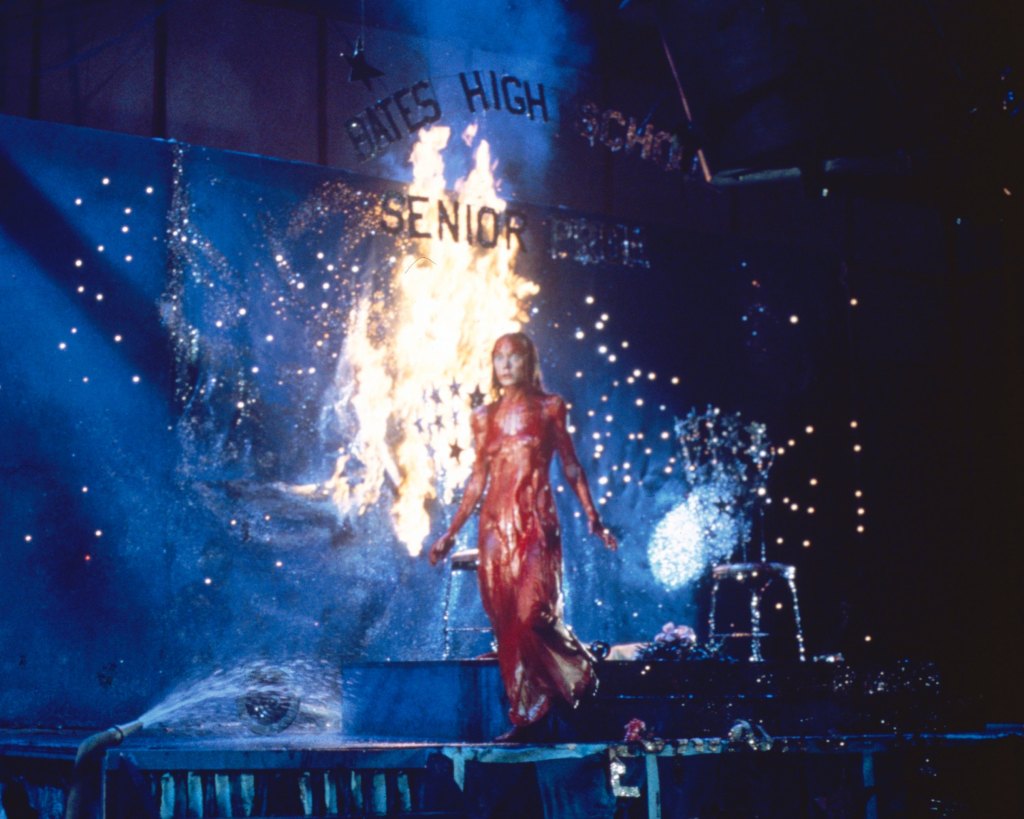
It’s no exaggeration to say that the horror boom of the late ’60s and ’70s paved the way for the genre’s massive popularity today. Rosemary’s Baby set the stage, The Exorcist blew the doors off, and then came one more seismic shock: Brian De Palma’s Carrie. Adapted from Stephen King’s 1974 debut novel, the film tells the story of a bullied teenage girl whose supernatural abilities erupt in terrifying ways.
De Palma’s direction and the film’s editing can be uneven, but when Carrie works, it’s unforgettable. The prom sequence—Carrie drenched in blood, humiliation turning instantly to horror—is one of the most iconic images in the history of the genre. It’s the kind of moment that could have carried a lesser film entirely on its own.
But Carrie isn’t a footnote, and that’s largely thanks to Sissy Spacek. Her performance elevates the material to something haunting and strangely empathetic, giving the film a staying power it might not otherwise have had. For nearly two decades, it stood as the finest Stephen King adaptation—until a little film called The Shawshank Redemption stole its crown.
5. MARATHON MAN
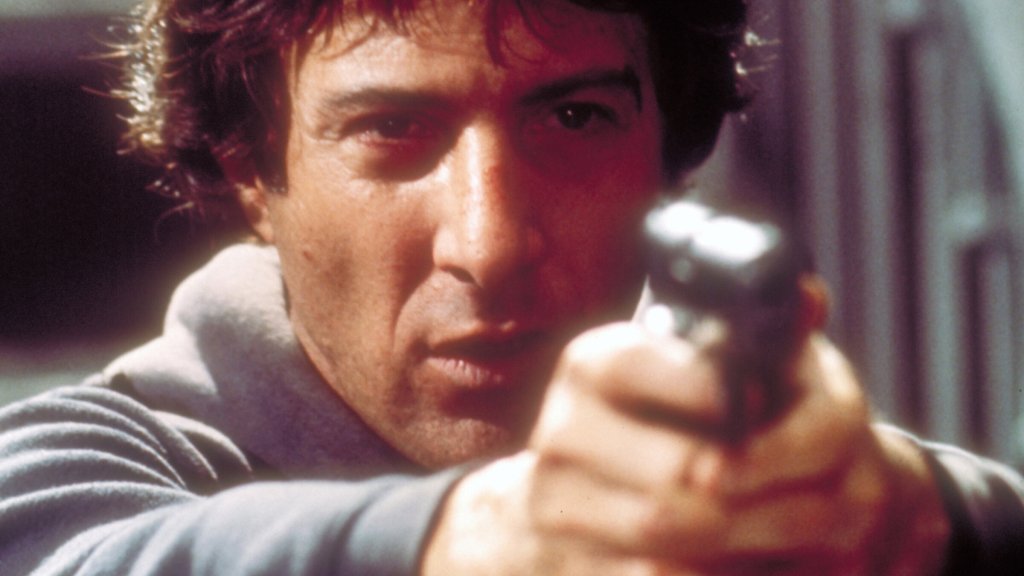
“Is it safe?” Sadly, Marathon Man has become one of those films reduced in the public memory to a single, endlessly quoted line. That’s a shame, because it remains one of the great thrillers of the mid‑’70s. Powered by a fierce, tightly wound performance from Dustin Hoffman, it’s almost unbelievable that he missed out on an Oscar nomination—especially considering he delivered standout work in both this film and All the President’s Men in the same year.
The likely culprit was vote‑splitting, as Marathon Man did earn a nomination for Laurence Olivier’s chilling supporting turn. But even so, the film deserved far more recognition than it received. Its tension, its performances, and its sheer nerve make it one of the decade’s most gripping thrillers, and a film whose legacy should extend well beyond a single line of dialogue.
4. TAXI DRIVER
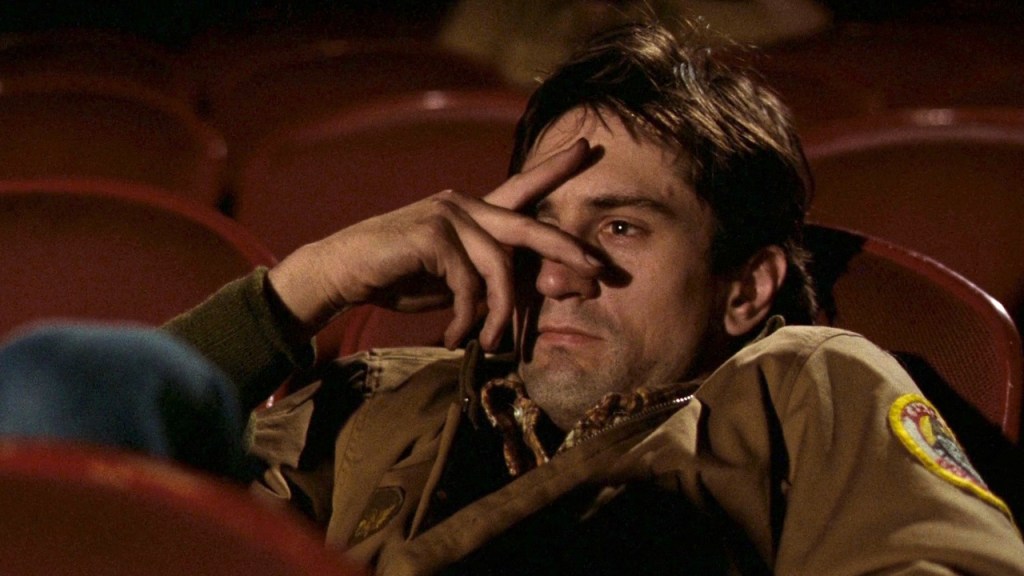
For many people, Taxi Driver is one of the greatest films ever made. For me, it’s something different: a haunting experience I don’t exactly enjoy watching, yet one that lingers in my mind for days afterward. That’s the power of Robert De Niro’s performance—he convinces us, with unnerving precision, that Travis Bickle could be a real psychopath hiding in plain sight as a New York City cabbie.
Today, it’s easy to appreciate everything Taxi Driver accomplished. It was the film that truly cemented Martin Scorsese’s reputation, even after Mean Streets and Alice Doesn’t Live Here Anymore had already turned heads. It also transformed De Niro into one of Hollywood’s premier leading men, a status he would reinforce a few years later with Raging Bull.
By modern standards, it’s no surprise that Taxi Driver is often hailed as the greatest film of 1976. But looking back to the moment of its release, it feels more like a daring, unsettling work that was rightly nominated for Best Picture—even if it wasn’t destined to take home the top prize. Some films are too unsettling, too raw, and too unforgettable to win. Taxi Driver is one of them.
3. NETWORK
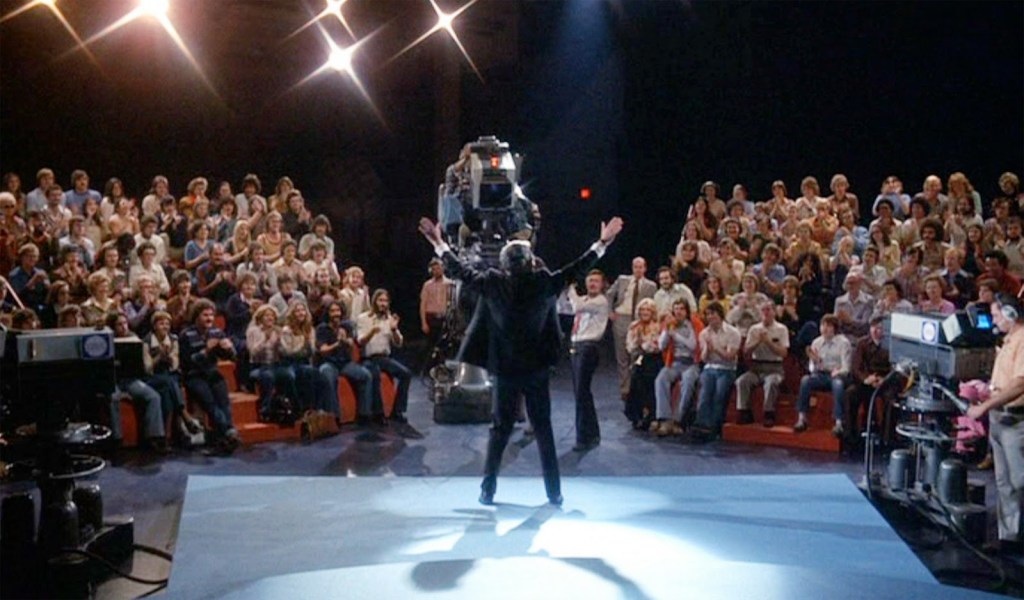
Movies and television entertain us, but reality hits us to the core. That’s why everyone has a favorite news channel, a favorite reality show, a favorite “real” story to latch onto. As a child, I would count down the days until the next episode of Survivor. But long before reality TV flooded our screens, Paddy Chayefsky understood how deeply we crave authenticity—or at least the illusion of it. And he turned that insight into one of the greatest screenplays ever written: Network.
The film follows Howard Beale, an aging newscaster who learns he’s being fired due to low ratings. His response is unthinkable: he announces on live television that he plans to kill himself on the air. Instead of ending his career, the confession ignites it. His broadcasts become must‑see TV, his ratings skyrocket, and he discovers that by making himself the story, he can command an audience in ways traditional journalism never could.
Network feels even sharper today than it did in 1976. After nearly 25 years of reality television eating up our screens and an ever‑expanding universe of news channels, Chayefsky’s satire doesn’t just capture a moment—it predicts the world we live in now. Some films reflect their time; Network predicted the future.
2. ROCKY
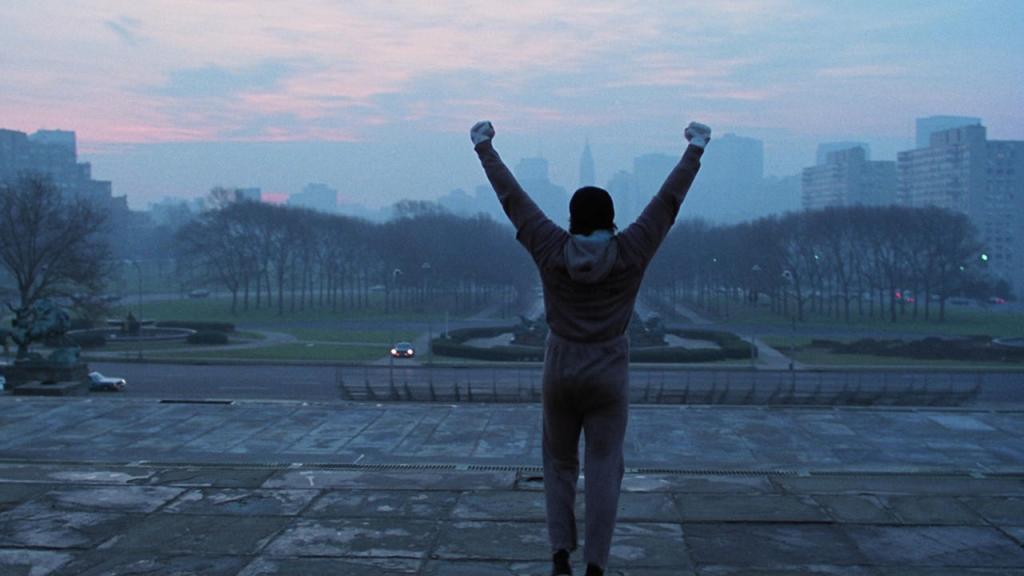
These days, it’s easy to insist that Taxi Driver or Network should have won Best Picture in 1976, but that perspective overlooks just how special Rocky felt at the moment of its release. Sure, Taxi Driver was gritty, but it wasn’t exactly unprecedented—films like Mean Streets and The French Connection had already carved out that territory. And Network, brilliant as it is, belonged to a lineage of sharp-edged farces that Stanley Kubrick had pushed even further with Dr. Strangelove and A Clockwork Orange.
But a great, gritty sports movie? One that felt both mythic and grounded, both old-fashioned and startlingly fresh? That hadn’t been done well since the black‑and‑white era—and arguably, it had never been done as well as Rocky. Add to that a young actor with real presence and a screenplay he wrote himself, and you have a genuine underdog story both on and off the screen.
Who could have predicted that Sylvester Stallone would never again match the purity and perfection of his breakout role? And while several of the sequels are admirable in their own ways, none of them capture the raw adrenaline and emotional punch of the original. Rocky remains a heavyweight champion—not just of 1976, but of the entire sports‑movie genre.
1. THE BAD NEWS BEARS
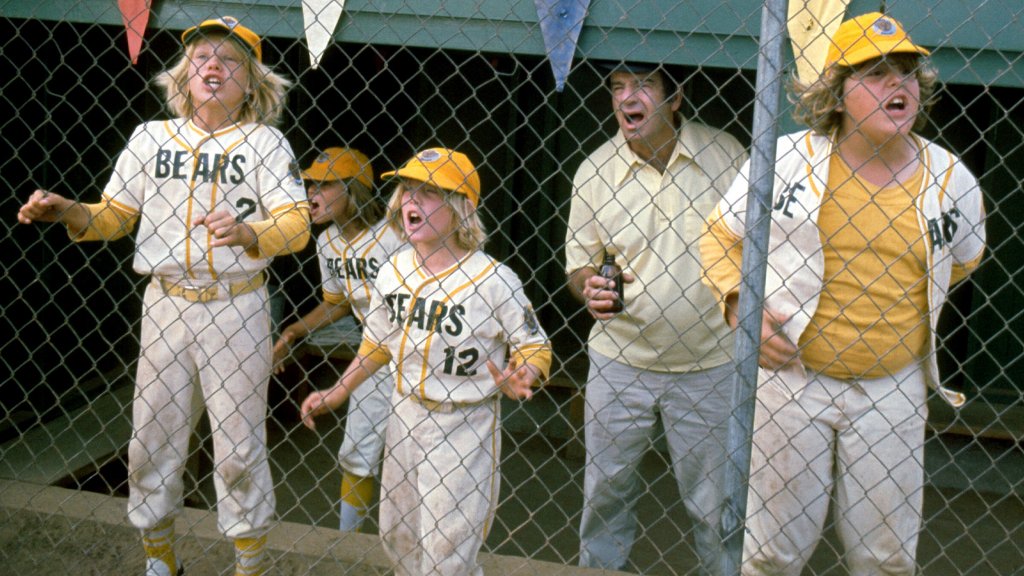
Anyone who claims there’s no crying in baseball has clearly never seen the original Bad News Bears, a film capable of making even the toughest closer mist up. Baseball is an emotional game—especially when kids are involved. And perhaps even more so when those kids are terrible at baseball… yet somehow manage to win anyway. And win they do, at least when it comes to winning over audiences.
Rocky may have taken home most of 1976’s accolades, but Michael Ritchie’s scrappy, foul‑mouthed baseball comedy is my favorite sports film of the year. In fact, it’s my favorite movie of the year, by a mile. And in a lineup that includes Network, Taxi Driver, All the President’s Men, and Rocky, that’s saying something.
The Bad News Bears is a grand slam—funny, heartfelt, and endlessly rewatchable. It’s the rare underdog story that never feels manufactured, because its charm comes from the messiness, the imperfections, and the kids who somehow make losing look like winning.
 Entertainment Yearly