10. THAT OBSCURE OBJECT OF DESIRE
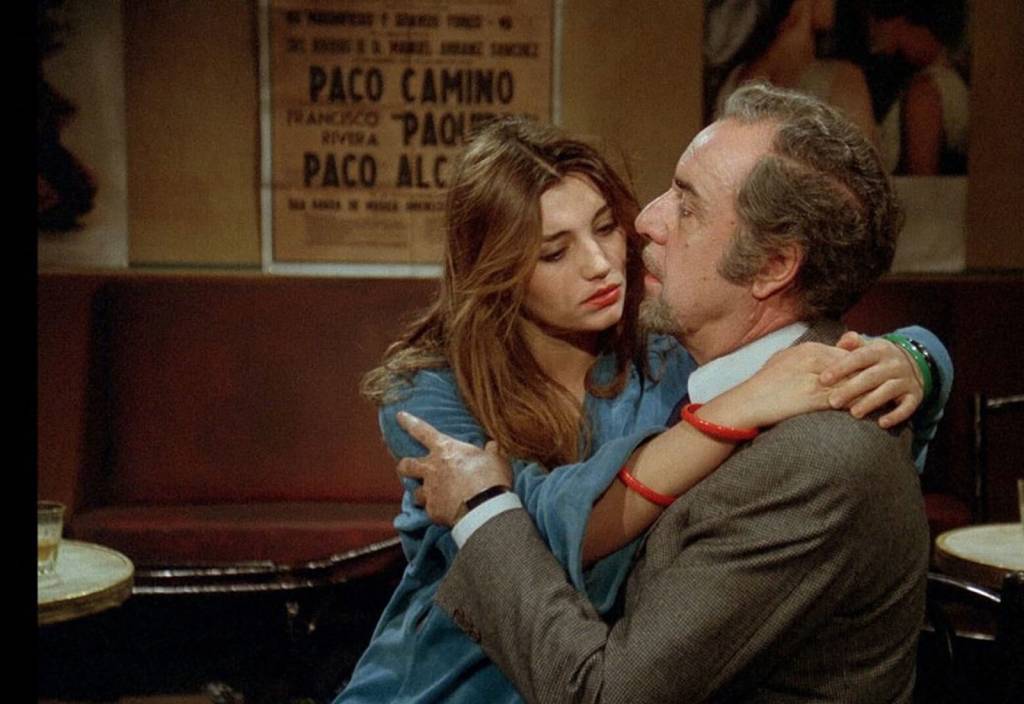
The premise is undeniably unsettling — a wealthy sixty‑year‑old man using his power and privilege to pursue an eighteen‑year‑old girl — yet Luis Buñuel’s That Obscure Object of Desire emerges as one of the year’s most captivating films. A large part of its fascination comes from a deceptively simple but audacious choice: Buñuel casts two actresses as the same woman. It’s a risk only he would take, and it pays dividends, deepening the film’s sense of instability and obsession. As the final work of Buñuel’s extraordinary career — one that truly hit its stride in the sixties and seventies — That Obscure Object of Desire feels less like a closing chapter and more like a culmination. There’s a strong case to be made that he ended on his peak.
9. STAR WARS

Unlike many modern Star Wars fans, I didn’t grow up wearing out the VHS tapes until the picture turned fuzzy. I didn’t even see the original trilogy until high school, which may explain why I don’t share the near‑religious devotion common among men of a certain age. These are, at heart, movies made for kids — though they’re crafted with enough imagination and momentum that adults can enjoy the ride too.
Still, the 1977 original offers plenty for grown‑ups to admire. The special effects, astonishing for their time, remain impressive in their tactile ingenuity. Add in a streak of playful humor and a sense of wide‑eyed innocence, and it’s easy to see why the film became a cultural phenomenon. Even I, a latecomer to the galaxy far, far away, can’t help but be pulled in by George Lucas’s classic space opera. Perhaps that’s the power of the Force?
8. CLOSE ENCOUNTERS OF THE THIRD KIND
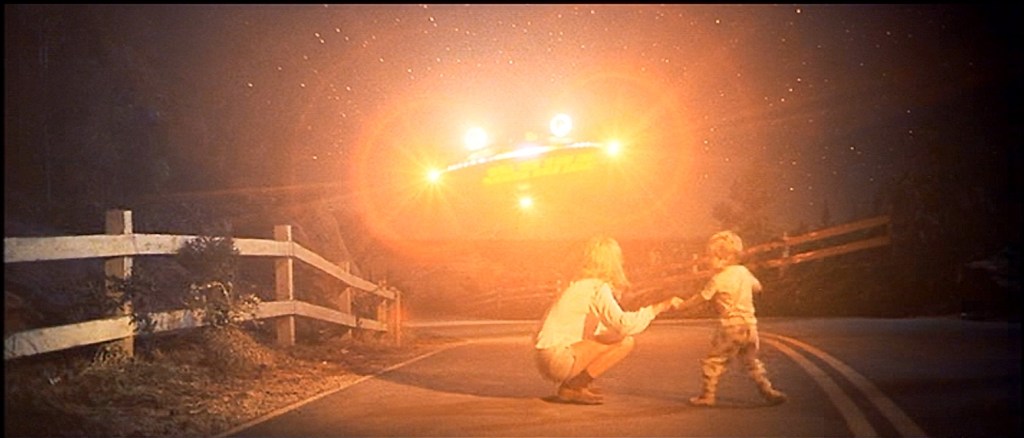
Seeing Close Encounters of the Third Kind for the first time at home in 2026 is undeniably different from experiencing it on a massive screen in 1977. Yet even on a smaller display — and even with visual effects that now show their age — the brilliance of Steven Spielberg’s follow‑up to Jaws still shines through. The Oscar‑winning cinematography remains a marvel, whether it’s the blinding orange glow that engulfs a young boy or the breathtaking moment the mothership looms over Devil’s Tower.
The film would later be named one of the top 100 American movies by the American Film Institute. Does it truly belong there? Probably not. But it certainly deserves a spot on every top ten list of 1977.
7. SATURDAY NIGHT FEVER
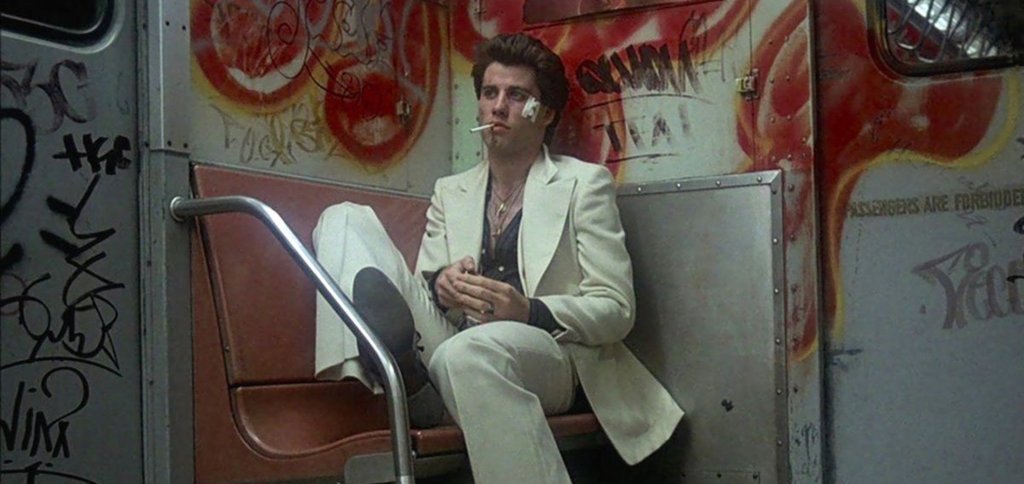
Film critic Gene Siskel once paid $145,000 for the white polyester suit John Travolta wore in Saturday Night Fever. That’s the kind of money a journalist spends only on something truly special — and Saturday Night Fever earns that distinction. Released at the height of the disco craze, the film didn’t just ride the wave; it helped create it. The Bee Gees’ soundtrack and Travolta’s electrifying moves made disco seem far cooler than it ever was in real life.
But it’s not just the dancing that makes Travolta’s performance unforgettable. He poured himself into the role, encouraged by his girlfriend, who was battling cancer at the time. She didn’t live to see the Saturday Night Fever’s release, but she surely would have thought it was special. Because it is.
6. THE TURNING POINT
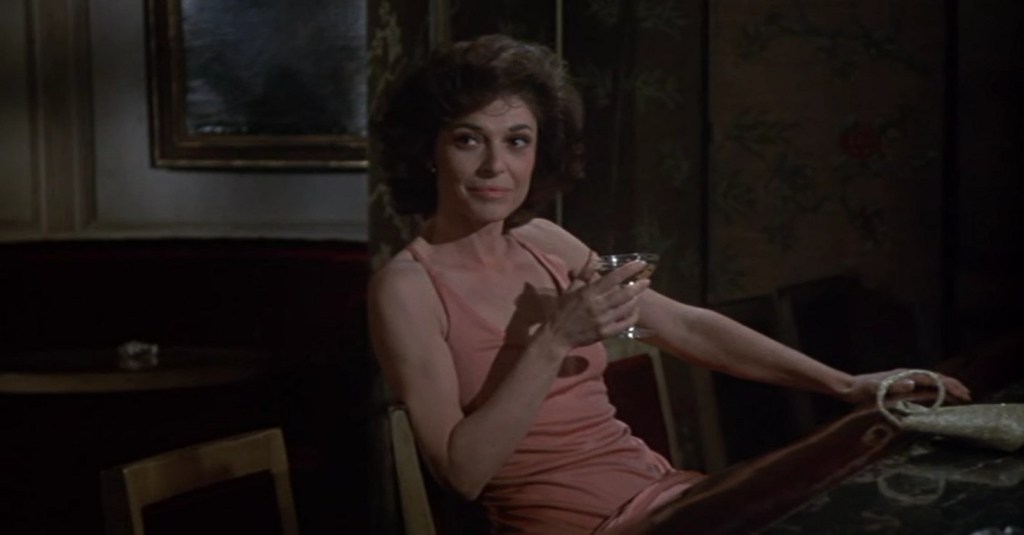
I happened to watch The Turning Point the same week Timothée Chalamet was roasted for saying that “no one cares” about ballet anymore — a comment that sparked backlash and even prompted speculation about whether it hurt his Oscar chances. And yet, it’s hard to deny that ballet and opera occupy a much smaller place in American cultural life today. If they didn’t, a film as rich as The Turning Point wouldn’t have slipped into semi‑obscurity, because it’s one of the seventies’ most perceptive dramas about the speed of life and the consequences of the choices we make.
The film centers on two women whose lives diverged decades earlier: Deedee, a mother of three who abandoned a promising ballet career when she became pregnant, and Emma, a celebrated dancer whose devotion to her art left no room for a family. Beneath the melodrama lies a moving story of longing, regret, and desire — and a compelling reminder that those who inhabit the ballet world care fiercely about their craft. So fiercely, in fact, that they’re willing to sacrifice nearly everything for it.
The Turning Point remains one of the decade’s most overlooked gems, and it’s well worth seeking out — whether or not you care about ballet.
5. SORCERER
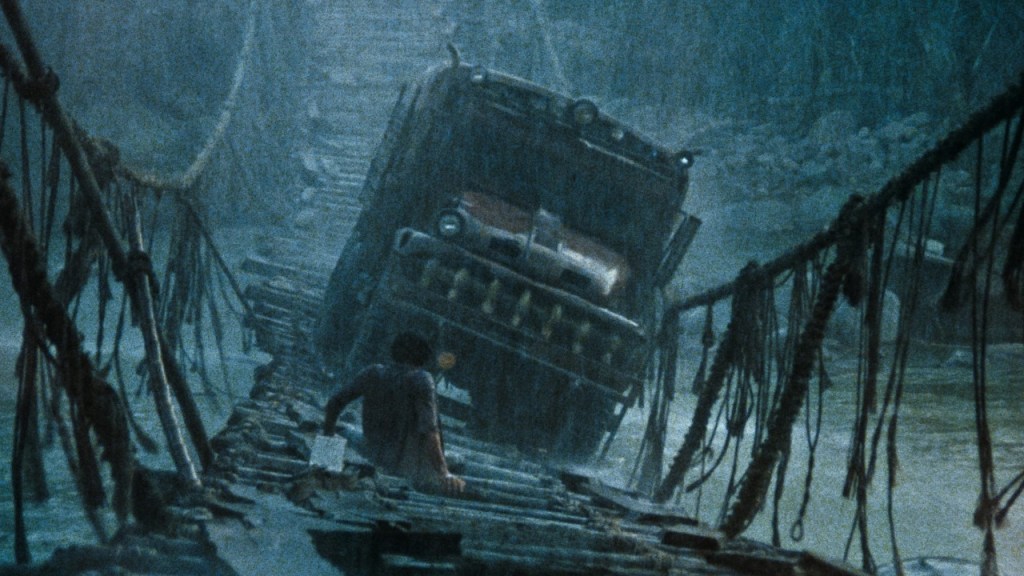
By the time Sorcerer hit theaters, William Friedkin was riding an extraordinary hot streak. The Boys in the Band marked his breakthrough, The French Connection won five Oscars including Best Director, and The Exorcist became a cultural earthquake and the highest‑grossing R‑rated film in history. How does one follow that up? Apparently with a tense, grimy thriller about four desperate men hired to haul unstable explosives through the jungle — a premise that failed to attract audiences and undoubtedly rattled Friedkin off his hot streak.
But Sorcerer, a remake of the French classic The Wages of Fear, never deserved that fate. It’s one of the most gripping adventures of the 1970s, built around nerve‑shredding set pieces that send trucks across rotting bridges and through treacherous terrain. Friedkin directs with ferocious intensity, and the film’s atmosphere — sweaty, dangerous, fatalistic — is unlike anything else from the era. Fortunately, Sorcerer has since found the audience it always deserved. But its initial failure left a mark: Friedkin would never again reach the astonishing run of films that culminated with this one. Like many of the men the film portrays, Friedkin may not have found success, but the execution itself was flawless.
4. 3 WOMEN
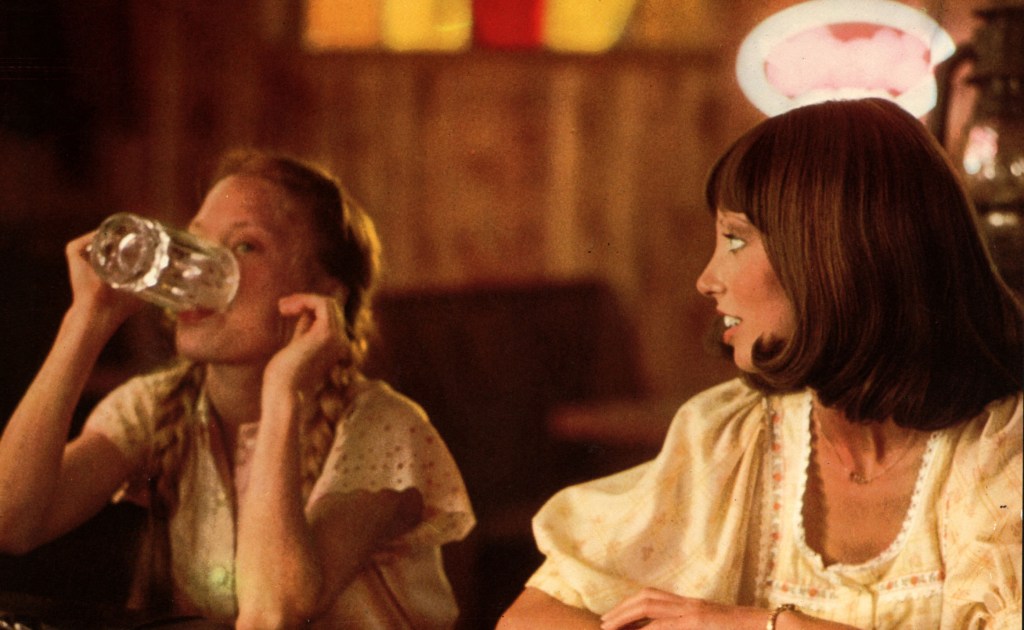
Few directors would dare to imitate one of Ingrid Bergman’s most acclaimed and fewer still could pull it off — but there was nothing timid about Robert Altman in the 1970s. After the misfire of Buffalo Bill and the Indians just a year earlier, 3 Women marked a striking return to form. On the surface, it’s one of the more straightforward films of Altman’s early career: no overlapping dialogue, no sprawling ensemble, no interwoven storylines. And yet nothing about 3 Women feels remotely ordinary.
The film follows three women — though mostly two — whose identities begin to blur and shift after a life‑altering incident. At times, it feels closer to a David Lynch fever dream than a typical Altman character study, but it always bears the touch of a master working at full confidence. Shelley Duvall and Sissy Spacek deliver extraordinary dual performances, each worthy of Oscar recognition in a year crowded with great leading roles. Spacek would go on to have the more prominent career, but in 1977 it was Duvall who looked like the next breakout star — a trajectory that might have continued if The Shining and Popeye hadn’t complicated the path ahead.
3. LOOKING FOR MR. GOODBAR
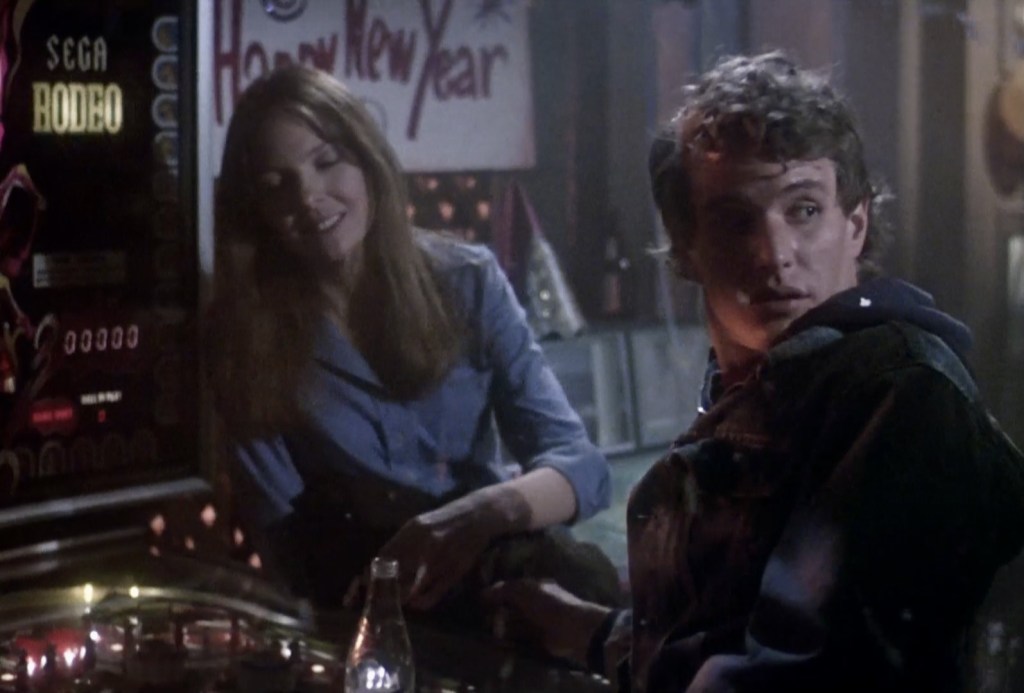
Looking for Mr. Goodbar is so steeped in the seventies that you can practically smell the cigarette smoke clinging to the wallpaper. It has everything: disco balls, Donna Summer, dimly lit bars, and a sense of sexual liberation that existed only in a brief window before the AIDS crisis reshaped the culture. But most importantly, it has Diane Keaton, who delivers one of the finest performances of her career as a compassionate teacher whose nights spiral into danger and self‑destruction. She almost surely would have won the Oscar if she hadn’t given an even better performance in Annie Hall.
Unfortunately, the era that gives the film its texture also contributes to its flaws. Its lack of awareness leads to a final act that feels insensitive and unmistakably homophobic, undercutting the complexity the film had built so carefully. Yet if you can look past those missteps, you’ll find one of the most gripping and unforgettable films of the late seventies — a work that lingers long after the smoke clears.
2. THE GOODBYE GIRL
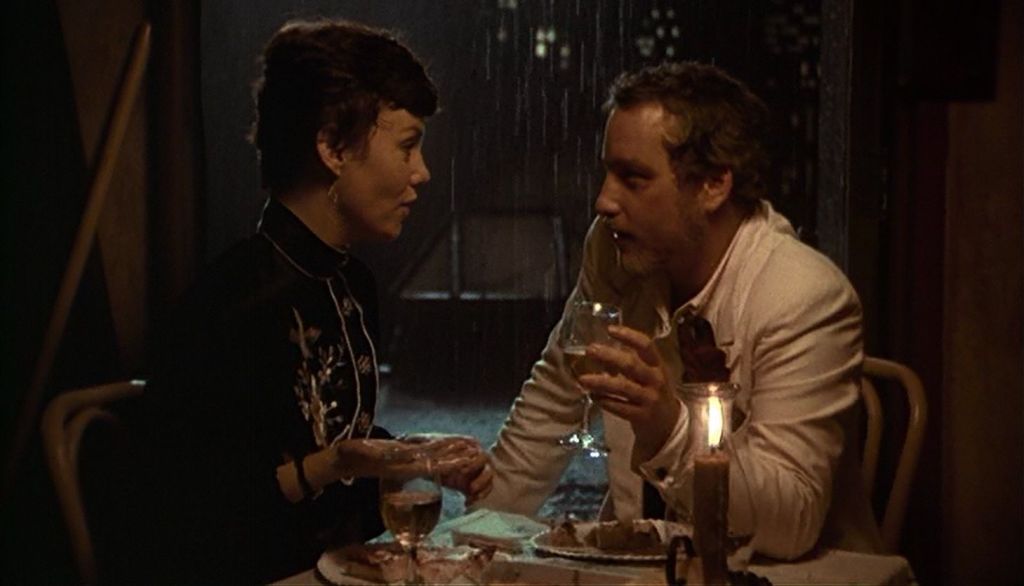
When Paula McFadden’s boyfriend runs off to Italy for a movie role — and subleases their apartment without telling her — she suddenly finds herself sharing a home with a complete stranger. That’s the setup of the Neil Simon story that became one of 1977’s most charming films. Paula, played with sharp wit and vulnerability by Marsha Mason, is a tightly wound single mother. Her unexpected roommate, portrayed by Richard Dreyfuss in an Oscar‑winning performance, is a free‑spirited actor preparing for an off‑Broadway Shakespeare production. If that dynamic sounds a bit like The Odd Couple, it’s no coincidence — Simon wrote that one too.
But The Goodbye Girl may be even better. The chemistry between Mason and Dreyfuss is irresistible, the dialogue sparkles, and Simon’s blend of humor and heart feels unusually grounded. Oscar voters seemed to agree: it remains the only Neil Simon–penned script ever nominated for Best Picture. For a writer with his track record, that’s saying something.
1. ANNIE HALL
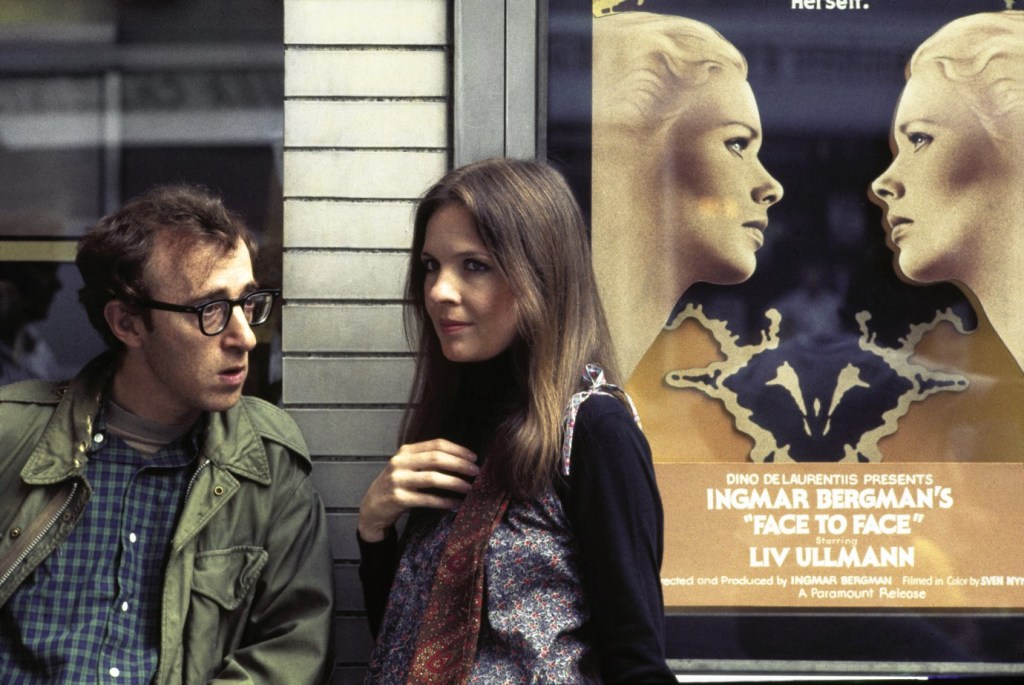
There’s a line in Annie Hall where Max casually tells Alvy he was with sixteen‑year‑old twins when he called. It’s disturbing, and it has understandably led some to reconsider the film’s legacy. But the other ninety‑two minutes of Annie Hall are pure cinematic bliss. It’s like the joke Alvy tells at the end about the man who won’t have his brother committed because he “needs the eggs.” That’s how I feel about Annie Hall: it may not be perfect, but it’s essential — and so irresistibly enjoyable that one poorly aged flaw should not eclipse its brilliance.
A huge part of that brilliance is Diane Keaton. She gives one of the greatest performances in American film, transforming Annie Hall into a character as iconic as Scarlett O’Hara or Don Corleone. She’s the film’s soul, its spark, its reason for being. She’s also the reason I love Annie Hall. Actually, love is too weak a word. I “luuurve” it.

