10. THE BLACK STALLION

Due to its late release, The Black Stallion appeared on several top ten lists in 1980 and even topped Roger Ebert’s list above Raging Bull – and when compared to 1980 films, The Black Stallion receives especially high marks. 1979, however, was a much stronger year – one of the strongest ever, in fact – which is the only reason it falls to the lonely tenth spot. Both a great family film and a beautifully shot film, The Black Stallion tells the timeless childhood story about a horse who escapes a ship fire only to become a great race horse. The story is sweet and irresistible, but the real treat is the gorgeous cinematography by Caleb Deschanel, who was somehow snubbed of an Oscar nomination. Unlike the Academy, there’s no way on snub it of a spot on my top ten list, of which it is so worthy to be part of.
9. 10

Often overlooked simply as the film where Bo Derek became a sensation for running on the beach, Blake Edwards’s 10 is a much smarter and much funnier film that it typically receives credit for today. Along with Animal House, 10 paved the way for countless stupid sex comedies that often get released straight to video. Yet, although it may have spawned a lot of mind-numbing films, 10 itself is really quite smart. It’s a film that captures our refusal to grow old and our constant yearning for youth, and it perfectly flows from one scene to the next. Since its release, we may have received far too many 1’s and 2’s that imitate it, but as far as comedies go, Edwards’s film is still a perfect 10.
8. NORMA RAE
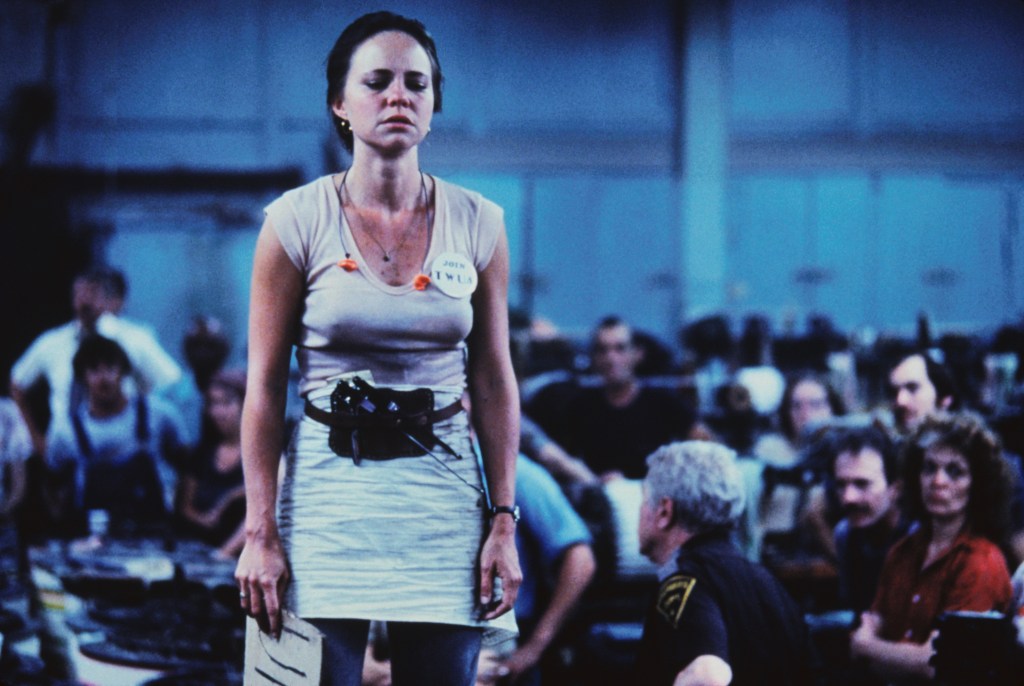
In one of the finest performances of the entire year, Sally Fields plays Norma Rae Webster, a factory worker who stands up for herself and her family and demands better conditions and benefits at her workplace. Along with the help of a New York union organizer, Norma leads the effort to unionize the workers of the cotton mill. In an era that was slow to develop female leaders, Norma Rae was ahead of her time as a more demanding blue-collar counterpart to TVs far too sweet Mary Richards.
7. BREAKING AWAY
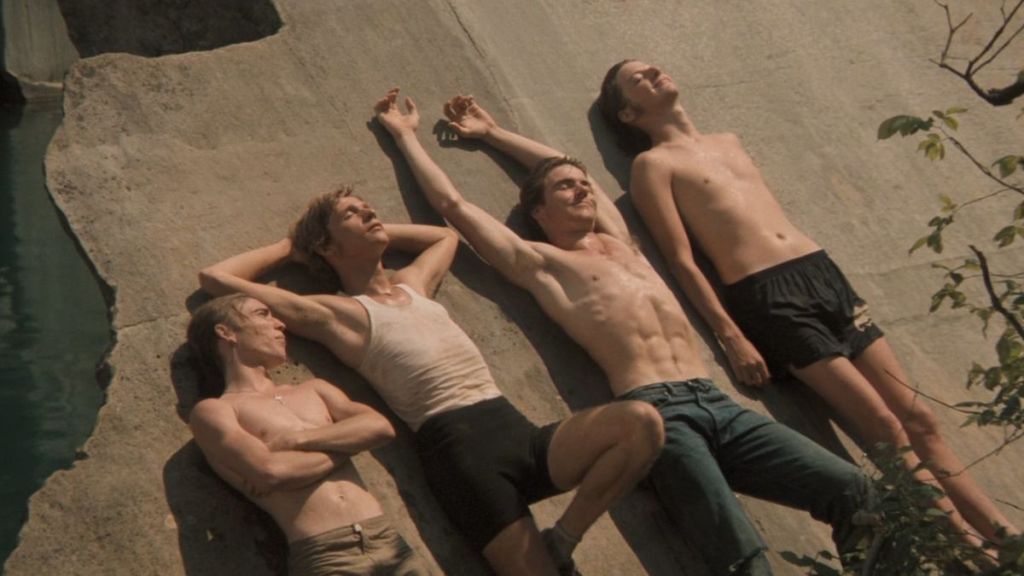
After directing a slew of disappointments, Peter Yates (Bullitt) returned with his best film in over ten years with the story of a talented small-town boy named Dave, who spends his days racing semis on the freeway with his bike and obsessing over the Italian cycling team. He even takes it so far as to speak Italian around home, much to his father’s dismay. Along with his close friends – who are known as Cutters because they chose not to attend college – they decide to participate in a cycling race to prove they’re every bit as good as their arch rivals, a group of rich kids attending a prestigious nearby university. Filled with lighthearted humor and a feel-good ending, Breaking Away is excellente, as Dave would say.
6. ALL THAT JAZZ
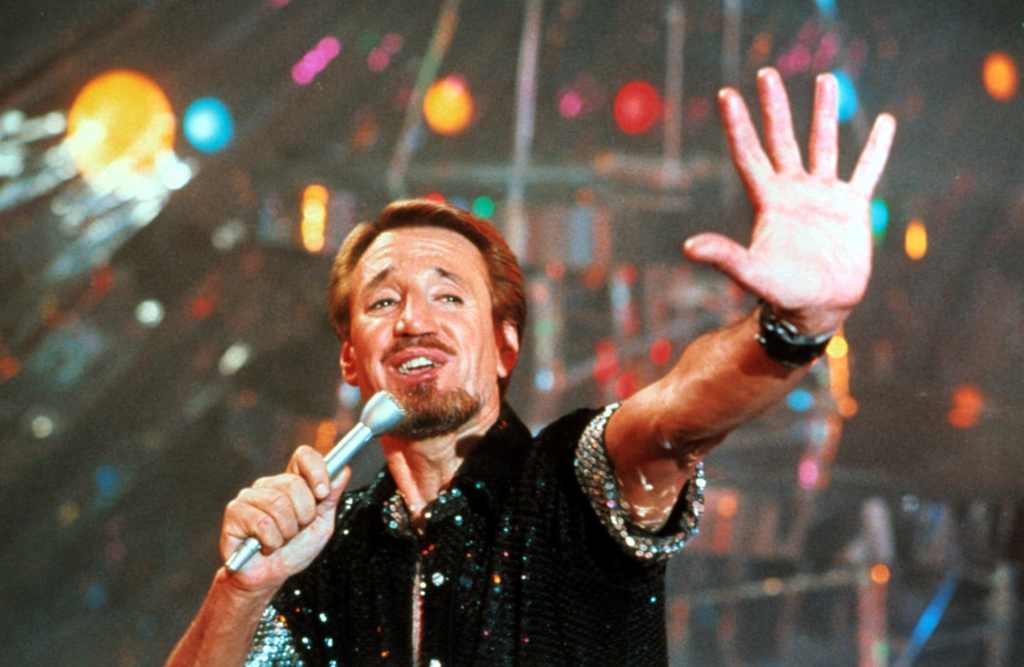
“This is just a rough cut, you know,” says Joe Gideon in All That Jazz, “It’s not really finished. I need more time.” No words could better describe the feelings of director Bob Fosse, whose semi-autobiographical film provided therapy that seemed to help him cope with his ailing health. Fosse won an Oscar for his direction of Cabaret seven years earlier, but his 1979 masterpiece remains the most personal, most ambitious, most visual and most important work of his shortened career. Fosse would go on to make one more film before his death in 1987, but All That Jazz still feels like his glorious and heartbreaking goodbye to the world of showbiz that he loved.
5. KRAMER VS. KRAMER
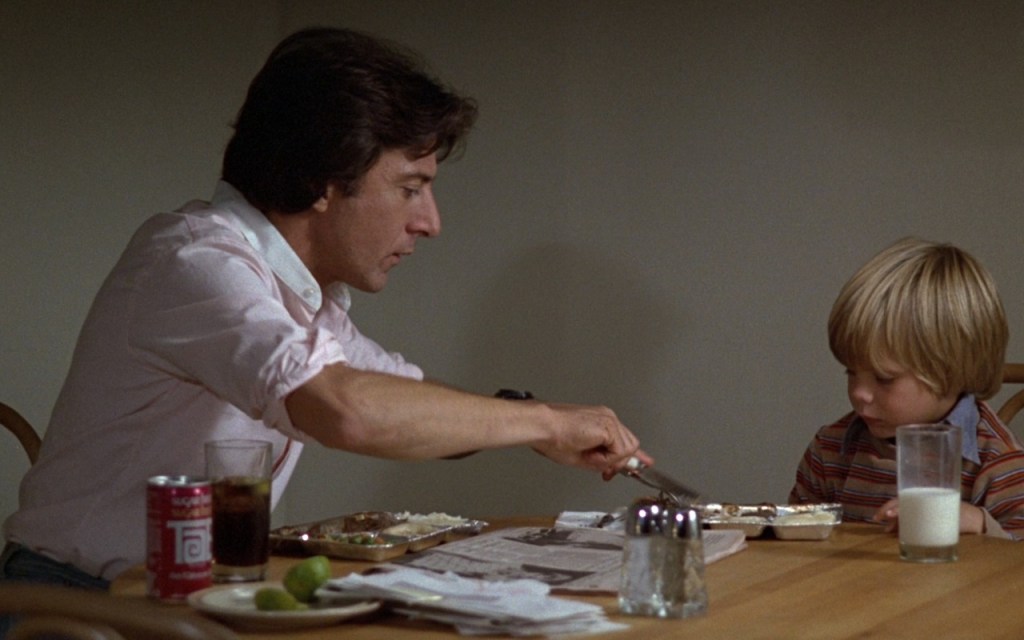
A decade that started with the blockbuster smash Love Story, couldn’t have ended on a sadder note with Kramer vs. Kramer, the child custody battle film starring incredible performances from Dustin Hoffman and Meryl Streep. Hoffman plays Ted Kramer, a busy advertising executive who arrives home to news that his wife of eight years is leaving him and his six-year-old son to find herself. As Ted grows closer with his son through a year of struggles and personal growth, he receives notice that his ex-wife wants full custody of their son. As you can imagine, Kramer vs. Kramer isn’t the most enjoyable film of 1979, but it is a very important and well made one, that will tug at your heartstrings as much as any other film of the ‘70s.
4. MANHATTAN
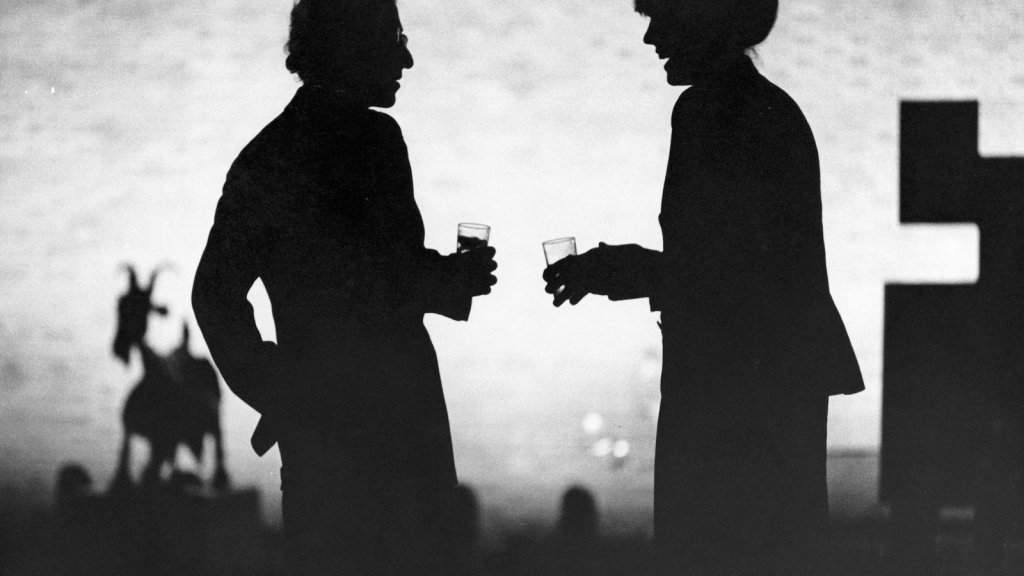
Sure, Isaac’s relationship with a seventeen-year-old girl in Manhattan seems especially eerie today given Woody Allen’s revelations during the #MeToo movement, but the rest of Woody Allen’s beautiful black and white film is pure perfection, from its poetic opening lines to Isaac’s final goodbye to the girl of his dreams. But apart from that, Manhattan is a deeply layered tribute to his true loves. In one layer, it’s a love letter to the city of New York, the city that Allen will forever prefer over the overcrowded streets of Los Angeles. In a second layer, it’s a tribute to the films of the silent era, which Allen grew up adoring and finally, it’s also a love letter to all the women that he’s loved before, including one who is in the film: Diane Keaton. Manhattan is a busy and beautiful film, just like the city itself – at least that’s the way it’s seen through Allen’s brilliant eyes.
3. ALIEN
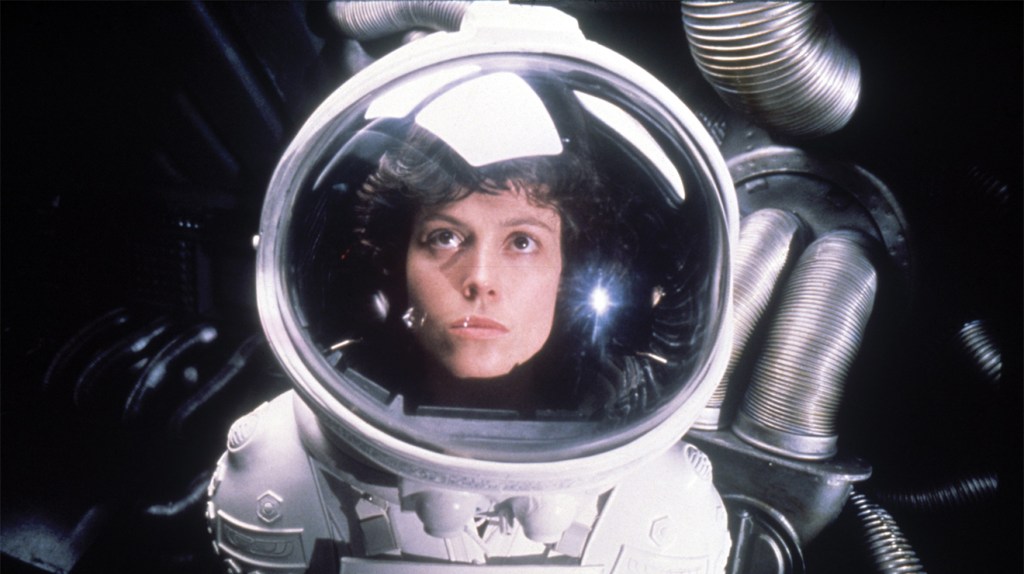
Part Jaws, part 2001: A Space Odyssey and completing riveting, Ridley Scott’s magnificent Alien remains the cornerstone of sci-fi horror films forty years later. There’s no denying that Alien cashed in from the popularity of Star Wars, as space interest was at an all-time high in the late seventies. Yet, in many ways, Alien might just be the better picture. Set inside an enclosed spaceship thousands of miles away from earth, which could very well be the most perfect setting ever for a horror film, Alien tells the story of a crew’s battle against a mysterious extraterrestrial creature who threatens the safety of the entire crew. Scott’s sophomore film is scary, thrilling, empowering and enormously influential. But above all, it’s one of the most entertaining horror films ever made.
2. THE CHINA SYNDROME
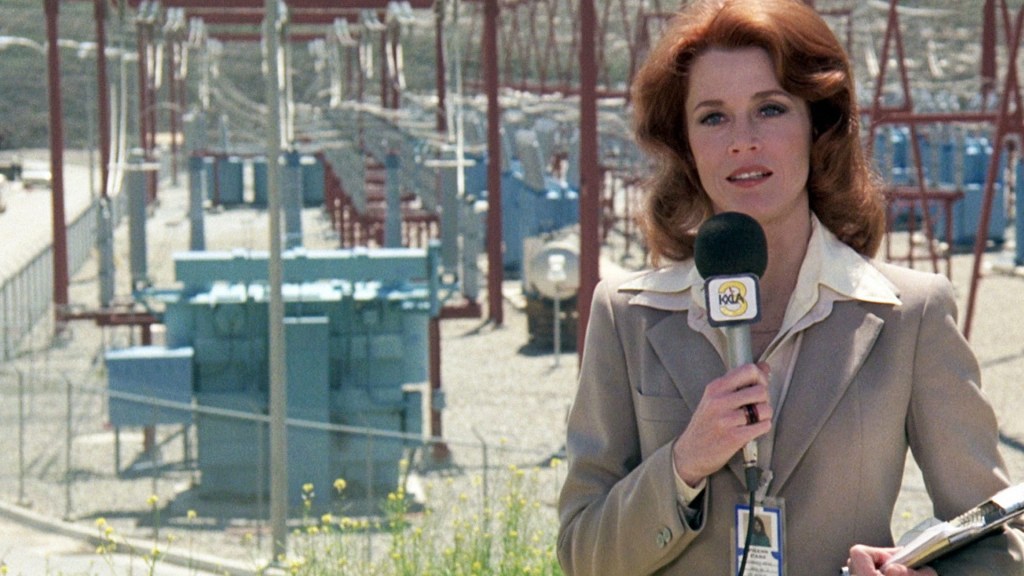
At the time of its release, nuclear powerplants across the world joined together to boycott The China Syndrome, labeling it as “sheer fiction” and accusing it as a “character assassination of an entire industry.” Then, less than two weeks later, the Three Mile Island nuclear accident occurred and suddenly James Bridges’ brilliant film became essential viewing. But even if the Three Mile Island accident hadn’t occurred, The China Syndrome would be an absolutely vital film, filled with brilliant performances from Jack Lemmon as a disgruntled power plant employee and Jane Fonda as a news anchor who discovers that the plant is putting thousands of lives in danger. Not since Chinatown, has a film studied the power of money and the extent of greed that corporations use to get what they want in such an effective way.
1. APOCALYPSE NOW

Apocalypse Now, more than any film in the history of cinema, shows the cinema heights that can be reached when a master at the top of his game puts all of his blood, sweat and tears into his work. Director Francis Ford Coppola reportedly shot nearly 200 hours of footage for the film and spent an additional three years editing the footage. When the film went over budget, he sold both his house and his winery to finance it out of his own pocket and was so depressed during the shooting that he threatened to commit suicide multiple times. Hopefully, with the finished product, he was able to realize that all of the pain and struggles paid off. That’s because Apocalypse Now is the type of visionary experience that only comes along once every ten or twenty years, if we’re lucky. Ironically, it’s a picture that focuses on the horrors of the Vietnam – along with all of its chaos and misdirection – that boasts some of the most beautiful shots ever captured in the history of cinema. Coppola never achieved the greatness he found with the first two Godfathers or Apocalypse Now again. Perhaps he decided it wasn’t worth the effort, but to this viewer and so many more, the passion and labor doesn’t go unnoticed. This isn’t just one of the greatest war films of all time – it’s one of the greatest motion pictures ever made, period.
 Entertainment Yearly