10. THE GREAT SANTINI
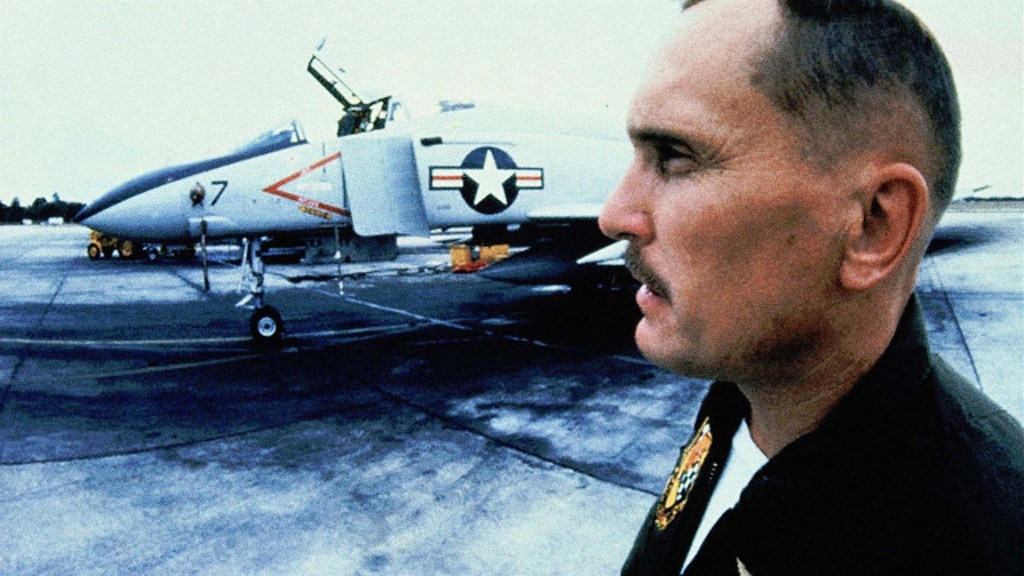
“The Great Santini” certainly has a much better ring to it than “The Drunk Santini,” which may be a more accurate nickname for the title character, played brilliantly by Robert Duvall. The marine with a catchy nickname returns home from an extended stint with the Marines, and quickly stirs up the emotions and quiet lifestyle of his family he has long since alienated. Lewis John Carlino’s film is really quite unique – it starts out as a story that seems like a lightweight comedy about a popular Marine lieutenant, but eventually spins into a character study about the psychological and physical harm that alcoholism so often leads to, along with its ripple effect that it has on family members and loved ones. The Great Santini is an entertaining film, but even more so, it’s an important one.
9. THE ELEPHANT MAN
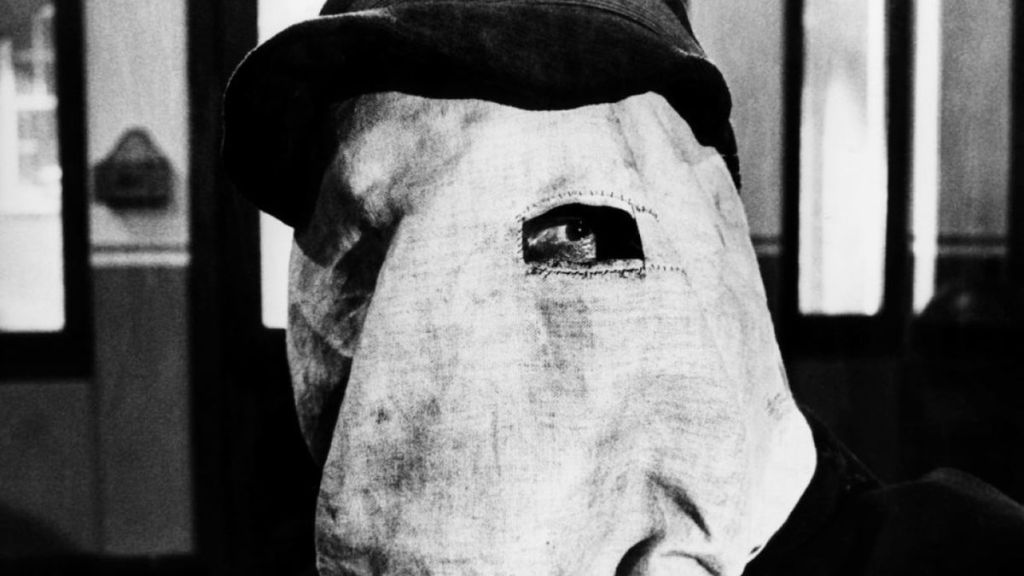
I’m not sure what captured my fascination more about The Elephant Man: the picture itself, or my discovery that its title character actually existed less than 100 years earlier than the film’s release. Both, I suppose. The real-life story of Joseph Merrick is so absorbing that pop star Michael Jackson became obsessed to the point that he tried to purchase Merrick’s remains. The film captures our same obsession with the unique – and also captures how poorly we treat those we view different from ourselves – which is exactly what makes David Lynch’s unique retelling so effective. It also leaves us hopeful that we’re moving in the right direction, since we’re now able to view Merrick as a unique treasure rather than a circus freak show star.
8. FAME
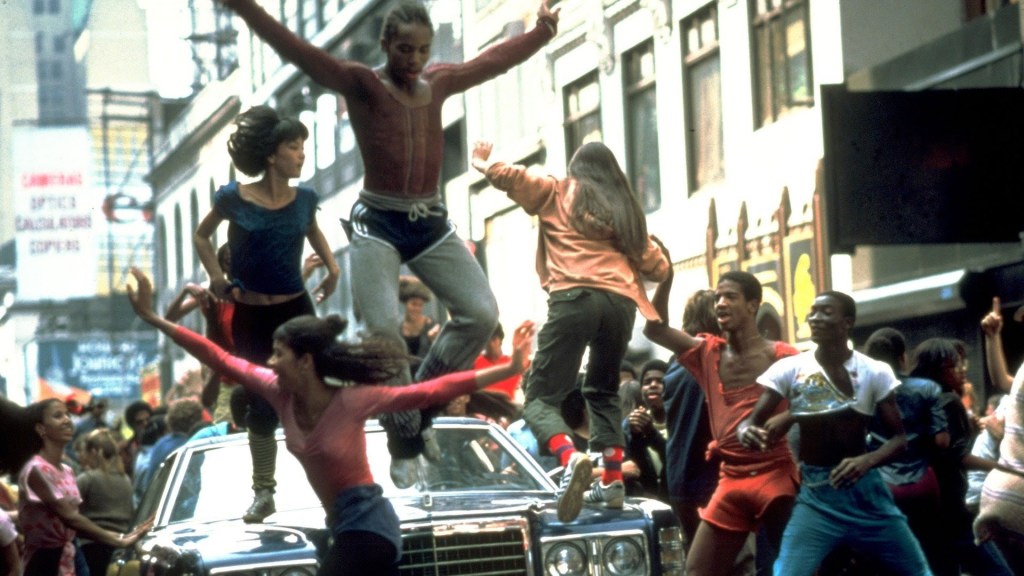
Fame is a unique treasure, and one that really doesn’t need a strong story to be enormously successful. Rather, Alan Parker’s film relies on the enormous talents of his cast members: a group of teenagers who attend a prestigious New York City performing arts school. It’s a film that reminds us how wonderful it is that we have varying talents, and one that successfully argues the importance that the arts have on so many young people in the world.
7. TESS
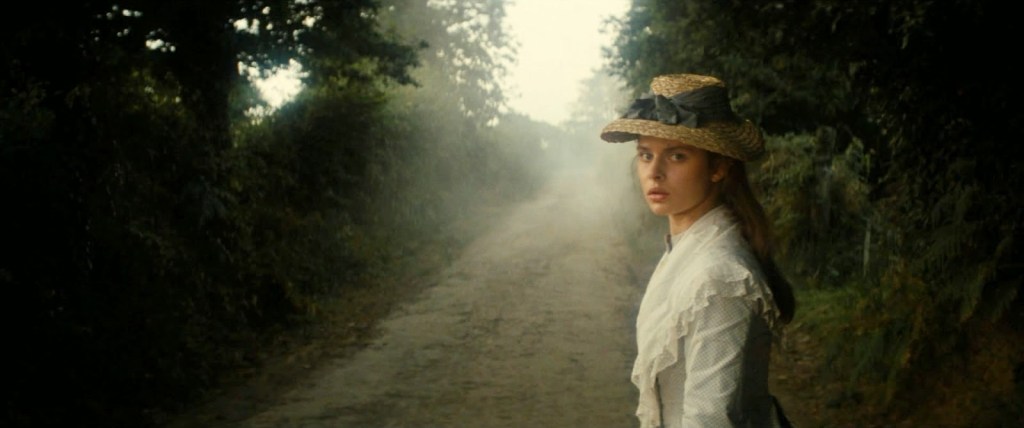
With its opening dedication to director Roman Polanski’s late wife, Sharon Tate, who was murdered by the Charles Manson Clan eleven years earlier, it’s clear that Tess is a deeply personal story of lost love for Polanski, and one that he is very careful to get right. Although it’s certainly not as memorable as his masterpiece, Chinatown, Tess still shows a great director during his peak years as it tells the story of poor young woman who has no problem winning the affection of multiple men, but struggles to really find true love. Tess is one of those rare films that is so beautifully shot, while telling a story that is full of darkness.
6. DRESSED TO KILL
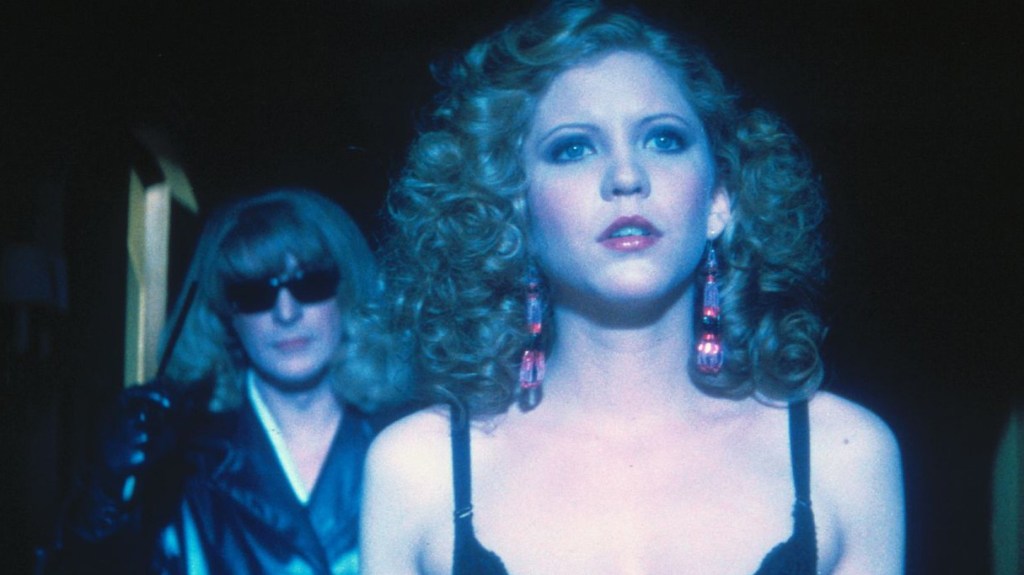
Released just months after the death of Alfred Hitchcock, Brian De Palma’s sexy and violent thriller is perhaps the best tribute that could have been made to honor the master of suspense. Although it’s certainly more R-rated than Hitchcock’s films, Dressed to Kill copies many tricks that Hitchcock mastered during his luminous career. Sure, there may never be another director who can match the vision and command like Hitchcock did, but films like Dressed to Kill, Body Heat and Blood Simple made sure the director wasn’t quickly forgotten.
5. RETURN OF THE SECAUCUS 7
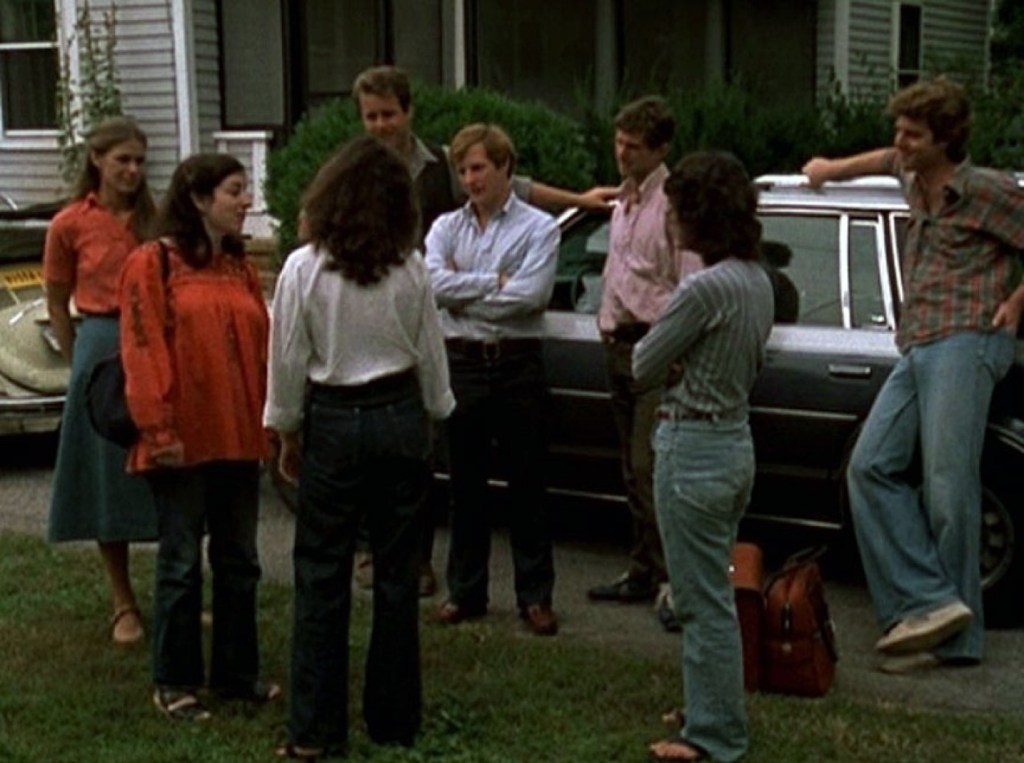
A film that originally was never intended to be seen by general moviegoers, John Sayles wrote and directed Return of the Secaucus 7 with the intention of showing it to movie execs as a resume builder. Fortunately, the execs agreed that it deserved to be seen my movie lovers, as they gave it two separate releases and allowed fans to name it one of the best films of both 1980 and 1981. Sayles’ debut film tells the story of a Massachusetts couple who invite five thirty-something college friends and their significant others to their home for an extended weekend. There are no life changing events – just an occasional volleyball game, basketball game and dip in a nearby river, yet Sayles’ film is never boring as it captures the enduring friendship that lasts long after college ends. Return of the Secaucus 7 may be one of the cheapest films made in 1980, which just proves that money has far less impact than story, acting and dialogue does.
4. THE STUNT MAN
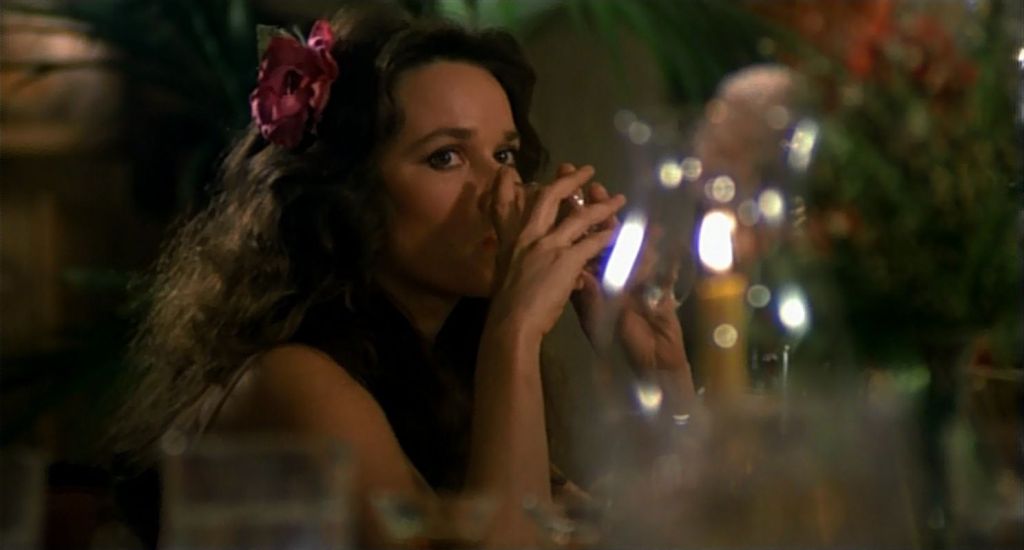
Unlike so many of the other best films of 1980, Richard Rush’s extremely entertaining action-comedy has since become nearly completely forgotten, which is too bad since its perfect and steady buildup to its climactic ending should be studied at film schools. Steve Railsback – who is even more forgotten – stars as a fugitive who finds himself hired as a stuntman for a demanding movie director – played wonderfully by Peter O’Toole – after stumbling on a movie set while trying to escape from the police. The Stunt Man fits into nearly every genre – comedy, romance, action, drama and thriller – which really makes it a picture for everyone. At least, for everyone with good taste!
3. ORDINARY PEOPLE
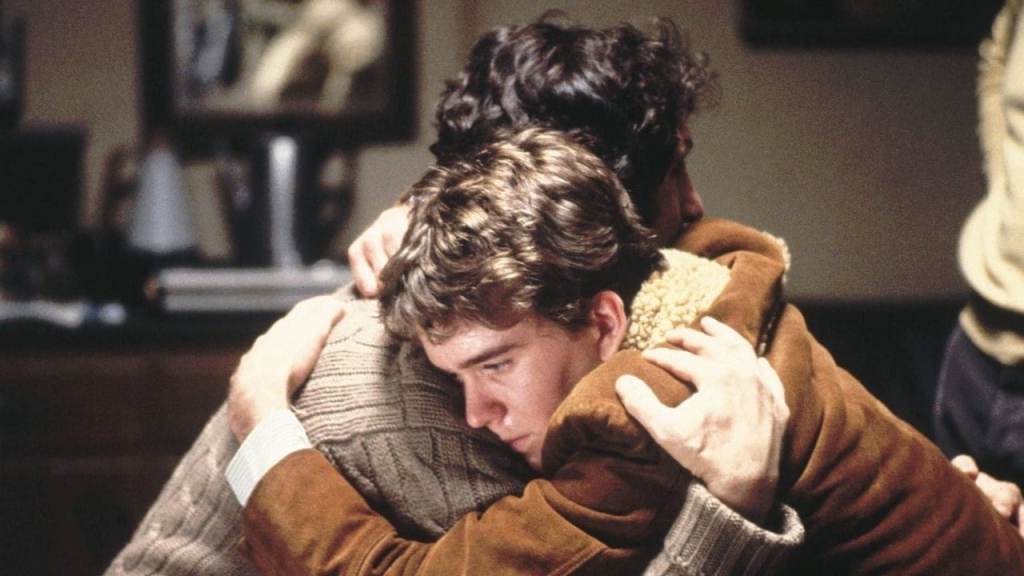
It doesn’t take long for viewers to realize that Robert Redford’s debut certainly isn’t as upbeat or happy as The Mary Tyler Moore Show, despite the fact that it was Moore’s first big screen film since stealing America’s heart on the small screen. Ordinary People tells the story of a family who struggles with emotions after the oldest son drowns in a tragic boating accident. Although it could have quickly become too heavy and too melodramatic for viewers to handle, Redford masterfully blends the sadness with small happy treasures – like an “I Love You” from your only surviving son – that saves viewers from complete agony. But as difficult as Ordinary People is to watch, it’s also a very important film that shows how we all have different coping methods, and how it’s often difficult to understand other’s ways of dealing with pain and hardship. Ordinary People went on to win Best Picture at the 1980 Oscars, and like the film that preceded it with that honor – Kramer vs. Kramer – it still captures an era in Hollywood that was learning that tough subject matters had a place on the big screen.
2. AIRPLANE!
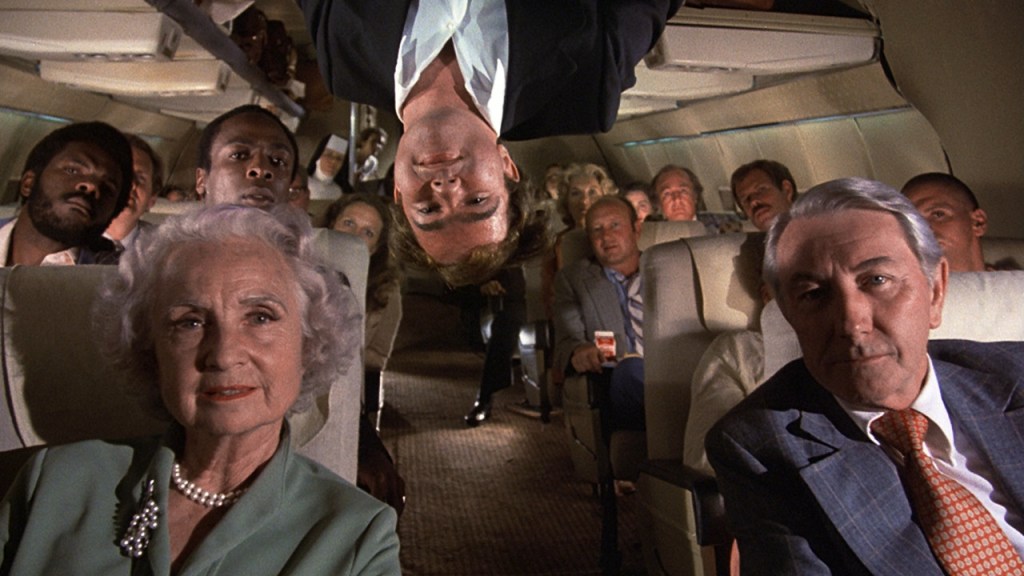
With so many of 1980’s best films being full of darkness and misery – from Raging Bull to Ordinary People to Tess – it’s quite obvious that one of the most important films of the year was Airplane!, for its enormous ability to make us laugh and actually enjoy our times at the theater. And not just laugh a little: Airplane! had me rolling in the aisles even more than the very funny films that came before it – including Animal House and 10. In a way, Airplane! is a tribute to the slapstick comedies of the 1930’s that unfortunately disappeared alongside the Marx Brothers and Laurel and Hardy. On the other hand, it’s a brilliant farce that was very aware that blockbusters and money was ruining the actual art of films. Yet, regardless of how deep you think its humor is, it’s one where you surely can’t be serious if you say it’s not one of the funniest movies ever made.
1. RAGING BULL
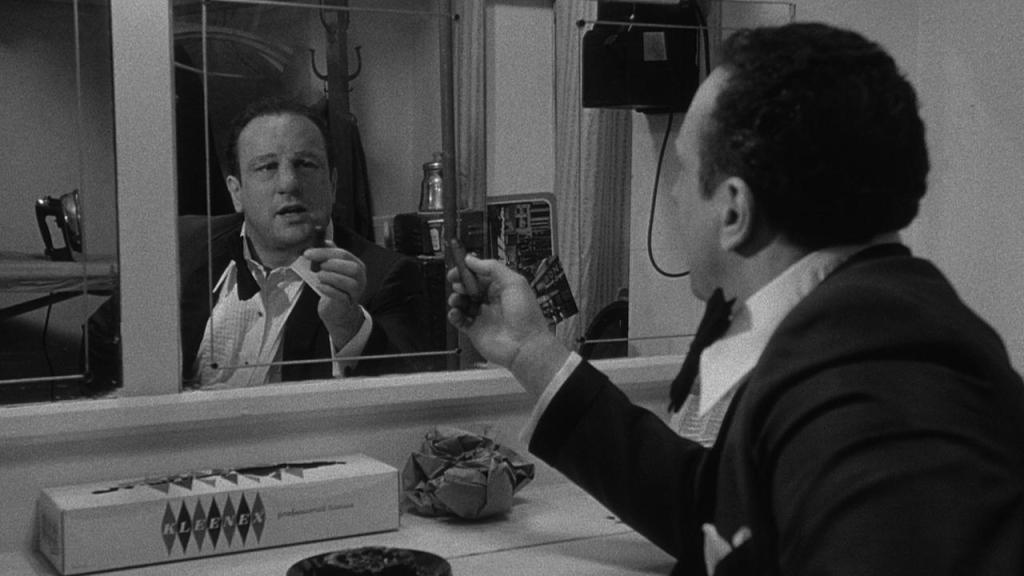
Perhaps Martin Scorsese was tired of seeing the comparably lightweight Rocky films collect huge dividends at the box office, or perhaps he just gave in to De Niro’s endless requests that he make Raging Bull. Whatever the reason, cinephiles everywhere are very fortunate that he eventually took on the story of Jake LaMotta, a middleweight boxing champion whose temper, jealousy and self-destructive personality outside the boxing ring helped make him an enormously talented boxer. Scorsese admittedly was not a fan of the sport and was reluctant to take on the project, but LaMotta’s furious persona ended up being a perfect fit for Scorsese’s uncompromising skill of portraying violent lifestyles in a way that is both fascinating and devastating. Raging Bull pulls no punches – nor should it – and in doing so, it captures both the beauty and the ugliness of the sport. This one is a complete knockout from start to finish, and is deservingly often considered the best film of the entire decade, as well as the magnus opus of Scorsese’s brilliant career.
 Entertainment Yearly