10. THE LAST METRO
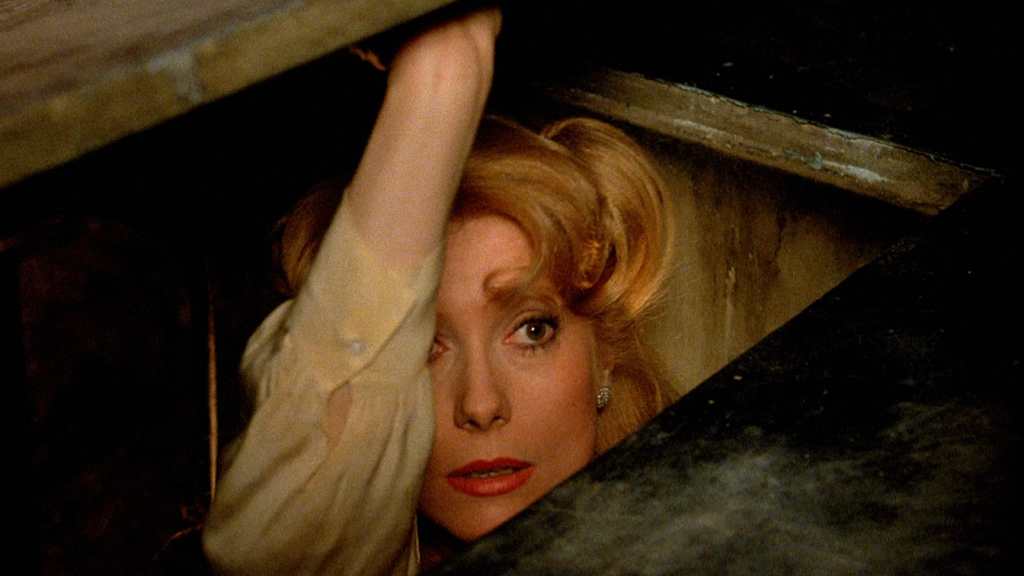
So often, war films focus on the battles and the bloodshed, which had well been beaten to the ground by 1981. Fortunately, The Last Metro instead focuses on how WWII’s impact expanded far beyond the battlegrounds. It tells the story of a successful Jewish playwright who must give up his theater and go into hiding, while his wife continues to direct his plays in hopes of saving his hiding place: Theatre Montmarte. Much like she did in Belle de Jour, Catherine Deneuve puts audiences into a trance with her beauty and command. Had the Academy been more accepting of foreign-made films, she surely would have received her second Oscar nomination. Unfortunately, she – and the film itself – was way too overlooked at the time of its release.
9. ABSENCE OF MALICE

Some film critics seemed to take offense that Hollywood would tell a story that would put their profession in a light far dimmer than the one shown five years earlier in All the President’s Men. But those critics missed the point, and the joys of Sydney Pollack’s film that demonstrates the dangers of sloppy journalism. Sally Field, sandwiched between her two Oscar wins, gives a fine performance as Megan Carter, a journalist who is willing to push legal boundaries for a strong lead story, but Paul Newman is the real standout of Absence of Malice. He plays the son of former convict, who finds his life turned upside down after untrue claims about him are printed on the front page of a Miami newspaper. The two performances alone make Absence of Malice well worth watching, but its story deserves much more credit than it ever received, too.
8. THIEF

Years before he broke into stardom with masterpieces like Heat and The Insider, Michael Mann flashed his enormous directing talents with his debut feature film about a skilled jewel thief who, just when he thought he was out, got pulled back into the crime scene. Fittingly, James Caan – most famous for his roles as Sonny Corleone in The Godfather films – plays the title safebreaker who gets pulled into the crime scene shortly after starting a promising relationship with a beautiful waitress. Mann, who was just 38 at the time of the film’s release, made the most of the film’s $5.5 million budget, ensuring that every shot was perfectly framed, which he was rewarded by some modest box office gains of nearly $12 million. Yet, the person who may have benefited the most may have been Jerry Bruckheimer, the uber-rich producer that helped jumpstart his career. Thief may not be his biggest moneymaker, but it still remains one of the best films to ever have Bruckheimer’s name on it.
7. RAIDERS OF THE LOST ARK
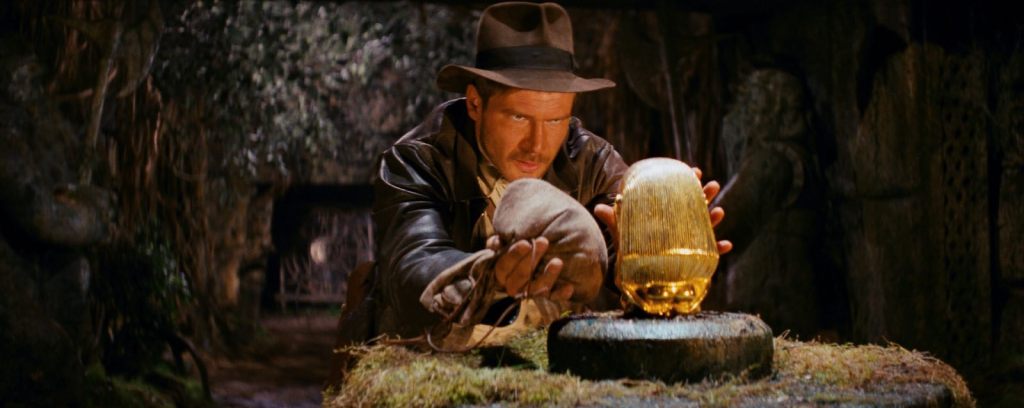
When I look back at past years and assemble my ten-best list, I try to get in the mindset of what my list might have looked at if I were around during their release. I do my best not to be persuaded by a film’s cultural impact and influences. But if I did take all that into consideration, Raiders of the Lost Ark – the first and best film of the Indiana Jones’ trilogy – would quite possibly be in the number one slot. At least, everyone else says it is. After all, it turned children everywhere into mini Indiana Jones and basically redefined the adventure genre. Yet, that’s overseeing one very minor detail: there were several better films made in 1981 – films that were more balanced and trimmed. Yet, even with its flaws, Raiders of the Lost Ark remains a very good film that occasionally reaches greatness, especially when it lets its humor shine.
6. ARTHUR
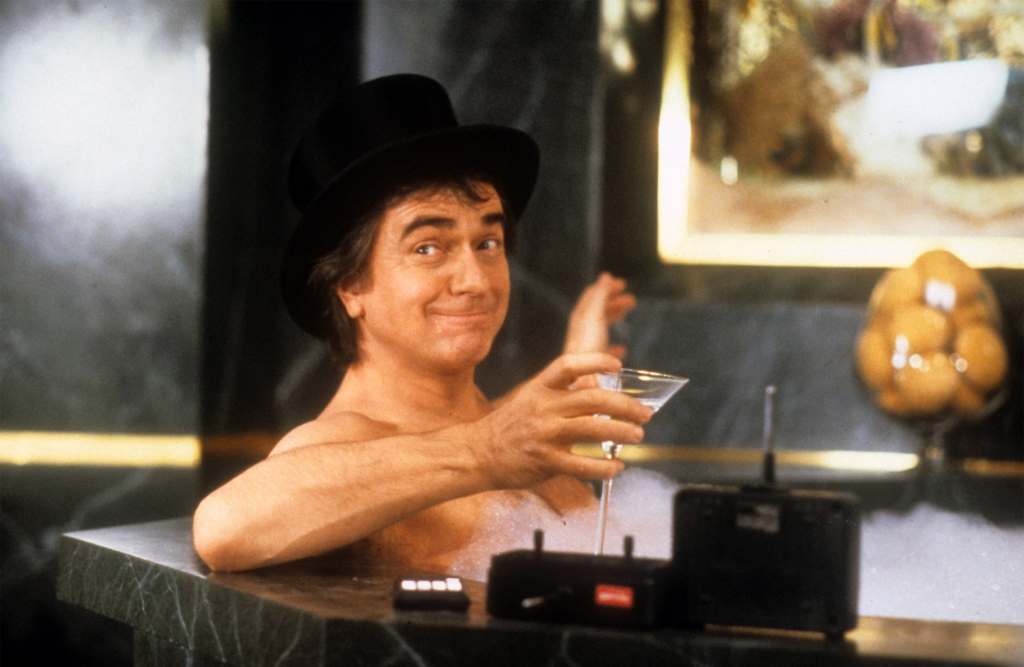
We all know there’s nothing funny about alcoholism. It destroys families, relationships and careers. Yet, somehow Dudley Moore and director Steve Gordon are able to inject loads of humor in the otherwise rather sobering tale of Arthur Bach and his $750,000,000 inheritance that is at risk due to his constant drinking. Moore, who was undoubtedly at the peak of his career in the last 70s and early 80s, gives the finest performance of his career, and quite possibly also the funniest. The story may be predictable and light, but Moore’s timing and humor make it enjoyable to the last drop.
5. REDS
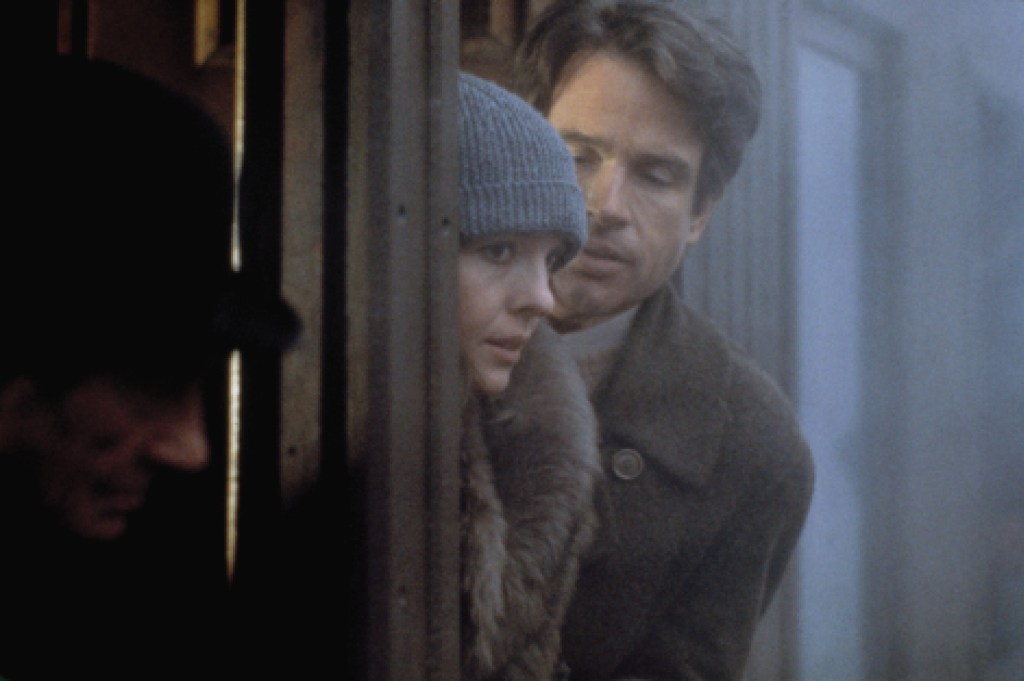
Shortly after filming Bonnie and Clyde in the late 1960s, Warren Beatty became interested in the story of John Reed, a socialist New York writer who packed his bags and traveled way east to report on the Russian Revolution. And Reds also feels like a film that was inspired from the epics of the 1960s, like Doctor Zhivago and Lawrence of Arabia – and not just due to its nearly 200-minute run time. Instead, it greatly resembles those masterpieces with its passionate romance and beautiful cinematography. Beatty is fine as an actor, but certainly shines brighter behind the camera, even if he reportedly annoyed some of his biggest stars by requiring nearly 100 shots of the same scene. In the end, the effort paid off, as Reds is one of the best films of the eighties, and one that inspired the decade to boast an abundance of long, expensive epic romances.
4. BODY HEAT

I somewhat doubt that there has ever been an actress who emerged as a leading sex symbol quicker than Kathleen Turner did for her risqué role in Body Heat. Although it was the actresses first film, she quickly received comparisons to Lauren Bacall for her smoky voice and knockout looks. But she also could have received them for her brilliant acting, which gave her some of the juiciest roles throughout the eighties. Yet, her costar, William Hurt, may have been helped even more by his breakout performance. He would go on to star in many of the most acclaimed films of the eighties, including Broadcast News and The Big Chill. Yet, Body Heat is mostly Lawrence Kasdan’s achievement. Kasdan quickly emerged as one of the most talented writers in Hollywood after penning both Raiders of the Lost Ark and The Empire Strikes Back. And I know I’m in the minority, but I actually believe he saved his best work for himself, when he made his directorial debut with Body Heat.
3. ATLANTIC CITY
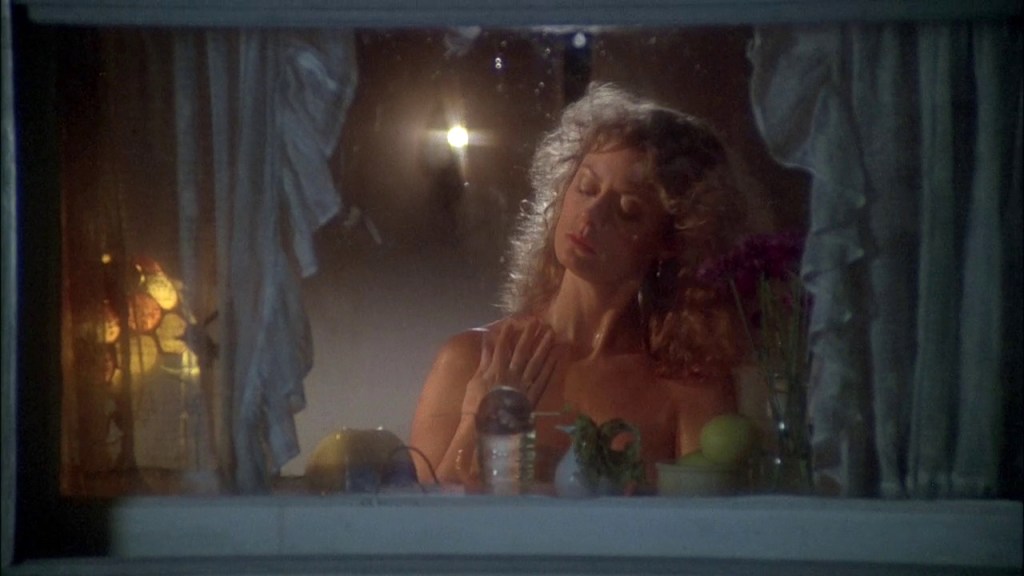
It’s no wonder why Atlantic City was the most acclaimed film of 1981. After all, the film famously begins with Susan Sarandon squeezing lemon juice over her naked body, and somehow manages to get even better from there. Alongside Sarandon’s great performance, is one that is even better from Burt Lancaster. He plays Lou Pascal, an aging dreamer who claims to have once shared a jail cell with the infamous mobster, Bugsy Siegel. When Lou stumbles upon an opportunity to make some crime money, he begins to feel livelier than he has in ages. Atlantic City marked one of two 1981 releases for director Louis Malle – in fact, it’s quite possible that he released his two most widely acclaimed films within six months of one another. In October of 1981, he released My Dinner With Andre, which is rumored to have inspired Seinfeld, just six months after Atlantic City’s opening, a film that ranks alongside Au Revoir les Enfants as the director’s masterwork.
2. CUTTER’S WAY
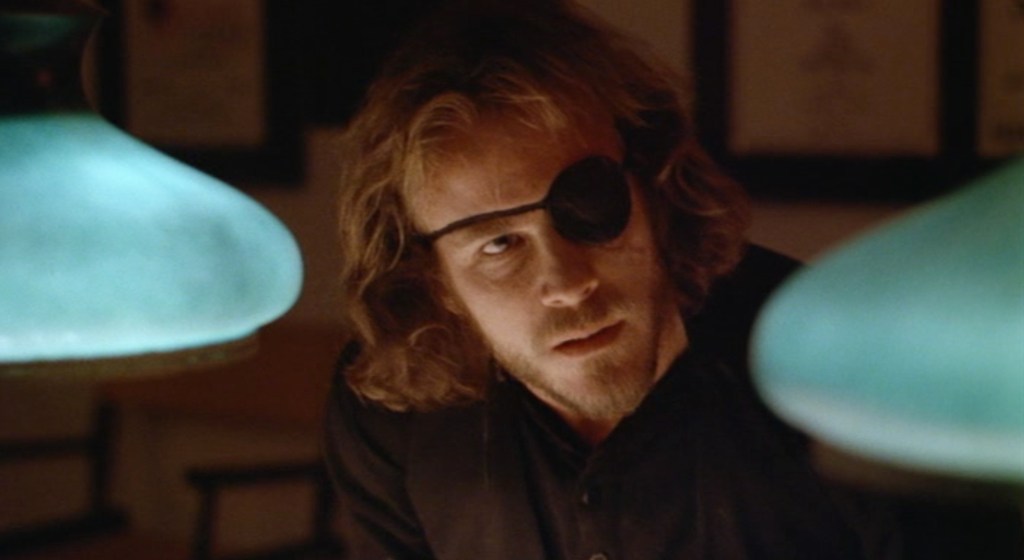
Cutter’s Way makes a pretty strong argument that some of the greatest movies ever made may not have ever found an audience at all. That was nearly the case with Ivan Passer’s masterpiece, Cutter’s Way. The film, originally titled Cutter and Bone, was nearly pulled after its first week because it received three negative reviews. Fortunately, the film was rescued after it received the raves it deserved from a few prominent critics and rereleased to a broader audience. Even today, it’s difficult to muster up the reasoning for its original harsh reviews. After all, there are so many perfect qualities to the film: its wonderful performances from Jeff Bridges and Lisa Eichhorn, its engaging story of a man who witnesses a murder but can’t identify the suspect, and its nostalgic ability to capture the paranoia of the generation that grew up with the Kennedy assassination and Watergate.
1. BLOW OUT
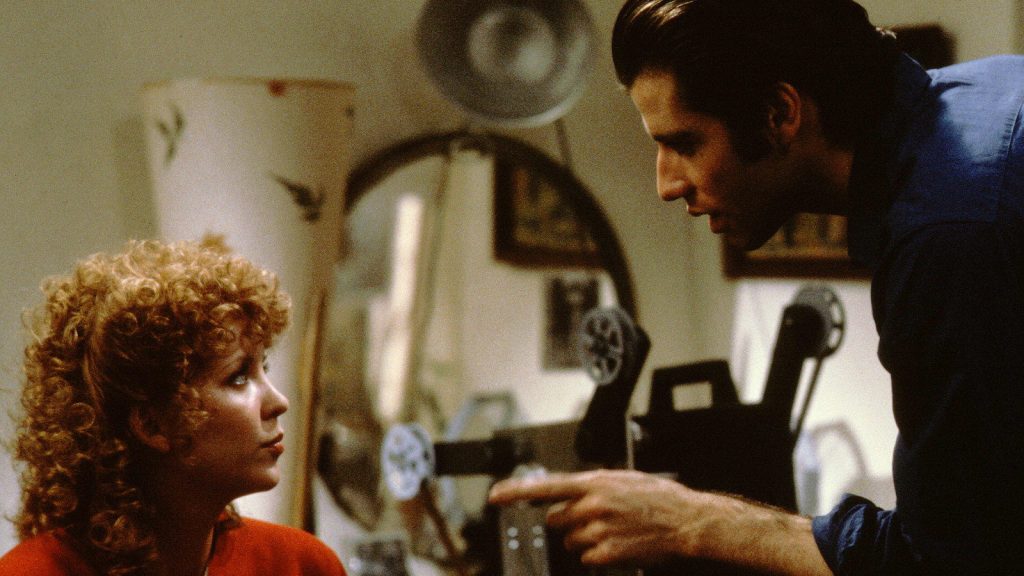
Jack has one job: to find the perfect scream for a sleezy slasher pic. He’s a sound editor for a low-budget studio that specializes on quickly pushing out mediocre horror films, and we learn very early that Jack is much too talented to settle for this thankless job. One day, while recording the sound of wind for a picture, he witnesses a car accident that derails a car and kills a governor destine to be the country’s next leader. Shortly thereafter, two things become extremely clear very early regarding Blow Out: 1) that this was no accident and 2) that this is Brian De Palma’s masterpiece. Sure, Scarface might have the cult following and Carrie might be his biggest blockbuster, but Blow Out – a film that was a complete bust at the box office – remains his best achievement to this day. Powered by one of John Travolta’s greatest performances and plenty of twists, Blow Out captured political corruption with a Hitchcockian spirit and an edge than only Brian De Palma could master.
 Entertainment Yearly