10. PERSONAL BEST
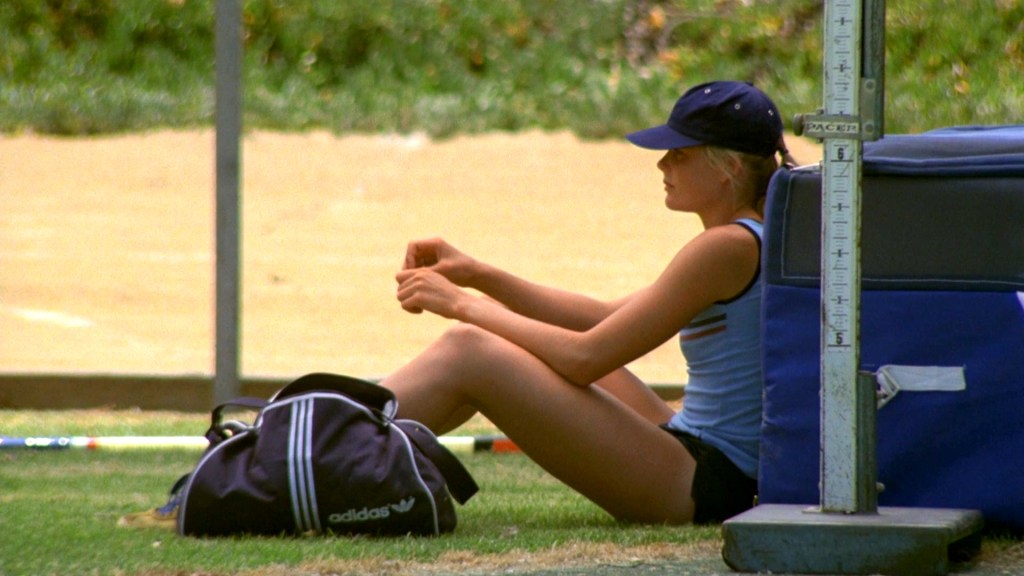
After making directors famous for many years by providing them with rich screenplays, Chinatown writer Robert Towne finally decided to step behind the camera for the first time and direct Personal Best. Although now the film is mostly forgotten, it looked like it could have a lasting impact at the time of its release, for several reasons: First, the film appeared to be a major stepping stone in Mariel Hemingway’s career. The granddaughter of renowned writer Ernest Hemingway had broke onto the scene in Woody Allen’s Manhattan, and by 1982 it appeared that she was on the brink of becoming a major breakout star. But that never happened. Instead, she struggled most of her short career with mental illnesses. The film also seemed daring at the time, as it was one of the first Hollywood pictures to focus on a bisexual character. However, Hollywood decided audiences weren’t ready for such daring stories and also put that on the backburner, allowing Brokeback Mountain to get much of the credit twenty-some years later. Yet, the real reason Personal Best deserves a spot in the top ten is because of its stunning cinematography – and for the fact that few non-boxing sport films dare to show how mentally challenging competitive sports can be.
9. THE ROAD WARRIOR
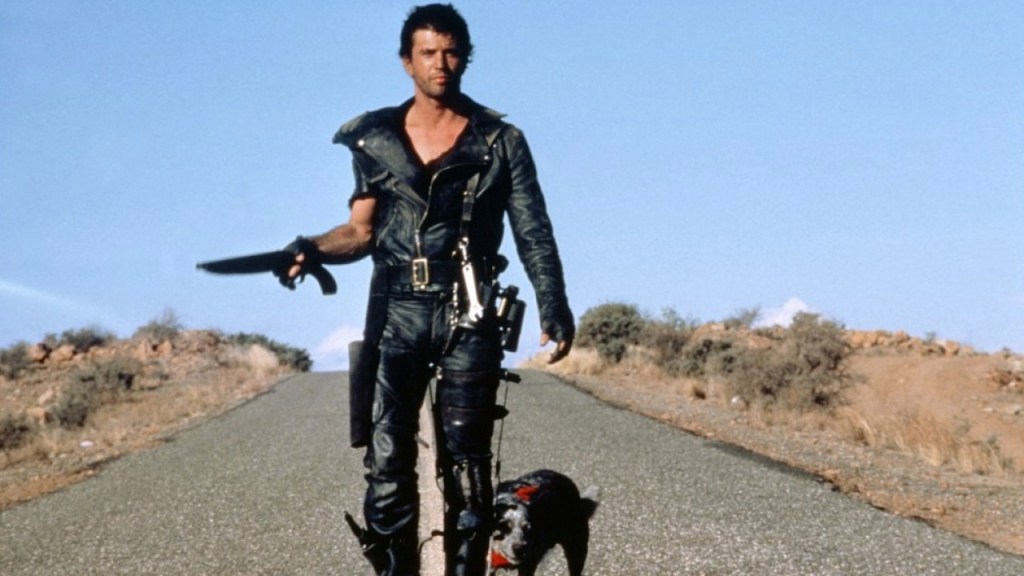
When Mad Max: Fury Road was released in 2015, it opened to universal praise and was later considered by many to be the best film of the entire decade. And I still don’t understand why. I tried to watch it again, years later, but couldn’t even make it though without turning it off. But now, I think I finally understand, thanks to the second film in the Mad Max trilogy: The Road Warrior. Perhaps many find Fury Road to be as pointlessly entertaining as I found The Road Warrior. The 96-minute joy ride takes us through the desert sands in apocalyptic world filled with brave heroes and bizarre villains. Pointless? Sure, but few films of the ‘80s dared to be as unique, creative and simple as George Miller’s masterpiece. Fury Road has many of the same qualities, but it just doesn’t have the same charm that Mel Gibson had 30 years ago.
8. THE WORLD ACCORDING TO GARP
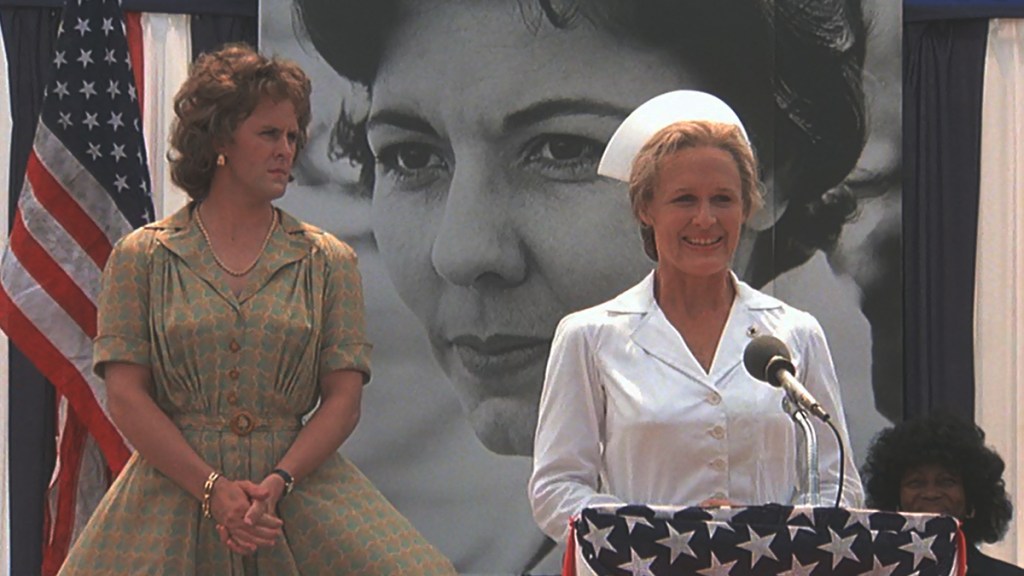
For as much fuss is made about Forrest Gump being a Being There rip off, I can’t help but to think the story of Garp has a much closer resemblance. Garp, a role that was designed for the likes of Robin Williams, is a acclaimed writer who lives in the shadow of his mother’s success after she breaks out with a bestselling novel on feminism. The role of the mother was played by a very unknown Glenn Close, in what would earn her the first of her seven Oscar nominations and would later allow her to earn some of Hollywood’s juiciest roles throughout the 1980s.
7. BLADE RUNNER
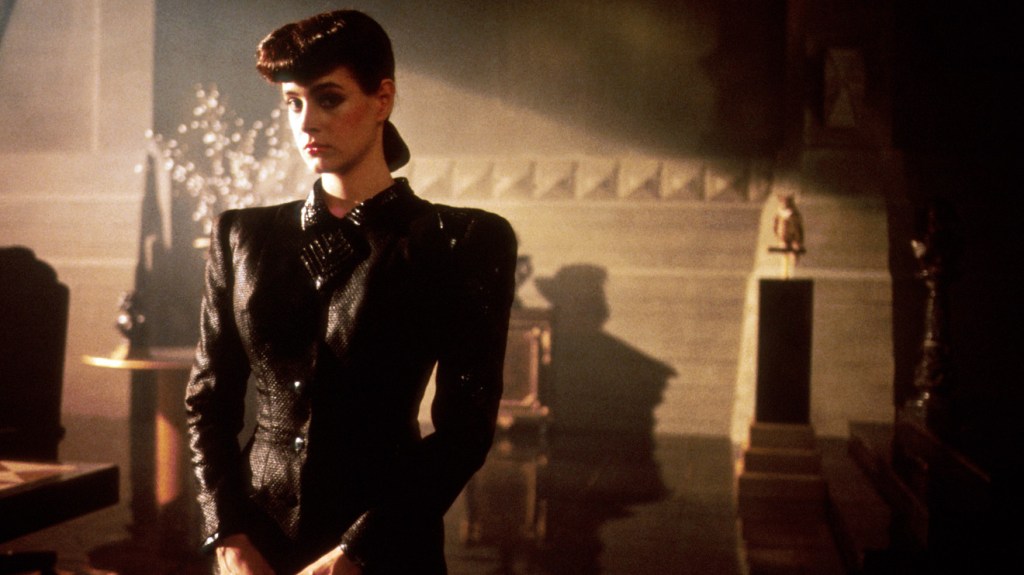
Time is a wonderous thing. What else could explain how Ridley Scott’s fascinating sci-fi thriller, Blade Runner, went from being one of the most underrated films ever made at the time of its release to becoming one of the most overrated today? Of course, there have been countless edits that have improved the film’s original flaws, but even with its original cut, how could critics ignore the stunning cinematography and visionary special effects? At its original release, Scott proved that the camera alone can repair a damaged script – and with time, he proved that additional edits do even more.
6. FITZCARRALDO
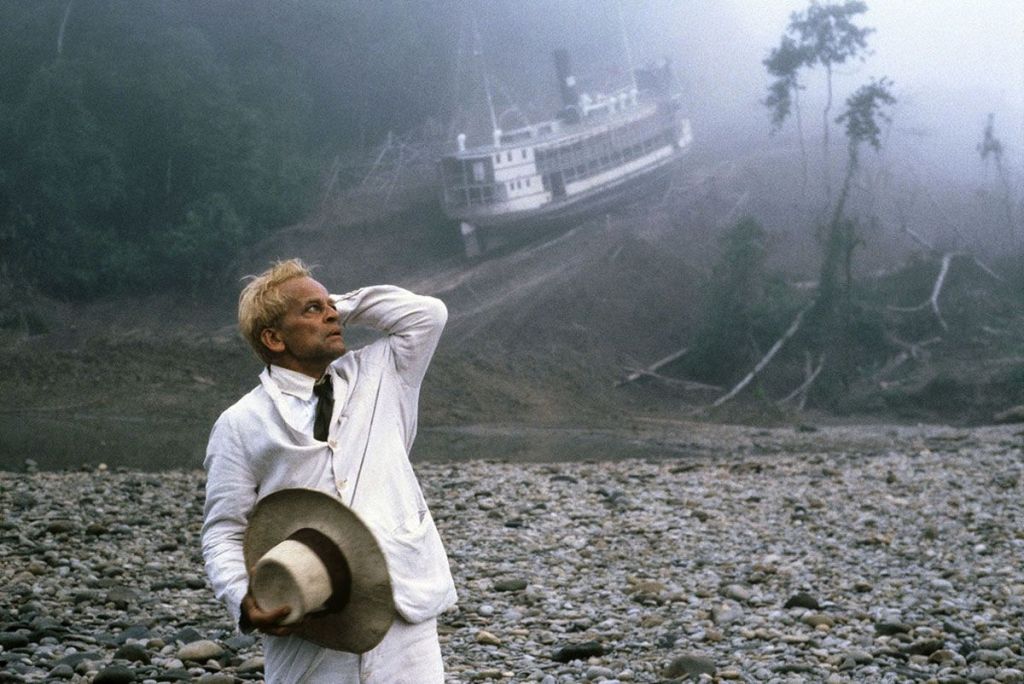
Is there any better way to capture the craziness of a lead character than by casting an actor who is absolutely bonkers in real life? If Werner Herzog’s partnership with Klaus Kinski is any indication, the answer is a resounding no. Kiniski caused so much tension on the set of Fitzcarraldo that one of the natives offered to murder Kiniski at no cost to Herzog. Fortunately, Herzog didn’t accept. Despite the issues, Kiniski gives an absolutely unforgettable performance as a mad man who purchases a ship with hopes of building an opera in the middle of the jungle. His performance, the mysterious storyline and the numerous challenges behind the scenes during the filming of Fitzcarraldo makes it sort of a mini Apocalypse Now. And even though the results aren’t nearly as gorgeous or unforgettable as Coppola’s masterpiece, Herzog’s film remains a remarkable adventure of its own.
5. SOPHIE’S CHOICE

At the time of Sophie’s Choice’s release, Meryl Streep already had three of her 21 Oscar nominations under her belt, and even won for her terrific supporting performance in Kramer vs. Kramer. Yet, nothing could prepare us for the performance she was about to give as a Polish immigrant who was forced to make a difficult decision while being held at a Nazi concentration camp. As the title character, Meryl Streep is tender and heartbreaking, and absolutely perfect. Even today, there’s a strong argument that her performance in the film is the greatest performance ever by an actress. And who am I to argue? Her unforgettable performance is the driving force of Sophie’s Choice, and it transforms the film into a deeply heartbreaking and haunting film.
4. MY FAVORITE YEAR
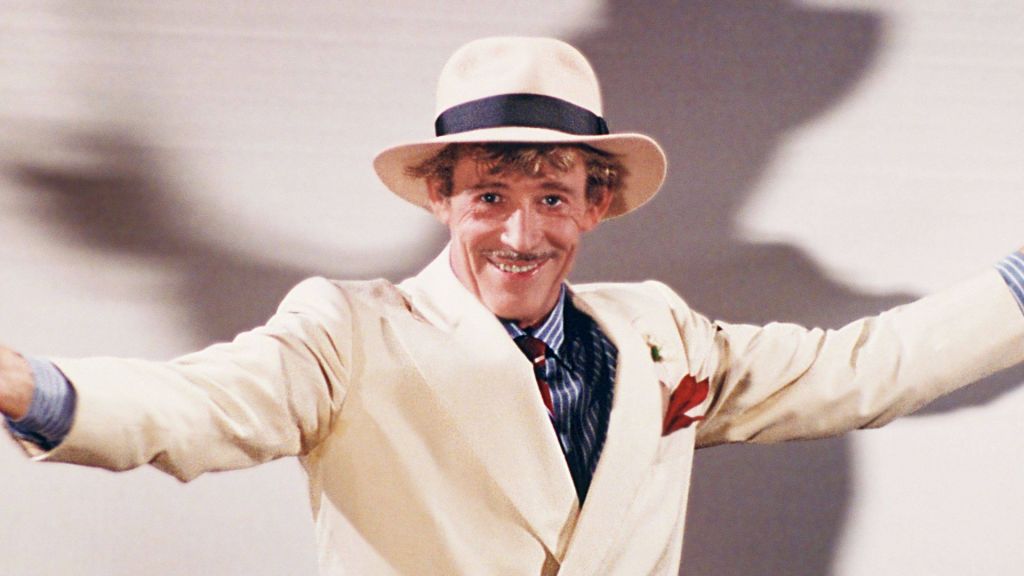
1982 had so many great films. Some, like E.T., Tootsie, Blade Runner and Sophie’s Choice are still remembered fondly today, but so many others have sadly been forgotten throughout the years. Perhaps only mentioned now when the discussion arises about Peter O’Toole never winning an Oscar, My Favorite Year may be the best example of how some of the best films of 1982 have now become forgotten. It was a year where the best movies were enormously fun, and Richard Benjamin’s film was no exception. Legend Peter O’Toole stars as Erroll Flynn, who was once the biggest action star in Hollywood but now is an out of control alcoholic, as he prepares to star on a variety TV show. Benji Stone (played by Perfect Strangers’ Mark Linn-Baker) is the employee put in charge to make sure the screen legend remains on his best behavior. Benjamin’s film is funny, enjoyable and clever, and one of the films that make 1982 my favorite year for movies in the 1980s.
3. THE VERDICT
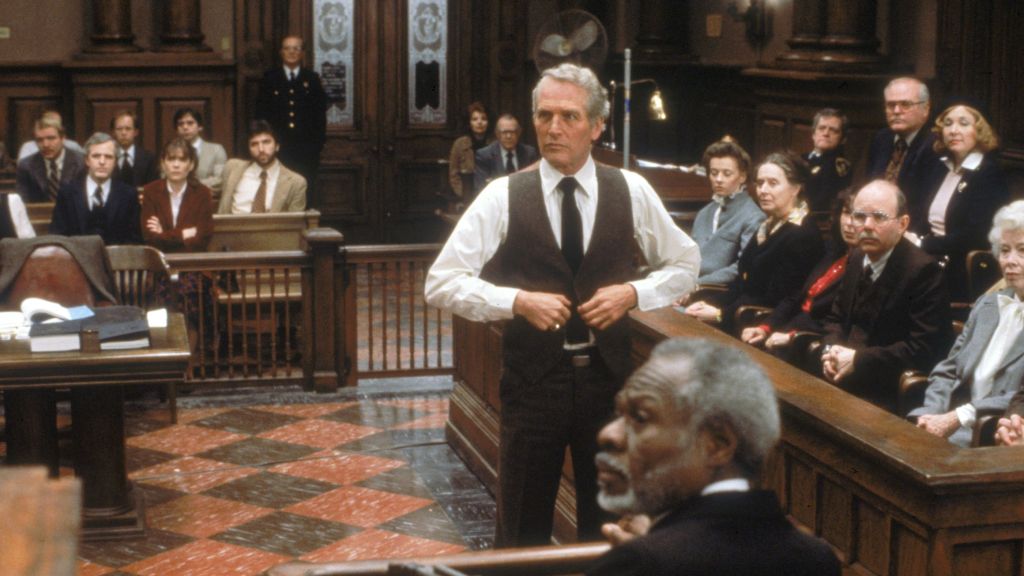
Screenwriters do not get the credit that they deserve. Sure, they win Oscars like everyone else, but how many can you list by name? Probably Charlie Kaufman, Aaron Sorkin and David Mamet at best. And to get that sort of name recognition, a screenwriter needs to pen multiple stories at the caliber of The Verdict, which is exactly what David Mamet did. Easily the best written film of 1982, The Verdict doesn’t just bring back the hay day of courtroom dramas, it one-ups them with twists that keep viewers on the edge of their seats. Paul Newman, in one of the finest performances of his career, plays an alcoholic lawyer who receives one last juicy case as a favor. The Verdict is the Rocky of the courtroom, a film that one cannot help but get on the feet to cheer for.
2. TOOTSIE

When Dustin Hoffman was interviewed to discuss Tootsie for an American Film Institute special, he broke down into tears stating that he missed out on the chance to meet many interest women due to his perceptions on physical appearance. Well, make no doubt about it that few characters in the movies are as interesting as Dorothy Michaels, or Michael Dorsey – the man who plays her for a television soap. Even with a stacked resumé that includes two Oscars and seven nominations, Dustin Hoffman has never been better than he was as a man who dresses like a woman out of desperation to get acting work. Of course, he would have never agreed to the part of Michael Dorsey if it weren’t for its rich screenplay that was able to tackle sexism in a very funny way. Tootsie isn’t just one of the great movies of 1982 – it is one of the great comedies of all time.
1. E.T. THE EXTRA-TERRESTRIAL
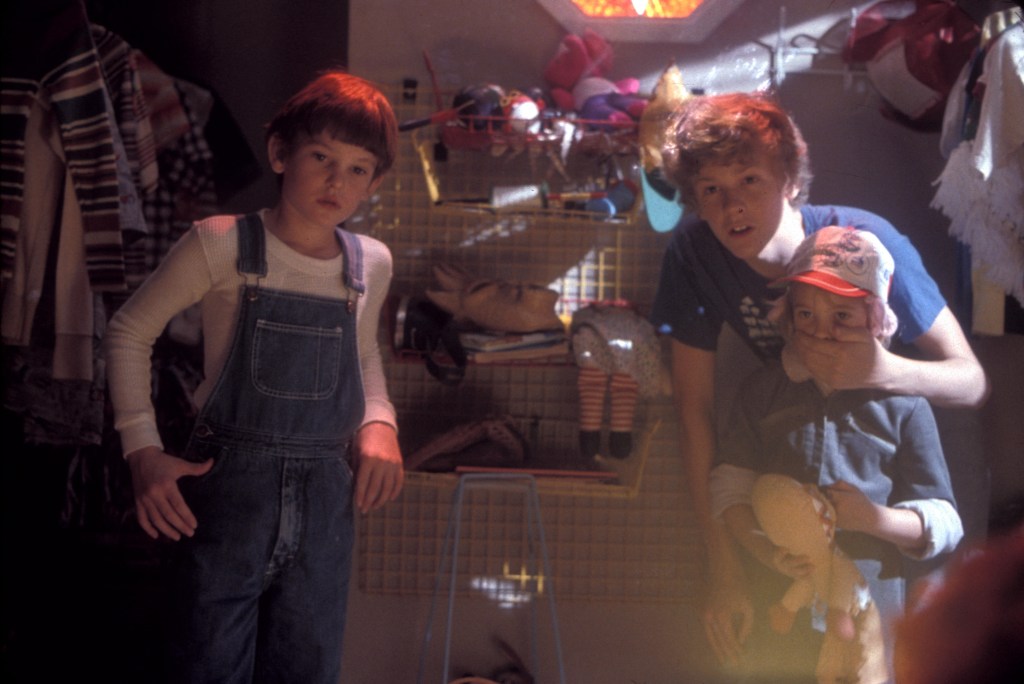
How E.T. The Extra-Terrestrial lost the Best Picture Oscar to Gandhi still puzzles me greatly. The film shattered box office numbers, and even passed Star Wars as the highest grossing film of all time. E.T. merchandise was everywhere, from stuffed dolls to school lunchboxes. Children loved it, parents loved it, and even the critics loved it – so much, in fact, that it appeared as the number one film on nearly half of the top ten lists for 1982. The only explanation, then, seems to be that Oscar voters had overdosed on E.T. by the time ballots were sent out. Too many screenings, too many discussions and too many phone-home jokes. Gandhi, on the other hand, had just opened in many cities and was the new obsession for a short time during Oscar voting. The result was a shocking loss for the film that made Steven Spielberg a superstar. Fortunately, classics aren’t determined by Oscar wins, but rather by the quality and longevity of the film itself. And because of that, E.T. will forever remain a magical film for the ages.
 Entertainment Yearly