10. THE OFFICIAL STORY
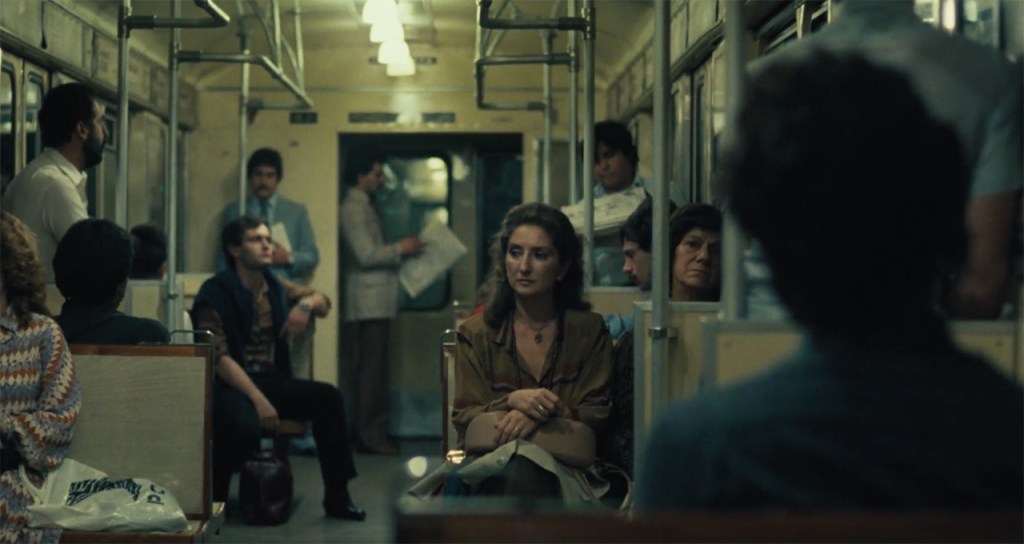
The tenth and final spot was between two important films, and admittedly I’ve picked the lesser known and lesser acclaimed of the two. Shoah, which is often deservingly called the best film of 1985, is undoubtedly one of the best documentaries ever made. But with its draining subject matter (the holocaust) and its nearly 10-hour runtime, Shoah is also an enormous challenge in today’s era of Tick-Tok attention spans. Plus, there’s no denying that the film may have been more accessible to wider audiences if it had spent more time in the editing room. The Official Story, on the other hand, is a fictional film that focuses on a dark time in Argentina’s political history. During the early 80’s, Argentina’s military dictatorship used its power to kill thousands of political leftists and kidnap children that would be put up for adoption. Like Shoah, The Official Story is a film deserving of a much wider audience, yet it’s a film that demands far less from its viewers as it teaches an important history lesson.
9. BLOOD SIMPLE
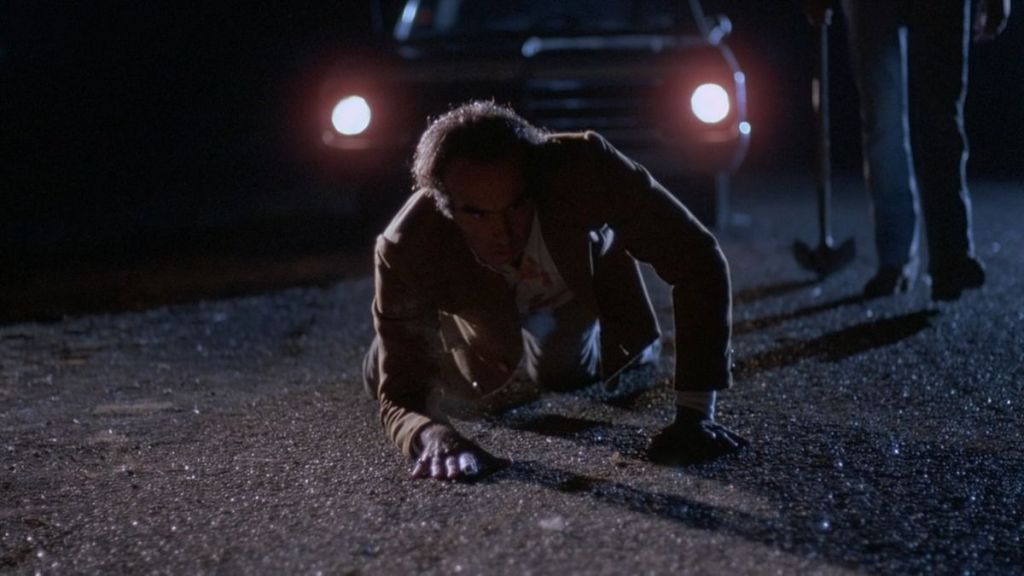
One of the pure joys of fantasy football is to predict which players will breakout and help you win your league. Everyone has their favorites, but there’s typically a clear consensus on a few players whose breakout seems inevitable. If there was a similar fantasy league for movie directors in the early 1980’s, Joel and Ethan Coen would have moved to the front of the breakout rankings after the release of Blood Simple. Despite the film’s flaws, Blood Simple captured the young directors creating a simple, yet nearly perfect debut film noir. Bustling with dark humor and unpredictable twists, Blood Simple boasts the talents of a young writing duo that would go on to create masterpieces like Fargo and No Country for Old Men. And, in the process, it would also provide Frances McDormand with juicy debut role.
8. THE BREAKFAST CLUB
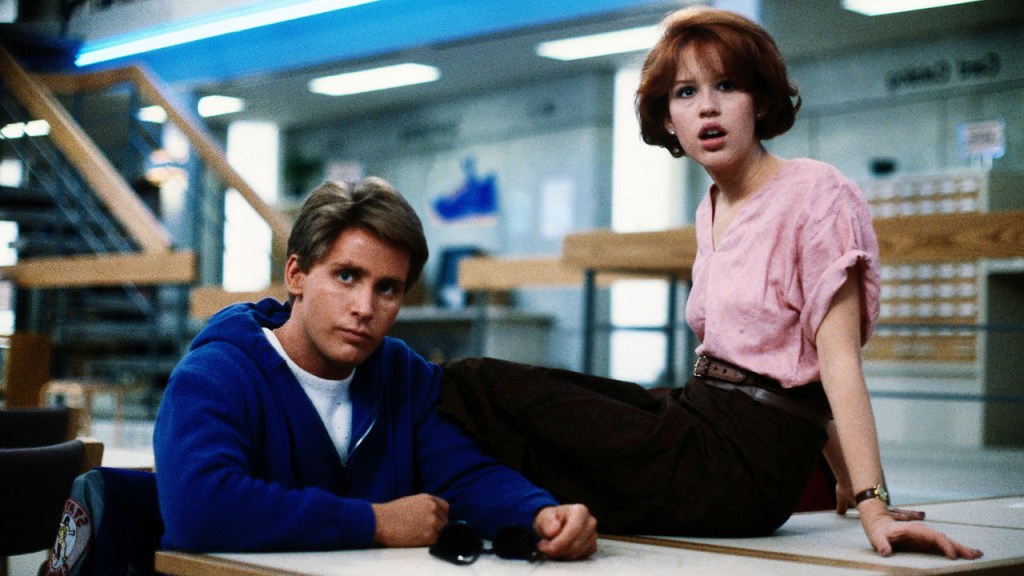
Has there ever been a director who was underappreciated by critics as much as John Hughes? There’s a pretty strong argument that there hasn’t, at least not in the past fifty years. Hughes’s films always garnered positive reviews, but far from widespread acclaim. In fact, his highest Metacritic score is 72, a score he received for Planes, Trains & Automobiles. His most acclaimed film, and deservingly so, is probably The Breakfast Club, a film that turns detention into the best way to spend a Saturday afternoon. Like many of his other films, The Breakfast Club isn’t highbrow cinema, but rather 97 minutes of pure entertainment. Isn’t that what we want from our movies, anyways? To be entertained? If so, The Breakfast Club, and many of Hughes’s other films, deserve to be recognized on a year-end best list. And if you disagree, you should probably spend some time in detention.
7. THE TRIP TO BOUNTIFUL
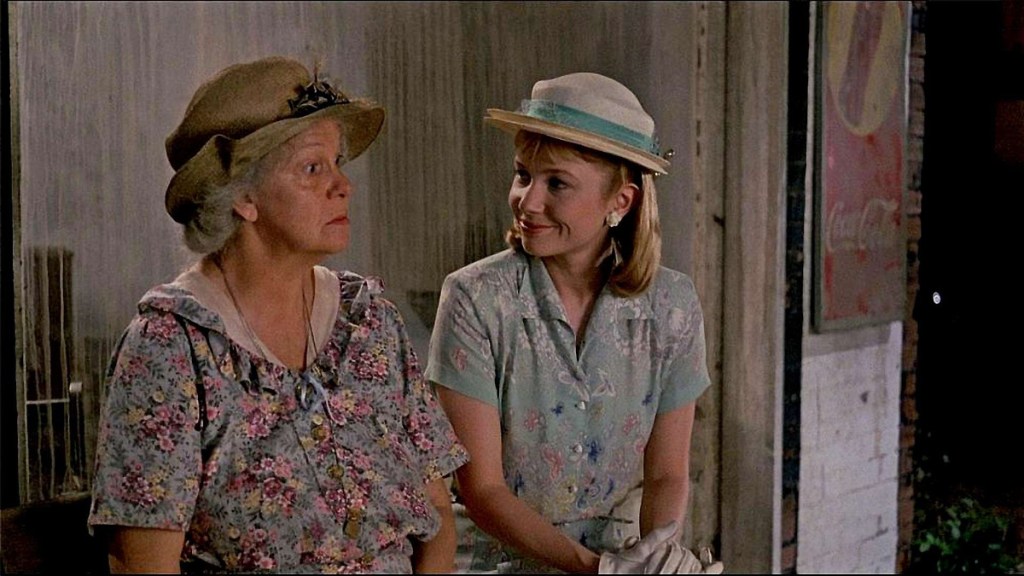
There’s a popular saying that “sex sells.” On the other end of the spectrum is stories about pure old ladies, which have made so little money at the box office that they’ve nearly become extinct. Fortunately, back in 1985, The Trip to Bountiful, a story of an old lady who wishes to escape her mean daughter-in-law and make one last trip to her hometown, was greenlit. Geraldine Page, who won the Oscar for her performance, plays Mrs. Watts with such kindness and wisdom that carries the movie through. Modern movies would never take a risk on such a movie due to the box office analytics. Too bad, because in a time when cinema is at an all time low, they may just find that such film would provide bountiful rewards.
6. THE PURPLE ROSE OF CAIRO

For many years, Woody Allen considered this his best film. It’s easy to understand why he’d feel that way. After all, it’s a homage to the thing he loves most: movies. And it stars the lady he loved the most: Mia Farrow. But, above all that, The Purple Rose of Cairo remains one of Allen’s sweetest films. It tells the story of an abused wife who escapes her miserable life by going to the movies. While watching the same movie over and over again, one of the actors decides to come down from the screen and get to know her. It’s the kind of original yet traditional, funny yet sweet kind of story that only Woody Allen could tell in the eighties. And, it’s one of his last great pictures.
5. AFTER HOURS
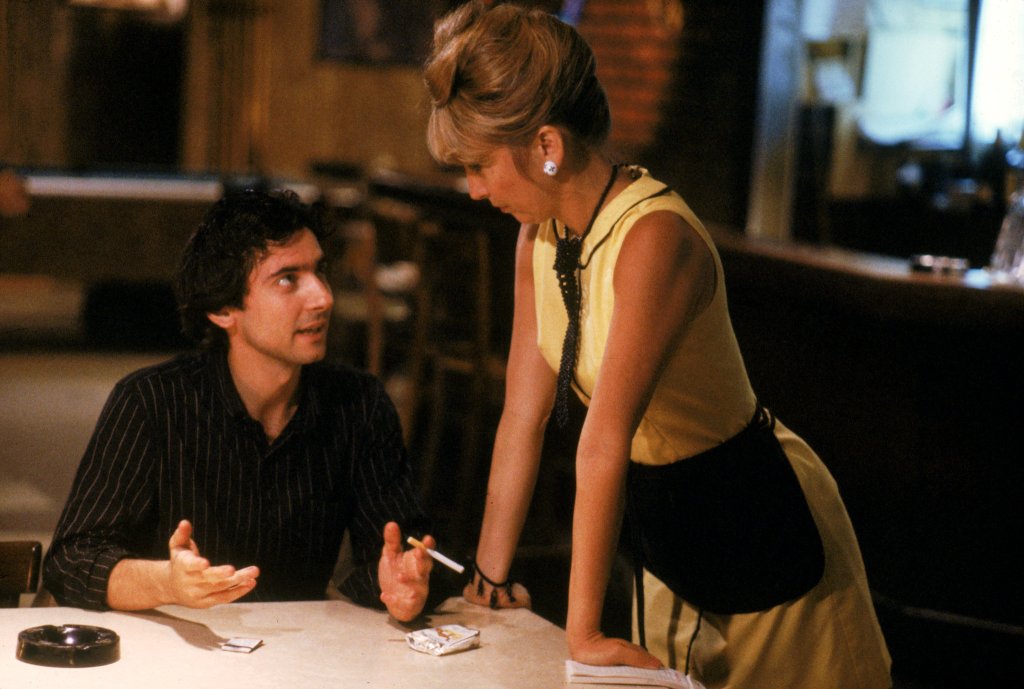
Griffin Dunne is a word processor who is about to have the worst night of his life. And it’s all because he decides to pursue a girl that he meets at a New York diner. What follows, is one of the most unpredictable films of the eighties, as we watch Dunne try to make it out of SoHo and back into his Uptown apartment before he is attacked by an angry mob. Directed by Martin Scorsese, After Hours isn’t a movie that gets much attention these days, but it remains one of his standout films of the eighties. Pinched between The King of Comedy and The Color of Money, After Hours proves that Scorsese had no limits as a filmmaker. And although it may not be one of his most recognizable films, After Hours still proves that Scorsese was at the top of his game in the mid-eighties.
4. LOST IN AMERICA
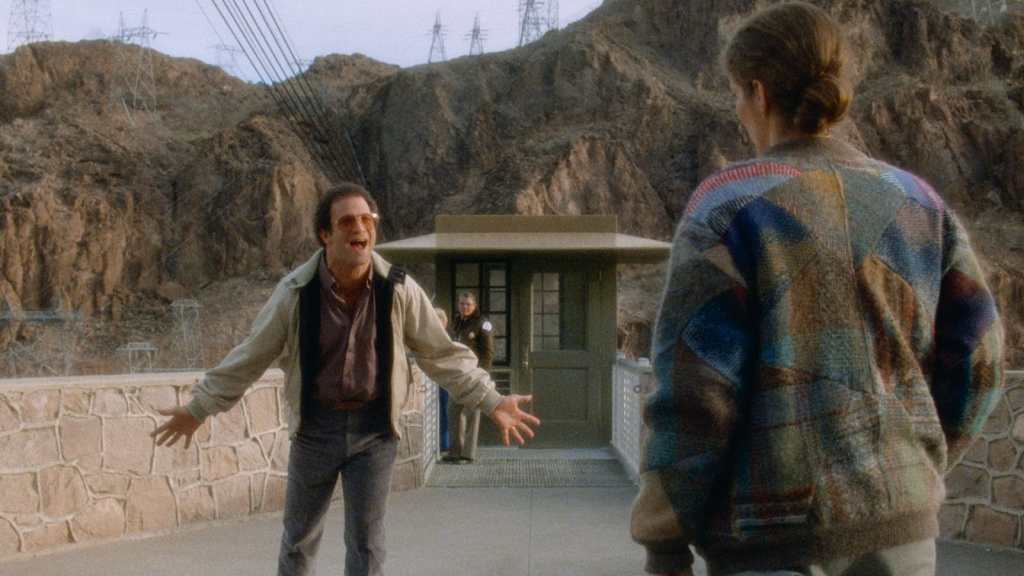
Oh, to escape the pressures and the greed of corporate America. That’s the premise of Albert Brooks’ brilliant story of a wealthy thirty-something L.A. couple who decides to give it all up for a Winnebago and complete freedom. However, they quickly find that living without an income in a money hungry America isn’t as easy as one might hope. Lost in America isn’t a film filled with belly laughs – although there are a few. Rather, its brilliance lies in the fact that it understands how challenging it is to fight against the urges to break away from the orthodox ways of greedy America. And, by doing so, Brooks has created a film that remains in your mind well after the closing credits.
3. WITNESS
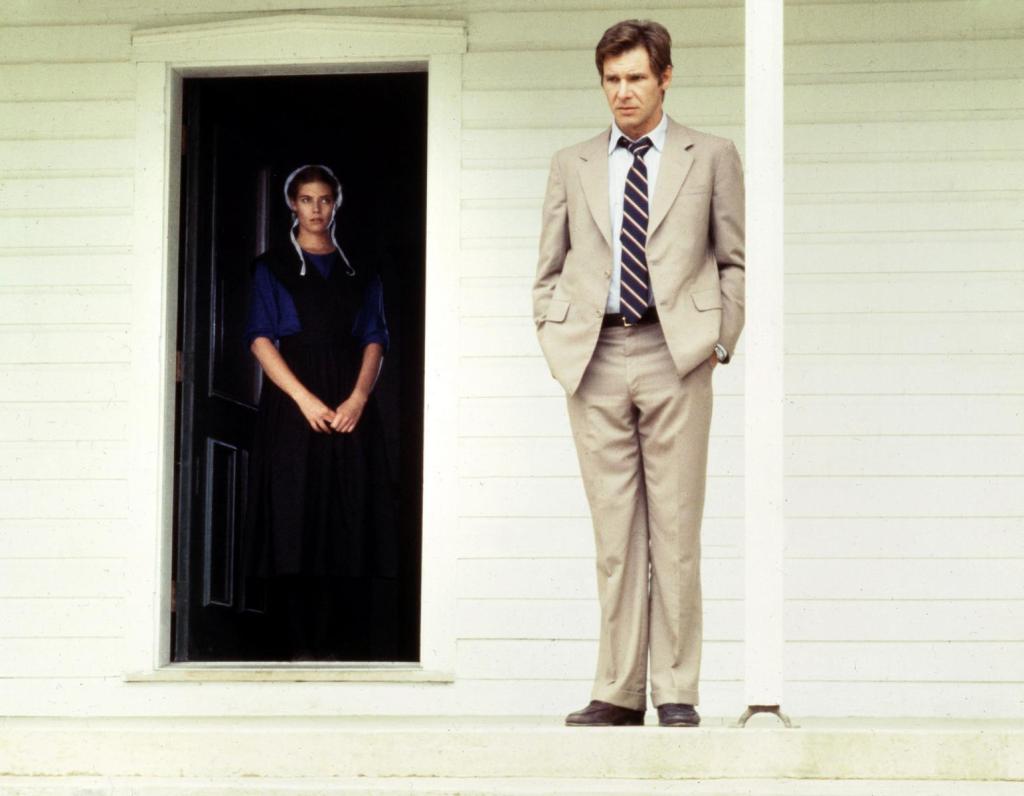
After a young Amish boy witnesses the murder of a police officer, which soon uncovers a coverup from the Philadelphia Police Department, detective John Book must hide in an Amish village to protect both himself and the boy from the corrupt police department. Peter Weir, who directs Witness, had hits with Gallipoli and The Year of Living Dangerously, but Witness is a significant upgrade from his two earlier breakout films. Casting Harrison Ford certainly helps, but it also helped prove that he had acting chops to go along with the charm and good looks that he flashed as Indiana Jones and Han Solo. Yet, Witness is really a writing achievement and it rightfully won the Oscar to prove it. You may have heard of films that have it all – “romance”, “thrills”, and “laughs,” but Witness is one of those few films that actually checks all boxes successfully.
2. BACK TO THE FUTURE
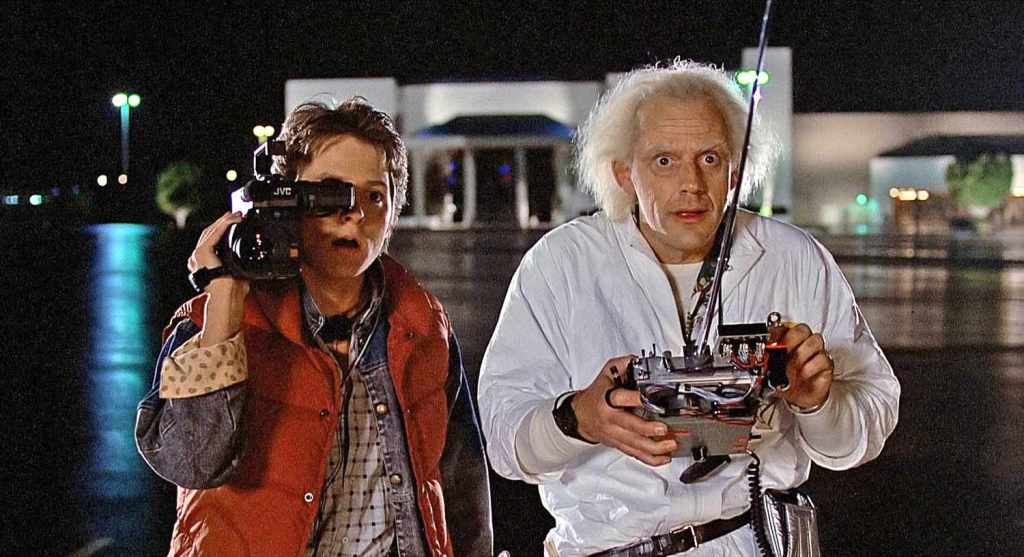
Most people go to the movies to have fun. So why are so few movies fun? At least, not at the levels that Marty McFly and Doc Brown brought to the screens in 1985. Michael J. Fox plays Marty McFly, a high school slacker who is more interested in the inventions of local scientist Doc Brown – with his most recent being a time-traveling DeLorean. Back to the Future was an instant him, and quickly became the highest grossing film of 1985, and it’s one of the best. Robert Zemeckis, who would later go on to direct Who Framed Roger Rabbit and Forrest Gump, had an enormous gift for making enjoyable films in the late eighties and early nineties. His later films haven’t brought the same joy, but there’s still hope that he’ll someday get in his DeLorean and make one last masterpiece. If not, Back to the Future, along with Forrest Gump and Roger Rabbit will have to do.
1. BRAZIL
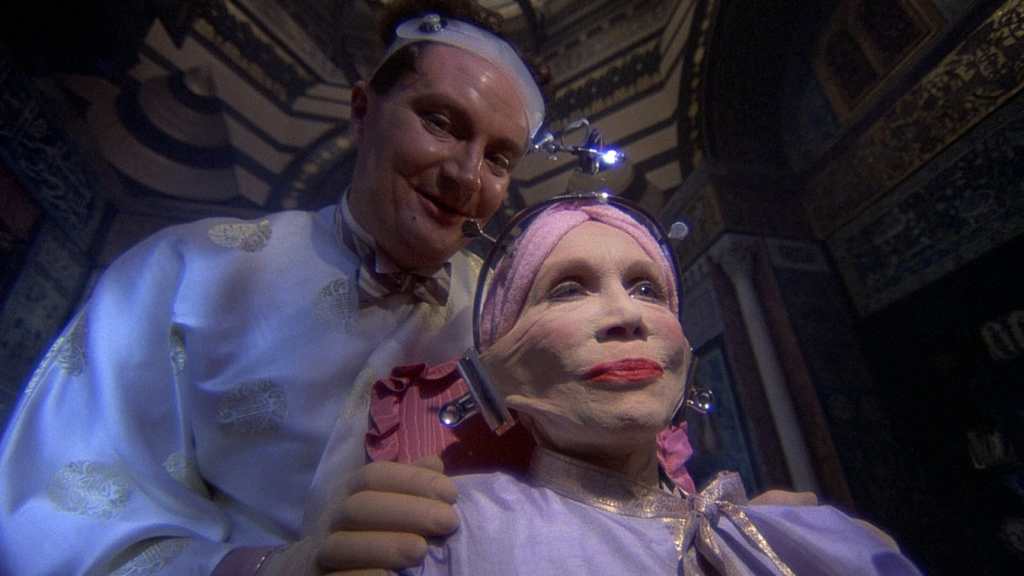
And now for something completely different. Terry Gilliam, who co-created Monty Python’s Flying Circus and wrote many of the Monty Python movies, creates the most unique and bizarre film of the year. It tells the story of Sam Lowry, a lower-level bureaucrat who discovers that the agency arrested and killed an innocent man instead of a suspected terrorist. With its multiple layers and unconventional strangeness, Brazil is a film that demands several screenings, but rewards audiences upon each additional viewing. Yet, even if you can’t understand everything in it, Gilliam’s visuals make Brazil a feast for the eyes. Perhaps that’s why it’s often considered a cult classic these days, although I’d argue that “classic” would be a more appropriate description. Brazil feels like the offspring of Blade Runner and Mulholland Drive, and deserves to receive similar praises.
 Entertainment Yearly