10. COME AND SEE
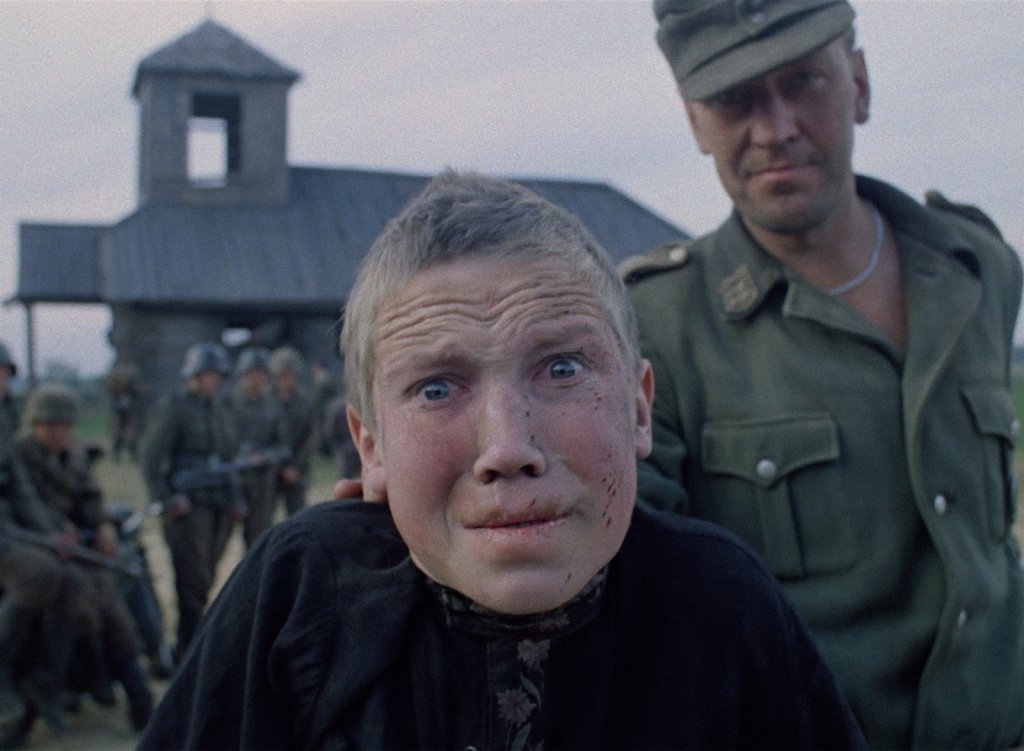
The film that ranks as the third best film of all time on Letterboxd has a sleep-inducing first half and is filled with avant-garde scenes that fill enormously out of place. Yet, its last 30 minutes feel so important to cinema that I simply cannot exclude it from my year end best list. Elem Klimov’s film was released two years earlier, but received a very limited release in New York City in 1987, yet it feels like a film that could have been made 30 years later. Its director would never made another film – perhaps because he had nothing left to prove after releasing this harrowing film of a 15-year-old boy who joins the Soviet resistance movement to fight against Hitler’s Nazi army. Yet, few directors have ever left on a higher note than the last 30 harrowing minutes that Klimov closes Come and See with.
9. RADIO DAYS
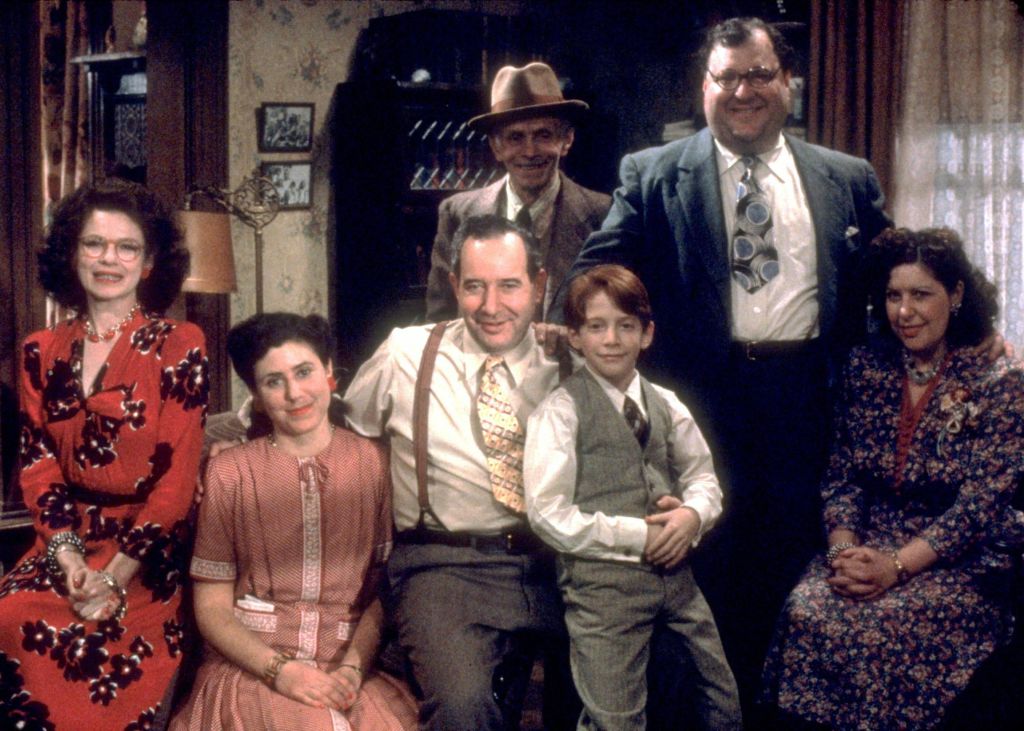
Woody Allen was the king of comedy throughout most of the seventies and eighties. When he was at his best, he’d give us Annie Hall, but when he was at his worse, we’d still get enjoyable films like Radio Days. Radio Days was Allen’s follow up to Hannah and Her Sisters, one of the most acclaimed films of his career. And although it didn’t live up to its predecessor, it is a film that is nostalgic and enduring as a love letter to radio programs – those that entertained us, those that made us laugh, and those that made us cheer. Allen clearly loves movies, but also shows similar love to the medium that started it all and – in the eighties at least – nobody could do it better.
8. FULL METAL JACKET
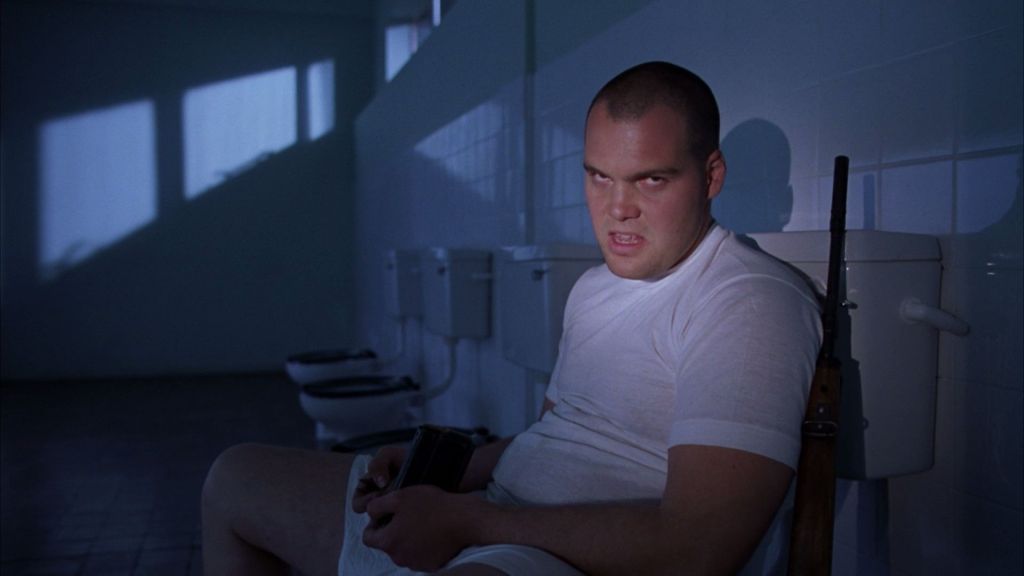
Stanley Kubrick’s Full Metal Jacket is really two movies: one that is an often-hilarious tragi-comedy about the mental state of a young soldier who is often bullied, and the other that is a boring ordinary war drama. Combined, they deserve a spot near the later half of the best of 1987 list. But for the purposes of this summary, I’m going to focus on the first half of Kubrick’s film, which is the half deserving praise. It is here where we meet Leonard Lawrence, better known by his nickname of Gomer Pyle, which was given to him by his abusive Drill Seargent. The Seargent, who is played perfectly by R. Lee Ermey, consistently verbally abuses Pyle with jokes that are both painfully accurate and laugh out loud funny. And it’s all done with unforgettable images that only Kubrick can provide. Sure, his eighties films may not lack the brilliance of his previous two decades, but they still show flashes of a master at work.
7. EMPIRE OF THE SUN
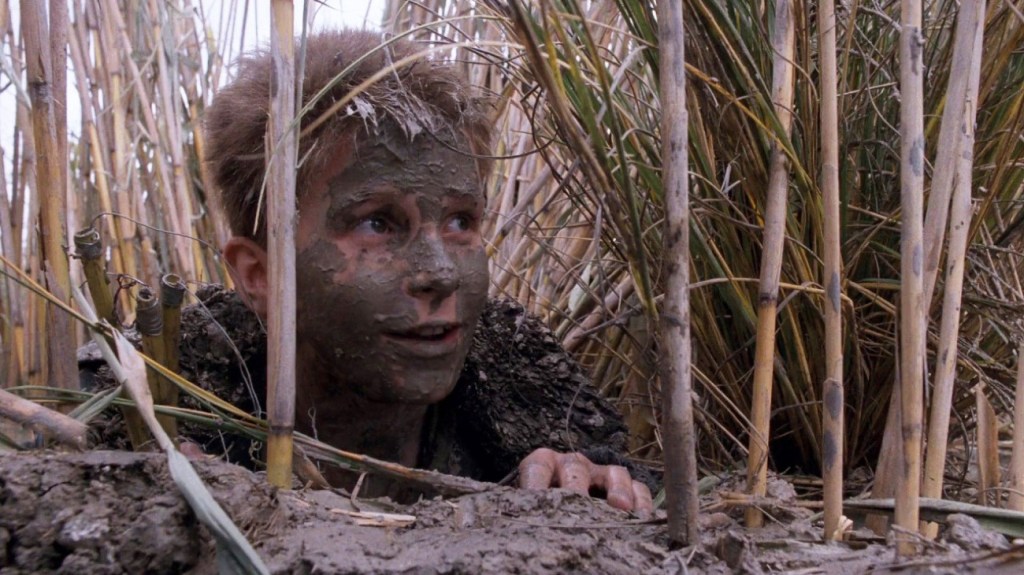
Michael Douglas, William Hurt, Marcello Mastroianni, Jack Nicholson, and Robin Williams. That’s the lineup of the Best Actor nominees at the 1988 Academy Awards, and there’s a strong argument that it’s stacked with more legends than nearly any other year, Mastroianni aside. Yet, the actor who gave the best performance of the year is nowhere to be found, even though it would bolster the lineup’s stardom even further. That actor was a 13-year-old boy by the name of Christian Bale. It’s not the first time Steven Spielberg cast a talented youngster – remember Drew Barrymore in E.T.? – but it is the best performance he’s ever gotten out of a child and arguably one of the great child performances of all time. The film itself has moments of magic too. Enough in fact that I don’t hesitate to call this Spielberg’s best film since E.T.
6. THE PRINCESS BRIDE
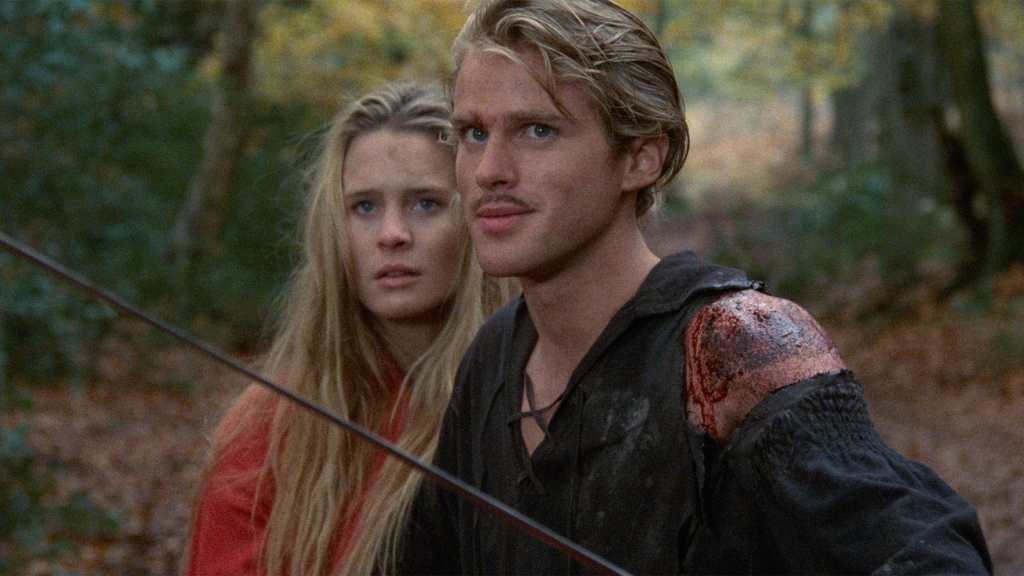
It may not be as funny as This is Spinal Tap, as sweet as When Harry Met Sally…, as nostalgic as Stand by Me, or as inspiring as A Few Good Men, but The Princess Bride may just remain Rob Reiner’s most beloved classic. Yet, it blends each of those individual qualities and stuffs it into its 98 minute runtime. The Princess Bride is a film about the love of storytelling, as a grandfather reads his favorite childhood adventure to his under-the-weather grandchild. And what an adventure it is! A six-fingered man, a duo of masterful swordsmen, a giant, a kidnapped beauty, and a Sicilian criminal who is tricked into drinking poison all come together in such a magical way that it’s nearly inconceivable.
5. FATAL ATTRACTION
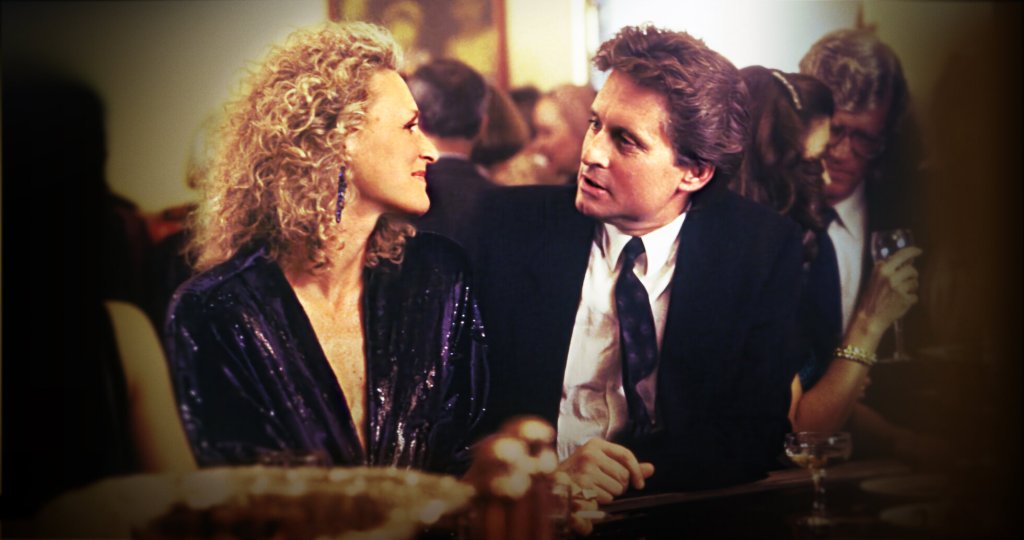
1987 was a great year for leading ladies, which is evident by looking at the 1988 Leading Lady Oscar nominees: Cher, for her “snap-outta-it” best performance, Holly Hunter in a breakout year, and Meryl Streep doing what Meryl Streep does. Yet, when they talk about how Glenn Close should have won an Oscar, what they really mean is that she should have won an Oscar for Fatal Attraction. She is absolutely chilling as Alex Forrest, a femme fatale who stalks a family after having an affair with husband. Yet, Close nearly didn’t get the role at all: When her agent called to express her interest, director Adrian Lyne said she was “the last person Earth” who should play Alex. How wrong he was. After all, it’s Close’s performance that rises Fatal Attraction above Lyne’s other films, and transforms it into the most disturbing and horrifying psychological thriller of the ‘80s.
4. MY LIFE AS A DOG

I was first introduced to Lasse Hallstrom when I was 16, shortly after The Cider House Rules was nominated for a Best Picture Oscar – a nomination I felt should have gone to Being John Malkovich. One year later, his film Chocolat received another nomination, and I was even more frustrated by the nomination. Needless to say, my relationship with Hallstrom’s later films left me dreading my viewing of My Life as a Dog. Instead, I was completely won over by the story of a 12-year-old Swedish boy who spends most of his childhood learning on his own. It’s a film that is incredibly nostalgic and deeply humane without an ounce of melodrama. In fact, it’s a film that is so good that it might just make me forgive the Academy for nominating he later films. After all, I’m too busy being bitter that My Life as a Dog didn’t receive the nomination it deserved at the 1988 ceremony.
3. JEAN DE FLORETTE

Has there ever been a film and a sequel released in the same year as good as Jean de Florette and Manon of the Spring? I highly doubt it. The first of the two films is often considered the best, and it’s certainly less dramatic. It tells the story of a rich uncle and his dimwitted nephew who decide to plug a spring to prevent a new neighbor from getting sufficient water to grow crops, in the hopes of purchasing his land for cheap. But for me, it’s not really about which film is better. I slightly prefer the unpredictable twists of Manon of the Springs, which wouldn’t have been possible without the perfect setup of Jean de Florette. What’s more important is that both films take us on an unforgettable journey of greed and vengeance that are very worthy of hogging two top ten spots in 1987.
2. MANON OF THE SPRING

Although the film was released just months after its prequel, the little girl from Jean de Florette is all grown up in Manon of the Spring and ready to seek vengeance. Manon of the Spring may be the unlikeliest revenge tale of all time, because it’s a French period piece that is disguised a love story in its early frames. But this is no tale of love. Manon, whose beauty is the lust of all the townsmen, dreams of getting back at the two men whose cruelty towards her father led to his death. When she discovers an opportunity to shut off their water supply – the same trick they played many years prior – she jumps on the opportunity. Manon of the Spring is great for many of the same reasons that make There Will Be Blood so great: it’s a story of greed, wealth, religion, and revenge with more twists than your favorite Greek tragedy.
1. BROADCAST NEWS
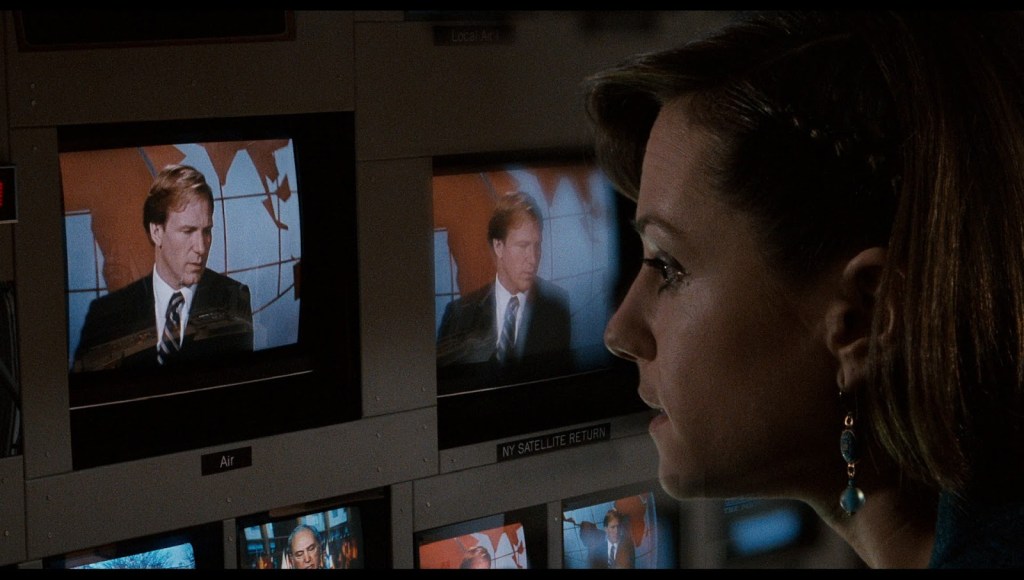
A lot has changed since the eighties. Many relationships are formed through online dating and we now get our news on the internet. Yet, relationships are still as challenging as they were forty years ago, which makes Broadcast News incredibly timeless. The film, which was James L. Brooks’s follow up to Terms of Endearment, takes us back to a time when the 10 pm news was essential viewing and the nightly anchor felt like family. Brooks first introduces us to Tom Grunick, Aaron Altman, and Jane Craig as children. Tom is dimwitted but handsome, Aaron is brilliant but awkward, and Jane is smart obsessed about perfection. Twenty some years later, he captures them with the same traits, but this time they are played to perfection by William Hurt, Albert Brooks, and Holly Hunter. Rarely through the eighties did a film have such a perfect cast. Yet, the real treat of Broadcast News is that it’s a romantic comedy that refuses to follow the cliches of the genre. Instead, Brooks tells a story about love and relationships that feels far more authentic than the usual Hollywood fairytale. He understands that relationships are challenging and often one-sided, yet manages to leave us incredibly satisfied with the resolution. Terms of Endearment was the first film I ever saw as an adult that left my teary eyed, and yet, I think Broadcast News might just be Brooks’s masterpiece.
 Entertainment Yearly