50. SCENES FROM A MARRIAGE
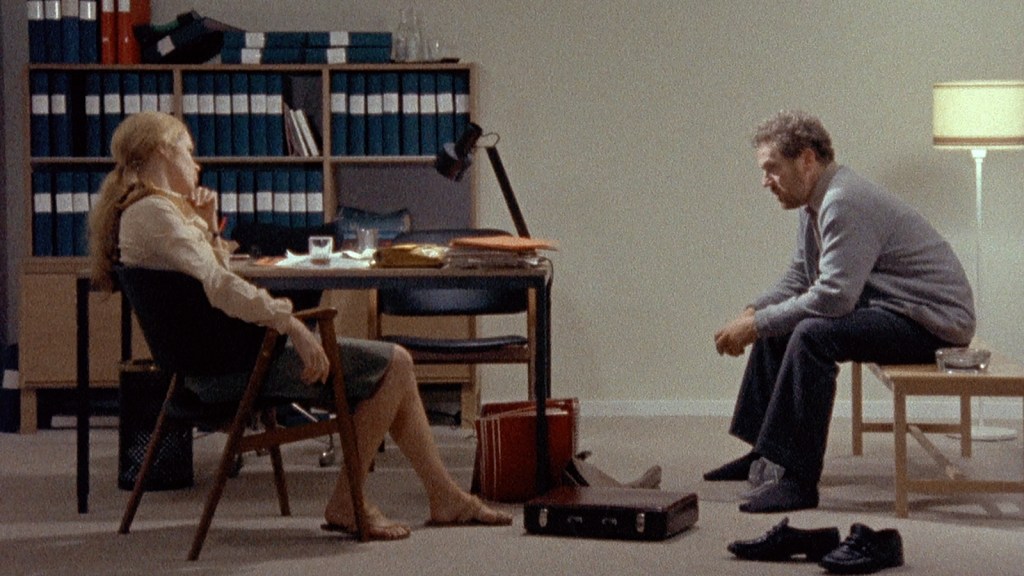
Years before there were Jesse and Céline, Ingmar Bergman gave us Johan and Marianne — a middle‑aged couple who speak with startling honesty about their marriage, their desires, and the quiet disappointments that accumulate over time. Johan, whose confidence slowly unravels, falls for a younger woman. Marianne, played with extraordinary nuance by Liv Ullmann, struggles with the revelation but gradually finds her own footing.
SCENES FROM A MARRIAGE, released just a year after Bergman’s brilliant Cries & Whispers, began life as a six‑hour television miniseries. Yet despite the quick turnaround, nothing about it feels rushed. It’s one of Bergman’s most honest, attentive, and emotionally perceptive works — qualities that, fittingly, make for a strong marriage, even if Bergman himself had five of them.
49. 10

Often dismissed as the movie that turned Bo Derek into a beach‑running sensation, Blake Edwards’s 10 is far smarter — and far funnier — than its reputation suggests. Along with Animal House, it helped pave the way for the wave of dim‑witted sex comedies that would later clog video store shelves. But while it may have inspired plenty of forgettable imitators, 10 itself is anything but mindless.
Edwards uses the premise to explore our refusal to grow old and our perpetual longing for youth, threading those ideas through a film that moves with effortless rhythm from one scene to the next. It’s sharp, observant, and surprisingly thoughtful beneath the sun‑drenched fantasy.
Since its release, we’ve endured far too many “1’s” and “2’s” trying to copy it — but as far as comedies go, Edwards’s film remains a perfect 10.
48. LOOKING FOR MR. GOODBAR
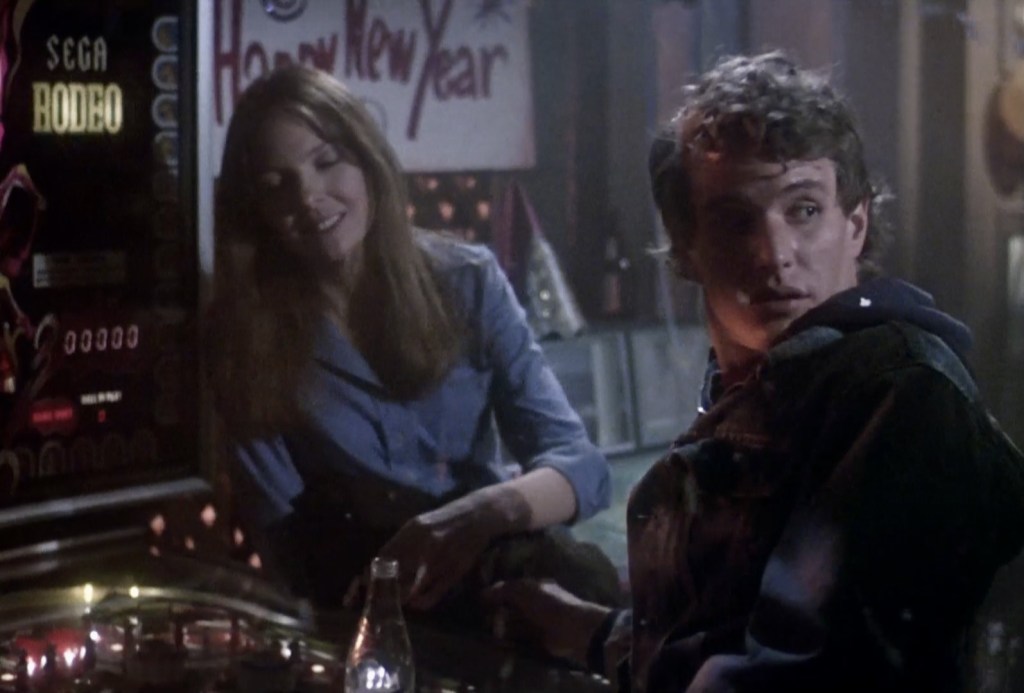
LOOKING FOR MR. GOODBAR is so steeped in the seventies that you can practically smell the cigarette smoke clinging to the wallpaper. It has everything: disco balls, Donna Summer, dimly lit bars, and a sense of sexual liberation that existed only in a brief window before the AIDS crisis reshaped the culture. But most importantly, it has Diane Keaton, who delivers one of the finest performances of her career as a compassionate teacher whose nights spiral into danger and self‑destruction. She almost surely would have won the Oscar if she hadn’t given an even better performance in Annie Hall.
Unfortunately, the era that gives the film its texture also contributes to its flaws. Its lack of awareness leads to a final act that feels insensitive and unmistakably homophobic, undercutting the complexity the film had built so carefully. Yet if you can look past those missteps, you’ll find one of the most gripping and unforgettable films of the late seventies — a work that lingers long after the smoke clears.
47. THE GOODBYE GIRL
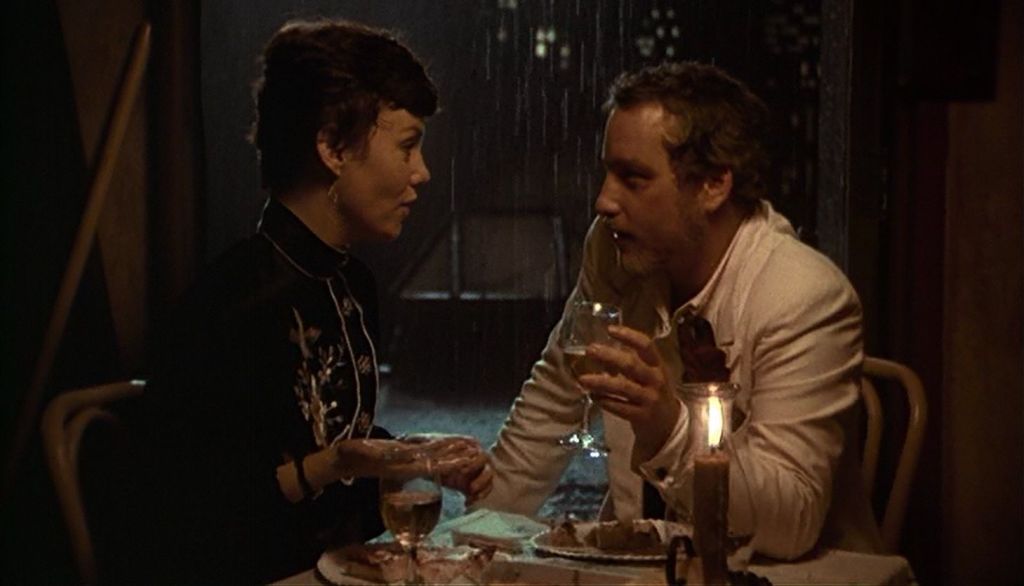
When Paula McFadden’s boyfriend runs off to Italy for a movie role — and subleases their apartment without telling her — she suddenly finds herself sharing a home with a complete stranger. That’s the setup of the Neil Simon story that became one of 1977’s most charming films. Paula, played with sharp wit and vulnerability by Marsha Mason, is a tightly wound single mother. Her unexpected roommate, portrayed by Richard Dreyfuss in an Oscar‑winning performance, is a free‑spirited actor preparing for an off‑Broadway Shakespeare production. If that dynamic sounds a bit like The Odd Couple, it’s no coincidence — Simon wrote that one too.
But THE GOODBYE GIRL may be even better. The chemistry between Mason and Dreyfuss is irresistible, the dialogue sparkles, and Simon’s blend of humor and heart feels unusually grounded. Oscar voters seemed to agree: it remains the only Neil Simon–penned script ever nominated for Best Picture. For a writer with his track record, that’s saying something.
46. WHAT’S UP DOC?
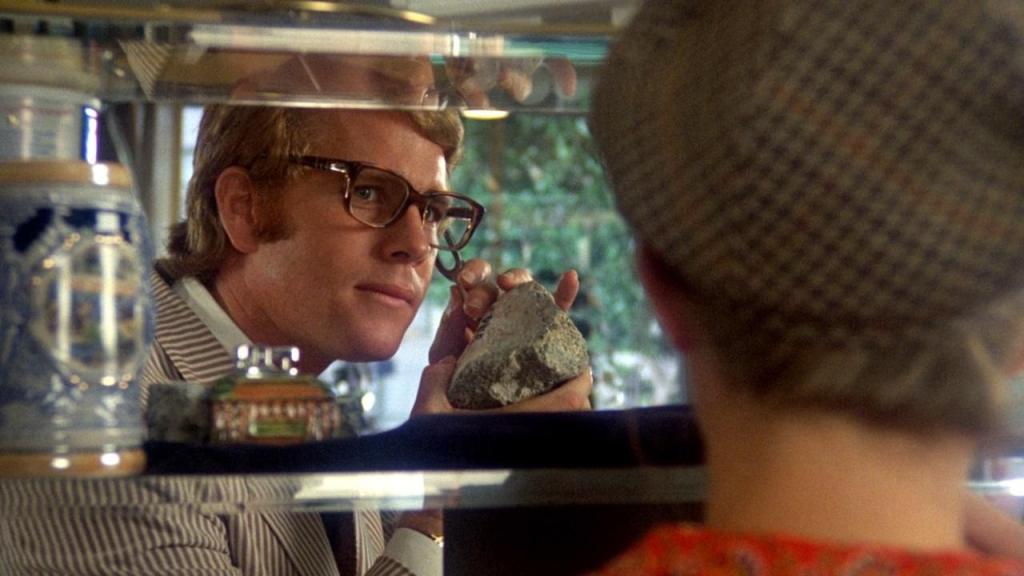
How could I not love a film that so brilliantly skewers the cheesiness of Love Story’s most famous line? But that’s hardly the only target of Peter Bogdanovich’s inspired follow‑up to The Last Picture Show. WHAT’S UP DOC? also gleefully spoofs Steve McQueen’s Bullitt chase, Cary Grant and Katharine Hepburn’s Bringing Up Baby, and even everyone’s favorite Saturday‑morning cartoon. And it parries each one with such precision and affection that the film becomes its own kind of masterclass in comic homage.
The result is one of the best comedies of the decade — no small feat in a decade packed with strong contenders. Bogdanovich’s timing is impeccable, the performances are pitch‑perfect, and the film’s screwball energy never lets up. WHAT’S UP DOC? isn’t just a clever parody; it’s a reminder of how exhilarating a great comedy can be.
45. HAROLD AND MAUDE
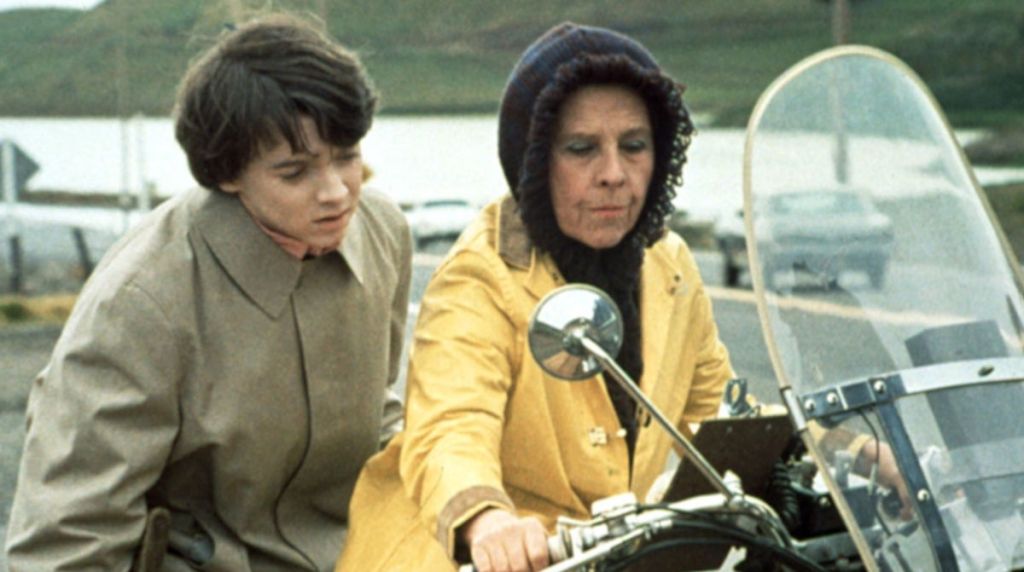
Originally dismissed by critics as both distasteful and unfunny, Hal Ashby’s HAROLD AND MAUDE has since become one of the great cult classics — and deservedly so. Powered by a blend of dark, off‑kilter humor and a lovely Cat Stevens soundtrack, the film follows a young man obsessed with death who finds an unexpected, life‑affirming friendship with an older woman who embraces the world with open arms. Ashby occasionally pushes the boundaries a bit too far in search of a laugh, but the film ultimately works because of its sweetness rather than its shock value.
At the center of that sweetness is Ruth Gordon, whose wonderfully warm, mischievous performance lifts the film out of its gloom and gives it its soul. She’s the reason HAROLD AND MAUDE lingers — and why it’s a film worth returning to again and again.
44. STAR WARS
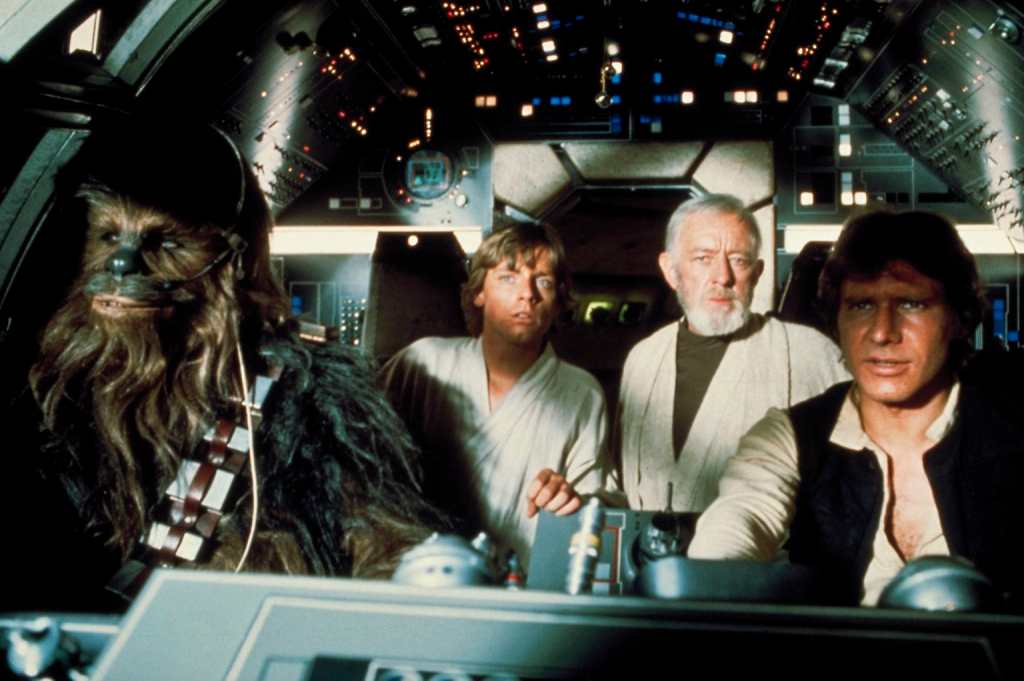
Unlike many modern STAR WARS fans, I didn’t grow up wearing out the VHS tapes until the picture turned fuzzy. I didn’t even see the original trilogy until high school, which may explain why I don’t share the near‑religious devotion common among men of a certain age. These are, at heart, movies made for kids — though they’re crafted with enough imagination and momentum that adults can enjoy the ride too.
Still, the 1977 original offers plenty for grown‑ups to admire. The special effects, astonishing for their time, remain impressive in their tactile ingenuity. Add in a streak of playful humor and a sense of wide‑eyed innocence, and it’s easy to see why the film became a cultural phenomenon. Even I, a latecomer to the galaxy far, far away, can’t help but be pulled in by George Lucas’s classic space opera. Perhaps that’s the power of the Force?
43. JOE
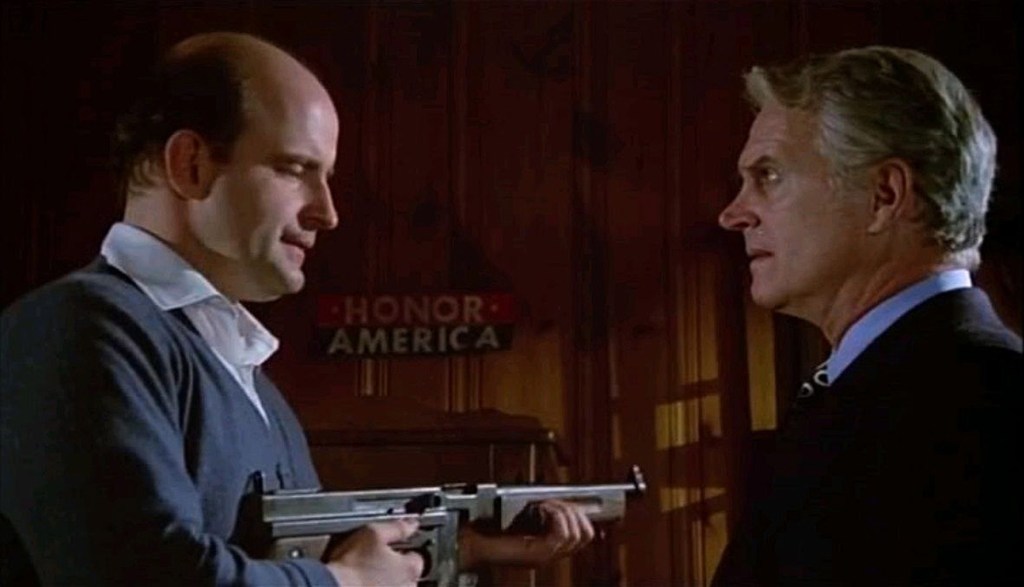
Released nearly fifty years before Donald Trump entered the White House, JOE feels eerily prescient in its portrait of a furious, bigoted factory worker who spends his nights railing at the world from a barstool. Even his slogan — “Keep America Beautiful” — lands today with an uncomfortable echo. At the time, the film’s violent, merciless final act left some audiences cheering, a reaction that disturbed star Peter Boyle so deeply he refused to take violent roles afterward.
Half a century later, the film’s sting hasn’t dulled. Its depiction of a man whose rage is mistaken for righteousness still resonates, and not always in the way the filmmakers intended. Yet JOE remains a sharply made, well‑acted drama whose intentions are far more thoughtful than the reactions it once provoked. It may bring out the worst in some viewers, but only in those unwilling to see the critique staring them in the face.
42. THE LONG GOODBYE
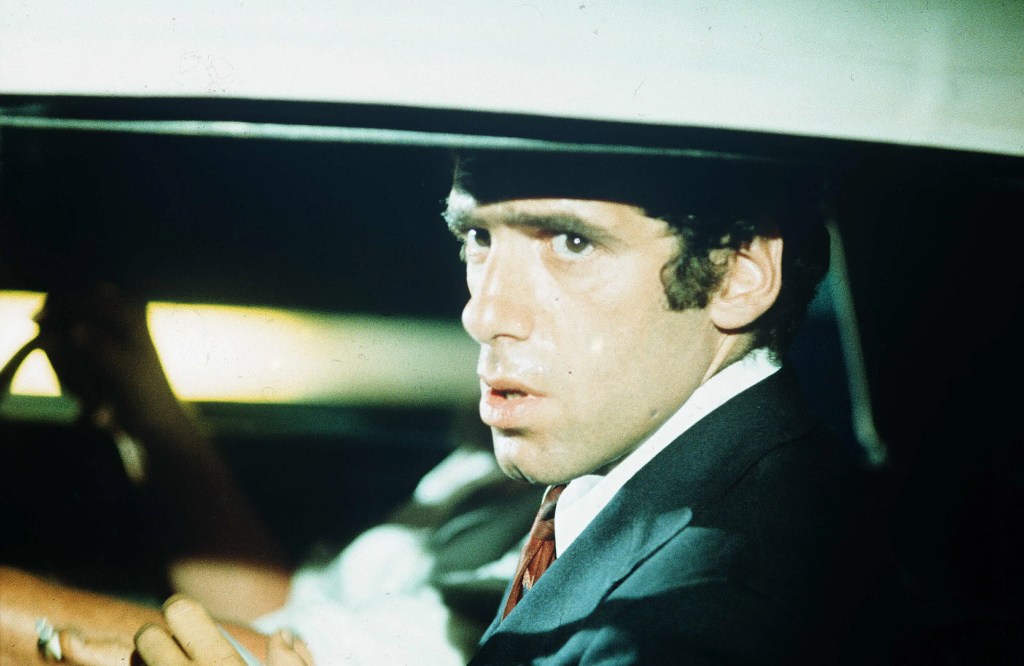
Movies from 1973 usually feel like they were made in 1973, but Robert Altman’s smoky neo‑noir THE LONG GOODBYE is a striking exception. With its ahead‑of‑its‑time cinematography and sly, almost invisible editing, the film feels closer to Altman’s 1990s work than something released two decades earlier. Perhaps that’s why many critics didn’t warm to it at first — though its deflating final act certainly didn’t help its early reputation.
Still, for most of its running time, THE LONG GOODBYE ranks among Altman’s finest achievements. Elliott Gould gives one of his best performances as a shambling, deadpan Philip Marlowe, and Altman’s loose, offbeat storytelling turns Chandler’s mystery into something both atmospheric and unexpectedly funny. Even if the ending falters, the first hundred minutes are so stylish, so confident, and so distinctively Altman that the film earns its place among the standout releases of 1973.
It may not reach the heights of The Big Sleep, the Chandler adaptation most people consider definitive, but THE LONG GOODBYE holds its own — and then some.
41. ALI: FEAR EATS THE SOUL
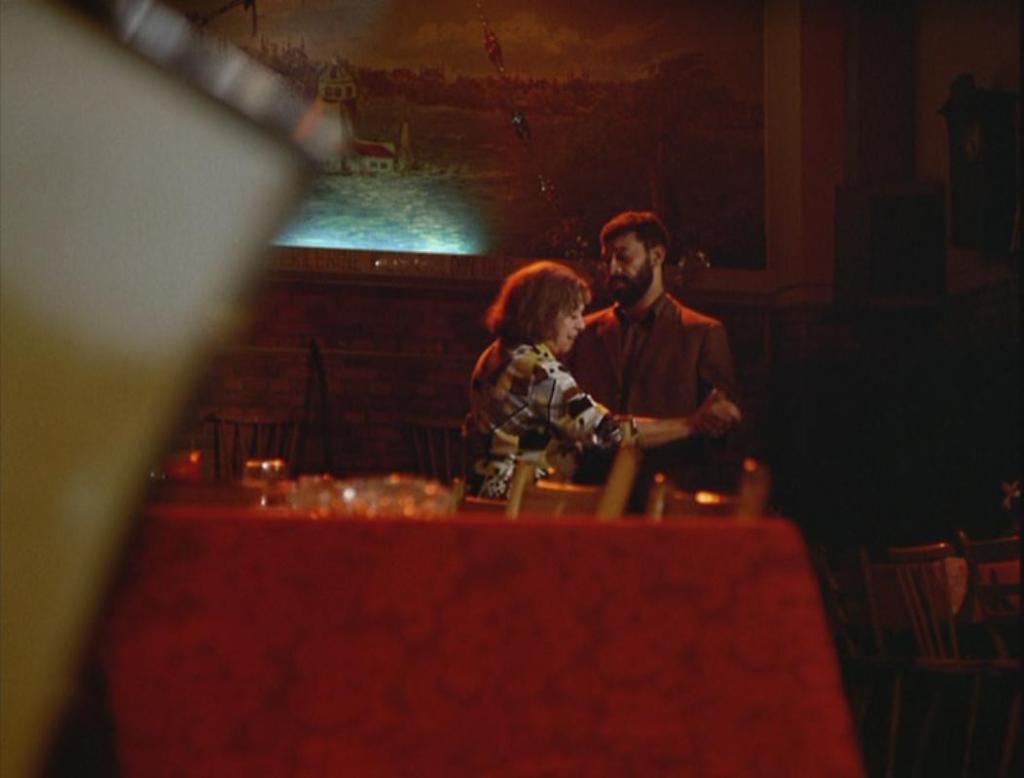
Shot in just fourteen days, ALI: FEAR EATS THE SOUL was never intended to be a major work for Rainer Werner Fassbinder — yet it may well be his crowning achievement. The film follows a lonely German widow who meets a much younger Moroccan laborer in a bar. Encouraged to dance with her as a small act of kindness, he soon becomes her companion, then her husband, and together they face the prejudices of friends, neighbors, and even family.
The interracial relationship alone made ALI: FEAR EATS THE SOUL one of the most daring films of the seventies, but what makes it remarkable is Fassbinder’s refusal to define the couple’s bond in simple terms. He never tells us whether they’re in love or simply grateful for what the relationship provides. For her, it eases years of isolation; for him, it offers stability, dignity, and a measure of social acceptance. Perhaps it’s both — or perhaps Fassbinder is suggesting that love often grows out of exactly these complicated, imperfect needs.
Either way, the result is one of his most humane and quietly devastating films, a work whose emotional clarity far exceeds the modest scale of its production.
40. SHAMPOO
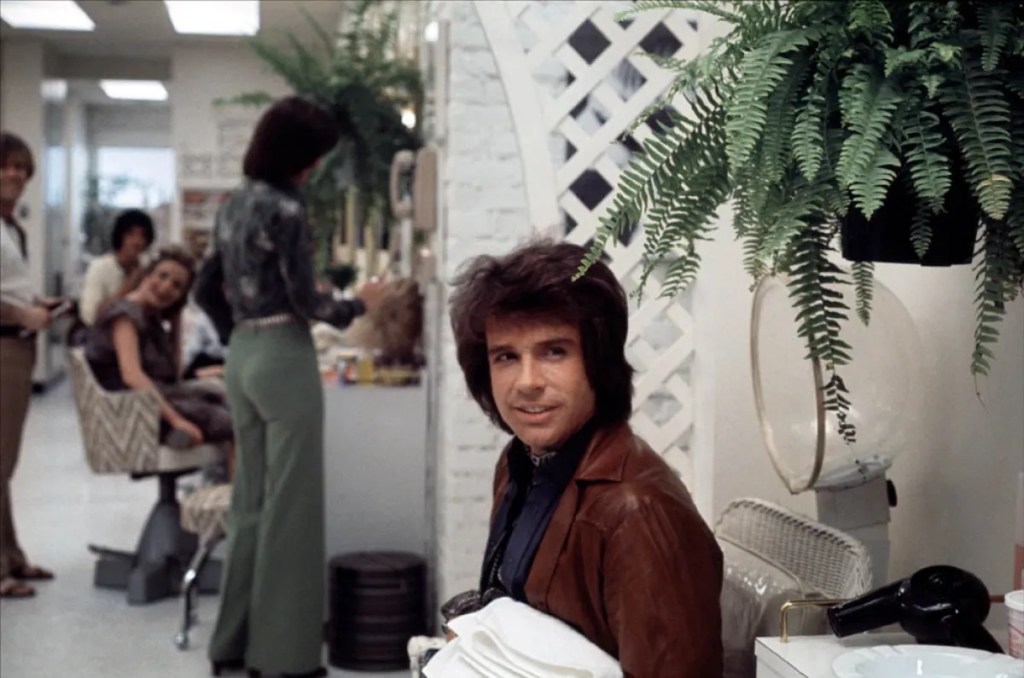
The writing for SHAMPOO began years before its release, and it might have been an even bigger hit had it arrived alongside the countercultural landmarks of the late ’60s. But it turned out to be a perfect film for 1975 as well. Released just a year after Nixon’s resignation, SHAMPOO captures a youth culture that lived freely, talked liberally, and yet showed little interest in the political process shaping their future. At its core, the film suggests that Nixon’s victory owed as much to apathy as to ideology.
The story centers on George, a Beverly Hills hairdresser adored by women and eyed suspiciously by men. He’s not especially likable — a selfish, entitled womanizer who assumes the world should bend to his whims. And yet Hal Ashby’s film, one of his finest, draws us close enough to George that we almost want him to get what he wants, even as he stumbles through the consequences of his own choices.
Like Nixon in ’68, SHAMPOO is a winner with flaws — some forgivable, some revealing — but its sharpness, humor, and cultural insight make it one of the defining films of its moment.
39. MY NIGHT AT MAUD’S
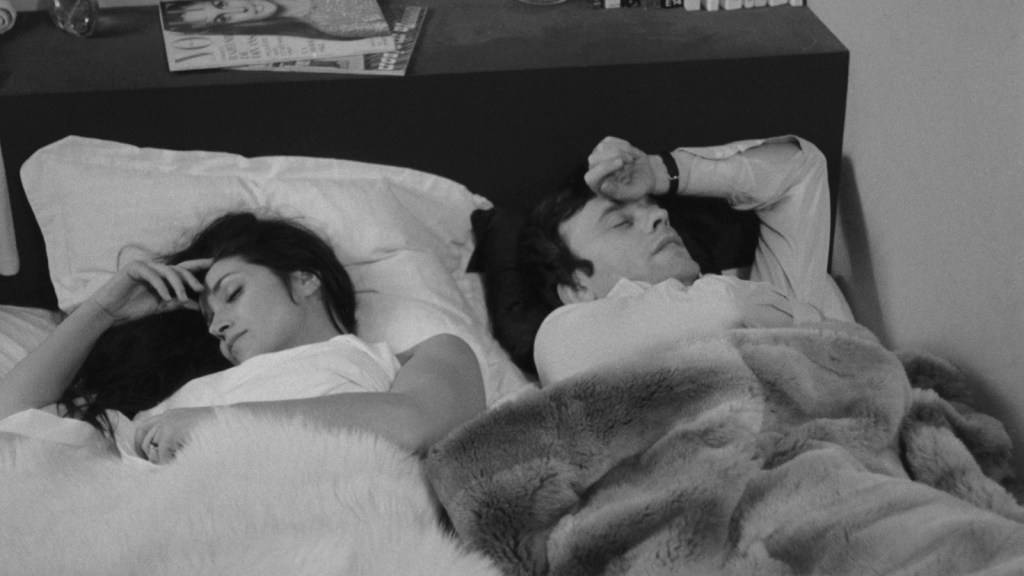
The breakout hit for Éric Rohmer — a former Cahiers du Cinéma critic turned master filmmaker — follows a devout Catholic whose beliefs and moral certainties are quietly tested when he spends an evening with a captivating woman. Over the course of their long conversation, they move through topics ranging from relationships to religion to the writings of Blaise Pascal. MY NIGHT AT MAUD’S is a smart, dialogue‑driven film that invites viewers to examine their own perspectives as its characters examine theirs.
It’s hard to imagine films like My Dinner with Andre or Before Sunrise existing without its influence, but Rohmer’s film is more than a precursor — it’s a beautifully crafted work in its own right. Above all, MY NIGHT AT MAUD’S introduces us to characters so thoughtful and engaging that they hold our attention long past the film’s 110‑minute running time. It’s talky, yes, but in the most absorbing, human way.
38. THE EXORCIST
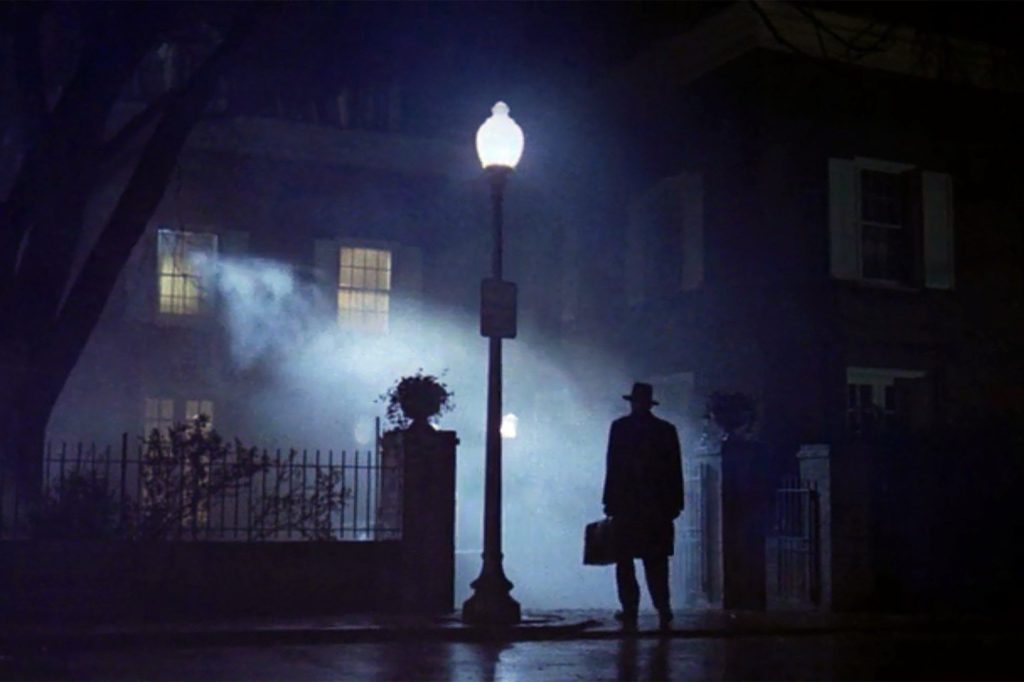
It’s almost surprising that THE EXORCIST became such a massive box‑office hit, especially given how deeply uncomfortable the viewing experience is. William Friedkin’s follow‑up to The French Connection wasn’t expected to be a phenomenon; it opened in only a handful of theaters before sellouts forced a rapid expansion. But once it caught fire, it became a cultural landmark — and is still widely cited as one of the greatest horror films ever made.
For me, it’s more disturbing than traditionally scary, but there’s no denying the boldness and craftsmanship of the first film in what would become a worn‑out trilogy. Powered by remarkable performances from Ellen Burstyn and Linda Blair, and anchored by a daring, uncompromising story, THE EXORCIST created the blueprint for modern horror. Decades later, in a genre that churns out countless entries every year, it remains one of the most shocking and unforgettable films of its kind.
37. TAXI DRIVER
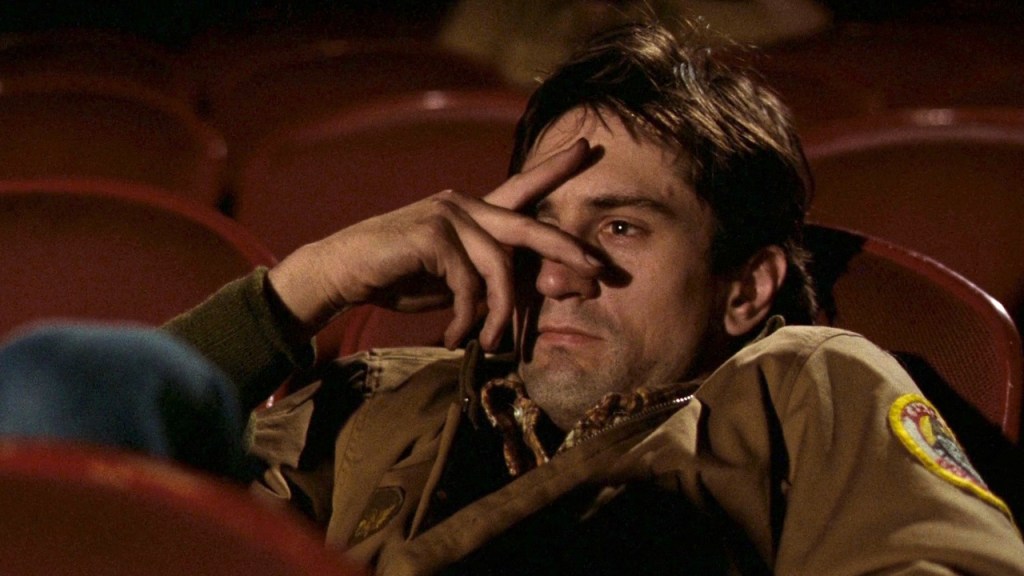
For many people, TAXI DRIVER is one of the greatest films ever made. For me, it’s something different: a haunting experience I don’t exactly enjoy watching, yet one that lingers in my mind for days afterward. That’s the power of Robert De Niro’s performance—he convinces us, with unnerving precision, that Travis Bickle could be a real psychopath hiding in plain sight as a New York City cabbie.
Today, it’s easy to appreciate everything TAXI DRIVER accomplished. It was the film that truly cemented Martin Scorsese’s reputation, even after Mean Streets and Alice Doesn’t Live Here Anymore had already turned heads. It also transformed De Niro into one of Hollywood’s premier leading men, a status he would reinforce a few years later with Raging Bull.
By modern standards, it’s no surprise that TAXI DRIVER is often hailed as the greatest film of 1976. But looking back to the moment of its release, it feels more like a daring, unsettling work that was rightly nominated for Best Picture—even if it wasn’t destined to take home the top prize. Some films are too unsettling, too raw, and too unforgettable to win. TAXI DRIVER is one of them.
36. THE DEER HUNTER

Of the two major anti‑Vietnam films released in 1978, THE DEER HUNTER was the one that captured the spotlight — winning Best Picture and earning a place in the cultural memory that has lasted for decades. It’s easy to see why: the Russian Roulette sequences are so tense they’re almost impossible to watch without looking away, and even harder to forget afterward. Yet for all its acclaim, the film has long had detractors who view it as racist or unnecessarily long.
I don’t fully agree with either criticism. The Russian Roulette scenes function more as a metaphor for the chaos and moral danger of the war than as a statement about any particular group, and while the film’s three‑hour‑plus running time is undeniably demanding, it rarely feels slow or indulgent. Michael Cimino’s film rewards the viewer willing to invest in it — much like the sport of deer hunting itself. It’s a commitment, but one that pays off with a haunting, ambitious, and deeply affecting portrait of a country and a generation pushed to their limits.
35. DON’T LOOK NOW
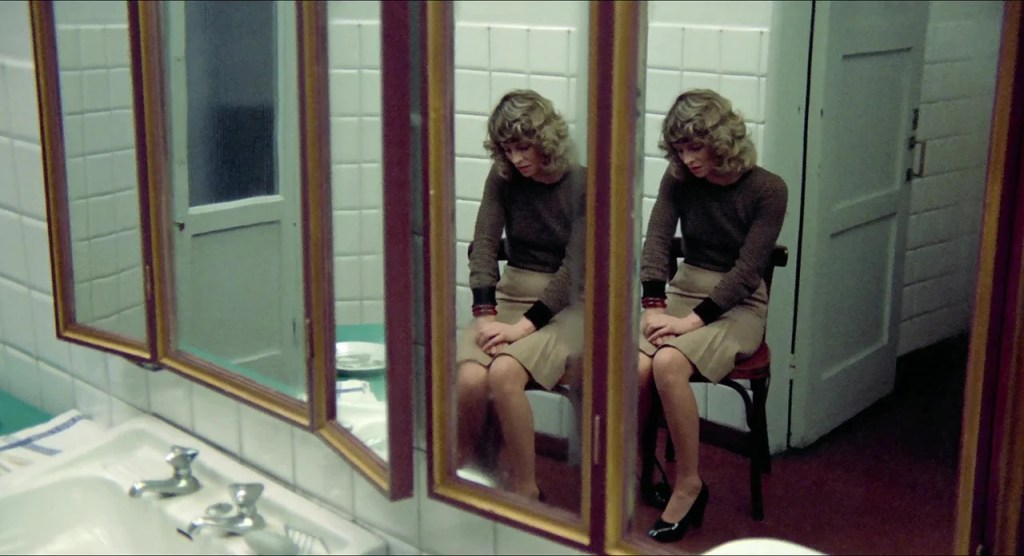
Warren Beatty once described Julie Christie as “the most beautiful and at the same time the most nervous person I had ever known.” That nervous energy may be exactly what makes her performance in DON’T LOOK NOW so unforgettable. For much of its running time, Nicolas Roeg’s film is as good as anything released in 1973. Christie plays a grieving mother who, after the drowning death of her daughter, travels to Venice with her husband — played with equal intensity by Donald Sutherland — where they encounter two elderly sisters, one of whom claims psychic abilities.
DON’T LOOK NOW is a dark, atmospheric psychological horror film, but it’s also shot with extraordinary beauty. Roeg’s fractured editing, eerie compositions, and sense of emotional dislocation create a world that feels both dreamlike and deeply unsettling. For me, its bizarre, unforgettable ending keeps it just shy of the year’s absolute masterpieces like American Graffiti and Paper Moon, but it still stands above nearly everything else released that year.
For its performances, its mood, and its daring, DON’T LOOK NOW remains one of the defining films of 1973 — even if its final moments continue to divide viewers.
34. AUTUMN SONATA
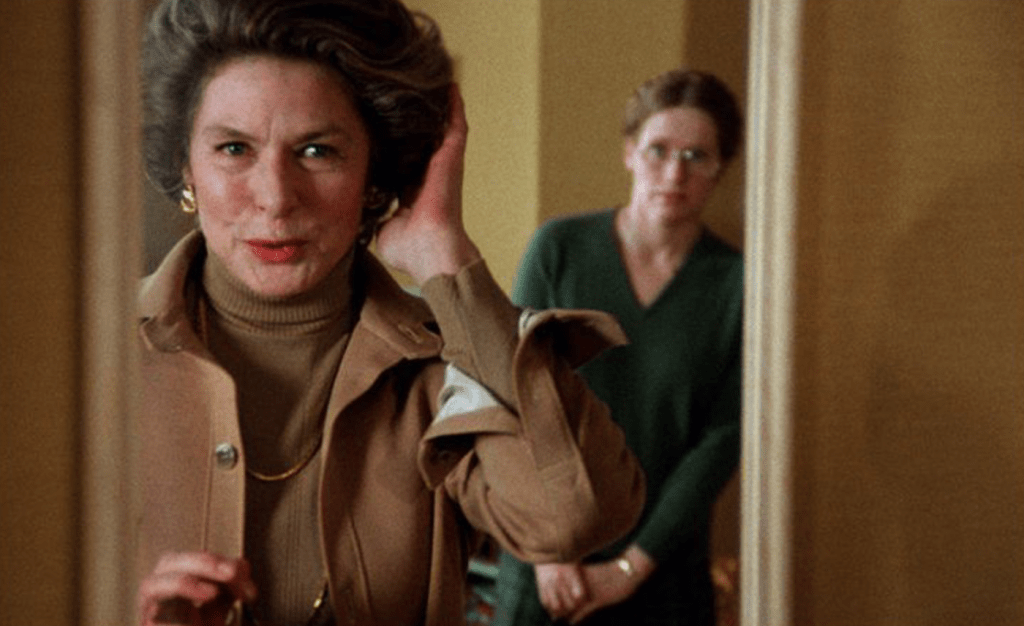
AUTUMN SONATA’s story of regret and abandonment reportedly struck a personal chord with Ingrid Bergman, who had famously left her family in the late 1940s to be with Roberto Rossellini. But even viewers without that biographical context can feel the ache in Ingmar Bergman’s intimate drama about a celebrated pianist who sacrificed her family for her career and affairs. The film’s emotional power rests largely on Ingrid Bergman’s performance — one of the finest of her career — filmed just after she received a cancer diagnosis. She plays the self‑absorbed artist with a rawness that makes every confession sting.
Matching her, scene for scene, is Liv Ullmann, whose work here remains astonishingly under‑recognized. Ullmann gives the film its wounded heart, grounding the story in the quiet devastation of a daughter who has spent a lifetime waiting to be seen. Together, the two Bergmans create one of Ingmar’s most piercing explorations of guilt, longing, and the fragile hope for reconciliation.
33. THE EMIGRANTS
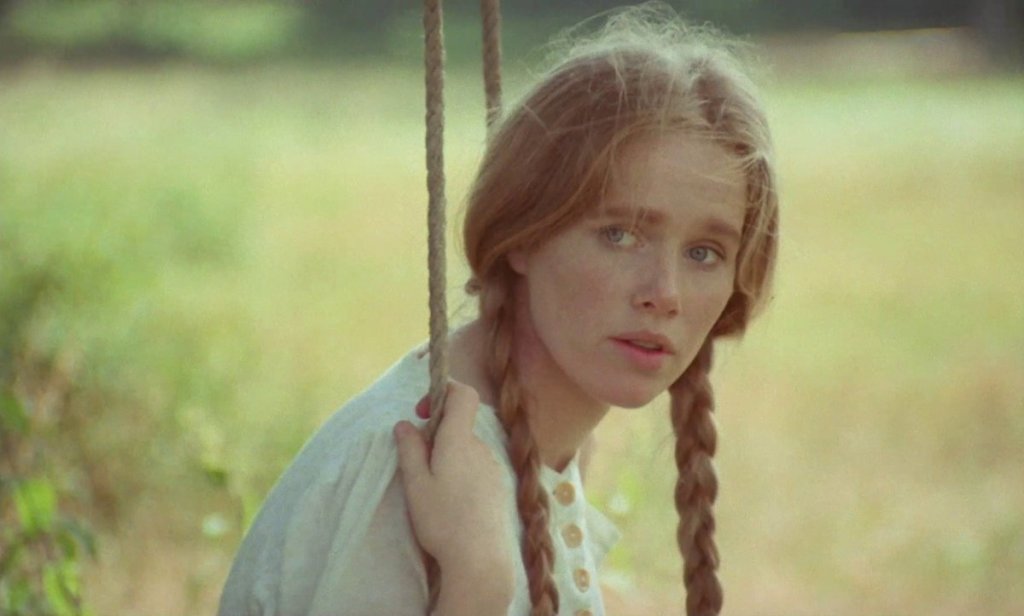
How quickly we forget the hardships our ancestors endured to build a better future. Jan Troell’s THE EMIGRANTS serves as a powerful reminder, offering a sincere, deeply human portrait of a Swedish family who leaves their farm in search of opportunity across the Atlantic. Liv Ullmann — arguably the finest actress of the 1970s — earned the first of her two Oscar nominations for her portrayal of a devoted yet hesitant wife and mother, grounding the film with quiet strength and emotional clarity.
Equally impressive is Max von Sydow, whose performance as a kind but uncompromising husband matches Ullmann’s brilliance. It’s almost embarrassing that the Academy waited until 1989 to honor him, given the depth and dignity he brings to this role. Together, the two create a portrait of perseverance that feels both intimate and epic.
THE EMIGRANTS is not only a heartfelt thank‑you to those who paved the way, but also a film that helped pave the way for foreign cinema to reach wider audiences. It’s a tribute to resilience — and a reminder of the sacrifices behind every journey toward hope.
32. THE CONFORMIST
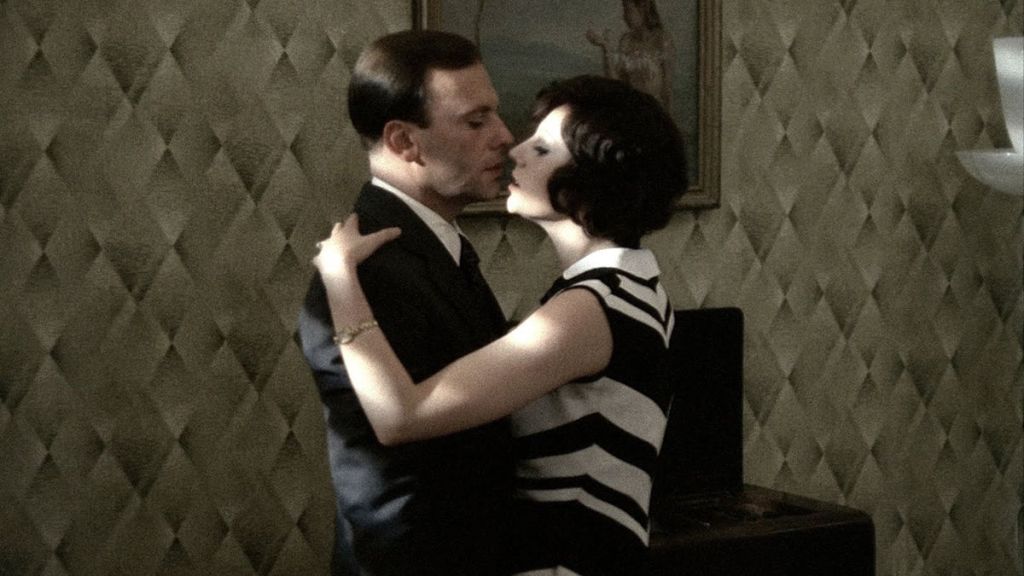
Bernardo Bertolucci famously pitched the idea of adapting Alberto Moravia’s 1951 novel to Paramount without ever having read it — a surprising detail, given how fully realized and meticulously crafted THE CONFORMIST feels. Once the studio approved the project, Bertolucci began reading the novel with one hand and writing the screenplay with the other, an oddly fitting approach for a story about a man so eager to belong that he abandons his own moral compass.
The film follows a weak‑willed Italian who joins the fascist movement and agrees to assassinate a former professor to prove his loyalty. What could have been a straightforward political thriller becomes, in Bertolucci’s hands, a hypnotic and unpredictable character study. Shot with extraordinary beauty and precision — thanks in large part to Vittorio Storaro’s legendary cinematography — THE CONFORMIST helped shape the look and feel of an entire decade of filmmaking.
Thrilling, unsettling, and visually groundbreaking, it remains one of the defining works of 1970s cinema.
31. ALL THAT JAZZ
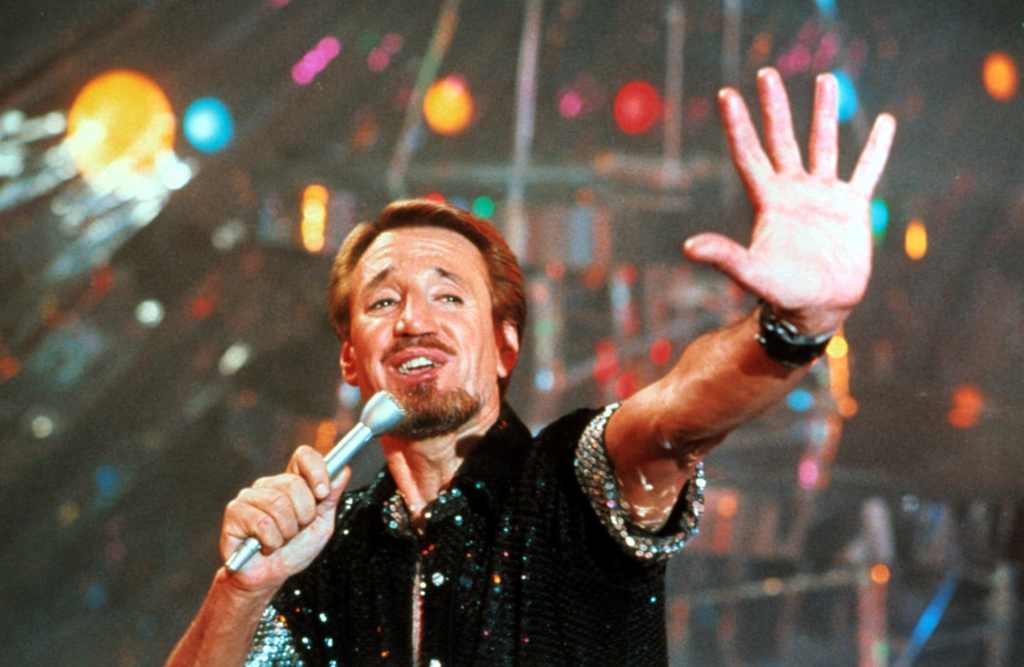
“This is just a rough cut,” Joe Gideon says in ALL THAT JAZZ. “It’s not really finished. I need more time.” Few lines could better capture Bob Fosse’s own state of mind while making his semi‑autobiographical masterpiece — a film that became both confession and catharsis as his health deteriorated. Fosse had won an Oscar for Cabaret seven years earlier, but ALL THAT JAZZ stands as his most personal, most ambitious, and most visually daring achievement.
The film plays like a fever dream of show business, creativity, ego, and self‑destruction, all filtered through Fosse’s unmistakable style. It feels like a man taking stock of his life in real time, staging his regrets and triumphs with equal bravado. Though he would direct one more film before his death in 1987, ALL THAT JAZZ still feels like his glorious, heartbreaking farewell — a final bow from an artist who knew the spotlight better than anyone, and understood the cost of chasing it.
30. NATIONAL LAMPOON’S ANIMAL HOUSE

With its jokes endlessly imitated and overquoted, it’s easy to take ANIMAL HOUSE for granted today. But in 1978, it hit its target audience with louder laughter than almost any comedy before or since. Powered by the chaotic brilliance of John Belushi, the film became the template for the “frat house vs. the dean” comedy — with the crucial distinction that this one is actually funny, and as much fun as any toga party in history.
Sure, some gags fall flat and others have worn thin with time, but judged on a comedy curve, ANIMAL HOUSE still earns straight A’s. Its energy, its anarchy, and its sheer commitment to the bit make it a landmark of American humor — and a reminder of just how hard it is to make a comedy this loose feel this effortless.
29. FIVE EASY PIECES

Early in the film, we catch only the slightest glimpse of Robert Eroica Dupea’s raw talent as he hops onto the back of a moving truck hauling a piano. It isn’t until much later that we understand the truth: he possesses a rare musical gift, but an even stronger instinct to run from it. Those slow, deliberate revelations are what make FIVE EASY PIECES such a quiet, observant, and quietly devastating film — one that understands how often our talents and our passions refuse to align.
Nicholson’s Dupea isn’t the only revelation. Bob Rafelson, who would go on to direct only a handful of films, never again displayed the same clarity, restraint, and emotional precision he shows here. FIVE EASY PIECES remains the moment when his talent burned brightest.
There’s no denying the achievement. Rafelson created the finest fictional film of 1970 — a character study so rich and so humane that its power hasn’t dimmed in the decades since.
28. DELIVERANCE

Although it’s often remembered primarily for its dueling‑banjos scene, John Boorman’s DELIVERANCE deserves to be experienced in full, not reduced to a two‑minute clip. It remains one of the most gripping adventure films ever made, arriving at a time when the genre was overcrowded and often tacky. The story follows four men who set out to canoe the Cahulawassee River before it is dammed. Their self‑appointed leader, Lewis Medlock, has the skills to navigate the rapids — the others decidedly do not. But even Lewis is unprepared for the hostility they encounter from the locals who inhabit the surrounding wilderness.
DELIVERANCE is an enthralling adaptation of James Dickey’s 1970 novel, a film that blends physical danger with psychological dread in a way few adventure stories attempt. Its craftsmanship, tension, and thematic depth make it a work still worthy of study in film classes and by cinephiles today. It’s far more than its most famous scene — it’s a landmark of American cinema.
27. WOODSTOCK
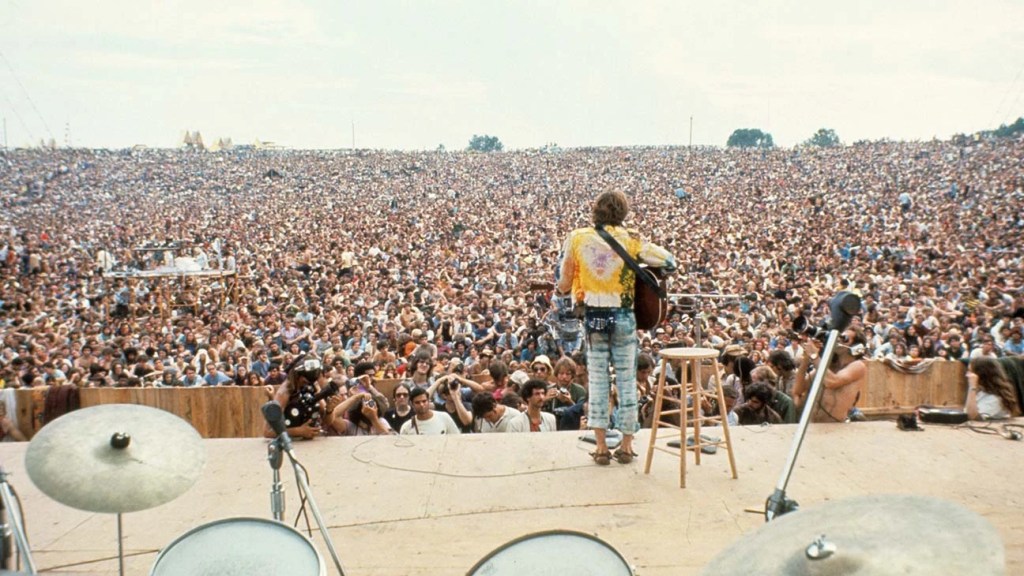
1970 didn’t boast the strongest dramas, comedies, sci‑fi, or action films — but it did deliver one of the greatest documentaries ever made: Michael Wadleigh’s WOODSTOCK. The 1969 festival remains a landmark in music history, and across its engaging 184 minutes, Wadleigh captures both its glory and its chaos: Jimi Hendrix’s electrifying performance, the logistical failures that left two attendees dead, and the dehydration and bad trips that plagued many more. Few documentaries have ever chronicled a pivotal cultural moment with such detail, ambition, and completeness.
But WOODSTOCK’s importance extends far beyond what it records. It became the fifth‑highest‑grossing film of 1970 — an astonishing feat for a documentary — and helped broaden the popularity of many of the musicians it showcased. It also preserved performances from an era before smartphones, when concerts were rarely filmed, and it even introduced audiences to a young Martin Scorsese, who worked on the editing team.
Most significantly, WOODSTOCK proved that documentaries could be both artistically vital and commercially successful. Without its impact, the surge of landmark nonfiction films that followed — from Harlan County, USA to The Last Waltz to Shoah — might never have found the same support or audience. The festival left an indelible mark on culture, but so did the film that captured it.
26. COMING HOME
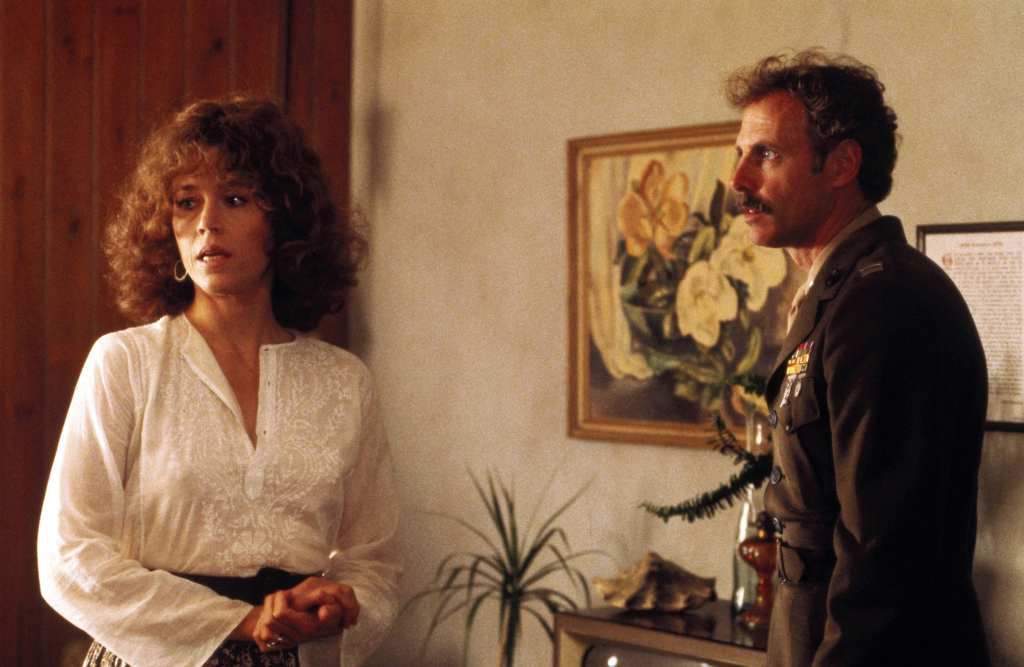
As hard as going to war may be, COMING HOME argues that returning to a changed world can be even harder — and it makes a convincing case. Jane Fonda plays a compassionate woman who volunteers at a VA hospital after her husband ships out to Vietnam. There she reconnects with a former classmate, played by Jon Voight, who has come home paralyzed, furious, and struggling to rebuild a life that no longer resembles the one he left behind.
Stories about the lingering wounds of war have been told before — and often more definitively, as in The Best Years of Our Lives. But thanks to a set of deeply felt performances, COMING HOME brings a raw, intimate perspective to the emotional fallout of Vietnam. Fonda and Voight give the film its aching center, and together they make the suffering that follows soldiers long after their return feel immediate, personal, and heartbreaking.
It’s a familiar story, but rarely has it been told with such tenderness and conviction.
25. THE CONVERSATION
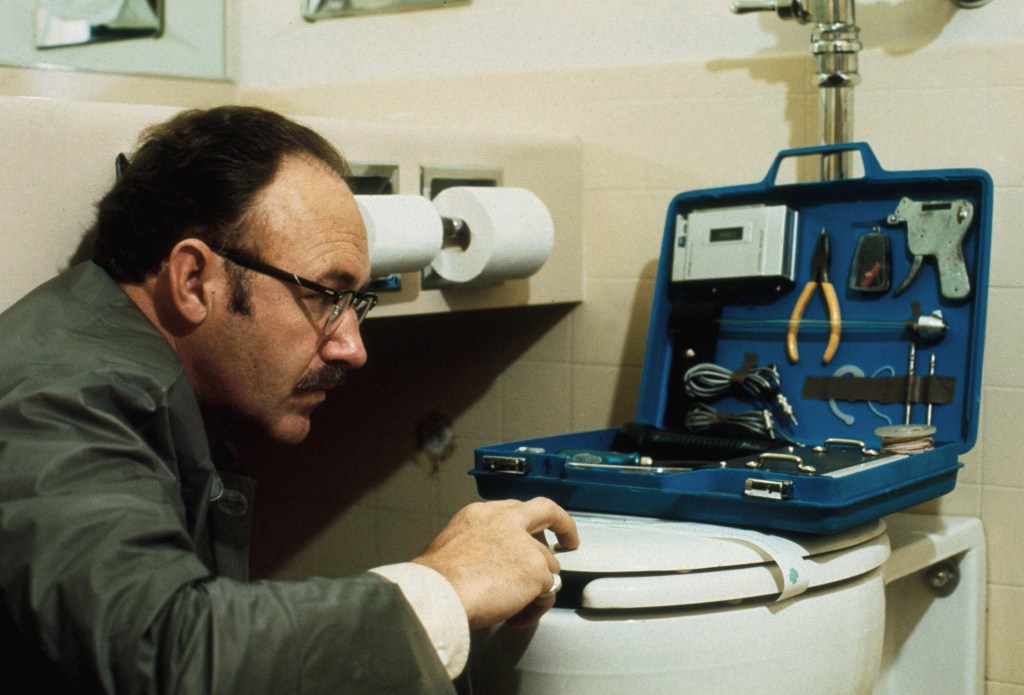
By 1974, trust in America had cratered. First came the sense of betrayal over Vietnam, then Watergate, which washed away whatever faith remained in government. Harry Caul, the central figure in Francis Ford Coppola’s brilliant THE CONVERSATION, embodies the paranoia and moral unease of that moment. Played with remarkable restraint by Gene Hackman, Caul is a freelance surveillance expert hired to record a young couple. Haunted by guilt from a past assignment, and guided by his devout Catholic conscience, he becomes convinced the pair is in danger — or perhaps that he is simply losing his grip on what’s real.
THE CONVERSATION was one of two films Coppola released in 1974, and it’s often overshadowed by his more operatic masterpieces. Yet Coppola himself has cited it as his personal favorite, and it’s easy to see why. Quiet, meticulous, and psychologically piercing, it’s a film that burrows under the skin. Even in a career that includes Apocalypse Now and two Godfather films, choosing THE CONVERSATION as a favorite feels not only defensible, but deeply revealing.
24. NETWORK
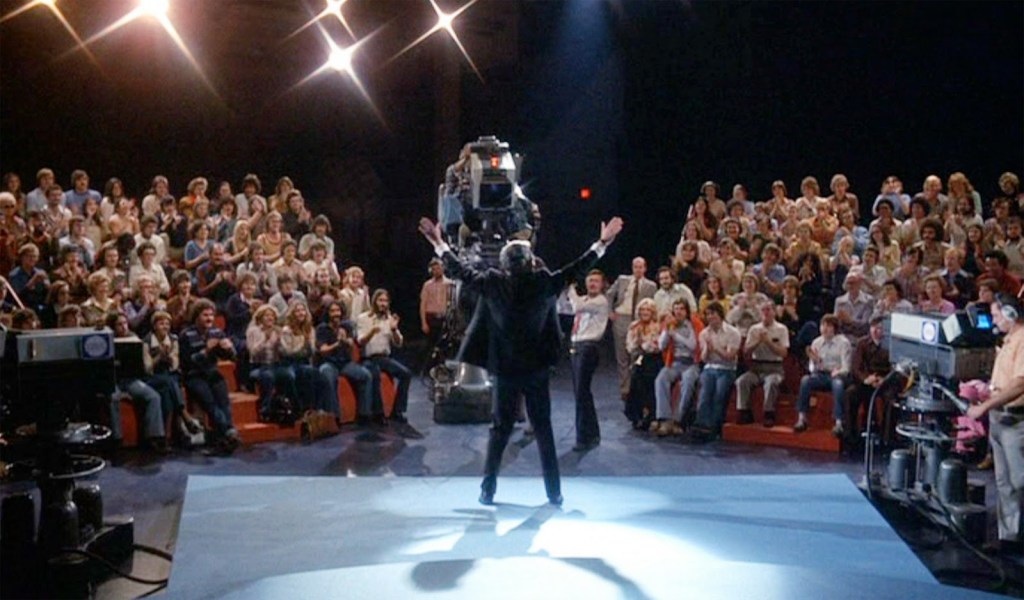
Movies and television entertain us, but reality hits us to the core. That’s why everyone has a favorite news channel, a favorite reality show, a favorite “real” story to latch onto. As a child, I would count down the days until the next episode of Survivor. But long before reality TV flooded our screens, Paddy Chayefsky understood how deeply we crave authenticity—or at least the illusion of it. And he turned that insight into one of the greatest screenplays ever written: NETWORK.
The film follows Howard Beale, an aging newscaster who learns he’s being fired due to low ratings. His response is unthinkable: he announces on live television that he plans to kill himself on the air. Instead of ending his career, the confession ignites it. His broadcasts become must‑see TV, his ratings skyrocket, and he discovers that by making himself the story, he can command an audience in ways traditional journalism never could.
NETWORK feels even sharper today than it did in 1976. After nearly 25 years of reality television eating up our screens and an ever‑expanding universe of news channels, Chayefsky’s satire doesn’t just capture a moment—it predicts the world we live in now. Some films reflect their time; NETWORK predicted the future.
23. MANHATTAN
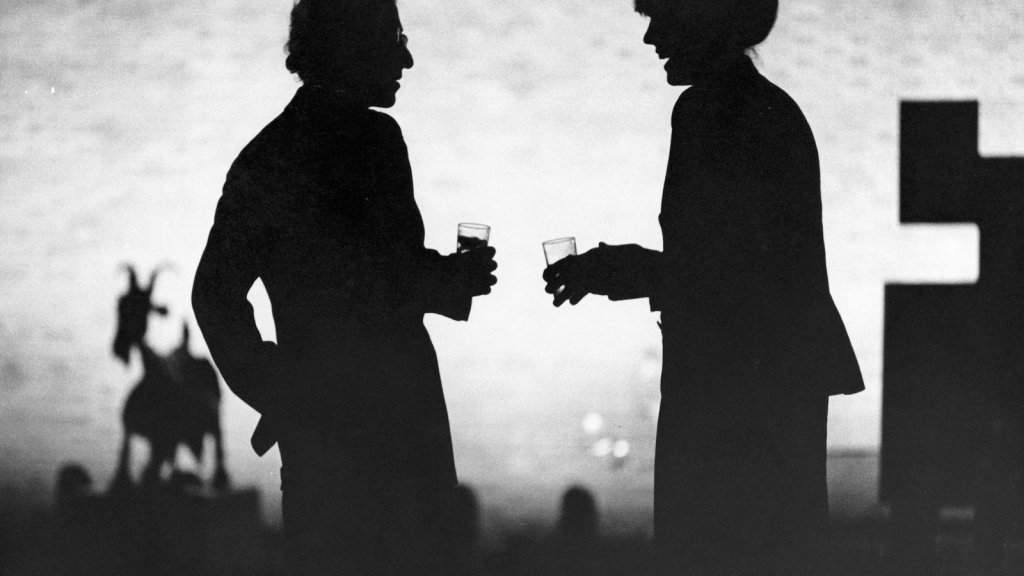
Isaac’s relationship with a seventeen‑year‑old girl in MANHATTAN feels especially unsettling today in light of what later came to light about Woody Allen, but beyond that discomfort lies a film of remarkable beauty and craft. Shot in luminous black and white and opened with one of the most poetic montages in American cinema, MANHATTAN is Allen’s most layered tribute to the things he loves most.
On one level, it’s a valentine to New York — the city he preferred to the sprawling, sun‑drenched streets of Los Angeles. On another, it’s a homage to the silent‑era films he adored growing up, with their visual elegance and emotional clarity. And finally, it’s a love letter to the women who shaped his life and work, including Diane Keaton, whose performance gives the film much of its warmth and wit.
MANHATTAN is busy, bustling, and beautiful, just like the city it celebrates — or at least the city as seen through Allen’s most romantic, most cinematic eyes.
22. THE LAST PICTURE SHOW
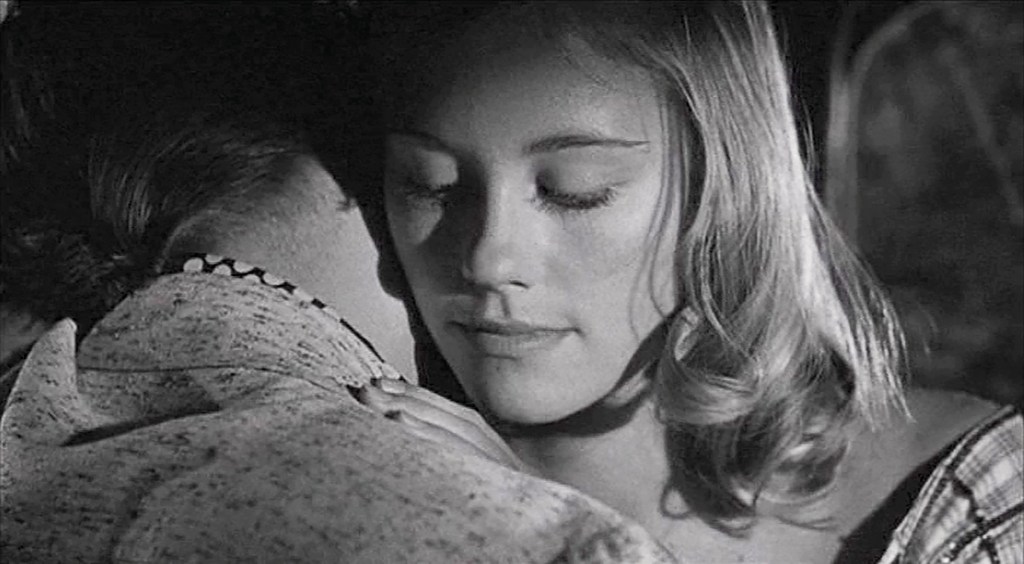
When THE LAST PICTURE SHOW premiered, Newsweek hailed it as “the most impressive work by a young American director since Citizen Kane.” That’s certainly an overstatement, but Peter Bogdanovich’s debut does deserve high praise for its style, sensitivity, and storytelling. The comparison to Welles was probably inevitable: Bogdanovich had spent years studying Welles’s work, and even received the suggestion to shoot the film in black and white from the Citizen Kane auteur himself.
But Bogdanovich had a remarkable eye of his own. Spotting Cybill Shepherd in a magazine, he cast her as the small‑town Texas beauty desired by nearly every boy in town — including two played by newcomers Jeff Bridges and Timothy Bottoms. Alongside them, Ellen Burstyn, Ben Johnson, and Cloris Leachman deliver some of the finest performances of their careers, creating one of the most beautifully acted ensembles ever put on film.
THE LAST PICTURE SHOW may not be the second coming of Citizen Kane, but it remains a haunting, exquisitely observed portrait of a fading town — and a stunning debut from a director who understood exactly how to capture its melancholy.
21. HEARTS AND MINDS
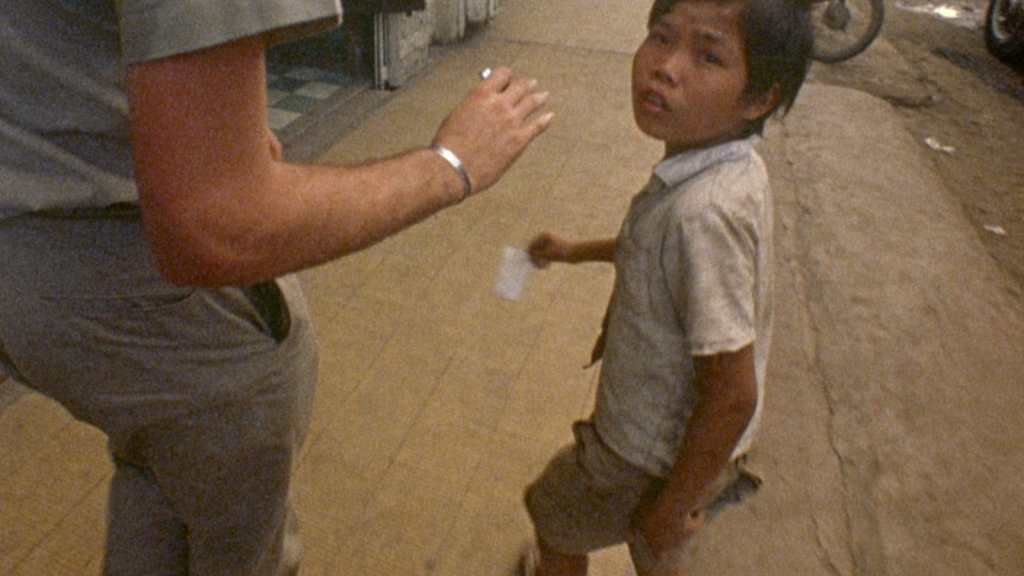
From 1964 to 1968, Lyndon B. Johnson reportedly invoked the phrase “winning hearts and minds” more than two dozen times, insisting that the Vietnam War depended on earning the loyalty of the Vietnamese people. Peter Davis’s HEARTS AND MINDS shows, with devastating clarity, how far from that goal the war truly fell. His documentary lays bare the ways the conflict warped American soldiers, corrupted political leadership, and claimed the lives of countless Vietnamese civilians — including children. Much of this was visible on nightly news broadcasts, but Davis’s achievement goes far beyond simple reportage.
What makes HEARTS AND MINDS one of the greatest documentaries ever made is its courage and its scope. Davis weaves together interviews, archival footage, and unflinching testimony to create a portrait of a nation at moral war with itself. The film doesn’t just document a moment; it reshaped the possibilities of nonfiction filmmaking. Its bravery, its comprehensiveness, and its refusal to look away changed the art form forever.
20. BARRY LYNDON
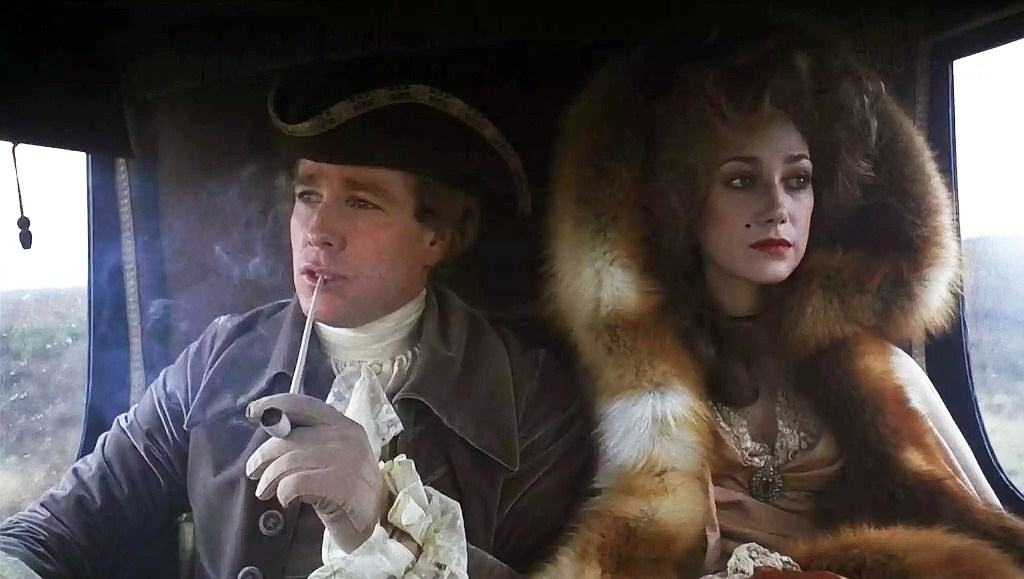
BARRY LYNDON is almost certainly the greatest movie ever made about the madness of dueling. Ryan O’Neal, in what would become the last great role of his career, plays an Irish soldier who marries into wealth and ascends the social ladder, all while clashing bitterly with his resentful stepson. Duels frame the story from beginning to end — from the opening scene, in which Barry’s father is killed in one, to the unforgettable final act that seals Barry’s fate.
Kubrick, who had already demonstrated astonishing craftsmanship in 2001: A Space Odyssey and A Clockwork Orange, brings the same precision here, creating a period piece unlike anything that came before it. Shot with natural light and composed like a gallery of 18th‑century paintings, BARRY LYNDON is poetic, beautiful, and quietly horrific all at once — a combination few filmmakers have ever achieved.
It stands as one of Kubrick’s most extraordinary accomplishments, the work of a director who perfected a cinematic language that no one else has ever quite matched.
19. CRIES & WHISPERS
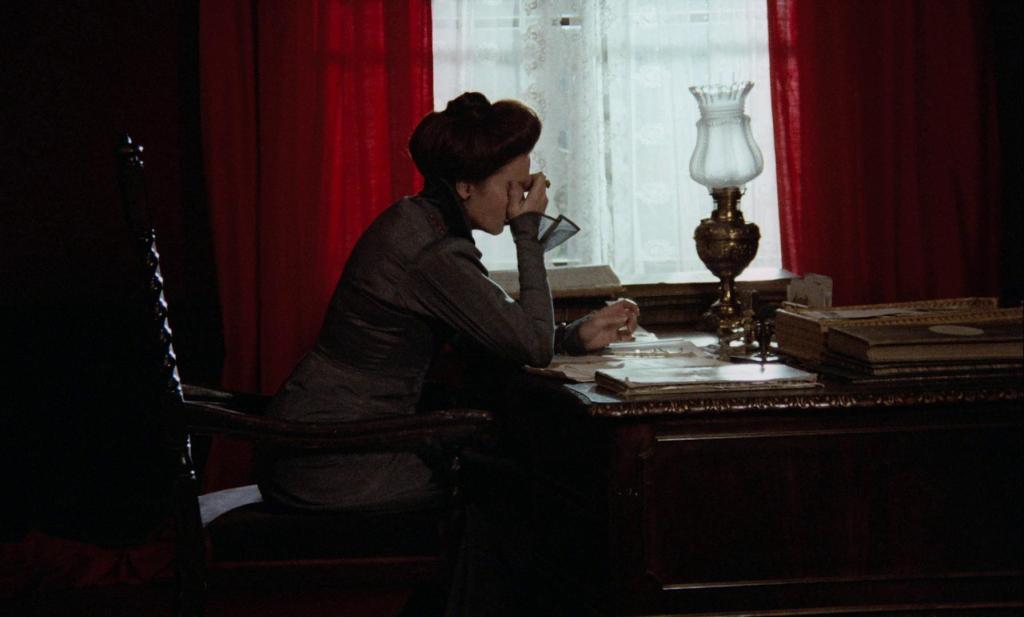
Choosing anything other than The Godfather as the best film of 1972 might earn me a visit from the Corleone family, but even today I find myself more moved by Ingmar Bergman’s searing meditation on life, love, and faith. Arguably the finest of his many masterpieces, CRIES & WHISPERS follows three sisters who reunite when one of them is dying of uterine cancer. Bergman had explored autobiographical themes before, but this film feels especially personal — a work shaped by his fascination with those who believe in an afterlife and his envy of the comfort that faith can offer in moments of unbearable pain.
The film is heartbreaking and emotionally draining, yet also piercingly insightful. It understands how often people wait too long to appreciate life, and how fragile the bonds between loved ones can be when tested by suffering. With its bold use of color, its raw performances, and its spiritual urgency, CRIES & WHISPERS remains one of Bergman’s most profound achievements — and, for me, one of the defining films of the 1970s.
18. ROCKY
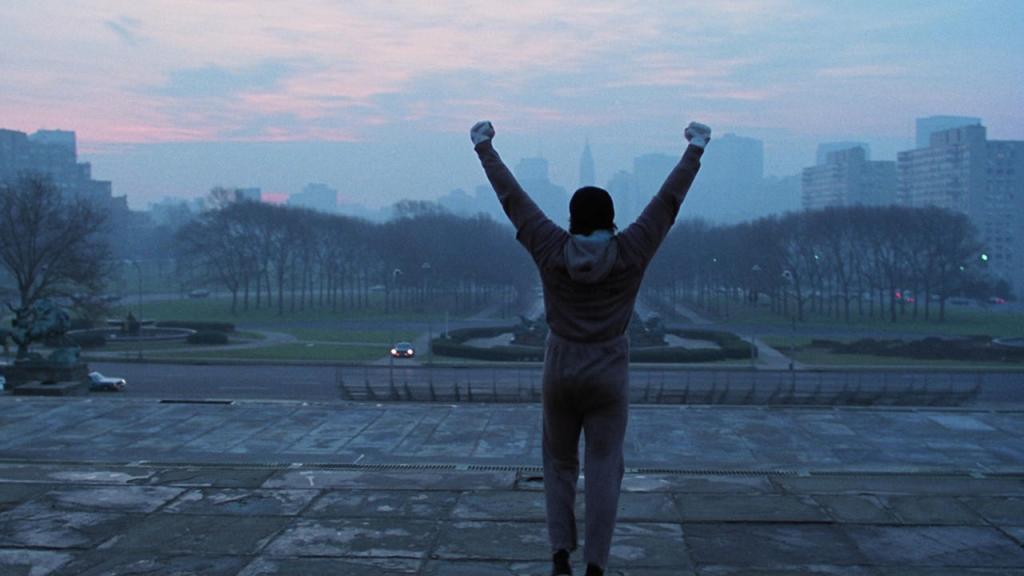
These days, it’s easy to insist that Taxi Driver or Network should have won Best Picture in 1976, but that perspective overlooks just how special ROCKY felt at the moment of its release. Sure, Taxi Driver was gritty, but it wasn’t exactly unprecedented—films like Mean Streets and The French Connection had already carved out that territory. And Network, brilliant as it is, belonged to a lineage of sharp-edged farces that Stanley Kubrick had pushed even further with Dr. Strangelove and A Clockwork Orange.
But a great, gritty sports movie? One that felt both mythic and grounded, both old-fashioned and startlingly fresh? That hadn’t been done well since the black‑and‑white era—and arguably, it had never been done as well as ROCKY. Add to that a young actor with real presence and a screenplay he wrote himself, and you have a genuine underdog story both on and off the screen.
Who could have predicted that Sylvester Stallone would never again match the purity and perfection of his breakout role? And while several of the sequels are admirable in their own ways, none of them capture the raw adrenaline and emotional punch of the original. ROCKY remains a heavyweight champion—not just of 1976, but of the entire sports‑movie genre.
17. AMERICAN GRAFFITI
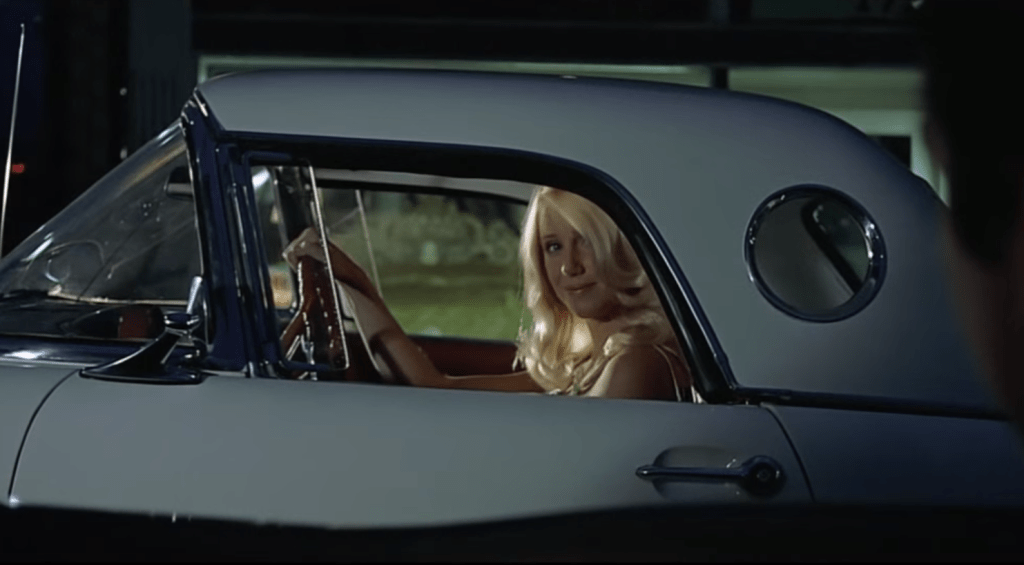
George Lucas will always be remembered as the wunderkind who turned even the “cool kids” into sci‑fi nerds with Star Wars, yet his finest film may well be his debut, AMERICAN GRAFFITI. It’s a warm, funny, and irresistibly nostalgic trip back to the early 1960s — a time when cars had personality, rock music was evolving at lightning speed, and social life revolved around high‑school dances and late‑night diner runs. With its extraordinary soundtrack — one of the greatest ever assembled — the film captures the era with uncanny precision and set the blueprint for countless high‑school comedies to follow.
The difference is that Lucas’s version is actually funny, genuinely sweet, and effortlessly nostalgic, a combination few of its imitators have ever matched. Moviegoers can debate their favorite Star Wars installment, but for me, AMERICAN GRAFFITI remains Lucas’s most human, most heartfelt, and most enduring achievement.
16. ONE FLEW OVER THE CUCKOO’S NEST
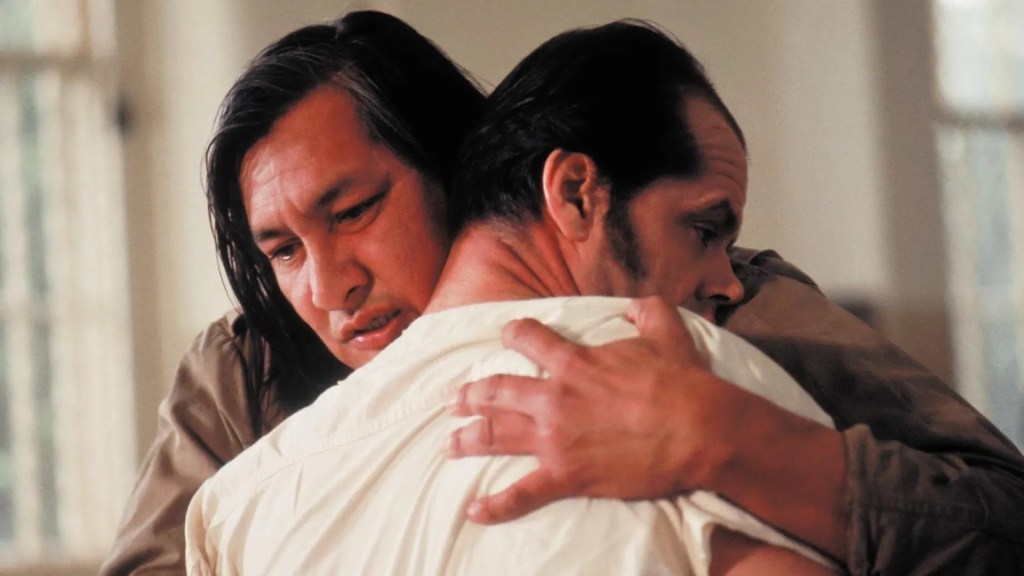
Only three films have ever swept the major Oscars, and ONE FLEW OVER THE CUCKOO’S NEST would deserve that distinction even if it hadn’t arrived in such a remarkable year for cinema. Looking back, most of its wins still feel justified — though it’s admittedly surprising that Miloš Forman beat both Steven Spielberg and Robert Altman for Best Director. Still, Forman deserves real credit for shaping two extraordinary performances and for keeping Ken Kesey’s story sharp, humane, and propulsive.
By 1975, audiences expected greatness from Jack Nicholson, but his turn as R.P. McMurphy may be his finest work — a perfect blend of mischief, rebellion, and aching vulnerability. Louise Fletcher, meanwhile, would never again reach the chilling heights of her performance as Nurse Ratched, the quietly tyrannical figure determined to crush McMurphy’s influence over the ward.
ONE FLEW OVER THE CUCKOO’S NEST has its flaws, many of which the Academy overlooked, but its emotional power is undeniable. Few films tug at the heart the way this one does, and even fewer leave such a lasting mark.
15. DOG DAY AFTERNOON
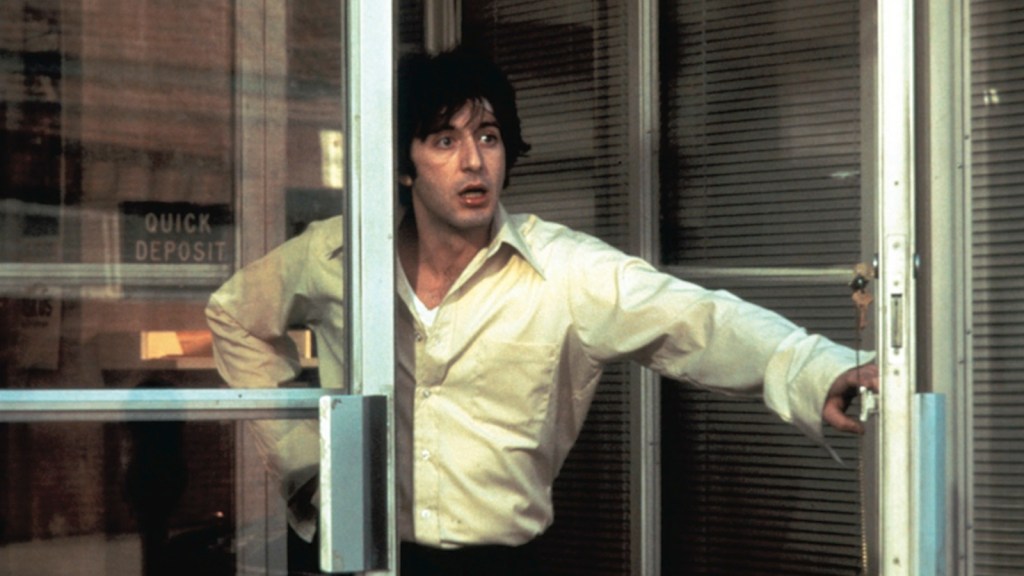
For all the well‑deserved praise showered on the 1975 movie year — with One Flew Over the Cuckoo’s Nest, Jaws, and Nashville dominating the conversation — one masterpiece is too often left out: Sidney Lumet’s blisteringly intense bank‑heist drama DOG DAY AFTERNOON. Al Pacino, who nearly turned down the role due to personal turmoil, delivers one of his most electrifying performances as a New York man who robs a bank to pay for his husband’s gender‑affirming surgery. John Cazale, in one of his final roles, speaks little but commands the screen; his quiet, haunted presence pushes the film’s tension to almost unbearable levels.
DOG DAY AFTERNOON may not have reshaped cinema the way Jaws or Nashville did, but few heist films have influenced modern thrillers more directly. Its mix of real‑time urgency, moral complexity, and raw human emotion remains a benchmark for the genre. In a year overflowing with great films, Lumet’s masterpiece stands among the most flawless — a reminder of how gripping, humane, and unpredictable a crime drama can be when made by a director at the height of his powers.
14. THE BAD NEWS BEARS
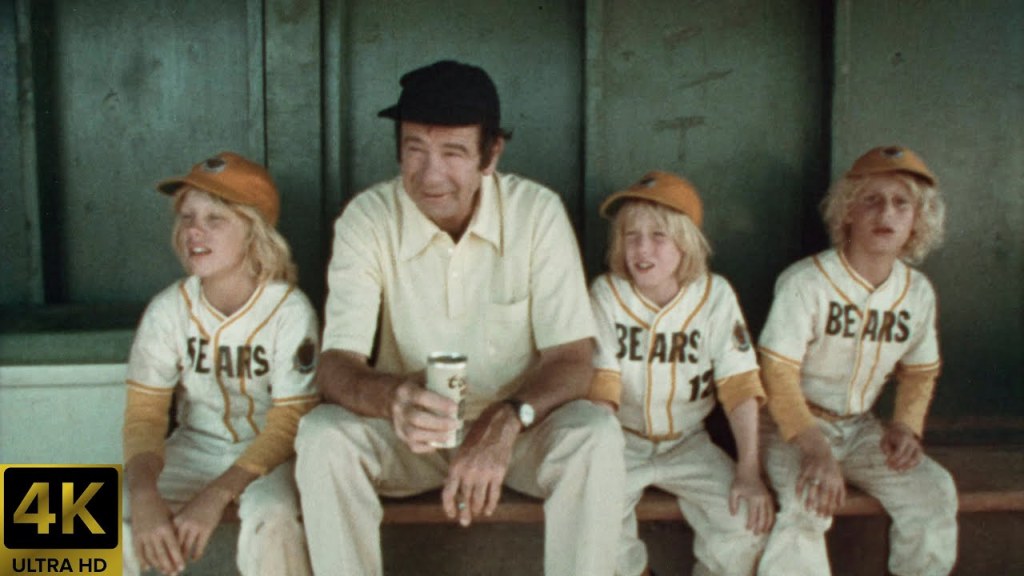
Anyone who claims there’s no crying in baseball has clearly never seen the original BAD NEWS BEARS, a film capable of making even the toughest closer mist up. Baseball is an emotional game—especially when kids are involved. And perhaps even more so when those kids are terrible at baseball… yet somehow manage to win anyway. And win they do, at least when it comes to winning over audiences.
Rocky may have taken home most of 1976’s accolades, but Michael Ritchie’s scrappy, foul‑mouthed baseball comedy is my favorite sports film of the year. In fact, it’s my favorite movie of the year, by a mile. And in a lineup that includes Network, Taxi Driver, All the President’s Men, and Rocky, that’s saying something.
THE BAD NEWS BEARS is a grand slam—funny, heartfelt, and endlessly rewatchable. It’s the rare underdog story that never feels manufactured, because its charm comes from the messiness, the imperfections, and the kids who somehow make losing look like winning.
13. KRAMER VS. KRAMER
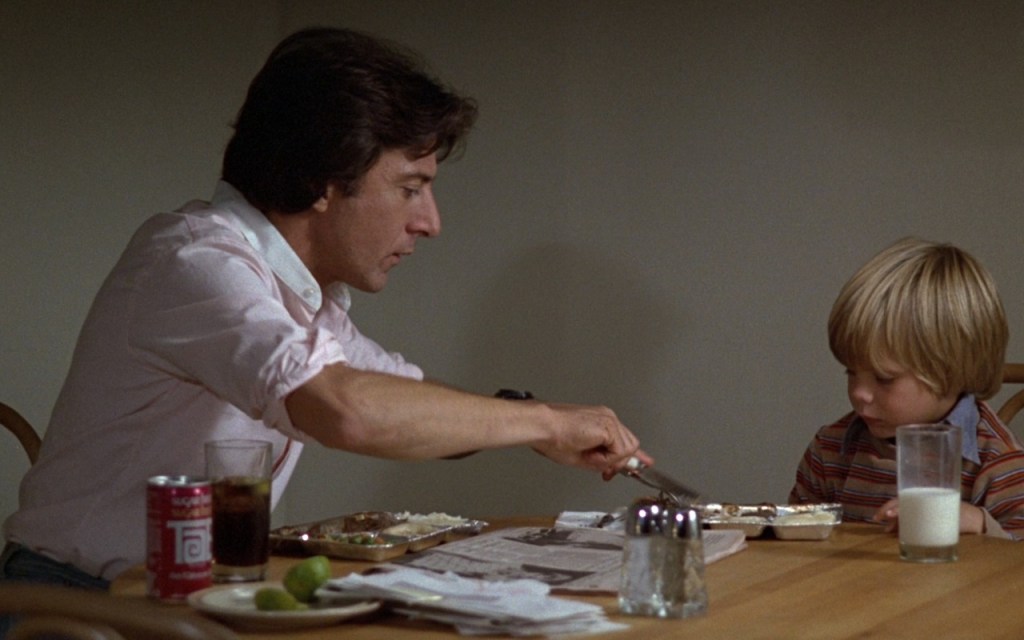
A decade that opened with the blockbuster romance Love Story ended on a far sadder note with KRAMER VS. KRAMER, the wrenching child‑custody drama powered by extraordinary performances from Dustin Hoffman and Meryl Streep. Hoffman plays Ted Kramer, a driven advertising executive whose life is upended when his wife of eight years abruptly leaves him and their six‑year‑old son to “find herself.” Through a year of struggle, sacrifice, and unexpected tenderness, Ted grows closer to his son — only to be blindsided when his ex‑wife returns seeking full custody.
KRAMER VS. KRAMER is hardly the most enjoyable film of 1979, but it is one of the most important and impeccably crafted. Hoffman and Streep bring raw honesty to roles that could have easily slipped into melodrama, and the film’s emotional clarity still resonates. Few movies of the ’70s tug at the heart with such sincerity, and even fewer capture the painful complexities of family with this level of compassion and nuance.
12. ALIEN
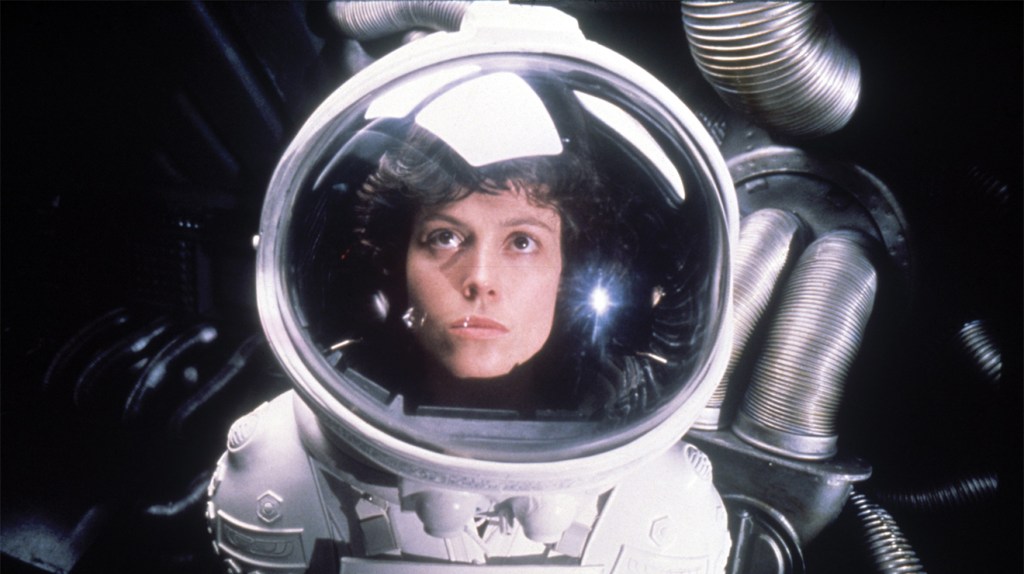
Part Jaws, part 2001: A Space Odyssey, and completely riveting, Ridley Scott’s ALIEN remains the cornerstone of sci‑fi horror more than forty years after its release. There’s no denying that it benefited from the post‑Star Wars surge in space fever, but in many ways ALIEN may be the stronger film. Set aboard an isolated spacecraft drifting thousands of miles from Earth — arguably the most perfect setting ever devised for a horror story — the film follows a crew forced into a desperate battle with a mysterious extraterrestrial organism that threatens to wipe them out one by one.
Scott’s sophomore feature is terrifying, atmospheric, and astonishingly influential. It’s also empowering, thanks in large part to Sigourney Weaver’s iconic turn as Ripley, and crafted with a precision that elevates every moment of dread. Above all, ALIEN is one of the most purely entertaining horror films ever made — a masterclass in tension, world‑building, and cinematic imagination.
11. PAPER MOON

The Sting may have taken home the Oscars, but the year’s most memorable con‑artist duo wasn’t Robert Redford and Paul Newman — it was Ryan O’Neal and his nine‑year‑old daughter, Tatum. The two play a Great Depression–era team: a small‑time Bible‑selling grifter and the sharp, fearless young girl who becomes his perfect partner. PAPER MOON marked the third consecutive triumph for Peter Bogdanovich, and it’s arguably his finest achievement. If not his best, it’s certainly his sweetest, thanks largely to Tatum O’Neal’s astonishing, Oscar‑winning performance — still the youngest competitive winner in Academy history.
The Sting may have claimed the big prize, but it’s PAPER MOON that lingers more vividly today. Its charm, its wit, and the irresistible chemistry between its leads make it one of the true gems of 1973.
10. THE CHINA SYNDROME
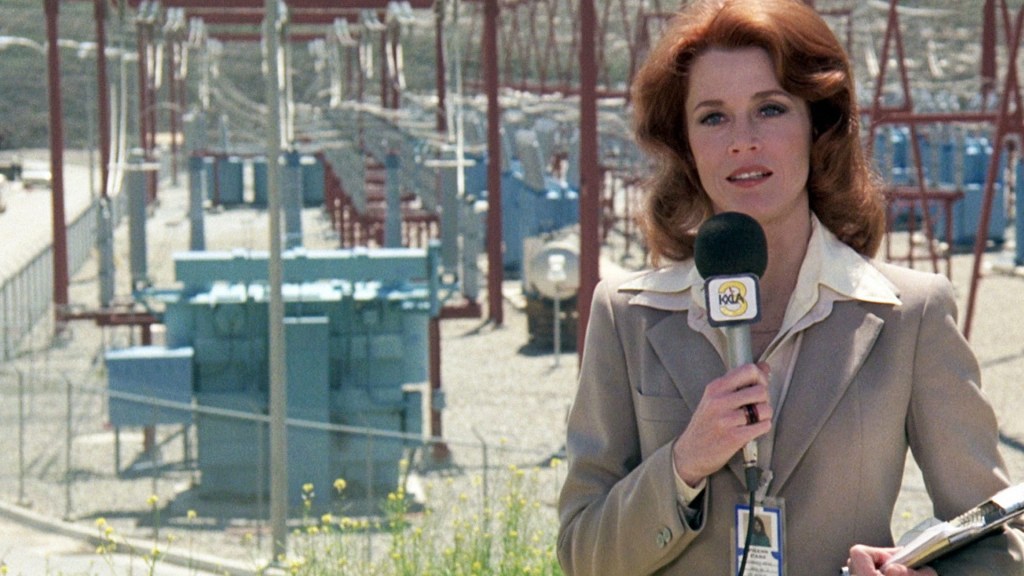
When THE CHINA SYNDROME premiered, nuclear‑power advocates around the world rushed to condemn it, calling it “sheer fiction” and accusing it of smearing an entire industry. Then, less than two weeks later, the Three Mile Island accident occurred — and James Bridges’s film suddenly felt less like alarmism and more like essential viewing. Yet even without that real‑world echo, THE CHINA SYNDROME would stand as a vital, gripping drama. Jack Lemmon delivers one of his finest late‑career performances as a troubled power‑plant supervisor, while Jane Fonda plays a TV reporter who uncovers evidence that the facility is putting thousands of lives at risk.
Not since Chinatown had a film examined the corrosive power of money and the lengths corporations will go to protect themselves with such clarity and conviction. THE CHINA SYNDROME is sharp, unsettling, and disturbingly prescient — a thriller whose urgency has only grown with time.
9. JAWS
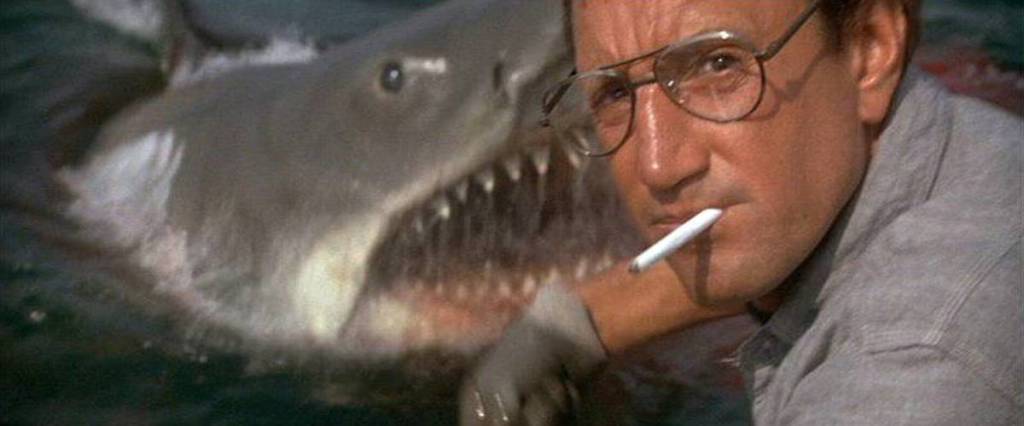
If you’re a shark biologist, it may take some imagination to get on board with Steven Spielberg’s JAWS, the tale of a rogue great white terrorizing Amity Island. For the rest of us, the film is simply too much fun for its scientific liberties to matter. After all, if audiences could accept a boy befriending an alien in E.T., is it really so far‑fetched to believe a great white might take revenge on a fishing boat and its crew?
The truth is that JAWS remains one of the greatest — if not the greatest — summer blockbusters ever made, packed with unforgettable scares and goosebumps. The story behind the film is nearly as gripping: Spielberg battled malfunctioning mechanical sharks, casting challenges, and boat problems that nearly derailed his career before it began. Instead, JAWS became an instant classic, launching Spielberg into the stratosphere and reshaping the future of Hollywood.
Decades later, it still stands as one of the most thrilling adventure films ever made — a masterpiece of tension, craft, and pure cinematic excitement.
8. A CLOCKWORK ORANGE
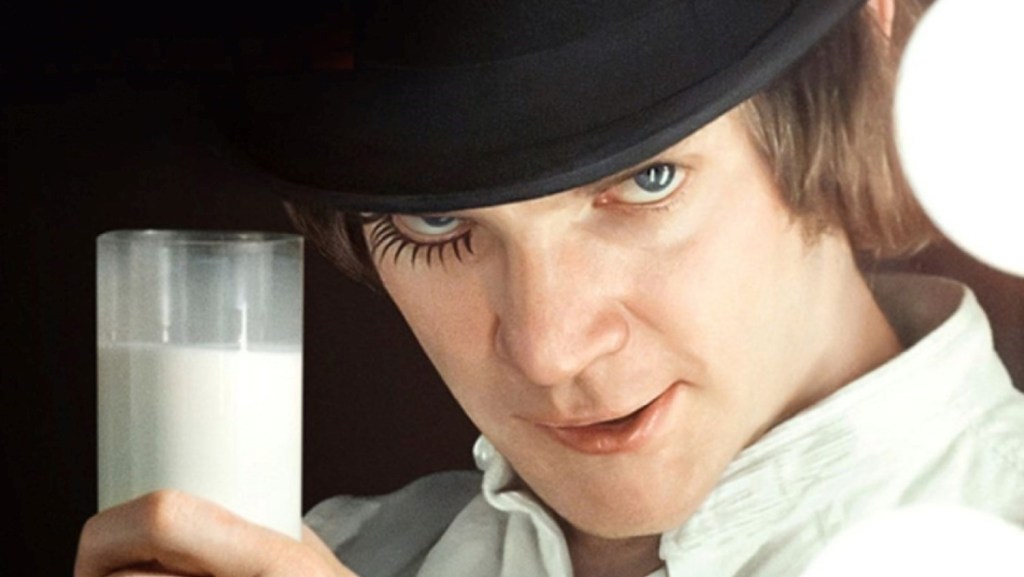
Several words — witty, funny, exciting, thrilling, frightening, bizarre — flash across the screen in the theatrical trailer for A CLOCKWORK ORANGE. All of them apply to Stanley Kubrick’s daring follow‑up to 2001: A Space Odyssey, yet the one word that best captures the film is conspicuously absent: brilliant. As he did with A Space Odyssey, Kubrick crafted an unforgettable visionary experience, one that lingers in the mind long after the credits roll. Frightening? Absolutely. Funny? At times, depending on your tolerance for pitch‑black satire. But brilliant? Without question.
A CLOCKWORK ORANGE became Kubrick’s third consecutive masterpiece, following Dr. Strangelove and 2001, and it capped one of the most extraordinary seven‑year stretches any director has ever had. Bold, unsettling, and visually hypnotic, it remains one of the defining works of 1970s cinema — and one of Kubrick’s most fearless achievements.
7. DAYS OF HEAVEN
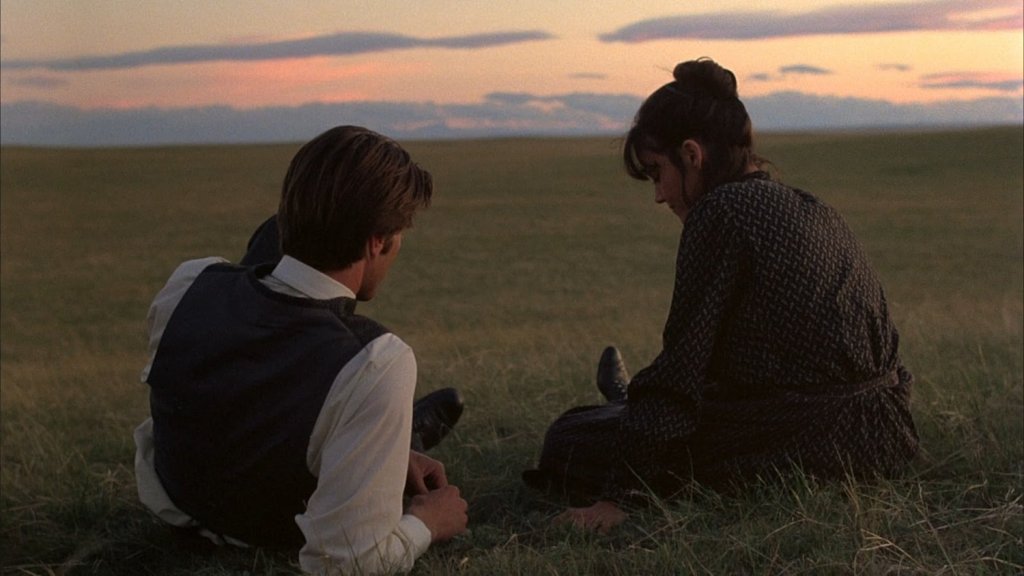
When DAYS OF HEAVEN premiered, some critics dismissed Terrence Malick’s gorgeous, meditative film as too simple to merit praise. Today, those reviews look shortsighted. The film is now widely regarded as the masterwork of one of the most distinctive filmmakers of the past half‑century. Shot almost entirely during the golden hour — that fleeting window just after sunrise and just before sunset — DAYS OF HEAVEN contains some of the most breathtaking cinematography ever captured on film.
And while its story is deceptively simple, it nearly matches the visuals in beauty and emotional power. The film follows a hot‑tempered farm laborer who persuades his girlfriend to marry a wealthy farmer, hoping to inherit his fortune. What unfolds is a quiet, haunting tale of desire, deception, and the fragile peace people chase in hard times.
Like the farmer at its center, DAYS OF HEAVEN is understated, rich, and impossible not to fall in love with — a film whose beauty deepens every time you return to it.
6. THE GODFATHER
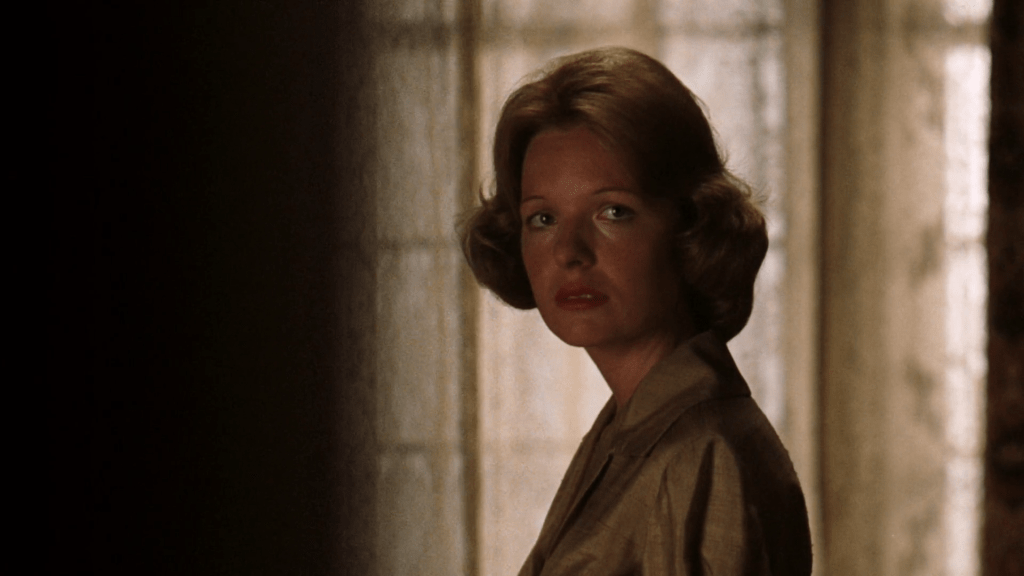
Some people bristle when THE GODFATHER appears anywhere other than the top of an all‑time list — let alone as only the sixth‑best film of the 1970s — so let me be clear: I, too, consider THE GODFATHER a masterpiece. The only complication is that it wasn’t the only masterpiece of the decade. Even so, few films in the history of cinema have cast a longer shadow. Its quotes are ubiquitous, its imitators endless, and the careers it launched remain legendary.
And just like Michael Corleone, I suspect I’ll eventually come around and join the family of viewers who proclaim it the greatest film of modern cinema. It’s simply that the ’70s were overflowing with brilliance — and THE GODFATHER was one extraordinary achievement among many.
5. THE GODFATHER PART II
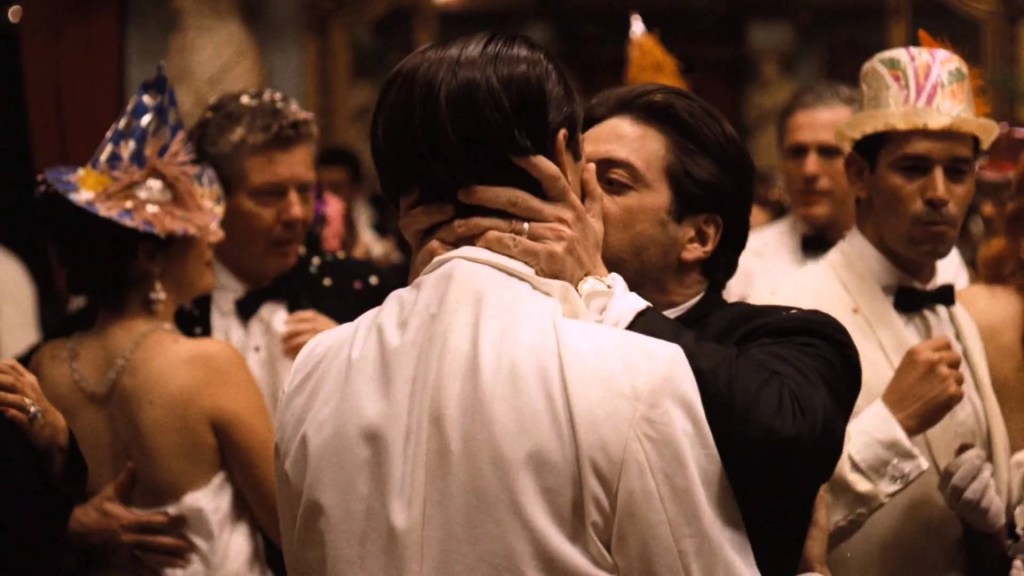
I’m in the minority, but I actually prefer Francis Ford Coppola’s sequel to The Godfather for one simple reason: it’s more entertaining. Despite its hefty 202‑minute running time, THE GODFATHER PART II moves with remarkable ease, intertwining the rise of Vito Corleone with the moral and emotional collapse of his son Michael. At the time of its release, some critics dismissed the Vito flashbacks as a distraction. I see them as the film’s beating heart — a fascinating contrast between a man who would do anything for his family and a son who will do anything to protect himself, even at the cost of the people he loves.
The Godfather may have more instantly iconic moments, but PART II is more unpredictable, more ambitious, and ultimately more heartbreaking. It expands the Corleone saga into something deeper and darker, and for me, that makes it the richer and more compelling film.
4. APOCALYPSE NOW

APOCALYPSE NOW may be the clearest example in film history of what happens when a master at the height of his powers pours every ounce of blood, sweat, and sanity into a single project. Francis Ford Coppola reportedly shot nearly 200 hours of footage and then spent three years shaping it into a coherent vision. When the production spiraled over budget, he sold his house and his winery to keep it alive. The shoot was so grueling that he repeatedly threatened to end his own life. One can only hope that, when he finally saw the finished film, he understood that the suffering had been worth it.
Because APOCALYPSE NOW is the kind of visionary experience that comes along once every decade or two — if we’re lucky. Ironically, this portrait of the Vietnam War’s chaos, horror, and moral disintegration contains some of the most breathtaking images ever captured on film. Coppola never again reached the heights he found with the first two Godfather films and APOCALYPSE NOW. Perhaps he decided the cost was too great. But for this viewer, and for countless others, the passion and the labor are unmistakable.
This isn’t just one of the greatest war films ever made — it’s one of the greatest motion pictures, period.
3. NASHVILLE

For most of NASHVILLE’s sprawling 160 minutes, I was completely absorbed — by its enormous ensemble, by the way their lives overlap and collide, by the country‑music performances (many written by the actors themselves), and by the sheer energy of a film that somehow feels both chaotic and effortless despite having no traditional plot. Then the ending arrived, strange and jarring, and I found myself wondering whether this near‑flawless film had suddenly revealed a major flaw.
But then I remembered the church sermon earlier in the film, the one about negative thinking and the power of shifting your focus toward something more hopeful. That, it seems, is exactly what Altman is doing in the finale: reminding us that even in moments of shock, confusion, or despair, people instinctively search for a way to keep going. He paints Nashville as a city built on optimism — a place where, even in the dips, someone will find the peak and pull everyone else toward it.
Seen through that lens, the ending doesn’t weaken NASHVILLE at all. It deepens it. It transforms the film from a brilliant mosaic into a profound statement about resilience, community, and the strange, stubborn hope that keeps people singing. And with that understanding, I have no hesitation calling NASHVILLE one of the finest films in the greatest decade movies have ever seen.
2. CHINATOWN
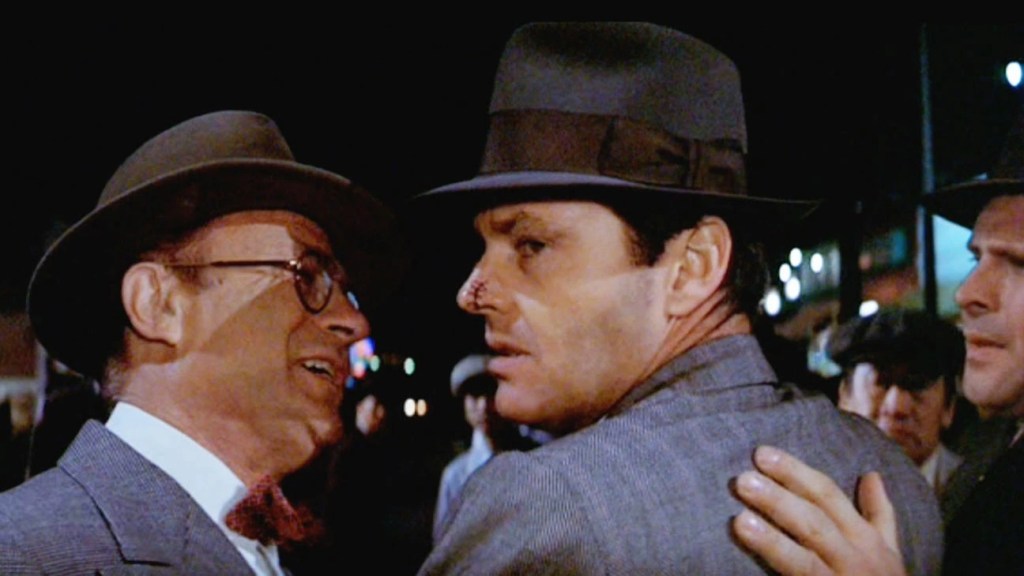
There’s a reason Robert Towne’s CHINATOWN screenplay is routinely ranked alongside Citizen Kane, The Godfather, and Casablanca as one of the greatest ever written. What begins as a seemingly straightforward case — a nosy private eye hired by a mysterious woman to investigate her husband’s death — spirals into a labyrinth of corruption, deceit, and moral rot. It’s the most brilliantly constructed film noir ever put on screen.
Roman Polanski’s reputation has undeniably tarnished the film’s standing, even pushing it out of some major polls, including the prestigious Sight & Sound list. But to ignore the film’s brilliance — powered by Towne’s writing, Nicholson’s career‑best performance, and Dunaway’s haunting presence — only reinforces its central message: influence can be bought by those with power, but that doesn’t make them right.
And in this case, the Sight & Sound poll certainly wasn’t. Leaving CHINATOWN off any countdown of the greatest films ever made is its own kind of injustice.
1. ANNIE HALL
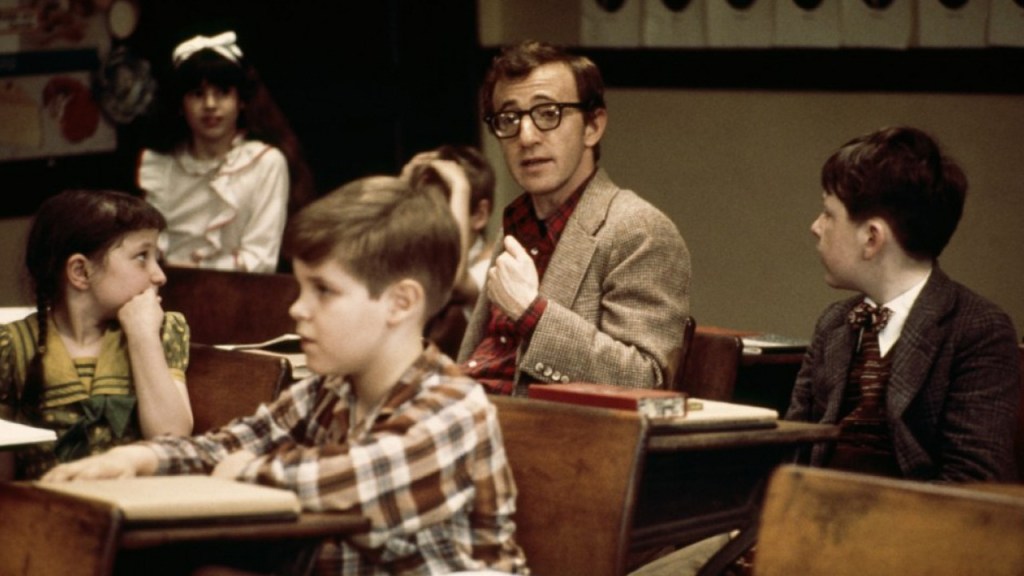
There’s a line in ANNIE HALL where Max casually tells Alvy he was with sixteen‑year‑old twins when he called. It’s disturbing, and it has understandably led some to reconsider the film’s legacy. But the other ninety‑two minutes of ANNIE HALL are pure cinematic bliss. It’s like the joke Alvy tells at the end about the man who won’t have his brother committed because he “needs the eggs.” That’s how I feel about ANNIE HALL: it may not be perfect, but it’s essential — and so irresistibly enjoyable that one poorly aged flaw should not eclipse its brilliance.
A huge part of that brilliance is Diane Keaton. She gives one of the greatest performances in American film, transforming Annie Hall into a character as iconic as Scarlett O’Hara or Don Corleone. She’s the film’s soul, its spark, its reason for being. She’s also the reason I love ANNIE HALL. Actually, love is too weak a word. I “luuurve” it.

